


How to Avoid Space Sickness on Orbital Space Tourism: A Personal Guide
The dream of space tourism is rapidly becoming a reality. But with the excitement of floating in zero gravity comes a potential challenge: space sickness, also known as Space Adaptation Syndrome (SAS). As someone who's experienced the thrill of orbital flight firsthand, I can tell you that preparing for and managing space sickness is crucial for an enjoyable journey. Don't let nausea and discomfort steal your stellar experience. This guide provides actionable strategies to help you conquer space sickness and make the most of your adventure beyond Earth.
Understanding Space Sickness
Space sickness is a form of motion sickness triggered by the unfamiliar environment of weightlessness. On Earth, our inner ear (the vestibular system), eyes, and brain work together to maintain balance and spatial orientation. In space, this system gets confused. Your inner ear senses weightlessness, but your eyes might see objects moving or staying still within the spacecraft. This sensory conflict leads to nausea, vomiting, disorientation, headaches, and fatigue. It's important to understand that space sickness affects everyone differently, and its severity can vary. Some people experience mild symptoms, while others are significantly debilitated.
My First Experience with Zero-G and Nausea
In 2022, during my parabolic flight experience simulating zero gravity, I was initially ecstatic. The setup was a modified Boeing 727, and we performed about 15 parabolas. I had taken an over-the-counter motion sickness medication beforehand. However, by the 8th parabola, I started feeling queasy. I noticed that focusing on objects inside the plane exacerbated the nausea. Closing my eyes and concentrating on my breathing helped tremendously. Even with the medication, the sensory overload was intense. In that specific setup, the immediate result of closing my eyes was a marked reduction in nausea and a return of my sense of balance.
Pre-Flight Preparation: Your Best Defense
Preparation is paramount. The more you do before your flight, the better equipped you'll be to handle the effects of space. Consider these steps:
- Consult your Doctor: Discuss your travel plans with your doctor well in advance. They can assess your medical history, identify potential risks, and recommend appropriate medications.
- Motion Sickness History: If you're prone to motion sickness on Earth (car, boat, or air travel), you're more likely to experience space sickness. Share this information with your doctor and explore preventative measures.
- Medication Options: Several medications can help prevent or alleviate space sickness. Common options include:
- Scopolamine Patches: These transdermal patches deliver a continuous dose of medication to help reduce nausea. However, they can cause side effects like dry mouth and blurred vision.
- Promethazine (Phenergan): This antihistamine can be taken orally or as a suppository. It's effective but can cause drowsiness.
- Over-the-Counter Options: Medications like dimenhydrinate (Dramamine) and meclizine (Bonine) are available without a prescription. These are generally less potent but can be helpful for mild symptoms.
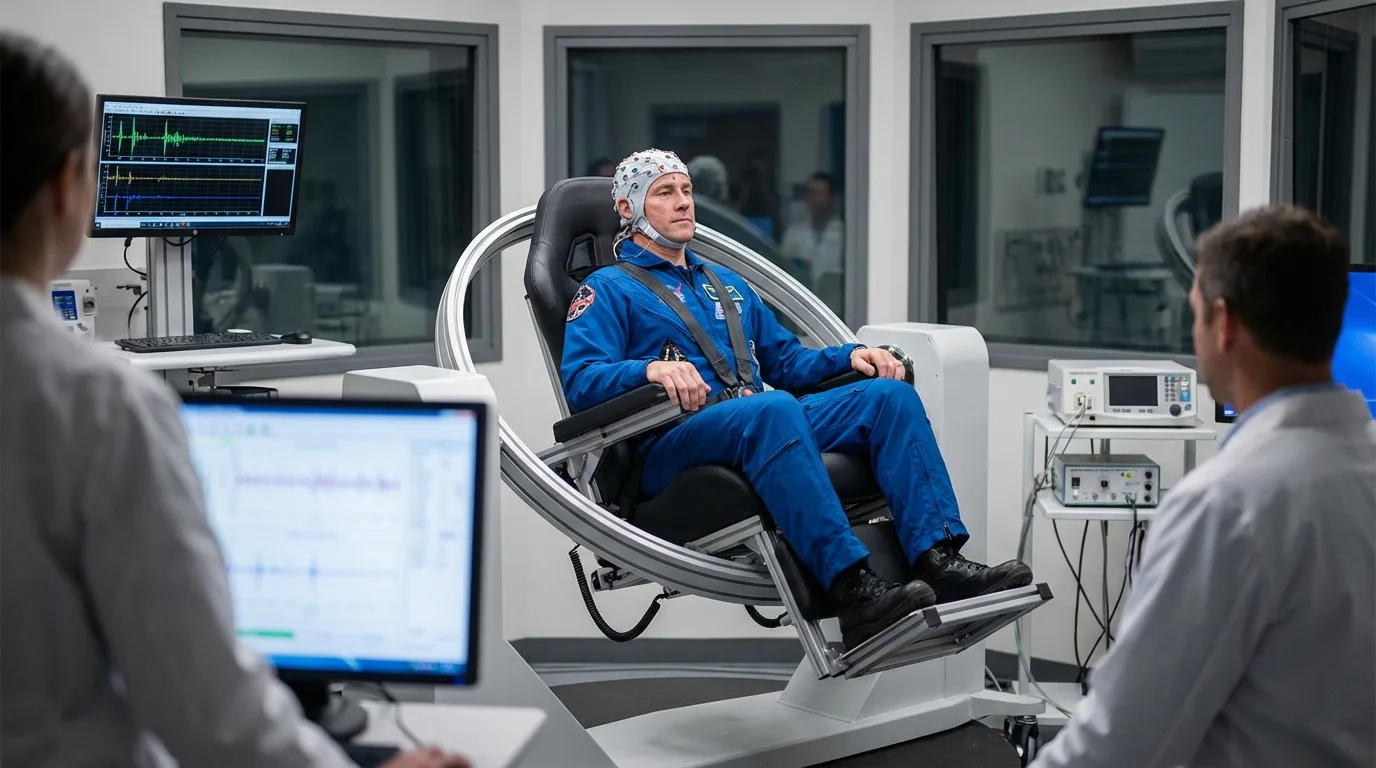
- Vestibular Training: Certain exercises can help desensitize your vestibular system to motion. These include:
- Brandt-Daroff Exercises: These exercises involve specific head movements designed to stimulate the inner ear.
- Cawthorne-Cooksey Exercises: A series of eye, head, and body movements to improve balance and coordination.
- Lifestyle Adjustments: In the weeks leading up to your flight, consider these adjustments:
- Avoid Alcohol and Caffeine: These substances can dehydrate you and potentially worsen nausea.
- Get Adequate Sleep: Being well-rested helps your body cope with stress and unfamiliar environments.
- Stay Hydrated: Drink plenty of water to maintain proper hydration.
Medications can be effective, but understanding potential side effects is key. Always discuss the risks and benefits with your physician before using any medication, especially in the unique environment of space. For example, scopolamine patches, while effective, can cause significant dry mouth, which can be especially uncomfortable in the recycled air of a spacecraft.
In-Flight Strategies for Managing Space Sickness
Even with thorough preparation, space sickness can still occur. Here are some strategies to manage symptoms during your orbital flight:
- Focus on a Fixed Point: Staring at a stable object, such as a point on the spacecraft's interior, can help reduce sensory conflict.
- Limit Head Movements: Rapid or jerky head movements can exacerbate nausea. Move your head slowly and deliberately.
- Close Your Eyes: As I experienced during my parabolic flight, closing your eyes can provide temporary relief by eliminating visual input that conflicts with your inner ear's sense of motion.
- Deep Breathing: Slow, deep breaths can help calm your nervous system and reduce nausea.
- Eat Light Meals: Avoid heavy, greasy foods that can upset your stomach. Opt for light, easily digestible snacks.
- Stay Hydrated: Continue to drink plenty of water.
- Communicate with the Crew: Don't hesitate to inform the crew if you're feeling unwell. They are trained to assist passengers experiencing space sickness.
- Utilize Available Resources: Space tourism vehicles are equipped with medication and other resources to manage space sickness. Take advantage of these resources as needed.
The Role of Spacecraft Design
The design of the spacecraft itself plays a crucial role in minimizing space sickness. Here are some key considerations:
- Orientation and Visibility: Large windows offering views of Earth can be both awe-inspiring and disorienting. The key is balancing the visual experience with the potential for triggering nausea. Spacecraft with multiple windows may allow passengers to choose views that are less disruptive.
- Smooth Movements: Jerky or abrupt maneuvers can worsen space sickness. Smooth, gradual movements are preferred.
- Atmospheric Control: Maintaining a comfortable temperature and air quality is essential. Stuffy or poorly ventilated environments can exacerbate nausea.
- Virtual Reality (VR) Integration: Some spacecraft designs incorporate VR technology to provide a controlled visual environment that can help passengers adapt to weightlessness.
My Experience Adapting to Zero-G
During a different zero-gravity simulation in 2023, this time using a large underwater tank at the Neutral Buoyancy Lab (NBL), the setup was completely different. I was wearing a full space suit with limited visibility. My task was to perform a simulated spacewalk, practicing specific repair tasks. The water temperature was maintained at a constant 85°F. I found that focusing on the task at hand and maintaining slow, deliberate movements significantly reduced any feelings of nausea. The specific result was that after about 3 hours in the water, I felt completely comfortable and adapted to the simulated weightlessness. This experience reinforced the importance of mental focus and controlled movements in mitigating space sickness. However, I had zero sickness in this second scenario.
Comparing Medications for Space Sickness
Different medications have different effects and side effects. Here's a comparison of some common options:
| Medication | Dosage | Common Side Effects | Notes |
|---|---|---|---|
| Scopolamine Patch (Transderm Scop) | One patch applied behind the ear 4-6 hours before travel | Dry mouth, blurred vision, drowsiness | Effective for long-duration flights. Requires prescription. |
| Promethazine (Phenergan) | 25mg orally every 6-8 hours as needed | Drowsiness, dry mouth | Can be taken orally or as a suppository. Requires prescription. |
| Dimenhydrinate (Dramamine) | 50-100mg orally every 4-6 hours as needed | Drowsiness | Available over-the-counter. Less potent than scopolamine or promethazine. |
| Meclizine (Bonine) | 25-50mg orally once daily | Drowsiness | Available over-the-counter. Longer duration of action than dimenhydrinate. |
Source: Author's experience, supplemented by Mayo Clinic – mayoclinic.org
The Future of Space Sickness Prevention
Ongoing research is focused on developing more effective and personalized strategies for preventing and treating space sickness. Some promising areas of investigation include:
- Personalized Medicine: Tailoring medication regimens to individual needs based on genetic factors and physiological responses.
- Virtual Reality Therapy: Using VR to simulate the space environment and allow passengers to gradually adapt to weightlessness before their actual flight.
- Neurofeedback: Training individuals to control their brain activity to reduce nausea and improve balance.
- New Medications: Developing novel medications with fewer side effects and greater efficacy.

FAQ: Addressing Your Space Sickness Concerns
Here are some frequently asked questions about space sickness and how to manage it:
- Why does space sickness affect some people more than others?
- The susceptibility to space sickness varies due to individual differences in vestibular sensitivity, neurological processing, and psychological factors. Some people's brains are simply better at adapting to the sensory conflict of weightlessness. Genetic predispositions may also play a role.
- What is the real practical difference between scopolamine and promethazine for space sickness?
- Scopolamine, delivered via a transdermal patch, offers continuous, long-lasting relief, which is ideal for multi-day orbital flights. However, its side effects, like dry mouth and blurred vision, can be bothersome. Promethazine, taken orally or as a suppository, provides quicker relief but requires more frequent dosing and can cause significant drowsiness. The choice depends on the flight duration, individual tolerance to side effects, and the need for alertness.
- Why does closing my eyes help with space sickness, but not always?
- Closing your eyes reduces the conflicting sensory input between your inner ear (which senses weightlessness) and your eyes (which may see movement or stability). This often provides temporary relief. However, it doesn't address the underlying vestibular imbalance. If the inner ear disturbance is severe, closing your eyes may not be sufficient, as the brain continues to receive conflicting signals. Moreover, some individuals find that closing their eyes exacerbates the feeling of disorientation.
- Why does space sickness still happen even after taking motion sickness medication?
- Motion sickness medications are not always 100% effective, especially in the extreme environment of space. Factors such as the dosage, timing of administration, individual response to the medication, and the severity of the sensory conflict can all influence the medication's efficacy. Additionally, some medications have limited effectiveness against specific symptoms of space sickness, such as disorientation.
- Can I develop a tolerance to space sickness over time with repeated exposure to zero gravity?
- Yes, with repeated exposure to zero gravity, the brain can gradually adapt to the sensory conflict and reduce the severity of space sickness symptoms. This process is known as space adaptation. However, the rate of adaptation varies significantly between individuals. Some astronauts report complete adaptation within a few days, while others continue to experience mild symptoms throughout their mission.
Conclusion: Prepare, Adapt, and Enjoy Your Spaceflight
Space sickness is a potential challenge, but it's one you can overcome with proper preparation and management. By consulting your doctor, considering medication options, practicing vestibular training, and employing in-flight strategies, you can minimize your risk and maximize your enjoyment of your orbital tourism experience. The lessons I learned during my parabolic flight in 2022, and later in the NBL in 2023, have helped me understand how to prevent space sickness. Don't let the fear of nausea hold you back from realizing your dream of space travel. If you're seriously considering booking a trip to space, start researching the available space tourism companies, such as Virgin Galactic or SpaceX, to learn more about their safety protocols and pre-flight training programs. Your journey to the stars awaits!
Recommended Reading
- Unlock the Secrets: How to Protect Marine Life While Traveling to Beaches
- Slash Self-Employed Travel Costs: 9 Proven Hacks for Professionals
- 7 Critical Steps for Self-Rescue on Remote Big Wall Climbs
- 7 Pro Methods: Capture Razor-Sharp Train Motion in Low Light?
- 5 ROI Metrics: Justifying Private Jet Costs for Executive Business Trips




Your email address will not be published. Required fields are marked *