

How to Verify True Child Safety Protocols at Family Resorts?
For over 15 years in the family travel industry, I've witnessed countless families embark on what they hoped would be a carefree vacation, only to have their peace of mind clouded by lingering doubts about their children's safety. The marketing brochures paint idyllic pictures of 'kid-friendly' havens, but as a parent and industry veteran, I know that 'kid-friendly' doesn't always equate to 'kid-safe'.
The problem is pervasive: many resorts excel at amenities and entertainment, yet fall short on transparent, verifiable safety measures. Parents are left to navigate a maze of vague promises and glossy images, often feeling overwhelmed and unsure how to truly vet a resort's commitment to their child's well-being. This isn't just about avoiding accidents; it's about ensuring a secure environment where children can thrive and parents can genuinely relax.
In this definitive guide, I will share my insider knowledge and practical frameworks on how to verify true child safety protocols at family resorts. We'll move beyond the surface-level assurances to uncover actionable strategies, expert insights, and a step-by-step approach that empowers you to make informed decisions, ensuring your next family vacation is truly safe, secure, and serene.
The Illusion of 'Kid-Friendly': Beyond the Marketing Gloss
Every family resort worth its salt will brand itself as 'kid-friendly.' They'll showcase splash pads, kids' clubs, and colorful mascots. But 'friendly' is a subjective term. In my experience, this often means they cater to children's entertainment, not necessarily their robust protection. The true measure of a resort isn't how many bouncy castles they have, but the invisible infrastructure of safety that underpins every activity.
I've seen resorts invest heavily in superficial attractions while neglecting critical areas like staff-to-child ratios, emergency training, or secure perimeter fencing. It's a common pitfall for parents to be swayed by the visual appeal and assume safety is a given. This is where your expert eye, guided by my insights, becomes invaluable. We need to look beyond the vibrant façade and delve into the operational realities.
"True child safety isn't a feature; it's the foundation upon which every successful family vacation is built. Without it, all other amenities ring hollow."
Deep Dive: Scrutinizing Staff Vetting & Training
The single most critical component of child safety at any resort is the staff. These are the individuals entrusted with your children's care, whether directly in a kids' club or indirectly through general resort supervision. You need to know their background, their training, and their protocols.
Background Checks: What to Ask For
Don't be shy about asking direct questions regarding staff vetting. I always advise parents to inquire about the resort's policies for background checks. Specifically, ask if they conduct:
- Criminal Record Checks: Are these standard for all staff interacting with children, including animators, lifeguards, and kids' club personnel?
- Reference Checks: Do they verify previous employment and character references?
- Child Abuse Registry Checks: In jurisdictions where available, this is paramount.
- Regular Recertification: Are background checks updated periodically, not just upon hiring?
If a resort representative hesitates or provides vague answers, consider it a red flag. Transparency here is non-negotiable. As a rule of thumb, look for resorts that align with international best practices for child protection in tourism, such as those advocated by organizations like ECPAT International.
First Aid & Emergency Response Competency
Beyond background checks, staff training in emergency protocols is vital. You should ascertain:
- First Aid & CPR Certification: What percentage of staff, especially those in kids' clubs or around pools, are certified?
- Emergency Action Plans: Are staff trained in specific procedures for lost children, medical emergencies, or natural disasters?
- Designated Safety Officers: Does the resort have dedicated personnel responsible for overseeing child safety protocols and training?
A resort that takes safety seriously will not only have these protocols in place but will also be able to articulate them clearly and confidently. They will view staff training as an ongoing investment, not a one-time formality.
Facility Security: From Gates to Guest Rooms
Physical security is the bedrock of any safe environment. For a family resort, this extends from the perimeter to the smallest details within a guest room. I've often seen parents overlook the basics, assuming modern resorts are inherently secure. This is a dangerous assumption.
Perimeter & Access Control: The First Line of Defense
Consider how the resort controls access:
- Fencing & Barriers: Is the resort fully enclosed? Are there natural barriers?
- Guarded Entrances: Are main entrances staffed 24/7? Is vehicle access controlled?
- CCTV Surveillance: Are common areas, especially kids' zones and entrances, monitored by cameras? What is the retention policy for footage?
- Guest Identification: Do they have a system for identifying registered guests vs. visitors?
A truly secure resort will have multiple layers of access control, making it difficult for unauthorized individuals to enter or for children to wander off unnoticed.
Pool & Water Safety: Beyond the Lifeguard
Water attractions are often the highlight for kids, but they also pose the greatest risks. While lifeguards are essential, they are just one component of a comprehensive water safety plan. I always recommend asking about:
- Lifeguard Certification & Ratios: Are lifeguards certified by recognized bodies (e.g., Red Cross)? What are the staff-to-swimmer ratios for different pool types and ages?
- Pool Fencing & Gates: Are all pools, especially kids' pools, securely fenced with self-closing, self-latching gates?
- Depth Markings & Signage: Are depths clearly marked? Are rules (no diving, walk only) prominently displayed in multiple languages?
- Emergency Equipment: Is rescue equipment (life rings, shepherd's crooks) readily accessible and in good condition?
- Water Quality Monitoring: How often is pool water tested for chemicals and bacteria?
According to the CDC, proper pool maintenance and supervision are critical for preventing recreational water illnesses and injuries.
Kid's Club & Activity Zone Oversight
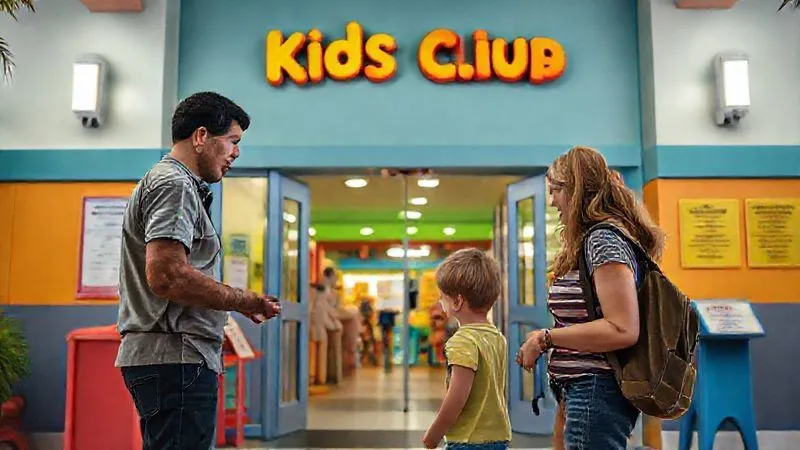
The kids' club is often where children spend the most unsupervised time. It's crucial to understand their operational safety. In my experience, these are key questions:
- Check-In/Check-Out Procedures: Are these strict, requiring parent ID and a unique child pickup code?
- Staff-to-Child Ratios: Are these appropriate for different age groups, often mandated by local regulations? (e.g., 1:4 for infants, 1:8 for toddlers, 1:12 for older children).
- Activity Supervision: Are all activities, especially off-site excursions, fully supervised?
- Facility Security: Are kids' club areas secure, with controlled entry/exit points and no blind spots for supervision?
- Communication: How do they contact parents in an emergency? Do they provide pagers or direct lines?
Food Allergies & Health Protocols: A Parent's Primary Concern
For many families, especially those with children with allergies, health protocols are just as critical as physical security. A resort's approach to food allergies, medical emergencies, and general hygiene speaks volumes about its overall commitment to guest well-being. I've personally seen vacations ruined, and even lives endangered, due to inadequate allergy protocols.
Allergy Management: Beyond the Buffet Tag
A simple 'contains nuts' label isn't enough. Demand more. Ask:
- Dedicated Allergy Coordinator: Is there a specific staff member (e.g., a chef or F&B manager) responsible for handling allergy requests?
- Kitchen Procedures: Do they have separate prep areas or protocols to prevent cross-contamination for severe allergies?
- Menu Transparency: Can you access detailed ingredient lists for all dishes?
- Staff Training: Are serving staff and chefs trained on allergy awareness and emergency response (e.g., EpiPen administration)?
- Pre-Arrival Communication: Can you discuss your child's allergies with the resort's culinary team before your arrival?
Good resorts will treat allergies with the utmost seriousness, understanding the life-threatening implications. They should be proactive and communicative.
General Health & Hygiene Standards
Beyond allergies, consider the resort's overall health environment:
- Sanitation: How often are common areas, especially kids' clubs and play equipment, cleaned and sanitized?
- Medical Facilities: Is there an on-site nurse or doctor? What is the proximity to the nearest hospital?
- Illness Protocols: What is their policy for children who become ill (e.g., isolation, doctor's visit)?

Digital Verification: Leveraging Technology & Reviews
In the digital age, much of your initial verification can happen before you even pick up the phone. Online resources offer a wealth of information, but it requires a discerning eye to separate genuine insights from noise. This is where your SEO expert hat comes on, but for travel safety.
Deep Dive into Online Reviews & Forums
Don't just skim the star ratings. Look for specific keywords in reviews:
- "safety concerns," "lifeguard," "kids club staff," "lost child," "food allergy," "security."
- Pay close attention to responses from management. Do they address safety concerns directly and professionally, or are they dismissive?
- Look at independent travel forums and Facebook groups dedicated to family travel. Real parents share real experiences there.
Remember, a single negative review isn't always indicative of a systemic problem, but a pattern of similar complaints, especially concerning safety, should be a major red flag.
Official Websites & Accreditations
A resort's own website should be a source of clear safety information. Look for dedicated sections on child safety, health protocols, or responsible tourism. Also, check for any accreditations from reputable safety organizations. While these aren't always definitive, they show a commitment to external validation. For instance, some resorts might be certified by international safety standards organizations, or have partnerships with reputable childcare providers.
On-Site Inspection: Your Personal Audit Checklist
Once you arrive, your role as a safety auditor doesn't end. This is your chance to verify everything you've researched. I always advise families to take a 'safety walk-through' shortly after checking in. It's not about being paranoid; it's about being proactive and ensuring peace of mind.
- Observe Staff Interactions: Watch how staff interact with children in the kids' club and common areas. Are they engaged, attentive, and professional?
- Check Security Features: Verify pool gate latches, room door locks, and balcony railings. Are they in good repair and functional?
- Emergency Exits & Signage: Locate emergency exits, assembly points, and medical stations. Are they clearly marked and unobstructed?
- Playground Equipment: Inspect playgrounds for wear and tear, pinch points, or unsafe surfaces.
- Ask Questions In-Person: Don't hesitate to ask resort staff (e.g., kids' club manager, head chef) specific questions about their protocols. Their demeanor and detailed answers will tell you a lot.
Case Study: The Smith Family's Proactive Approach
Case Study: The Smith Family's Proactive Approach
The Smith family, avid travelers with two young children, were planning a trip to a highly-rated all-inclusive resort. Despite glowing online reviews, Mrs. Smith, guided by the principles I've outlined, felt compelled to verify safety protocols. Before booking, she emailed the resort's guest relations, specifically inquiring about staff background checks, allergy protocols for their son's severe peanut allergy, and pool supervision ratios. The resort's detailed and confident response, including a direct contact for the head chef, immediately built trust.
Upon arrival, Mr. Smith conducted a discreet walk-through, checking pool gate latches and observing lifeguard attentiveness. He then visited the kids' club, speaking with the manager about emergency procedures and staff-to-child ratios, which were clearly posted. This proactive approach, while taking a little extra effort, allowed the Smiths to truly relax and enjoy their vacation, confident that they had done their due diligence. Their children had a fantastic time, and the parents experienced genuine peace of mind, knowing their initial verification had paid off.
[{"Safety Aspect": "Staff Vetting", "Pre-Arrival Check": "Email inquiry about background checks & training", "On-Site Check": "Observe staff interaction, ask kids' club manager directly"},{"Safety Aspect": "Pool Safety", "Pre-Arrival Check": "Check website for lifeguard certifications, ratios", "On-Site Check": "Verify gate latches, observe lifeguard attentiveness, check equipment"},{"Safety Aspect": "Food Allergies", "Pre-Arrival Check": "Communicate allergies, ask about kitchen protocols", "On-Site Check": "Speak with chef, verify meal preparation, observe buffet labeling"},{"Safety Aspect": "Facility Security", "Pre-Arrival Check": "Review photos for fencing, access control", "On-Site Check": "Test room locks, check balcony railings, observe entrance security"}]Empowering Your Children: Teaching Personal Safety
While the resort has a primary responsibility for safety, empowering your children with basic personal safety knowledge is an invaluable layer of protection. This isn't about instilling fear, but about fostering awareness and confidence. In my years, I've seen that educated children are often the safest.
- The "Buddy System": Teach them to always stay with a sibling or friend, especially in crowded areas.
- "Safe Strangers": Identify uniform-wearing staff members (e.g., reception, kids' club, security) as people they can approach if they get lost or need help.
- "No-Go Zones": Establish clear boundaries – certain areas of the resort (e.g., staff-only areas, unsupervised zones) are off-limits.
- "Tell a Trusted Adult": Teach them the importance of immediately telling you or another trusted adult if something makes them feel uncomfortable or unsafe.
- Practice Your Name & Contact Info: For younger children, ensure they know their full name and your first name. For older children, ensure they know your phone number.
These simple conversations can make a significant difference in an unexpected situation. They give children agency and a sense of control, which is incredibly empowering.
Frequently Asked Questions (FAQ)
Question? What if the resort's answers to my safety questions seem vague or evasive?
Detailed answer: This is a significant red flag. A reputable resort with strong safety protocols will be transparent and confident in their answers. Vague responses often indicate either a lack of clear protocols or an unwillingness to share them. In such cases, I would strongly advise reconsidering that resort or seeking further clarification. If they still can't provide satisfactory details, it's better to choose a different option where transparency is evident.
Question? Are smaller, boutique family resorts generally safer or less safe than large chains?
Detailed answer: It's not about size, but about commitment. Large chains often have standardized corporate safety policies, which can be a good baseline. However, smaller resorts, especially those family-owned, can sometimes offer more personalized attention and oversight. Conversely, some small resorts might lack the resources for comprehensive training or advanced security systems. Always apply the same rigorous verification steps regardless of resort size. Don't assume one is inherently safer than the other.
Question? How can I involve my children in the safety discussion without scaring them?
Detailed answer: Frame it positively as 'staying smart and strong' or 'being a safety superhero.' Use age-appropriate language and focus on empowering them with knowledge rather than instilling fear. Role-playing scenarios, like what to do if they get lost, can be effective. Emphasize that these are tools to help them have even more fun, because being safe means they can play without worry.
Question? Should I trust third-party certifications or awards for resort safety?
Detailed answer: Third-party certifications can be a valuable indicator, but they shouldn't be your only source of verification. Research the certifying body to ensure its credibility and rigor. Some awards are based on guest satisfaction, which doesn't directly measure safety protocols. Use them as a starting point for your own deeper investigation, but always combine them with your direct inquiries and on-site observations.
Question? What's the most important thing to look for when choosing a kids' club?
Detailed answer: While activities are fun, the most important aspect is the staff-to-child ratio and the check-in/check-out security procedures. A low ratio ensures adequate supervision, and strict security prevents unauthorized individuals from interacting with your child. Also, observe the staff's engagement and demeanor. Are they genuinely interacting with the children, or just supervising passively? This indicates the quality of care.
Key Takeaways and Final Thoughts
- Prioritize Transparency: A resort's willingness to openly discuss its safety protocols is a key indicator of its commitment.
- Vet the Staff: Background checks, training in first aid, and appropriate staff-to-child ratios are non-negotiable.
- Inspect the Environment: From perimeter security to pool fencing and room locks, physical safety features must be robust and well-maintained.
- Address Health Needs: Proactive and clear allergy management and general hygiene standards are crucial for peace of mind.
- Leverage All Resources: Combine online research, direct inquiries, and on-site observations for a comprehensive safety audit.
- Empower Your Children: Teach them basic personal safety rules to enhance their protection and confidence.
Navigating the world of family travel requires more than just booking a pretty package; it demands an active role in ensuring your children's safety. By adopting these expert-driven strategies on how to verify true child safety protocols at family resorts, you transform from a passive consumer into an empowered advocate. Your peace of mind is priceless, and a truly safe vacation is the only kind worth having. Go forth, explore, and create beautiful family memories, knowing you've done everything to keep your little ones secure.
Recommended Reading
- Ultimate Guide: Creating a Sensory Friendly Travel Essentials Kit
- Cozy Cabin Glamping: Your Ultimate Cold Weather Escape Guide
- Crafting Road Trip Playlists: Match Your Journey's Vibe, Every Time
- Unveiling the Journey: What to Expect from Your Spiritual Adventure Pilgrimage
- Igloo Stays for Winter Sports Fans: The Ultimate Guide to Your Snowy Adventure


Your email address will not be published. Required fields are marked *