

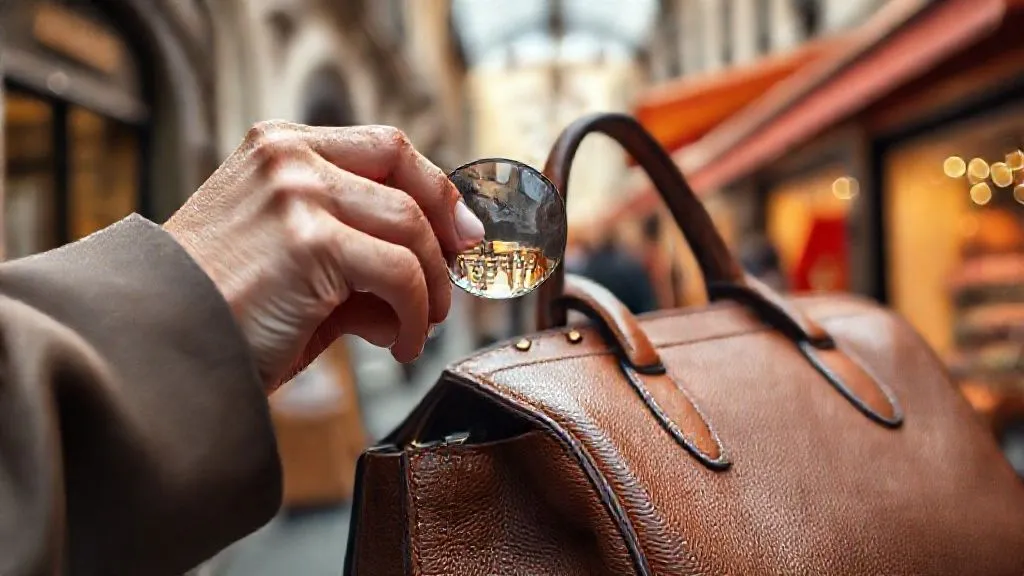
How to Avoid Counterfeit Luxury Goods When Shopping Abroad?
For over two decades in the luxury travel sector, I've witnessed firsthand the thrill of discovering unique treasures abroad. But I've also seen the devastating disappointment when that 'bargain' designer bag or exquisite watch turns out to be a cleverly disguised fake. It's a gut-wrenching experience that transcends mere financial loss; it erodes trust and leaves a bitter taste in what should have been a joyous memory.
The problem is more pervasive and sophisticated than many realize. The global counterfeit market is a multi-billion dollar industry, flooding popular tourist destinations with remarkably convincing replicas. The excitement of travel, the allure of a perceived discount, and unfamiliarity with local shopping norms can make even the most cautious buyer vulnerable.
This definitive guide isn't just about identifying a fake; it's about empowering you with the expert strategies, frameworks, and insights I've honed over years of navigating the world of high-end goods. You'll learn not just what to look for, but how to cultivate a discerning eye and a confident approach to ensure your luxury purchases abroad are always genuine and truly worth their investment.
The Lure of Luxury Abroad: Understanding the Counterfeit Landscape
The romance of international travel often intertwines with the desire to bring home something special – a piece of luxury that encapsulates the memory of the journey. Whether it's a handbag from Paris, a watch from Switzerland, or jewelry from Rome, these items become cherished souvenirs. However, this very aspiration makes travelers prime targets for counterfeiters.
Why Travelers Are Prime Targets
- Unfamiliarity with Local Markets: Visitors often don't know the reputable retailers or the tell-tale signs of legitimate vs. illicit trade in a foreign city.
- Perceived Bargains: The notion that luxury goods might be cheaper abroad, especially in certain regions, can lead to a false sense of security about deep discounts.
- Cultural Differences & Pressure: Haggling cultures or aggressive sales tactics can push buyers into hasty decisions without proper scrutiny.
- Limited Recourse: Once you've left the country, seeking a refund or legal action for a counterfeit item becomes incredibly difficult, if not impossible.
The Sophistication of Modern Fakes
Gone are the days when counterfeit items were easily identifiable by their shoddy craftsmanship and glaring errors. Today's replicas are produced with alarming precision, often mimicking genuine materials, packaging, and even authenticity cards. These operations are highly organized, leveraging advanced manufacturing techniques and understanding brand details down to the millimeter.
"The counterfeit industry has evolved from crude imitations to highly sophisticated 'super fakes' that require an expert eye to distinguish. Never underestimate their ability to deceive."
They often exploit weaknesses in global supply chains, making it challenging for even brands themselves to track every fake. This makes your personal vigilance the most critical line of defense.
Foundational Pillar 1: Research Before You Reach (The Pre-Trip Prep)
The most effective defense against counterfeit luxury goods begins long before you step onto foreign soil. Thorough pre-trip research is your armor, equipping you with the knowledge to make informed decisions and avoid impulse buys that often lead to regret.

Know Your Brand's Authenticity Markers
Every luxury brand has a unique set of identifiers that distinguish its genuine products. Becoming intimately familiar with these before you travel is paramount.
- Examine Official Website Details: Spend time on the brand's official global website. Look for specific details regarding stitching patterns, hardware finishes, fonts used in logos, and the placement of serial numbers or date codes. For example, some brands have specific thread counts or unique hardware engravings.
- Study Packaging and Documentation: Genuine luxury items come with specific packaging – dust bags, boxes, authenticity cards, and care booklets. Note the quality of these accessories, the printing, and any security features on cards. Fakes often fall short here, with flimsy materials or blurry printing.
- Understand Material Quality and Weight: Research the types of leather, metals, and fabrics a brand typically uses. Genuine luxury materials have a distinct feel, smell, and weight. For instance, authentic Louis Vuitton canvas has a specific texture, and Hermès leather has a unique grain.
"Authenticity isn't just about the product; it's about the entire experience, from the packaging to the precise details only a true artisan would craft."
Identify Authorized Retailers & Boutiques
The safest way to guarantee authenticity is to purchase directly from the brand's official boutique or an authorized dealer. This eliminates almost all risk of encountering a fake.
- Check Brand's Global Store Locator: Most major luxury brands have a 'Store Locator' feature on their official websites. Use this to find the exact addresses of their authorized boutiques in your destination city.
- Avoid Unofficial Markets and Street Vendors: While tempting, street markets, independent kiosks, or small, non-descript shops are high-risk environments for counterfeit goods. The probability of finding a genuine luxury item at a significantly reduced price in such a setting is virtually zero.
- Be Wary of 'Pop-Up' Shops: Unless explicitly endorsed by the brand on their official channels, be extremely cautious of temporary or pop-up luxury stores, especially if they are offering steep discounts.
Always remember that the convenience of a quick purchase from an unauthorized seller rarely outweighs the potential heartache and financial loss of buying a fake. For an example of how a major brand guides its customers, explore resources like Louis Vuitton's stance on authenticity (or similar official brand pages if available).
Foundational Pillar 2: The Art of In-Store Scrutiny (On-Site Verification)
Once you are in a potential purchasing environment, whether it's an authorized boutique or a reputable consignment store, your senses become your most powerful tools. This is where your pre-trip research translates into practical, on-the-spot verification skills.
Engage Your Senses: Touch, Sight, Smell
Luxury items are crafted with meticulous attention to detail and premium materials. Counterfeiters often struggle to replicate this multi-sensory experience.
- Touch: Feel the material. Is the leather supple, smooth, or has a distinct grain? Does hardware feel solid and weighty, or light and cheap? Authentic zippers glide smoothly, and clasps snap securely.
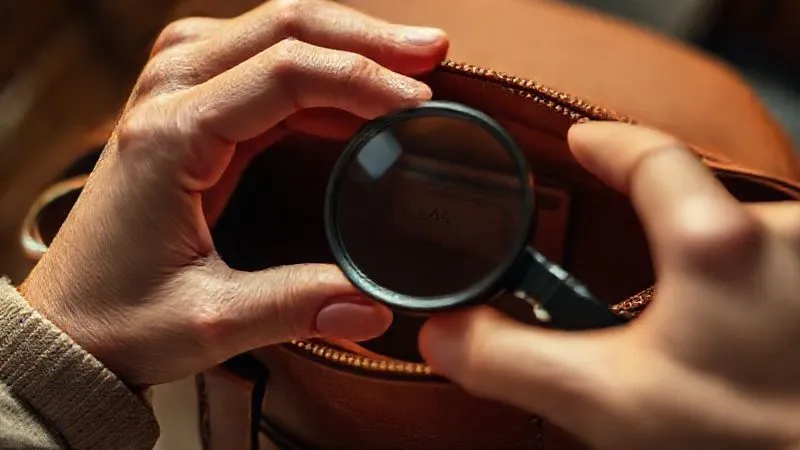
- Sight: Scrutinize every detail. Are logos perfectly centered and symmetrical? Is stitching even, tight, and free of loose threads? Examine serial numbers or date codes for clarity and correct formatting. Check for misspellings on labels or packaging.
- Smell: Genuine leather has a distinct, rich aroma, not a chemical or plastic smell. Fabrics should smell clean and fresh, not musty or artificial.
Understanding genuine leather can be particularly tricky, as many fakes use synthetic alternatives. Learn more about identifying real leather from reputable sources like The Art of Manliness guide on identifying genuine leather.
The Power of the Serial Number & Date Code
Most luxury brands incorporate unique identifiers into their products. These can be serial numbers, date codes, or microchips.
- What to Look For: Locate these codes, which are often discreetly placed (inside pockets, behind tags, on hardware). Compare their format, font, and placement with your pre-researched information.
- Verification: While brands rarely offer public databases for serial number verification, certain luxury authentication services or highly specialized online forums can help. Use caution and cross-reference information from multiple reliable sources if attempting to verify independently.
"A serial number is more than just a sequence of digits; it's the product's DNA. Any discrepancy in its format or existence is an immediate red flag."
Examine Packaging & Documentation
The 'extras' that come with a luxury item are often overlooked but can be crucial indicators of authenticity. Counterfeiters frequently cut corners here.
- Authenticity Cards: Check for high-quality printing, correct fonts, and any security features (holograms, unique serials). Compare the card's details against the item itself.
- Receipts: Always insist on a detailed, official receipt. It should include the store's name and address, date of purchase, item description, and price. A generic or handwritten receipt is a major warning sign.
- Dust Bags & Boxes: Genuine dust bags are typically made of soft, high-quality fabric, with well-printed logos. Boxes should be sturdy, well-constructed, and bear correct branding.
Foundational Pillar 3: Transactional Vigilance (The Purchase Protocol)
The moment of purchase is not just about handing over money; it's a critical step where you can further protect yourself. How you pay and what documentation you receive can be your strongest allies if a problem arises.
Payment Methods: Prefer Credit Cards for Protection
Always opt to pay with a credit card when making significant luxury purchases abroad.
- Chargeback Rights: Credit card companies often provide purchase protection, including the ability to dispute charges (initiate a 'chargeback') if you receive a counterfeit item or a product significantly different from what was advertised. This is a powerful safeguard that cash payments do not offer.
- Proof of Transaction: A credit card statement provides an undeniable record of your purchase, including the date, amount, and merchant.
Insist on a Detailed Receipt
As mentioned earlier, a proper receipt is non-negotiable. It serves as your primary proof of purchase and a crucial piece of evidence if you need to dispute the authenticity of an item.
- What to Verify: Ensure the receipt includes the full legal name and address of the store, the date and time of purchase, a clear and accurate description of the item (including model number, color, and any unique identifiers), and the exact price paid.
- Avoid Ambiguity: Be wary of receipts that are handwritten, overly simplistic, or lack specific item details.
The "Too Good to Be True" Alarm
This is perhaps the simplest yet most overlooked piece of advice. Luxury brands maintain strict pricing structures globally. While minor price variations exist due to taxes or currency exchange, a drastic discount is almost always a red flag.
"If a luxury item, especially a sought-after model, is being offered at a discount that seems unbelievably generous, it almost certainly is. True luxury rarely goes on sale at steep prices outside of official, well-advertised events."
Do your research on typical prices for the item you're interested in before you travel. This will give you a realistic benchmark.
Case Study: Maria's Parisian Scarf Saga
Maria, a seasoned traveler, was enchanted by a small, charming boutique tucked away on a side street in Paris, far from the flagship stores. Inside, she found a beautiful silk scarf, purportedly from a well-known French luxury brand, offered at 40% off its usual retail price. The sales assistant was incredibly persuasive, citing a 'special local sale.' Enticed by the allure of a genuine bargain in the heart of fashion, Maria made the purchase, paying in cash.
Back home, a friend, a connoisseur of the brand, noticed subtle discrepancies: the silk felt slightly off, the hand-rolled edges weren't as perfectly uniform, and the brand tag's font was marginally different. A visit to an official boutique confirmed her fears – the scarf was a sophisticated replica. Maria had no official receipt, no credit card trail, and no recourse. The 'bargain' turned into a costly lesson, reminding her that even in the most romantic settings, vigilance is key.
Beyond the Purchase: Post-Travel Authentication & Recourse
Even with the most careful in-store scrutiny, doubts can sometimes linger. Fortunately, there are avenues for post-purchase verification and, in unfortunate circumstances, potential recourse.
Independent Authentication Services
If you have any lingering concerns about an item's authenticity, or simply want peace of mind, consider utilizing professional authentication services. These third-party experts use advanced technology and deep brand knowledge to verify luxury goods.
- How They Work: Services like Entrupy or Real Authentication use AI, microscopy, and expert human review to analyze materials, stitching, hardware, and unique identifiers. You typically submit high-resolution photos, or in some cases, the item itself.
- Certification: Upon successful authentication, they often provide a certificate of authenticity, which can be valuable for insurance or resale purposes.
For more information on professional authentication, you can explore services like Entrupy, a leading provider of AI-powered authentication solutions.
Understanding Customs Regulations & Legal Ramifications
It's crucial to understand that bringing counterfeit goods into your home country, even for personal use, can have serious consequences.
- Seizure and Fines: Customs officials are trained to spot fakes. If a counterfeit item is discovered, it will likely be seized and destroyed. In some countries, you could face significant fines or even legal charges, depending on the item's value and quantity.
- No Recourse: There is generally no legal recourse for seized counterfeit items. You lose both the item and the money you paid.
"The perceived 'deal' of a counterfeit item can quickly turn into a legal and financial nightmare at customs. It's simply not worth the risk."

Comparing Authentication Methods
| Method | Pros | Cons |
|---|---|---|
| DIY In-Store Scrutiny | Immediate, no cost, empowers buyer | Requires significant pre-research, prone to human error, limited tools |
| Professional Authentication Service | Highly accurate, expert opinion, provides certification, post-purchase peace of mind | Incurs a fee, requires shipping/sending photos, not immediate |
| Official Brand Boutique Verification | Undeniable authority, direct access to brand experts | Not all brands offer this service for items not bought directly, might be perceived as inconvenient |
Data & Trends: The Global Counterfeit Market
To truly understand the importance of avoiding counterfeit luxury goods, it's vital to grasp the immense scale and implications of this illicit trade. It's not just about individual disappointment; it's a global economic and ethical challenge.
The Economic Impact of Fakes
The counterfeit industry is a colossal shadow economy. According to a 2019 report by the Organisation for Economic Co-operation and Development (OECD) and the European Union Intellectual Property Office (EUIPO), trade in counterfeit and pirated goods amounted to 3.3% of world trade, totaling €460 billion (US$509 billion). This figure represents a staggering loss for legitimate businesses, governments (due to lost tax revenue), and consumers.
This illicit trade also has serious implications beyond economics, often funding organized crime, child labor, and unsafe working conditions. When you inadvertently purchase a counterfeit, you are, however indirectly, contributing to these harmful practices. For more detailed insights, refer to the OECD's report on the trade in fake goods.
Emerging Technologies in Authentication
The fight against counterfeiting is constantly evolving, with brands and tech companies developing innovative solutions:
- Blockchain Technology: Some luxury brands are exploring blockchain to create immutable digital records for each product, tracking its journey from creation to sale, providing transparent proof of origin and authenticity.
- NFC/RFID Tags: Near Field Communication (NFC) or Radio-Frequency Identification (RFID) tags embedded in products allow consumers to scan an item with their smartphone to verify its authenticity via a secure app.
- Micro-Engravings and Holograms: Continuously evolving security features are being integrated into products and packaging to make replication even harder.
Key Differences: Genuine vs. Common Counterfeit Characteristics
| Feature | Genuine | Counterfeit |
|---|---|---|
| Stitching | Even, tight, consistent thread count, no loose ends | Uneven, loose, inconsistent, visible knots, frayed edges |
| Hardware | Heavy, solid, polished, precisely engraved logos, smooth zippers | Light, hollow, discolored, crude or misaligned logos, sticky/rough zippers |
| Materials (e.g., Leather) | Premium feel, distinct natural aroma, ages gracefully, consistent grain | Stiff, plastic-like smell, peels or cracks easily, unnatural texture/sheen |
| Branding/Logos | Perfectly symmetrical, correct font and spacing, sharp edges | Asymmetrical, incorrect font, blurry or smudged, off-center |
| Serial/Date Codes | Correct format, clear engraving/stamping, specific placement | Incorrect format, blurry, missing, or in the wrong location |
Frequently Asked Questions (FAQ)
Can I trust duty-free shops for luxury goods? Generally, yes. Duty-free shops, especially in major international airports, are usually authorized retailers and a safe bet for genuine luxury goods. However, always exercise the same scrutiny you would elsewhere. Check their official status with the brand if you're unsure.
What if I accidentally buy a fake? What are my options? Your options are often limited, especially if you paid cash or bought from an unauthorized seller. If you paid by credit card, immediately contact your bank to initiate a chargeback, providing all available evidence (photos, communication, the item itself). You can also report the incident to local consumer protection agencies, though enforcement across borders is challenging. Professional authentication services can provide an official document confirming the item is fake, which might aid your case.
Are all luxury items sold in street markets fake? While it's not a 100% guarantee that every single item is fake, the overwhelming majority of luxury goods sold in street markets or by street vendors are indeed counterfeit. These environments are high-risk. True luxury brands rarely, if ever, distribute their products through such channels.
How do I handle pressure from sellers in tourist traps? Maintain your composure and politely but firmly decline. Remember, you are in control of your purchase. If a seller is overly aggressive or attempts to rush you, it's often a tactic to prevent thorough inspection. Simply state 'No, thank you' and walk away. Your peace of mind and financial security are more important than a fleeting interaction.
Is it illegal to buy counterfeit goods for personal use? The legality varies significantly by country. In many nations, purchasing counterfeit goods for personal use is not explicitly illegal, but importing them (bringing them across borders) often is. Customs can seize and destroy them. The production and sale of counterfeits are almost universally illegal. It's always best to avoid them entirely to prevent any legal complications or financial loss. For specific legal advice, consult resources on intellectual property law, such as this World Intellectual Property Organization (WIPO) portal.
Key Takeaways and Final Thoughts
Navigating the world of luxury shopping abroad can be an incredibly rewarding experience, but it demands an informed and vigilant approach. The thrill of discovering a unique piece should never be overshadowed by the anxiety of potential deception. By adopting the strategies outlined in this guide, you transform from a susceptible tourist into a discerning connoisseur.
- Research is Your Foundation: Know the brand, its markers, and authorized retailers before you travel.
- Scrutinize with Confidence: Use your senses to examine every detail – touch, sight, and even smell – checking for authenticity markers, serial numbers, and quality.
- Protect Your Transaction: Pay with a credit card, insist on a detailed receipt, and trust your instincts if a deal seems 'too good to be true.'
- Leverage External Expertise: Don't hesitate to use professional authentication services for peace of mind.
- Understand the Risks: Be aware of the legal and financial ramifications of engaging with counterfeit goods.
Ultimately, how to avoid counterfeit luxury goods when shopping abroad boils down to empowering yourself with knowledge and exercising informed caution. Embrace the journey of discovery, but always prioritize authenticity. Your luxury purchases should be a source of joy and lasting value, not regret. Shop smart, travel well, and cherish the genuine treasures you bring home.
Recommended Reading
- 7 Steps: Master Complex Dietary Needs at Michelin Star Restaurants Globally
- How to Find Truly Secluded Beaches When Vacation Time is Scarce: 7 Expert Tactics
- Child Lost Abroad? 7 Immediate Steps for Foreign Family Destinations
- 7 Ways to Maximize Urban Park Visits on Short City Breaks
- Top 5 Luxury Cruise Lines for Corporate Retreats with Stellar Wi-Fi?





Your email address will not be published. Required fields are marked *