

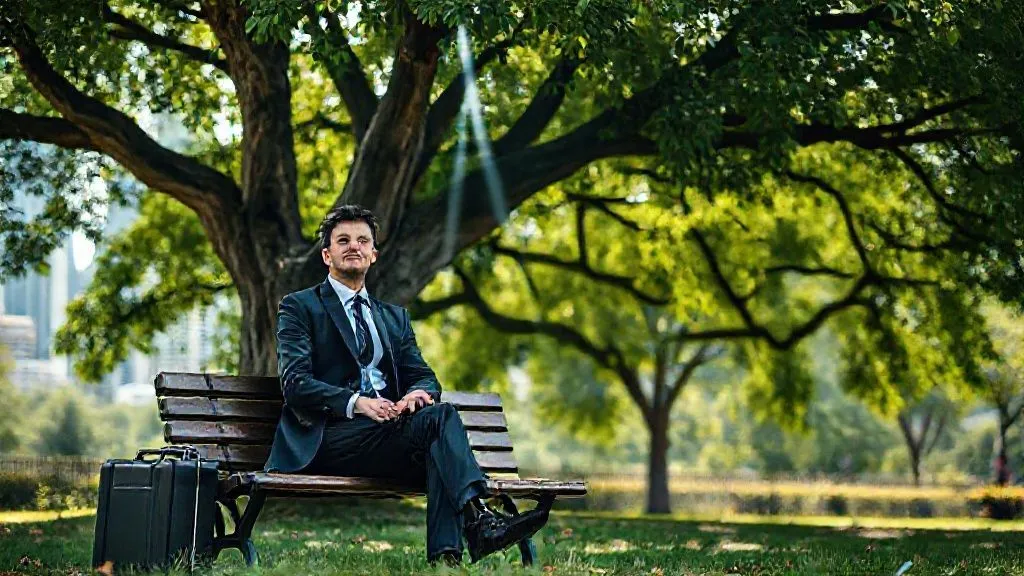
Quickest urban park escape to combat business travel burnout?
For over two decades navigating the intricate world of travel, especially the relentless pace of city breaks, I've witnessed a pervasive and often unacknowledged problem: business travel burnout. It’s a silent drain, slowly eroding the enthusiasm and efficacy of even the most seasoned professionals. I've seen countless bright individuals, once invigorated by new cities, reduced to weary shadows, their productivity plummeting and their well-being compromised.
The problem isn't just the long flights or the back-to-back meetings; it's the constant stimulation, the lack of routine, and the profound disconnection from the natural world. Urban environments, while exciting, can be incredibly taxing on our nervous systems. The concrete jungles, the incessant noise, and the perpetual rush leave little room for true mental decompression, leading to exhaustion, anxiety, and a feeling of being perpetually 'on'.
But what if the antidote to this modern malaise isn't a costly retreat or an extended vacation, but something far more accessible, often just a stone's throw away? In this definitive guide, I'll share my expert insights and actionable frameworks to leverage the power of urban parks for a quick, potent escape. You'll learn how to identify, utilize, and integrate these green oases into your busiest itineraries, providing the quickest urban park escape to combat business travel burnout effectively and sustainably.
The Silent Epidemic: Understanding Business Travel Burnout
Business travel, while offering incredible opportunities, often comes with a hidden cost: burnout. The demands are relentless – early morning flights, late-night dinners, endless presentations, and the constant pressure to perform in unfamiliar settings. This perpetual state of flux, combined with sleep deprivation and a disrupted diet, creates a perfect storm for mental and physical exhaustion. I've seen this pattern countless times, where the initial excitement of travel gives way to profound weariness.
The physiological impact is significant: elevated cortisol levels, disrupted circadian rhythms, and chronic fatigue. Psychologically, travelers often experience increased irritability, difficulty concentrating, feelings of isolation, and a diminished sense of accomplishment. The very reason we travel – to connect, to innovate, to grow – becomes overshadowed by the sheer effort of staying afloat. Traditional coping mechanisms, like hitting the hotel gym or unwinding with a movie, often fall short because they don't address the fundamental need for mental restoration and a break from the urban sensory overload.
It's not merely about feeling tired; it's about a deep-seated depletion that impacts decision-making, creativity, and overall job satisfaction. Recognizing the symptoms early is crucial, but more importantly, having a readily available, effective countermeasure is paramount. This is where the often-overlooked urban park becomes an invaluable asset for the discerning business traveler.

Why Urban Parks Are Your Secret Weapon Against Burnout
In our increasingly urbanized world, the concept of 'nature deficit disorder' is more relevant than ever for business travelers. We are hardwired for connection with nature, and its absence can manifest as stress and fatigue. Urban parks, even small ones, offer a critical lifeline to this innate need, providing a potent and immediate remedy for the strains of city life and the quickest urban park escape to combat business travel burnout.
Scientific research overwhelmingly supports the benefits of green spaces. According to a landmark study published in Environmental Science & Technology, even short exposures to natural environments can significantly reduce cortisol levels, improve mood, and enhance cognitive function. Walking through a park has been shown to decrease rumination – the repetitive negative thought patterns often associated with anxiety and depression. It's not just about fresh air; it's about the unique sensory experience: the rustling leaves, the birdsong, the calming greens, and the absence of constant artificial stimuli that allow our brains to genuinely reset.
The beauty of urban parks lies in their accessibility and speed. Unlike a weekend getaway or a lengthy retreat, a park escape can be woven into the fabric of a busy day, requiring minimal time and effort. They are democratic spaces, free to access, and offer a stark contrast to the sterile environments of hotels and conference rooms. This rapid shift in environment is precisely what makes them such a powerful tool for immediate stress reduction and mental clarity, making them the quickest urban park escape to combat business travel burnout.
"In my two decades navigating city breaks, I've learned that true rejuvenation isn't always found on a remote beach. Often, it's just a few blocks away, nestled in an urban oasis. These green spaces are not luxuries; they are necessities for sustained performance."
Mastering the Art of the "Micro-Escape": Finding Your Urban Sanctuary
The key to leveraging urban parks effectively is to master the 'micro-escape' – short, intentional breaks that provide maximum restorative benefit. This isn't about aimless wandering; it's about strategic planning and mindful engagement. As an expert who has guided countless professionals through this, I can tell you that a little preparation goes a long way in turning a potential stress point into a moment of peace.
The first step is proactive identification. Before you even arrive in a city, use digital tools. Google Maps, local tourism apps, and even hotel concierge services can highlight nearby green spaces. Don't just look for large, famous parks; sometimes the most impactful escapes are the smaller, less crowded botanical gardens, public squares with mature trees, or riverside promenades. Pay attention to features like water bodies, dense foliage, and quiet zones within the park itself, as these amplify the calming effect.
Once on the ground, don't be afraid to ask for local recommendations. Hotel staff, taxi drivers, or local colleagues often know hidden gems that aren't on tourist maps. These local insights can lead you to truly authentic and tranquil spots, offering a more profound sense of escape than a crowded, well-known landmark. Remember, the goal is tranquility and a quick mental reset, not necessarily sightseeing.
- Pre-Trip Reconnaissance: Before you even pack, use Google Maps or local tourism apps to pinpoint parks near your hotel or meeting venues. Look for green patches that aren't just concrete plazas, but actual green spaces with trees and vegetation.
- Leverage Local Knowledge: Ask hotel staff, taxi drivers, or local colleagues for their favorite hidden gems. They often know the best, less crowded spots for a genuine escape.
- Seek Out Water Features: Ponds, fountains, or small streams amplify the calming effect of nature and can provide a focal point for mindful observation.
- Prioritize Accessibility: Choose parks within a 5-10 minute walk or a quick, direct transit ride. The 'quickest' part is crucial; you want minimal effort to reach your sanctuary.
- Utilize Satellite View: On mapping apps, switch to satellite view to gauge the density of trees and the presence of paths, helping you visualize the potential for a peaceful retreat.
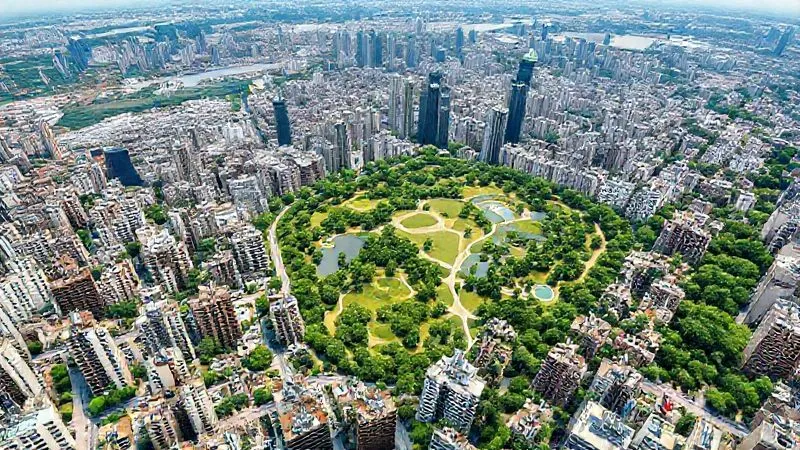
Case Study: Sarah's Central Park Reset
Sarah, a high-flying sales director for a global tech firm, found herself overwhelmed during a demanding week of client meetings in New York City. Her schedule was packed from 7 AM to 9 PM, leaving her feeling constantly wired and on the verge of exhaustion. Exhausted and mentally drained by Wednesday, she remembered my advice about micro-escapes. Instead of another rushed coffee break or checking emails in her hotel room, she carved out 45 minutes to walk to Central Park, just a few blocks from her Midtown hotel. She found a quiet bench by The Pond, put her phone on silent, and simply observed the ducks, the trees, and the gentle ripple of the water. This short, intentional escape, repeated over three days during her lunch hour, significantly reduced her stress, improved her focus for afternoon meetings, and prevented the usual end-of-trip burnout. She returned home feeling refreshed, not depleted, a testament to the power of the quickest urban park escape to combat business travel burnout.
Your 15-Minute Park Prescription: Maximizing Short Bursts of Nature
Once you've found your urban sanctuary, the next step is to maximize its restorative power, even within a tight schedule. The goal isn't to spend hours, but to engage meaningfully for a short, concentrated period. I've guided countless professionals to implement what I call the '15-Minute Park Prescription,' and its effectiveness in combating stress is remarkable.
The essence of this prescription lies in intentionality and sensory engagement. It's about shifting your focus from the internal chatter and external demands to the immediate, calming presence of nature. This isn't passive relaxation; it's an active mental reset that leverages our inherent connection to the natural world. Even just a few minutes of focused attention can alter your physiological state, lowering heart rate and promoting a sense of calm.
Remember, the quality of your engagement far outweighs the quantity of time spent. A fully present 15-minute break is infinitely more effective than an hour spent scrolling through your phone in a park. This is your personal oasis, a mini-retreat designed to recalibrate your mind and body amidst the chaos of business travel.
- Digital Detox: This is non-negotiable. Leave your phone in your bag or put it on airplane mode and out of sight. This is your time to disconnect completely from work and digital distractions.
- Intentional Breathing: Find a quiet spot, sit comfortably, and focus on deep, slow breaths. Inhale the fresh air, feeling your lungs expand, and exhale the tension and stress. Practice for 5-10 minutes.
- Engage Your Senses: Actively notice the sounds (birds chirping, rustling leaves, distant city hum), sights (colors of flowers, textures of bark, patterns in the clouds), and smells (fresh earth, blossoms, damp grass). What do you hear, see, and smell?
- Mindful Walking: If you choose to walk, pay attention to the sensation of your feet on the ground, the movement of your body, and the environment around you. Let your mind wander gently, observing without judgment.
- Mini-Meditation: Even 5-10 minutes of focused contemplation or a pre-downloaded guided meditation (if you must use your phone, ensure it's the only app open) can be incredibly restorative.
"The goal isn't to solve all your problems in 15 minutes, but to create a 'pattern interrupt' – a brief, powerful shift in your environment and mindset that breaks the cycle of stress and recharges your cognitive batteries."
According to Harvard Business Review, spending time in nature significantly improves mental well-being and reduces stress, directly impacting your ability to perform under pressure.
Beyond the Bench: Creative Ways to Utilize Urban Green Spaces
While a peaceful sit on a park bench is wonderfully restorative, urban parks offer a multitude of creative avenues for combating business travel burnout. Don't limit your imagination; these spaces are versatile, providing an adaptable backdrop for various forms of rejuvenation. I often advise my clients to think beyond passive observation and consider how they can actively engage with their green surroundings.
Consider transforming a routine activity into a park-based experience. Instead of a stuffy coffee meeting, suggest a 'walking meeting' through a park with a colleague. The fresh air and natural setting can foster more open communication and creative thinking. If you need to review documents or respond to less urgent emails, take your laptop (or better yet, a notepad) to a quiet park corner. The change of scenery can sharpen your focus and reduce screen fatigue.
For those needing a physical release, a park is an ideal spot for gentle stretching, a quick power walk, or even a few minutes of yoga. The soft ground and open space are far more inviting than a cramped hotel room or a busy gym. Remember, the goal is holistic well-being, and integrating physical movement with nature exposure amplifies the benefits.
| Activity | Benefit | Time Required |
|---|---|---|
| Mindful Walk | Cognitive restoration, stress reduction | 10-20 mins |
| Outdoor Reading/Journaling | Reflection, creative boost | 15-30 mins |
| Gentle Stretching/Yoga | Physical release, mental clarity | 10-15 mins |
| Observation/People Watching | Perspective shift, detachment | 5-15 mins |
| Walking Meeting | Enhanced creativity, better communication | 30-60 mins |
Forbes highlights how nature significantly boosts well-being and productivity, making these creative park uses not just breaks, but strategic investments in your performance.
Integrating Park Breaks into Your Business Travel Itinerary
The biggest challenge for busy professionals isn't recognizing the value of urban park escapes, but actually integrating them into a packed itinerary. I've found that successful integration hinges on treating these breaks not as optional luxuries, but as non-negotiable components of your strategic travel plan. Just as you wouldn't miss a critical client meeting, you shouldn't miss your opportunity for mental rejuvenation.
The first step is to be intentional with your schedule. Block out 15-30 minutes in your calendar, perhaps during a lunch break, before an important meeting, or as an evening wind-down. Label it clearly – 'Mental Reset' or 'Park Escape' – to reinforce its importance. Communicate this to your team if necessary, explaining that these brief periods of disconnection enhance your focus and productivity, ultimately benefiting everyone.
When booking hotels, consider proximity to quality green spaces as a key factor. A hotel that's a 2-minute walk from a beautiful park is often more valuable than one that's slightly cheaper but requires a lengthy commute to find any nature. This strategic planning turns a potential obstacle into an integrated solution, ensuring the quickest urban park escape to combat business travel burnout is always within reach.
- Schedule It: Just as you'd book a client meeting, block out 15-30 minutes for a park break in your calendar. Make it non-negotiable and protect this time fiercely.
- Strategic Location: Choose hotels or meeting venues that are within easy reach of a quality urban park. This becomes a key factor in your travel planning, not an afterthought.
- Lunchtime Leverage: Instead of a rushed desk lunch or a noisy restaurant, grab a light meal to go and head to the park. Eating outdoors in a natural setting is profoundly restorative.
- Pre-Meeting Reset: Arrive at your meeting location 30 minutes early and use the extra time for a quick park stroll nearby. It's an excellent way to clear your head, reduce pre-meeting jitters, and enhance focus.
- Evening Wind-Down: A short walk through a park before returning to your hotel can help you transition from work mode to relaxation, improving sleep quality and preparing you for the next day.

Overcoming Obstacles: Making Park Escapes a Reality
Despite the clear benefits, many business travelers find reasons why a park escape isn't feasible: 'no time,' 'bad weather,' 'safety concerns,' or 'it's just not practical.' As an expert, I've heard them all, and I can assure you that most obstacles are surmountable with a shift in mindset and a dash of resourcefulness. The biggest hurdle is often our own ingrained habits and the perception that taking a break is a sign of weakness or inefficiency.
For the 'no time' excuse, remember that even 5-10 minutes can make a difference. It's about micro-dosing nature. Can you spare the time you'd spend scrolling social media? Can you take a call while walking through a park instead of sitting in your hotel room? It's about reallocating existing time, not finding extra hours.
Bad weather doesn't always mean canceling. A light drizzle can be surprisingly refreshing if you're dressed appropriately. The sound of rain can be incredibly soothing. If the weather is truly prohibitive, seek out indoor botanical gardens, conservatories, or even a hotel lobby with ample natural light and plants. The principle of connecting with natural elements still applies.
"The biggest obstacle isn't the lack of parks; it's the mindset that you don't 'deserve' or 'have time' for a break. Reframe it as essential self-maintenance, critical for peak performance and sustained well-being."
Safety is a valid concern in unfamiliar cities. Always research park reputations, stick to well-trafficked areas during daylight hours, and trust your instincts. If a park feels unsafe, opt for a public square with trees, a university campus with green spaces, or a well-maintained urban garden. Prioritize your well-being, but also your security. The American Psychological Association emphasizes that proactive stress management, including connection with nature, is vital for long-term mental health.
Frequently Asked Questions (FAQ)
Question: What if there are no 'real' parks nearby, just small green patches or tree-lined streets? Answer: Even a small patch of grass, a single mature tree, or a street lined with greenery can offer micro-doses of nature. The key is intentional engagement – even 5 minutes of focused observation of a tree, feeling the breeze, or listening to birdsong can be beneficial. It's about finding *any* accessible green space and consciously interacting with it, rather than waiting for a grand park.
Question: Is it safe to be alone in urban parks, especially in unfamiliar cities? Answer: Safety is paramount. Always research park reputations, stick to well-trafficked areas during daylight hours, and trust your instincts. Avoid secluded paths, especially at dawn or dusk. If a park feels unsafe, opt for a public square with trees, a botanical garden with clear opening hours, or even a well-maintained hotel garden. Your well-being includes your security.
Question: How can I truly disconnect if I'm constantly checking emails on my phone? Answer: This requires discipline and intentionality. Start with short, phone-free intervals. Set a timer for 10-15 minutes where your phone is on silent, in your bag, or even back in your hotel room. Gradually increase this time. The goal is to break the habit of constant digital engagement, even for a brief period, allowing your mind to truly rest and observe.
Question: What if the weather is bad? Does it negate the benefits? Answer: Not necessarily. A light drizzle or cooler temperatures can still offer a refreshing experience, provided you're dressed appropriately. The sound of rain can be incredibly soothing and create a unique, calming atmosphere. However, prioritize safety in extreme weather conditions. In such cases, indoor botanical gardens, conservatories, or even a quiet cafe with large windows overlooking a green space can serve as excellent alternatives.
Question: How can I convince my company or colleagues that these breaks are productive, not just 'slacking off'? Answer: Frame it in terms of enhanced performance and well-being. Explain that short, restorative breaks in nature are scientifically proven to improve focus, creativity, decision-making, and reduce stress, ultimately leading to better business outcomes and sustained productivity. Share relevant data on the benefits of nature exposure for cognitive function. Leading by example, demonstrating your renewed energy, often works best.
Key Takeaways and Final Thoughts
Business travel, while rewarding, presents unique challenges to our mental and physical well-being, often leading to insidious burnout. As an industry veteran, I've seen firsthand the toll it takes, and I firmly believe that the solution often lies in plain sight, yet frequently overlooked: our urban parks. These green oases are not merely aesthetic additions to a city; they are vital tools for maintaining peak performance and personal resilience.
- Business travel burnout is a real threat to your well-being and long-term professional efficacy.
- Urban parks are highly accessible, potent antidotes for quick mental resets, offering the quickest urban park escape to combat business travel burnout.
- Proactive planning and intentional, sensory engagement maximize the benefits of even the shortest park escapes.
- Even 5-15 minutes of mindful time in nature can significantly reduce stress, improve focus, and boost creativity.
- Treat these breaks as non-negotiable investments in your personal and professional health, not as optional indulgences.
Embrace this simple, powerful strategy. Make it a deliberate part of your travel routine. By consciously carving out moments for nature, you're not just taking a break; you're actively investing in your capacity to thrive amidst the demands of modern business travel. Go forth, explore, and find your urban sanctuary – your mind and body will thank you for it. National Geographic emphasizes the critical link between urban nature and human health, reinforcing the profound impact these simple escapes can have.
Recommended Reading
- Navigating Activity Clashes: 7 Strategies for Multi-Gen Travel Harmony
- Youth Overseas Volunteering: 5 Ways to Ensure Real Impact, Not Voluntourism
- Beat Solo Travel Planning Paralysis: 5 Steps for Limited Time
- 5 Expert Strategies: Mitigating Luxury Overnight Train Disruptions
- 5 Proven Ways to Verify Farm-to-Table Authenticity for Food Travel





Your email address will not be published. Required fields are marked *