

How to Source Unique Spice Route Ingredients for My Menu?
For over two decades in the dynamic world of food travel and culinary development, I've witnessed firsthand the transformative power of authentic ingredients. I’ve journeyed through bustling souks, tranquil spice gardens, and remote villages, understanding that the true essence of a dish often lies in the provenance and purity of its spices. Many chefs aspire to create truly memorable menus, yet often hit a wall when trying to move beyond the usual suspects in the spice rack.
The common problem I observe is a reliance on generic, mass-produced spices that, while convenient, lack the distinctive character, complex flavor profiles, and compelling stories that define the historical spice routes. This can lead to menus that, despite technical skill, blend into the culinary landscape, failing to capture diners' imaginations or reflect a truly unique culinary vision. It's a missed opportunity to infuse your dishes with history, culture, and unparalleled taste.
This comprehensive guide is designed to be your expert compass, revealing a systematic, actionable framework to help you discover, vet, and integrate truly unique spice route ingredients into your menu. We'll delve into the nuances of direct sourcing, ethical considerations, and the logistical challenges, providing you with the insights and tools to not just find exotic spices, but to weave them into a narrative that elevates your entire dining experience. Prepare to embark on a culinary journey that will redefine your approach to flavor.
Understanding the Legacy: What Are 'Spice Route Ingredients'?
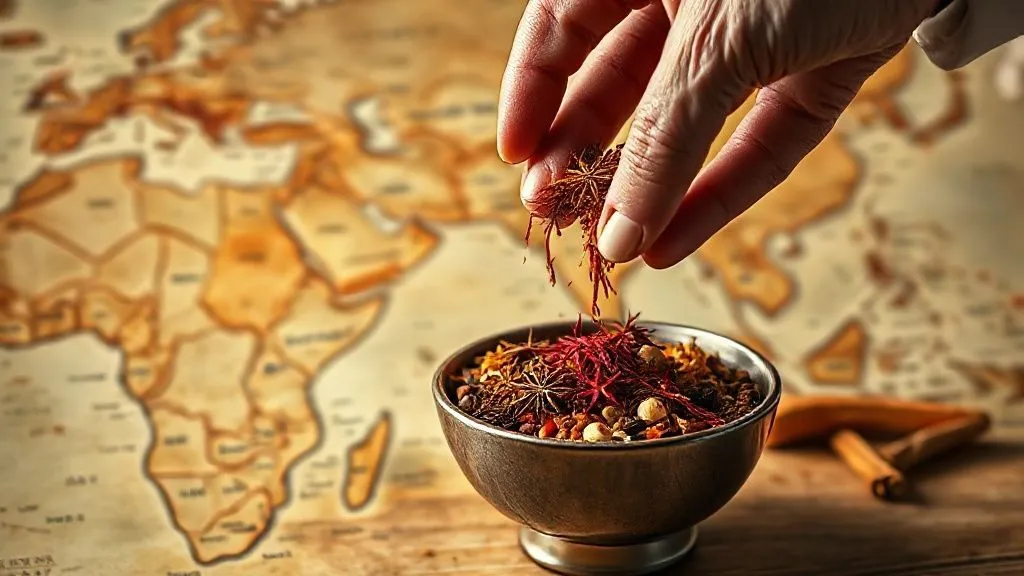
Before we dive into sourcing, it’s crucial to grasp what 'spice route ingredients' truly entail. These aren't just any spices; they are the aromatic treasures that historically fueled global trade, cultural exchange, and culinary innovation for millennia. Originating from regions spanning Southeast Asia, India, the Middle East, and parts of Africa, these ingredients were once as valuable as gold, shaping empires and inspiring epic voyages. Beyond the well-known black pepper, cinnamon, and cloves, the spice routes introduced a vast pantheon of flavors.
Think about the nuanced floral notes of Mahlab from the Middle East, the citrusy warmth of Grains of Paradise from West Africa, or the pungent umami of Asafoetida from Central Asia. These are just a few examples of ingredients that possess distinct identities, capable of transforming a dish from good to extraordinary. Their impact on modern cuisine is profound, forming the backbone of many traditional dishes and offering endless possibilities for contemporary fusion.
"The spice routes were more than just trade networks; they were arteries of culinary evolution, carrying not just ingredients but also ideas, techniques, and stories that continue to enrich our global palate today."
By understanding this rich legacy, chefs can approach sourcing not just as a procurement task, but as an act of cultural preservation and creative exploration. It's about tapping into centuries of flavor wisdom and bringing that authenticity to your kitchen.
The Initial Quest: Researching Authentic & Niche Spices
The first step in knowing how to source unique spice route ingredients for my menu is to move beyond conventional knowledge. This requires dedicated research, much like an archaeologist unearthing ancient secrets.
Delving into Historical Texts and Culinary Anthropology
Start your journey in libraries and digital archives. Ancient cookbooks, colonial-era travelogues, and academic papers on food history are goldmines of information. Look for mentions of spices that are unfamiliar or described with unique regional variations. For instance, while saffron is common, have you explored the distinct profiles of Kashmiri saffron versus Iranian saffron? Have you considered the fiery complexity of long pepper, a predecessor to black pepper, or the earthy depth of amchur (dried mango powder) essential in certain Indian cuisines?
I often recommend exploring resources like the Project Gutenberg's collection of historical texts for antique culinary books, or academic journals focusing on ethnobotany and food history. These resources can reveal forgotten spices or unique applications of familiar ones, giving you a distinct edge. Understanding the historical context of a spice often unlocks its most authentic applications in modern cooking.
Exploring Regional Cuisines and Traditional Markets
Beyond books, immerse yourself in the culinary traditions of specific spice route regions. Watch documentaries, follow specialized food blogs focused on regional ethnic cuisines, and engage with online communities dedicated to authentic cooking. For example, Kerala in India, Zanzibar off the coast of Tanzania, and the ancient cities along the Silk Road each boast a unique spice heritage. Identify specific dishes from these regions and then research the key spices that define them.
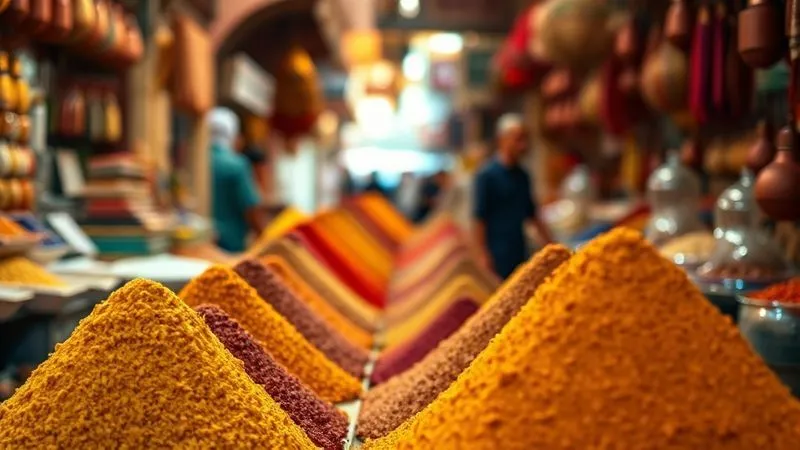
Consider virtual tours of traditional markets (souks, bazaars, spice markets) through documentaries or YouTube channels. These provide visual clues and often highlight the sheer diversity of spices available locally. Pay attention to how spices are displayed, sold, and discussed by local vendors and cooks. This observational research helps build a mental map of where certain unique spices might originate and how they are valued.
Building a Network: Connecting with Global Artisans and Growers
Once you've identified potential unique spices, the next critical step in how to source unique spice route ingredients for my menu is establishing reliable connections. This is where the real work begins, moving beyond generic distributors to find sources that value quality, authenticity, and ethical practices.
Direct Sourcing vs. Specialty Importers
You essentially have two primary avenues: direct sourcing from growers or working with specialty importers. Direct sourcing offers unparalleled control over quality, traceability, and often, better pricing, cutting out intermediaries. It allows you to build personal relationships, understand farming practices, and ensure ethical labor conditions. However, it demands significant time, effort, and expertise in logistics, import regulations, and communication across cultural barriers.
Specialty importers, on the other hand, handle much of this complexity. They often have established networks, deal with customs, and can provide smaller quantities. The key is to find importers who are transparent about their supply chain, prioritize ethical sourcing, and specialize in the specific unique spices you're seeking. Ask them about their grower relationships, quality control processes, and certifications. A reputable importer will be able to provide detailed information about the origin and journey of their spices.
For ethical sourcing guidelines and directories, I highly recommend consulting resources like the Fair Trade America website, which lists certified products and partners committed to fair labor practices and sustainable farming.
Leveraging Culinary Travel and Expeditions
In my experience, there's no substitute for visiting the source. Culinary travel isn't just for leisure; it's an invaluable tool for professional development and sourcing. Meeting growers, walking through spice farms, and observing traditional processing methods provides an education that no catalog can match. These personal connections often lead to exclusive sourcing opportunities and a deeper appreciation for the ingredient's journey.
I’ve seen this strategy pay dividends many times over. The stories you bring back, the relationships you forge, and the unique insights you gain become powerful narratives for your menu and your diners. It transforms a simple ingredient into a compelling story of origin and passion.
Case Study: Chef Anya's Saffron Discovery in Kashmir
Chef Anya, a brilliant chef from London, was frustrated with the inconsistent quality and exorbitant prices of saffron from her usual suppliers. She knew saffron was a 'spice route ingredient' with immense potential, but felt her dishes weren't reflecting its true character. Inspired, she embarked on a culinary expedition to the Pampore region of Kashmir, a renowned saffron cultivation area. There, she spent weeks with local farmers, learning about the delicate harvesting process, the nuances of quality grading, and the challenges they faced.
Through direct engagement, Anya forged relationships with several small, family-run farms. She established a direct purchasing agreement, ensuring fair prices for the growers and a superior, traceable product for her restaurant. This direct connection not only secured a consistent supply of exquisite, vibrant Kashmiri saffron but also provided her with an incredible story to share with her diners. Her saffron-infused dishes became signature items, celebrated not just for their flavor but for their authentic narrative, directly addressing her challenge of how to source unique spice route ingredients for her menu.
Vetting Quality and Authenticity: More Than Just a Label
Once you’ve identified potential sources, the next crucial phase is rigorous vetting. The term 'quality' can be subjective, but with spices, there are objective markers of excellence and authenticity.
Sensory Evaluation: The True Test
This is where your chef's palate and nose become your most important tools. When evaluating a new spice, consider:
- Visual Appeal: Is the color vibrant and true to the spice (e.g., deep red for high-quality paprika, rich orange for saffron)? Are there any signs of discoloration, mold, or foreign matter?
- Aroma Profile: Crush a small amount. Is the aroma potent, complex, and characteristic of the spice? Does it smell fresh, or stale and dusty? For example, true Ceylon cinnamon has a delicate, sweet fragrance, distinct from the stronger, spicier cassia.
- Texture: Is it brittle, oily, or fibrous as expected? For whole spices, is it intact? For ground spices, is the grind consistent?
- Taste Test: A small pinch can reveal a lot. Is the flavor intense, balanced, and free from off-notes? Does it linger pleasantly?
I always advise chefs to create a 'spice library' of known, high-quality samples for comparison. This benchmark is invaluable when evaluating new suppliers.
Understanding Supply Chains and Certifications
Beyond sensory evaluation, delve into the supplier's practices. Ask about:
- Origin & Traceability: Can they pinpoint the exact farm or region?
- Harvesting & Processing: How is the spice harvested, dried, and processed? Are traditional methods used, or modern techniques that might impact quality?
- Certifications: Look for organic, fair trade, or specific geographical indication (GI) certifications where applicable. While not all small, artisanal growers will have these, reputable importers should be able to provide such assurances or detailed information on their ethical sourcing policies.
This due diligence is critical. As marketing guru Seth Godin often says, "People do not buy goods and services. They buy relations, stories, and magic." The story behind your unique spice route ingredients is part of that magic, and its authenticity hinges on a transparent supply chain.
| Sourcing Method | Pros | Cons | Ideal For |
|---|---|---|---|
| Direct from Grower | Highest quality control, full traceability, unique stories, ethical impact | High effort, complex logistics, large minimums, risk | Signature ingredients, high-volume specialty dishes |
| Specialty Importer | Logistics handled, curated selection, smaller quantities, some traceability | Less direct control, potential for higher cost, less unique story | Diverse unique spices, smaller scale operations |
| Standard Wholesaler | Convenience, bulk discounts, wide availability | Generic quality, poor traceability, little unique story | Common pantry spices, low-priority ingredients |
"In the realm of unique spice sourcing, trust isn't just built on a handshake; it's built on transparency, consistent quality, and a shared passion for flavor."
Navigating Logistics: Import, Customs, and Storage
Once you've identified and vetted your unique spice route ingredients, the practicalities of getting them into your kitchen and maintaining their quality come into play. This is often where chefs encounter significant hurdles.
Regulatory Hurdles and Documentation
Importing spices, especially from non-EU or non-US countries, involves navigating a complex web of regulations. You'll likely need:
- Health Certificates: Issued by the exporting country, verifying the spices are free from pests, diseases, and harmful contaminants.
- Phytosanitary Certificates: Specifically for plant products, ensuring they meet import standards.
- Customs Declarations: Accurate classification of your spices to determine duties and taxes.
- Permits: Certain exotic spices might require specific import permits.
Working with an experienced customs broker is highly recommended, especially when you're just starting. They can guide you through the paperwork, ensure compliance, and often expedite the process, saving you time and potential headaches. According to a WTO report on trade facilitation, streamlined customs procedures can significantly reduce trade costs, which directly impacts your bottom line.
Preservation and Shelf Life of Exotic Spices
Unlike common pantry spices, unique and often whole spices require careful handling to preserve their delicate volatile oils and complex flavors. Proper storage is paramount:
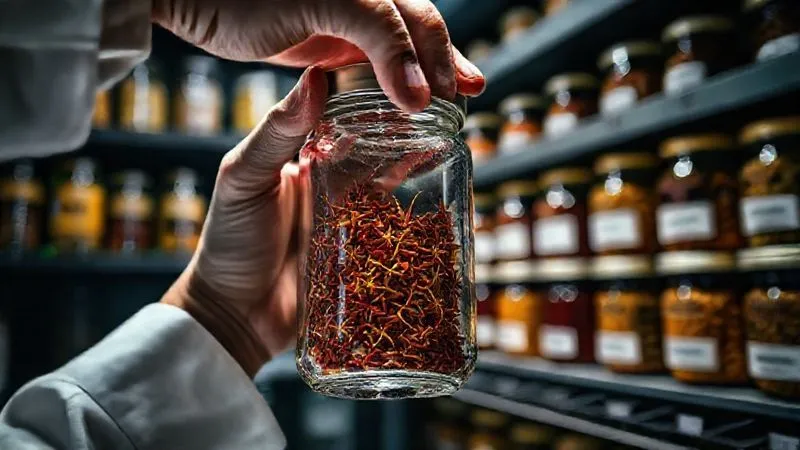
- Airtight Containers: Protects against oxidation and moisture. Glass jars with tight-fitting lids are ideal.
- Dark & Cool Environment: Light and heat are enemies of spice longevity. Store in a cool pantry, away from direct sunlight or stove heat.
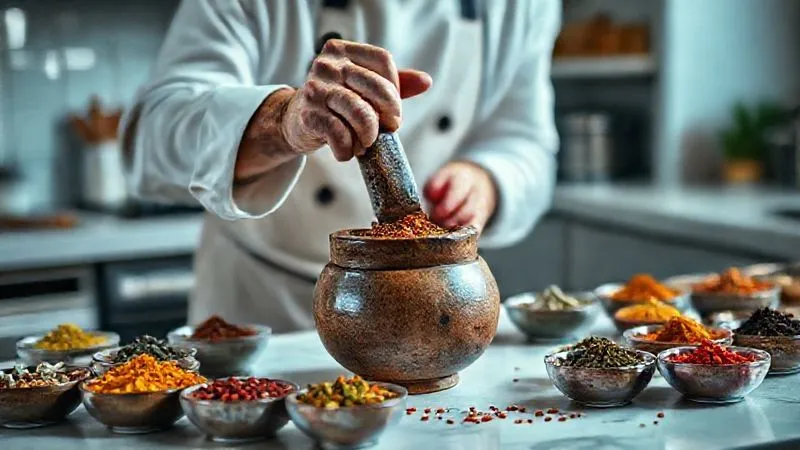
- Whole vs. Ground: Always prioritize whole spices. They retain their potency much longer. Grind them fresh, as needed, to unlock their full aromatic potential.
- Labeling: Clearly label with the spice name, origin, and date of receipt.
By implementing these practices, you ensure that the unique spice route ingredients you've painstakingly sourced retain their vibrancy and flavor, delivering the authentic taste experience you intended.
Integrating Unique Spices into Your Menu: A Culinary Art
Sourcing is only half the battle; the true art lies in how you integrate these unique spice route ingredients into your menu. This is where your creativity as a chef truly shines, transforming raw potential into culinary masterpieces.
Flavor Pairing and Experimentation
Start with a deep understanding of each new spice's core characteristics. Is it warm, pungent, floral, citrusy, earthy, or smoky? Begin by experimenting in small batches. Don't overwhelm a dish with too many new flavors at once. Introduce one unique spice at a time to see how it interacts with your existing ingredients.
Consider traditional pairings from the spice's region of origin as a starting point. For example, Mahlab pairs beautifully with fruit and dairy in Middle Eastern pastries, while Grains of Paradise can add a peppery, citrusy kick to stews or even chocolate desserts. Think about how the spice can enhance, complement, or create a surprising contrast with the other elements on the plate. It's about balance, not just addition.
Storytelling Through Ingredients
One of the most powerful aspects of sourcing unique spice route ingredients is the narrative they carry. Each spice has a history, an origin story, and a cultural context. Share these stories with your staff, empowering them to educate your diners. When servers can articulate the journey of the Kashmiri saffron in your risotto, or the Malabar black pepper in your steak rub, it elevates the dining experience beyond mere consumption.
This storytelling creates a deeper connection, making the meal more memorable and enriching. It transforms your menu from a list of dishes into a curated journey across continents and through time. This is a key benefit for chefs learning how to source unique spice route ingredients for my menu:
- Enhanced Authenticity: Dishes taste more genuine and rooted.
- Unique Selling Proposition: Differentiates your restaurant from competitors.
- Elevated Dining Experience: Engages diners on an intellectual and emotional level.
- Increased Perceived Value: Justifies premium pricing for exceptional ingredients.
- Staff Empowerment: Educated staff become passionate advocates for your menu.
Overcoming Common Sourcing Challenges
Even with the best intentions, sourcing unique spice route ingredients comes with its own set of challenges. Anticipating and planning for these can save you considerable frustration and ensure a smoother supply chain.
Seasonal Availability and Crop Variability
Many unique spices are agricultural products, subject to seasonal harvests, weather patterns, and even geopolitical events. A particular crop might be abundant one year and scarce the next, impacting both availability and price. This is especially true for highly specialized or wild-harvested spices.
- Build Redundancy: Establish relationships with multiple growers or suppliers for your most critical unique spices.
- Forecast & Stock: If feasible, purchase larger quantities during peak harvest seasons when quality is high and prices might be more favorable. Ensure proper storage to maintain quality.
- Embrace Flexibility: Be prepared to adapt your menu or feature seasonal specials if a particular spice becomes unavailable. This can be a strength, showcasing your commitment to seasonality.
Price Fluctuations and Market Dynamics
The global spice market can be volatile. Factors like climate change, economic shifts, and political instability in sourcing regions can cause significant price fluctuations. This makes budgeting and long-term planning challenging.
- Long-Term Contracts: Where possible, negotiate long-term contracts with trusted suppliers to lock in prices or establish a pricing formula.
- Understand Market Drivers: Stay informed about news and trends in major spice-producing regions. Resources like the International Trade Centre (ITC) often publish market analysis reports that can provide valuable insights.
- Value Over Cost: Remember that unique, high-quality spices offer immense value beyond their raw cost. Their ability to elevate your menu and brand can justify a higher price point compared to generic alternatives.
| Challenge | Solution | Impact if Unsolved |
|---|---|---|
| Seasonal Scarcity | Diversify suppliers, forward buying during peak harvest, menu flexibility | Inconsistent menu quality, sudden ingredient unavailability |
| Price Volatility | Long-term supplier contracts, market monitoring, value-based pricing | Unpredictable food costs, menu pricing instability |
| Customs & Import Delays | Experienced customs broker, thorough documentation, buffer stock | Spoilage, missed service dates, operational disruptions |
| Quality Adulteration | Rigorous sensory testing, supplier transparency, certifications | Damaged reputation, inconsistent flavor, health risks |
Frequently Asked Questions (FAQ)
How do I ensure ethical sourcing from small producers when dealing with unique spice route ingredients? Ensuring ethical sourcing from small producers requires diligence. Start by asking suppliers about their labor practices, fair wage policies, and environmental impact. Look for third-party certifications like Fair Trade or Rainforest Alliance, though many small, truly artisanal producers may not have these due to cost. In such cases, direct communication, building long-term relationships, and even visiting the farms yourself can provide the best assurance. Transparency is key; a reputable supplier will be open about their supply chain and willing to share details about their growers.
What are some lesser-known spice route ingredients that offer significant impact for a menu? Beyond the common ones, consider exploring: Mahlab (from cherry pits, with almond and cherry notes, great for baked goods and savory dishes), Grains of Paradise (a West African pepper with citrusy, cardamom-like notes, excellent in stews, chocolate, or gin), Long Pepper (a historical pepper with complex sweetness and heat, superb in rubs or infusions), Amchur (dried mango powder, used as a souring agent in Indian cuisine), and Sumac (tart, lemony, and slightly fruity, fantastic on salads, roasted vegetables, or meats). Each offers a distinct flavor profile that can truly differentiate your dishes.
How can I educate my staff and customers about these unique spices? Education is vital. For staff, conduct regular tasting sessions and share the stories of origin, flavor profiles, and culinary applications of each new spice. Provide them with tasting notes and key talking points. For customers, incorporate the spice's story directly into your menu descriptions. Consider creating small information cards, offering 'spice flights' as appetizers, or hosting special tasting events. The more knowledge and passion you convey, the more engaged your diners will be.
What's the best way to test the quality of a new spice supplier before committing to a large order? Always start with small sample orders. Conduct thorough sensory evaluations (visual, aroma, texture, taste) against your established quality benchmarks. Ask for any available certifications or lab analyses for purity. If possible, speak directly with the grower or their representative to understand their farming and processing methods. Pay attention to packaging and labeling for professionalism. A good supplier will be confident in their product and happy to provide samples and detailed information.
Are there any online platforms specifically for sourcing exotic spices directly from growers? While direct-from-grower platforms are emerging, they are still niche. Websites like Burlap & Barrel, Diaspora Co., and La Boîte offer direct-trade, single-origin spices, often highlighting the growers. For broader sourcing, platforms like Alibaba or IndiaMart exist, but require extreme caution and rigorous vetting due to variable quality. Specialized culinary forums and chef networks can also be excellent resources for recommendations on trusted suppliers who might work directly with growers or have strong relationships.
Key Takeaways and Final Thoughts
Mastering how to source unique spice route ingredients for my menu is a journey of discovery, dedication, and deliberate practice. It’s about more than just procurement; it’s about infusing your culinary creations with history, authenticity, and unparalleled flavor. By following a structured approach, you can transform your menu into a vibrant tapestry of global tastes and compelling narratives.
- Research Deeply: Explore historical texts and regional cuisines to uncover truly unique spices.
- Build Relationships: Prioritize direct sourcing or work with transparent specialty importers who value ethical practices.
- Vet Rigorously: Trust your senses and demand transparency in supply chains and certifications.
- Navigate Logistics: Understand import regulations and implement meticulous storage practices.
- Integrate Artfully: Experiment with flavor pairings and leverage the power of storytelling to engage diners.
- Anticipate Challenges: Plan for seasonal variability and market fluctuations to maintain consistency.
Embrace this challenge not as a chore, but as an exciting extension of your culinary craft. The world's spice routes offer an endless pantry of possibilities, waiting for a visionary chef like you to unlock their potential. By bringing these authentic flavors to your table, you're not just serving food; you're offering an experience, a journey, and a taste of history that will resonate deeply with your diners. Go forth and spice up your world!
Recommended Reading
- Critical Art Damaged in Transit? 7 Steps to Festival Recovery
- 5 Proven Strategies: How Professionals Find Inner Peace When Always On Call
- The Ultimate Guide: How to Respectfully Observe Local Traditions Abroad
- 7 Scenic Train Routes to Heal Executive Burnout: Your Recovery Journey?
- Bungee Cord Failure: 7 Legal Hurdles After a Near-Fatal Accident




Your email address will not be published. Required fields are marked *