

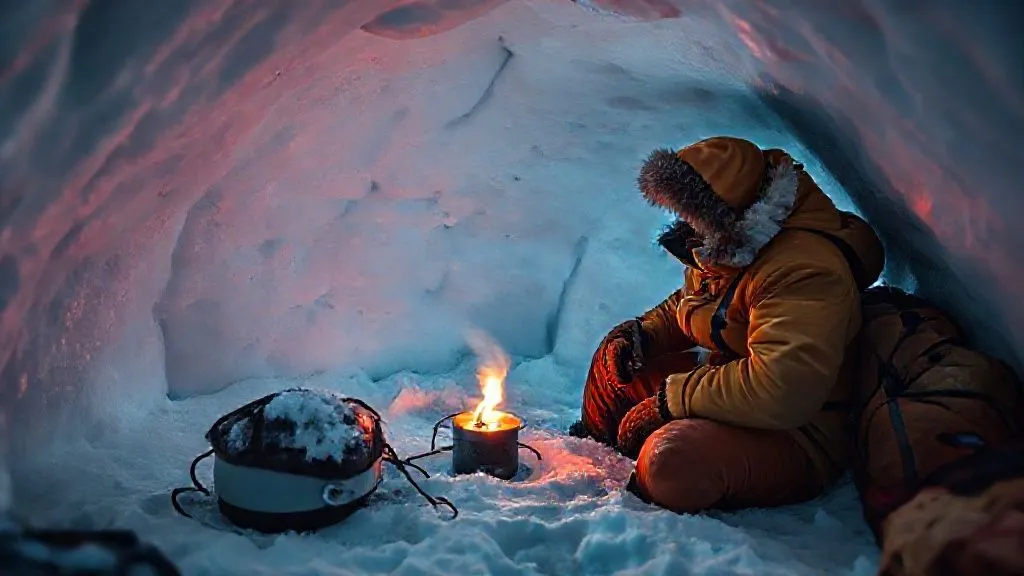
Preventing Hypothermia Risks During Multi-Day Igloo Expeditions?
For over two decades navigating the world's most extreme cold environments, from the Canadian Arctic to the Patagonian ice fields, I've witnessed firsthand the incredible beauty and the unforgiving dangers of winter expeditions. The insidious creep of hypothermia is perhaps the most subtle, yet deadliest, threat. It's not always the dramatic fall or the sudden blizzard; often, it's a gradual, unnoticed chilling that can turn a breathtaking adventure into a life-threatening ordeal.
Multi-day igloo expeditions present a unique set of challenges. Unlike a simple day trip, you're dealing with prolonged exposure, the complexities of resource management, and the psychological toll of isolation. Hypothermia isn't just about shivering; it's a progressive failure of the body's thermoregulation system, leading to impaired judgment, loss of coordination, and ultimately, organ failure. The margin for error in these environments is incredibly thin, and understanding how to manage this risk is paramount.
This comprehensive guide is designed to equip you with a holistic framework for preventing hypothermia risks during multi-day igloo expeditions. Drawing from my extensive experience and the best practices in expedition medicine, we'll delve into advanced gear selection, physiological mastery, meticulous expedition planning, and robust emergency protocols. My goal isn't just to tell you to 'stay warm,' but to empower you to truly master the cold, transforming potential threats into manageable challenges.
The Unseen Enemy: Understanding Hypothermia's Stages and Triggers
Before we can prevent it, we must understand it. Hypothermia occurs when your body loses heat faster than it can produce it, leading to a dangerously low core body temperature. It's a spectrum, not an on/off switch, and recognizing its early signs is critical for intervention.
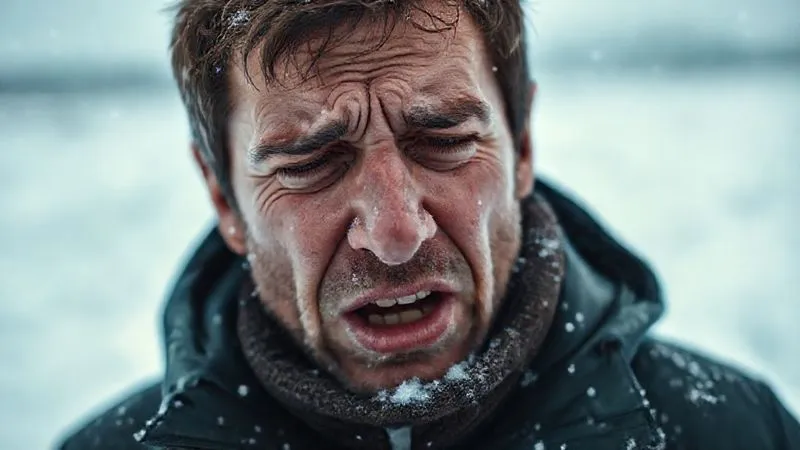
Mild Hypothermia (90-95°F / 32-35°C): You'll experience shivering, goosebumps, numbness in extremities, and impaired fine motor skills. Judgment might be slightly off, but you can still function. This is your body's early warning system screaming for attention.
Moderate Hypothermia (82-90°F / 28-32°C): Shivering becomes violent and uncontrollable, coordination deteriorates significantly (the 'umbles' – mumbles, stumbles, fumbles), confusion sets in, and decision-making becomes severely impaired. Paradoxical undressing (feeling hot and removing clothes) can occur here.
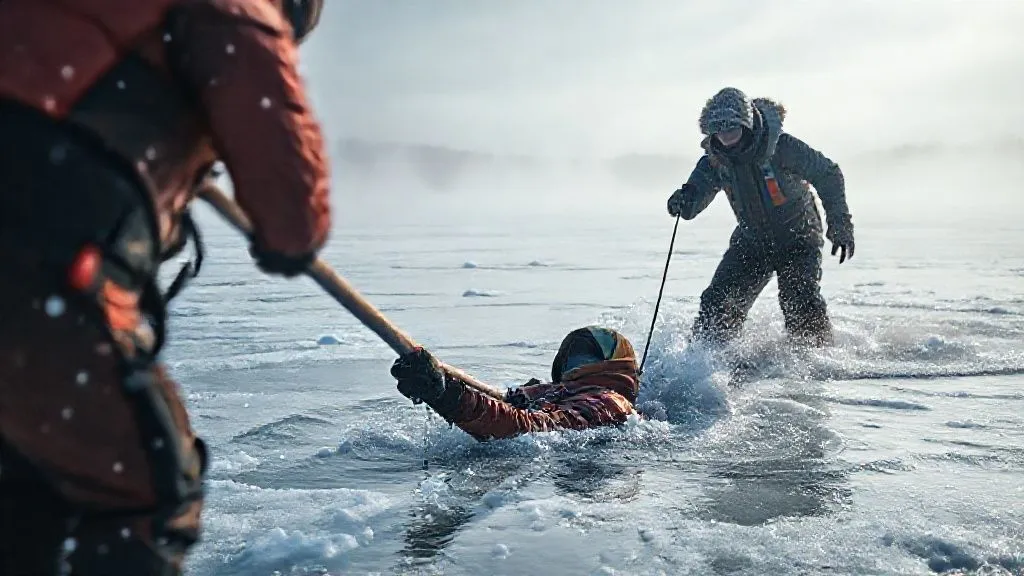
Severe Hypothermia (Below 82°F / 28°C): Shivering may stop, muscles become rigid, pulse and respiration slow dramatically, and consciousness fades. This is a critical medical emergency requiring immediate, expert intervention.
Key triggers in an igloo expedition context include inadequate insulation from clothing or sleeping systems, prolonged exposure to wet conditions (sweat or snow), exhaustion from physical exertion, insufficient caloric intake, and persistent wind exposure. Even a seemingly minor oversight can initiate the chilling process.
Early detection and aggressive intervention are paramount. Never ignore shivering, even if it feels minor. It's your body's first, most vital signal.
Advanced Layering: Your First Line of Defense Against the Cold
The concept of layering is fundamental to cold weather survival, but for multi-day igloo expeditions, it needs to be an advanced, dynamic system. It's not just about piling on clothes; it's about creating a versatile, responsive insulation strategy that adapts to changing conditions, activity levels, and internal body temperature.
The 'Wicking-Insulating-Shell' System (W-I-S)
I've refined this approach over countless expeditions, and it consistently proves its worth. It's about optimizing each layer for its specific function:
- Base Layer: Moisture Management is Key
- Your base layer sits directly against your skin. Its primary job is to wick sweat away from your body, preventing it from cooling you down.
- Materials: Opt for high-quality merino wool or synthetic wicking fabrics. Merino wool offers excellent warmth-to-weight, natural odor resistance, and insulates even when damp. Synthetics dry faster and are often more durable.
- Actionable Step: Pack at least two sets of base layers for multi-day trips. Change into a dry set for sleeping to avoid a significant heat sink.
- Crucial Avoidance: Cotton is an absolute no-go. It absorbs moisture and holds it against your skin, rapidly drawing heat away – 'cotton kills' is a mantra for a reason.
- Mid Layers: The Warmth Generators
- These layers provide the bulk of your insulation by trapping air. The beauty of mid-layers is their modularity; you can add or remove them as needed.
- Materials: Fleece (polyester) is versatile and insulates well even when wet. Down is unparalleled for warmth-to-weight but loses insulating properties when wet. Synthetic puffies (like Primaloft or Coreloft) offer a good balance, maintaining some warmth when damp.
- Layering Strategy: Instead of one very thick mid-layer, I often recommend two or three thinner ones. This allows for greater flexibility in regulating your temperature. You can shed one during strenuous activity and add it back during breaks.
- Actionable Step: Always have a dedicated 'camp puffy' – a very warm, often down or synthetic jacket – that you keep dry and only wear when inactive or inside the igloo.
- Outer Shell: Wind, Water, and Breathability
- Your shell layer protects you from external elements – wind, snow, and ice – while allowing internal moisture (sweat vapor) to escape.
- Materials: Look for waterproof/breathable membranes like Gore-Tex, eVent, or proprietary equivalents. These fabrics are crucial for preventing heat loss from wind chill and keeping your insulating layers dry.
- Ventilation: Ensure your shell has ample ventilation options, such as pit zips and full-length leg zips. These are vital for dumping excess heat quickly during exertion without having to remove the entire shell, preventing sweat buildup.
- Actionable Step: Practice donning and doffing your shell layers quickly with gloves on. In a sudden change of weather, speed can be a lifesaver.
This dynamic system allows you to create a micro-climate around your body. The goal is to stay warm without sweating, as sweat is your enemy in cold environments.
| Layer Type | Purpose | Material Examples | Key Feature |
|---|---|---|---|
| Base Layer | Moisture Wicking, Next-to-Skin Comfort | Merino Wool, Synthetics (Polyester) | Prevents evaporative cooling |
| Mid Layer (Insulation) | Traps Air for Warmth | Fleece, Down, Synthetic Fill (Primaloft) | Modular warmth, adaptable |
| Shell Layer (Outer) | Weather Protection (Wind/Water) | Gore-Tex, eVent, Proprietary Membranes | Breathable, blocks elements |
Case Study: How Sarah Conquered the Arctic Wind
Sarah, an ambitious but relatively new Arctic explorer, initially relied on a single, very heavy insulated parka for her first multi-day igloo expedition. She found herself constantly too hot during active periods, leading to excessive sweating, and then uncomfortably cold and damp during breaks or within the igloo. This constant cycle of overheating and chilling was a significant hypothermia risk. After receiving guidance on a dynamic W-I-S system, she switched to multiple thinner layers, a wicking base, and a breathable shell for her next 10-day trip. By actively managing her layers, she maintained a stable core temperature, drastically reduced sweat buildup, and conserved energy, avoiding the constant struggle against the cold she'd felt before. This simple, yet profound, shift in strategy made her subsequent expeditions safer and far more enjoyable.
Nutritional and Hydration Strategies for Sustained Warmth
Your body is a furnace, and in extreme cold, it needs constant, high-quality fuel. Nutrition and hydration are often underestimated components of preventing hypothermia risks during multi-day igloo expeditions. Without adequate fuel, your body's ability to generate metabolic heat is severely compromised.
Calorie-Dense Fuel: The Internal Furnace
In cold environments, your basal metabolic rate increases significantly. Add to that the energy expended for activity and maintaining warmth, and your caloric needs can easily double or triple. You need food that provides sustained energy and is easy to digest in cold conditions.
- Fats: These are your most calorie-dense fuel source (9 calories/gram) and provide sustained energy. Think nuts, seeds, butter, oils, fatty meats, and high-fat energy bars.
- Complex Carbohydrates: Provide steady glucose for immediate energy and are crucial for brain function. Oats, whole-grain crackers, dried fruit, and starchy vegetables (if you can carry them) are excellent choices.
- Proteins: Essential for muscle repair and satiety. Jerky, cheese, and protein bars are good options.
- Snacking Strategy: Eat frequently. Small, regular meals and snacks prevent energy dips and keep your internal furnace burning consistently. I recommend having easily accessible snacks in your outer pockets for quick consumption without stopping.
For more detailed insights into cold weather nutrition, I highly recommend consulting resources from organizations specializing in expeditionary medicine and physiology.
Staying Hydrated: Preventing Dehydration in Dry Cold
Dehydration is a silent killer in cold environments. The air is often very dry, and you lose significant moisture through respiration, especially during exertion. The constant effort of melting snow for water can also lead to under-hydration. Dehydration impairs blood circulation and reduces your body's ability to regulate temperature, accelerating hypothermia.
- Melt, Don't Eat Snow: Eating snow directly lowers your core body temperature and takes significant energy to melt internally. Always melt snow or ice for drinking water.
- Electrolytes: Add electrolyte mixes to your water. These replace essential salts lost through sweat and respiration, improving hydration efficiency.
- Warm Drinks: Consuming warm beverages like tea, hot chocolate, or soup not only provides hydration but also delivers a direct boost of warmth to your core. Carry a good thermos.
- Actionable Step: Monitor your urine color – it should be clear to pale yellow. Dark urine indicates dehydration. Aim to drink at least 3-4 liters of fluid per day, more on active days.
Dehydration is a direct pathway to impaired thermoregulation and significantly accelerates the onset and severity of hypothermia. Prioritize fluid intake as much as food.
Igloo Engineering & Campcraft: Building Warmth from Within
Your igloo is far more than just a snow shelter; it's a meticulously engineered micro-environment, a sanctuary designed to maximize warmth and minimize heat loss. The success of preventing hypothermia risks during multi-day igloo expeditions hinges significantly on your campcraft skills.
Site Selection: The Foundation of Safety
Choosing the right location for your igloo is the first critical step:
- Wind Protection: Look for natural windbreaks like ridges, large snowdrifts, or the lee side of a hill. Wind chill can strip heat from your igloo's exterior, requiring more internal heat to maintain comfort.
- Snow Quality: You need firm, consolidated snow for strong igloo blocks. Avoid soft, powdery snow or areas with hidden ice layers.
- Avalanche Risk: Always assess the terrain for any potential avalanche hazards, especially if you're building at the base of a slope.
- Level Ground: A relatively flat, stable surface makes construction easier and ensures a comfortable sleeping area.
Igloo Construction for Optimal Insulation
The design of the igloo itself is a masterclass in thermal engineering:
- Block Size and Integrity: Cut uniform, well-fitting snow blocks. Tight seams prevent air infiltration. The dome shape is inherently strong and minimizes surface area for heat loss.
- Ventilation Holes: Crucial for air exchange. A small hole at the top prevents carbon monoxide buildup from stoves and allows moist air to escape, reducing condensation.
- Snow Trench/Cold Trap: Dig a trench at the entrance of your igloo, lower than the main living platform. Cold air, being denser, will sink into this trap, creating a warmer zone on your sleeping platform.
- Sleeping Platform: Build a raised sleeping platform within the igloo. This elevates you above the coldest air that settles at the floor level.
Interior Management: Sleeping Systems and Heat Sources
Even the best igloo needs intelligent interior management to maintain warmth:
- Insulated Sleeping Pads: This is non-negotiable. You lose significant heat through conduction to the cold snow beneath you. Use two pads: a closed-cell foam pad directly on the snow for insulation and puncture protection, topped with an inflatable, high R-value (6+) pad for comfort and additional insulation.
- Extreme Cold Sleeping Bags: Invest in a high-quality, expedition-grade sleeping bag rated for temperatures well below what you expect to encounter. Look for bags with an EN rating (or equivalent) for extreme cold. Keep your sleeping bag dry by airing it out periodically and storing it in a waterproof compression sack.
- Safe Use of Stoves/Candles: A small, well-ventilated stove can provide minimal heat for melting snow and warming drinks. Never leave it unattended, and ensure adequate ventilation to prevent carbon monoxide poisoning. Candles can offer a surprising amount of warmth for their size and provide light, but again, ventilation is key.
- Actionable Step: Before bed, do a final check of your gear, prepare your next day's clothing, and ensure all necessities are within reach. A warm drink before bed can also help raise core temperature.
For reviews and specifications on expedition-grade sleeping systems, refer to reputable sources like OutdoorGearLab or Backpacker Magazine.
Mental Fortitude & Expedition Pacing: The Psychological Edge
While gear and technique are critical, the human element – particularly mental resilience and intelligent pacing – often dictates the success and safety of multi-day igloo expeditions. A strong mind can overcome incredible physical challenges, but a fatigued or demoralized mind can quickly lead to poor decisions that increase hypothermia risks.
Recognizing Fatigue and Maintaining Morale
Prolonged exposure to cold, physical exertion, and the starkness of the environment can erode mental strength. It's crucial to be aware of the signs of mental fatigue in yourself and your teammates:
- Irritability and Snapping: Short tempers are often a sign of exhaustion.
- Lapses in Judgment: Simple mistakes, forgetting gear, or poor route choices.
- Withdrawal: A person becoming unusually quiet or disengaged.
- Communication: Open and honest communication within the team is vital. Encourage teammates to voice concerns and to look out for each other.
- Setting Realistic Goals: Don't push too hard, especially in the initial days. Celebrate small victories and maintain a positive outlook.
Pacing and Rest: Preventing Exhaustion
Overexertion leads to sweating, which as we know, is detrimental in cold. It also depletes energy reserves needed to generate body heat and maintain mental acuity.
- Steady Pace: Maintain a steady, sustainable pace that allows you to work without overheating. If you're breathing heavily, you're likely working too hard.
- Scheduled Breaks: Take frequent, short breaks. Use these to check layers, hydrate, and snack. A quick warm drink can do wonders for morale and core temperature.
- Adequate Sleep: Prioritize sleep. A well-rested body and mind are far more resilient to cold and stress. Ensure your sleeping system is optimized for comfort and warmth.
- Actionable Step: When you feel yourself getting too warm during activity, stop, vent your layers, and cool down before you start sweating profusely. It's easier to prevent sweating than to dry out once you're soaked.
A fatigued mind makes poor decisions, increases the likelihood of errors, and diminishes the body's ability to fight off the cold. Mental discipline is as critical as physical preparation.
Understanding the psychology of extreme environments is a field unto itself. For deeper insights, consider resources from the Wilderness Medical Society, which often covers mental health in expeditions.
Emergency Protocols and Gear: When Things Go Wrong
Even with meticulous planning, things can go awry. Preparedness is not paranoia; it's professionalism. Having robust emergency protocols and the right gear is your final safety net for preventing hypothermia risks during multi-day igloo expeditions.
Comprehensive Medical Kit for Cold Injuries
Your medical kit for an igloo expedition needs to be tailored for cold weather injuries and general wilderness emergencies.
- Specific Items: Include several emergency reflective blankets (Mylar), chemical hand/foot warmers, rehydration salts, high-calorie energy gels, pain relief (NSAIDs), blister treatment, wound care, and any personal medications.
- Hypothermia Treatment: A dedicated hypothermia wrap or bivvy sack designed for rewarming.
- Training: Crucially, ensure at least one, preferably all, expedition members have current Wilderness First Aid (WFA) or Wilderness First Responder (WFR) certification. Knowing how to assess and treat hypothermia is invaluable.
Communication and Navigation in Remote Areas
In the vastness of winter landscapes, communication and accurate navigation are lifelines.
- Satellite Phones: Essential for two-way communication in areas without cell service. Ensure batteries are fully charged and protected from the cold.
- GPS Devices: A reliable GPS with pre-loaded routes and waypoints is critical. Carry spare batteries.
- Emergency Beacons (PLB/InReach): These devices can send an SOS signal with your location to rescue services. Test them before departure.
- Contingency Plans: Always have a detailed itinerary shared with a reliable contact, including check-in times and emergency contacts. Discuss 'what-if' scenarios with your team.
Shelter-in-Place and Emergency Bivouac Techniques
If an emergency prevents you from reaching your igloo or primary shelter, you need immediate options.
- Snow Caves/Trenches: Knowing how to quickly excavate an emergency snow cave or even a simple snow trench can provide crucial protection from wind and cold.
- Emergency Tarps/Bivvy Sacks: Carry a lightweight emergency tarp or a robust bivvy sack. These, combined with natural snow features, can offer temporary shelter.
- Principles of Emergency Shelter: The goal is to create a windproof, insulated space that prevents heat loss through conduction, convection, radiation, and evaporation.
Frequently Asked Questions (FAQ)
Q: How do I know if I'm getting hypothermia vs. just being cold? A: The key differentiator is the progression of symptoms and impairment. Being 'just cold' might involve shivering and discomfort, but your mental faculties remain sharp, and you can warm up relatively easily. Hypothermia, even mild, starts to affect your coordination, judgment, and ability to think clearly. If you or a teammate are stumbling, slurring words, or making irrational decisions, it's a strong indicator of hypothermia beyond simple cold. Always err on the side of caution and initiate rewarming protocols.
Q: Can an igloo really be warm enough to prevent hypothermia? A: Absolutely. A well-constructed igloo, with proper ventilation and a cold trap, can maintain an internal temperature well above freezing, often around 0°C (32°F) to 5°C (41°F), even when outside temperatures plummet to -40°C. This significant temperature differential, combined with your sleeping system, is more than enough to prevent hypothermia and allow for comfortable rest. The key is to manage internal moisture to prevent dampness, which can negate the igloo's insulating properties.
Q: What's the single most critical piece of gear for preventing hypothermia? A: While all gear is interconnected, I'd argue that a high-quality, expedition-grade sleeping system (sleeping bag + insulated pads) is the single most critical piece. You spend roughly a third of your time sleeping, and if you cannot adequately rewarm and rest during this period, your body's reserves will deplete rapidly, making you highly susceptible to hypothermia during active hours. A dry, warm sleep is non-negotiable for multi-day cold expeditions.
Q: How do I manage sweat and moisture effectively in an igloo or cold environment? A: Effective moisture management is a multi-pronged approach. Firstly, layer dynamically to avoid overheating and sweating during activity. Secondly, use high-wicking base layers that move moisture away from your skin. Thirdly, ensure your outer shell is breathable to allow vapor to escape. Within the igloo, use a small ventilation hole, and if possible, air out your sleeping bag and clothing during warmer parts of the day. Avoid bringing wet items into your sleeping bag.
Q: Is alcohol helpful for staying warm in extreme cold? A: Absolutely not. This is a dangerous myth. While alcohol might give a fleeting sensation of warmth by dilating superficial blood vessels, it actually causes your body to lose heat more rapidly. It also impairs judgment, coordination, and shivering response, making you significantly more vulnerable to hypothermia. Avoid alcohol completely on cold weather expeditions.
Key Takeaways and Final Thoughts
Preventing hypothermia risks during multi-day igloo expeditions is not about luck; it's about meticulous planning, unwavering discipline, and a deep respect for the environment. My decades in the field have taught me that mastering the cold is a holistic endeavor, integrating physiological understanding with cutting-edge gear and robust decision-making.
- Master Dynamic Layering: Your Wicking-Insulating-Shell system is your adaptive armor against changing conditions.
- Fuel Your Furnace: Prioritize calorie-dense nutrition and meticulous hydration to maintain your body's internal heat production.
- Engineer Your Sanctuary: Build and manage your igloo as a climate-controlled haven, optimizing insulation and ventilation.
- Cultivate Mental Fortitude: Recognize the psychological demands, pace yourself, and foster strong team communication.
- Prepare for the Worst: Equip yourself with emergency gear and the knowledge to act decisively when things go wrong.
By embracing these strategies, you transform from merely surviving the cold to thriving within it. The Arctic, with its profound silence and breathtaking beauty, offers experiences unlike any other. Approach it with knowledge, respect, and preparedness, and you will unlock adventures that warm the soul, even in the coldest of environments. Stay safe, stay warm, and embrace the magic of the winter wilderness.
Recommended Reading
- 7 Proven Strategies: Recommend Untouched White Sand Beaches Without Crowds
- 7 Sustainable Strategies: Marketing Niche Cultural Festivals Globally
- Spotting Fakes: 7 Expert Tips for Authentic Artisan Quality in Markets
- 5 Strategies: Secure Exclusive Luxury Cruise Charters for UHNW Clients
- The Ultimate Guide: How to Budget for Student Travel Abroad Effectively?
Your email address will not be published. Required fields are marked *