


How to Manage Sudden Client Injury on a Remote Expedition?
For over two decades in the adventure travel industry, specializing in high-altitude trekking and remote wilderness expeditions, I've faced my share of unforeseen challenges. I vividly recall one expedition deep in the Patagonian ice fields when a client, despite meticulous pre-screening, suffered a sudden, severe allergic reaction. In that moment, miles from the nearest road, with fading daylight, every decision we made was critical. It was a stark reminder that even with the best planning, the unexpected will happen.
The unique isolation of remote expeditions amplifies the stakes when a client sustains an injury. Unlike urban settings where help is minutes away, in the wilderness, you are the first responder, the medic, and the incident commander, all rolled into one. The sheer distance, unpredictable weather, and limited resources can turn a minor incident into a life-threatening crisis if not managed with absolute precision and calm.
This article isn't just a guide; it's a distillation of years of hands-on experience and hard-won lessons. I'll walk you through a definitive, actionable framework on how to manage sudden client injury on a remote expedition, covering everything from proactive planning to post-incident debriefing. You'll gain expert insights, practical steps, and the confidence to lead effectively when it matters most.
The Imperative of Proactive Planning: Before the Boots Hit the Trail
In my experience, 90% of successful remote injury management happens long before you even leave base camp. It's about foresight, preparation, and building a robust safety net. This isn't just paperwork; it's the foundation upon which lives depend.
Comprehensive Risk Assessment & Mitigation
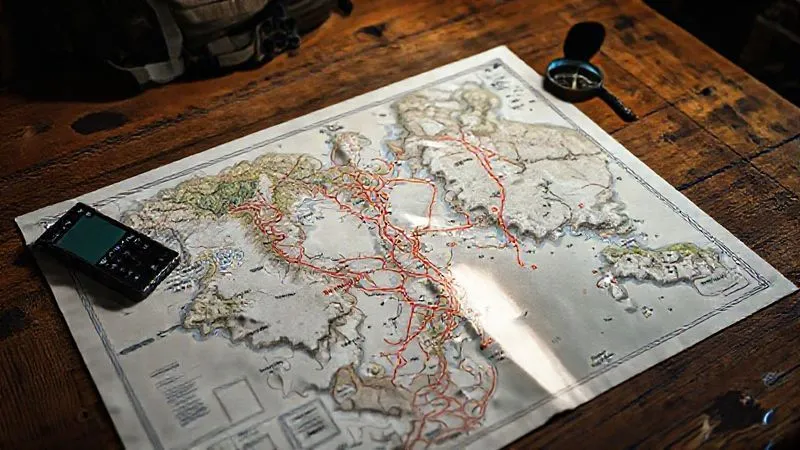
Every expedition, regardless of its perceived difficulty, carries inherent risks. A thorough risk assessment is your first line of defense. I always start by meticulously analyzing the route, potential environmental hazards (weather, terrain, wildlife), and critically, the client's medical history and physical capabilities. A client questionnaire that delves deep into past injuries, chronic conditions, and allergies is non-negotiable.
- Terrain Analysis: Identify sections prone to slips, falls, rockfall, or river crossings.
- Environmental Factors: Understand typical weather patterns, potential for extreme temperatures, altitude sickness risks.
- Client Vetting: Go beyond a simple health declaration. Engage in pre-expedition calls to discuss fitness levels and any concerns.
- Emergency Exit Points: Map out potential evacuation routes and their feasibility at various stages of the expedition.
Robust Medical Training & Certification for Leaders
As an expedition leader, your medical skills are paramount. You are often the only one with advanced training for hours, if not days. I advocate for nothing less than a Wilderness First Responder (WFR) certification, and ideally, Wilderness EMT (WEMT) for longer, more complex trips. These courses go far beyond standard first aid, focusing on prolonged patient care in austere environments.
- Wilderness First Responder (WFR): Essential for leaders, covering patient assessment, trauma, medical emergencies, environmental injuries, and evacuation decision-making over extended periods.
- Wilderness EMT (WEMT): Builds on WFR with advanced medical skills, often including IVs, advanced airway management, and medication administration (where legally permitted and within scope).
- Regular Refreshers: Medical skills degrade without practice. Annual refreshers and scenario-based training are crucial.
- Specialized Skills: Consider additional training in specific areas relevant to your expeditions, e.g., high-altitude medicine, swiftwater rescue, or crevasse rescue.
Essential Gear & Medical Kit Protocols
Your medical kit is your mobile hospital. It must be comprehensive, organized, and tailored to the specific expedition. I’ve seen kits cobbled together from various sources, making it impossible to find critical items in an emergency. Standardization is key.
| Category | Items |
|---|---|
| Assessment | Stethoscope, Blood Pressure Cuff, Pulse Oximeter, Thermometer, Penlight |
| Trauma & Wound Care | Sterile Dressings, Gauze, Trauma Shears, Antiseptic Wipes, Medical Tape, Moleskin, Blister Kit, Splinting Materials (SAM Splint, elastic bandages) |
| Medications | Pain Relievers (NSAIDs, Acetaminophen), Antihistamines, Epinephrine Auto-Injector, Anti-diarrheals, Oral Rehydration Salts, Prescription Medications (client-specific) |
| Environmental | Hypothermia Wrap/Bivy, Sunscreen, Insect Repellent, Water Purification Tablets |
| Communication & Navigation | Satellite Phone/InReach, GPS Device, Headlamp with spare batteries, Whistle |
| Miscellaneous | Gloves, Hand Sanitizer, Small Notepad & Pen, Emergency Shelter |
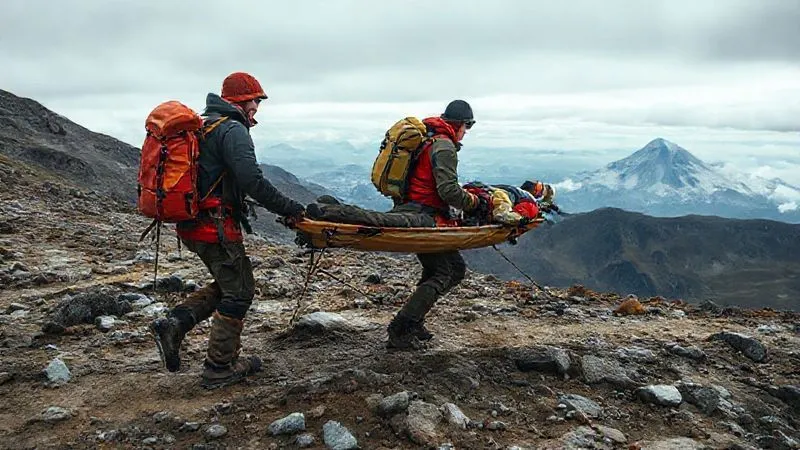
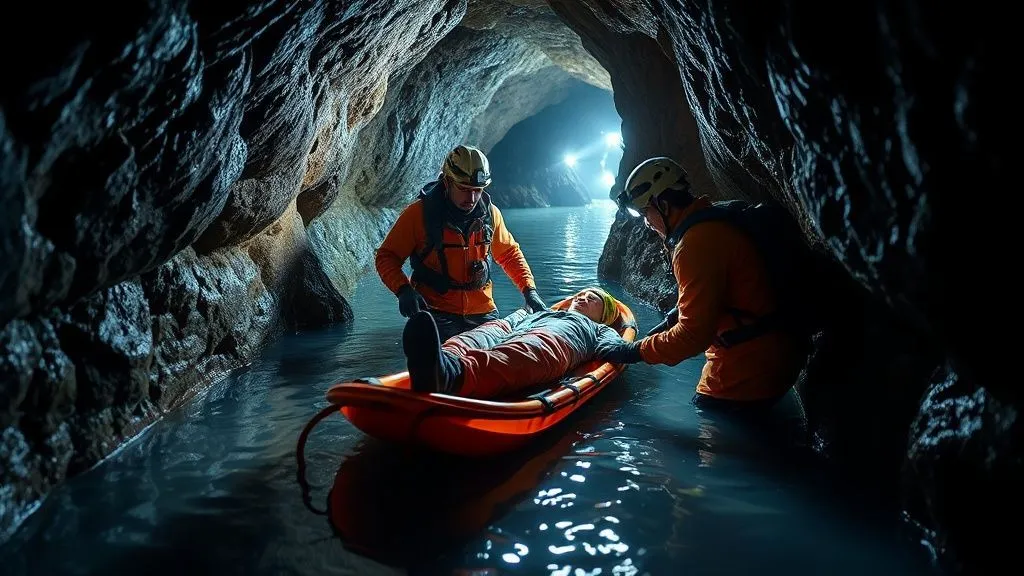
Beyond the medical kit, consider a robust stretcher (flexible litter), emergency shelter, and sufficient rations to sustain an injured party for an extended period. Always pack more than you think you'll need for critical items like pain relief and splinting materials.
Establishing Clear Communication Channels
In remote areas, communication is your lifeline. Before setting out, ensure multiple, redundant communication methods are in place. Satellite phones, personal locator beacons (PLBs), and satellite messengers like Garmin InReach are indispensable.
"Effective communication isn't just about having the gear; it's about having a tested plan," as I often tell my teams. This includes:
Iridium Satellite phones are a standard for reliable voice communication in remote regions. Ensure they are fully charged, tested, and you have backup power options. Pre-program all emergency numbers, including your base contact, local rescue services, and medical consultants. Establish a clear check-in schedule and stick to it. If you miss a check-in, your base team should have a protocol to initiate a search or welfare check.
Immediate Response: The Golden Hour in the Wild
When an injury occurs, the initial moments are critical. Your calm demeanor and decisive actions will set the tone for the entire incident. This is where your training truly kicks in.
Scene Safety and Initial Assessment (DRSABCD)
My first priority, always, is scene safety. You cannot help your client if you become a casualty yourself. Assess for ongoing dangers (rockfall, unstable ground, aggressive animals, inclement weather) and mitigate them before approaching the patient. Once safe, proceed with a systematic patient assessment, adapted from the DRSABCD acronym:
- Danger: Is the scene safe for me and my team? Remove or mitigate any immediate threats.
- Response: Is the patient conscious? Use AVPU (Alert, Verbal, Pain, Unresponsive) scale.
- Send for Help: If alone or overwhelmed, activate emergency communication immediately.
- Airway: Is the airway clear and open? Use head-tilt/chin-lift or jaw thrust if spinal injury is suspected.
- Breathing: Is the patient breathing? Look, listen, and feel. Assess rate, rhythm, and effort.
- Circulation: Check for a pulse. Control severe bleeding immediately with direct pressure and tourniquets if necessary.
- Disability: Assess neurological status (AVPU, pupil response, motor/sensory function).
Providing Critical First Aid & Stabilization
Once the initial assessment is complete, focus on stabilizing the patient and addressing immediate life threats. This involves a thorough secondary assessment, looking for all injuries, and applying appropriate wilderness first aid techniques.
"In the wilderness, you're not just treating an injury; you're treating a patient in an environment actively working against their recovery. Your goal is to keep them stable, warm, and hydrated until definitive care can be reached, however long that takes."
Common remote injuries include sprains, fractures, lacerations, hypothermia, hyperthermia, and altitude-related illnesses. Proper splinting for fractures, meticulous wound cleaning and dressing, and aggressive treatment for environmental conditions are paramount. Remember the principles of R.I.C.E. for musculoskeletal injuries (Rest, Ice, Compression, Elevation) and apply them creatively with wilderness resources. Pain management is also crucial, not just for comfort, but to prevent shock and allow for cooperation during movement.
Case Study: Navigating a Sprained Ankle on the Annapurna Circuit
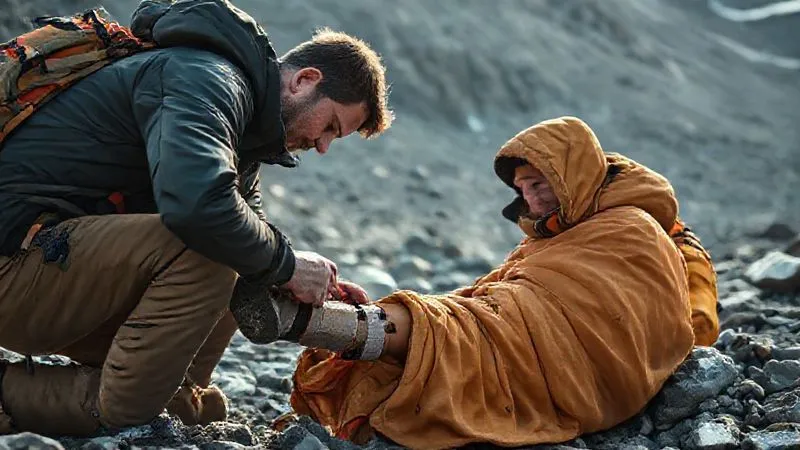
During a challenging section of Nepal's Annapurna Circuit, a client, Sarah, misstepped and suffered a severe ankle sprain. We were a full day's trek from the nearest village with basic medical facilities. My first action was scene safety – ensuring no further falls. Her pain was immediate and intense. After a primary assessment confirmed no life threats, I performed a thorough secondary assessment, ruling out an obvious fracture but confirming a significant sprain.
I immediately applied R.I.C.E. using snow for ice (indirectly, to prevent frostbite), compressed the ankle with an elastic bandage, and elevated her foot. We administered NSAIDs for pain and inflammation. Crucially, I used a SAM splint to immobilize her ankle, providing crucial stability. Communication with our base team via satellite phone confirmed our position and situation. We decided on a slow, assisted self-evacuation to the nearest lodge, where she could rest, and we could reassess. The Wilderness Medical Society guidelines for ankle injuries were our constant reference. The next morning, with her ankle still swollen but stable, we arranged for a local porter to assist, and slowly made our way to a more accessible point for a jeep evacuation to Pokhara for definitive medical care. Sarah eventually made a full recovery, attributing it to the immediate, proper field care that prevented further damage.
Strategic Evacuation: When Professional Help is Needed
The decision to evacuate, and how to do it, is one of the most complex you'll face. It requires a clear understanding of the injury, available resources, and the external environment.
Assessing Evacuation Urgency & Modality
Not every injury requires immediate helicopter rescue. Sometimes, a slow, assisted walk-out is safer than a risky, complex extraction. I use a simple matrix to guide these decisions:
| Urgency Level | Injury Type Examples | Evacuation Modality |
|---|---|---|
| Immediate (Life-Threatening) | Severe head trauma, uncontrolled hemorrhage, spinal injury, anaphylaxis, severe hypothermia/hyperthermia, unconsciousness | Helicopter (if available), rapid ground evacuation by trained personnel |
| Urgent (Potentially Life-Threatening/Serious) | Open fracture, dislocation, severe burns, significant altitude sickness (HACE/HAPE), unable to walk | Planned ground evacuation, possibly helicopter if ground is too slow/dangerous |
| Delayed (Stable but Requires Medical Attention) | Closed fracture (stable), severe sprain, deep laceration (controlled), moderate illness | Assisted walk-out, stretcher carry, local transport to nearest medical facility |
| No Evacuation (Treat in Field) | Minor cuts, blisters, mild sprains, mild illness | On-site treatment, monitor, continue expedition if safe |
This matrix is a guide, not a rigid rule. Always consider the patient's stability, the weather forecast, the terrain, and your team's capabilities. A stable patient can rapidly destabilize in changing conditions.
Executing the Emergency Response Plan (ERP)
Your ERP is your blueprint for crisis. It details roles, responsibilities, communication protocols, and resource allocation. Once the decision to evacuate is made, activate your ERP without hesitation.
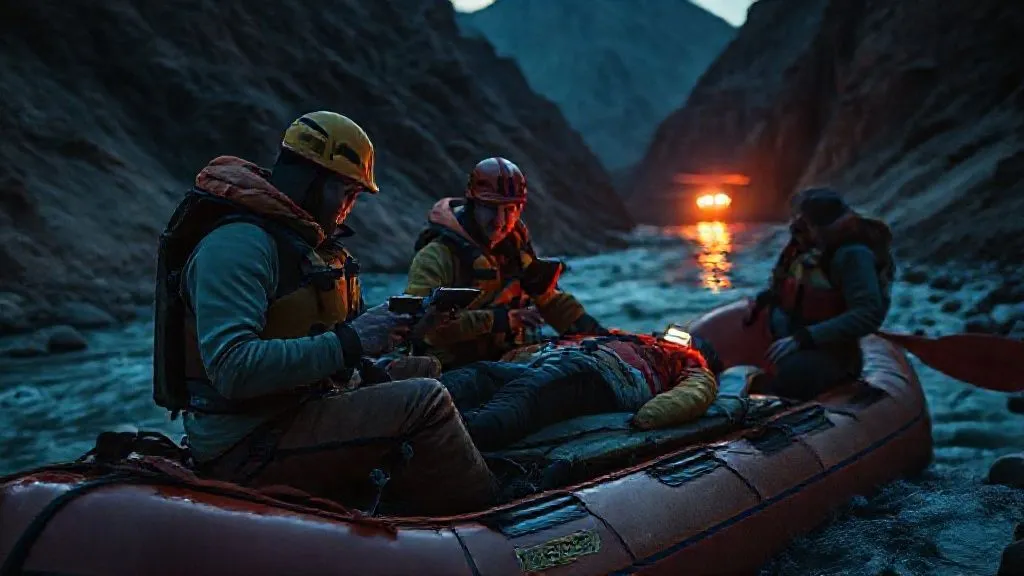
- Designate Roles: One person manages the patient, another handles communication, a third manages logistics (shelter, food, water).
- Prepare the Patient: Ensure they are warm, hydrated, and as comfortable as possible. Prepare them mentally for the evacuation process.
- Prepare Gear: Pack only essentials for the evacuation team. Ensure comms devices are ready.
- Maintain Communication: Keep your base contact updated. Provide precise GPS coordinates, patient status, and your planned evacuation route/method.
- Execute with Caution: If self-evacuating, move slowly and deliberately. If awaiting external rescue, prepare a landing zone or clear an area for ground access.
Maintaining Communication with Base & Emergency Services
This is where consistent, clear, and concise communication becomes paramount. Your base team is your link to the outside world, coordinating rescue efforts and providing crucial support. Provide them with a detailed S.M.A.R.T. report (Subjective, Objective, Assessment, Plan, Resources, Time) on the patient's condition, your exact location, and the resources you need.
Be prepared to answer specific questions from rescue coordinators regarding the nature of the injury, the patient's vital signs, the terrain, and weather conditions. Over-communicating is always better than under-communicating in an emergency. Ensure your devices are powered, and consider carrying spare batteries or a solar charger.
Post-Incident Management: Learning and Improving
The incident doesn't end when the client is safely off the mountain. The period immediately following an injury is crucial for learning, improving, and supporting everyone involved.
Debriefing and Documentation
Once the immediate crisis is over, a thorough debriefing is essential. Gather all team members and discuss what happened, what went well, and what could be improved. Document everything meticulously: the injury details, initial assessment, treatments administered, communication logs, and evacuation timeline. This documentation is vital for legal protection, insurance claims, and future risk management.
Psychological First Aid for Team and Client
An injury, especially a serious one, can be traumatic for the client, the expedition team, and even the leader. Recognize the signs of stress and trauma. Offer psychological first aid – providing practical support, listening without judgment, and connecting individuals with professional help if needed. A simple check-in phone call a few days after the incident can make a huge difference to the client's recovery and the team's morale.
Continuous Improvement & Training Updates
Every incident, no matter how small, is a learning opportunity. Review your ERP, medical protocols, and equipment. Did everything function as expected? Were there gaps in training? Incorporate these lessons into your standard operating procedures and future training programs. As the wilderness environment and medical practices evolve, so too must your expertise. Regular training refreshers and staying current with wilderness medicine best practices are non-negotiable.
"Complacency is the silent killer in adventure travel. The moment you think you've seen it all, that's precisely when the wilderness will surprise you. Always learn, always adapt, always train."
Frequently Asked Questions (FAQ)
Q: What if I'm solo leading an expedition and a client gets injured? How do I manage patient care and communication simultaneously? A: This is a critical challenge. Prioritize immediate life threats (DRSABCD). If the patient is stable, activate your communication device first, providing a concise S.M.A.R.T. report to your base. Then return to patient care. If the patient is unstable, you must perform critical interventions before communicating, knowing that rapid rescue will be needed once you do get through. This underscores the need for robust solo leader training and contingency planning for communication.
Q: How do I handle a client who refuses treatment or evacuation, even when it's medically necessary? A: This is a complex ethical and practical dilemma. First, ensure the client has the capacity to make informed decisions (i.e., not impaired by injury, shock, or medication). Clearly explain the risks of refusal. Document their refusal thoroughly. If the situation is life-threatening and you believe they lack capacity, you may need to act in their best interest, but this can have legal ramifications. Consult with your base medical advisor immediately for guidance and support.
Q: What legal responsibilities do I have as an expedition leader in the event of a client injury? A: Your legal responsibilities vary by jurisdiction, but generally include providing a safe environment, acting with reasonable care, and possessing appropriate certifications. Document everything, from pre-expedition briefings to incident reports. It demonstrates due diligence. Always adhere to your organization's policies and procedures, and consider consulting with legal counsel specializing in adventure tourism to understand your specific obligations.
Q: How can I best prepare my clients for potential injuries or emergencies on a remote trip? A: Transparency and education are key. During pre-expedition briefings, discuss potential risks, the remote nature of the trip, and your emergency protocols. Advise them on appropriate personal medical kits, physical conditioning, and the importance of communicating any health changes. Empowering them with knowledge fosters trust and cooperation during an emergency.
Q: What are the most common injuries you see on remote hiking expeditions, and how can they be best prevented? A: The most common injuries are musculoskeletal (sprains, strains, fractures, blisters), followed by environmental (hypothermia, heat exhaustion, sunburn, altitude sickness). Prevention involves thorough client vetting, appropriate gear (well-fitting boots, layers), proper pacing, adequate hydration/nutrition, and constant vigilance from the leader. Educate clients on proper foot care, hydration, and recognizing early signs of environmental illness.
Key Takeaways and Final Thoughts
Managing a sudden client injury on a remote expedition is arguably the most challenging aspect of an adventure leader's role. It demands not only technical medical skills but also strong leadership, calm decision-making, and unwavering empathy. It's a test of your planning, your training, and your ability to adapt under pressure.
- Prioritize Proactive Planning: Meticulous risk assessment, robust medical training, and a comprehensive medical kit are non-negotiable.
- Master Immediate Response: Focus on scene safety, systematic assessment, and effective stabilization.
- Strategic Evacuation is Key: Understand urgency levels and have a clear, rehearsed ERP.
- Communicate Relentlessly: Your base team and rescue services are your critical lifeline.
- Learn and Improve: Every incident is a valuable lesson for future expeditions.
Ultimately, your goal is to return every client home safely. While you can't prevent every injury, you can control your preparedness and response. Embrace continuous learning, trust your training, and lead with confidence. The wilderness is unpredictable, but your ability to manage its challenges doesn't have to be.
Recommended Reading
- How to Conduct Confidential Business Meetings on a Luxury Yacht: A 7-Step Guide
- 7 Strategic Detox Hacks: Boost Health, Not Burnout, Stay Productive
- Medical Equipment Failure: Your 7-Step Emergency Plan for Accessible Trips
- 7 Strategies to Reverse Declining Cruise Entertainment Scores: An Expert's Guide
- Unveiling the Truth: Are Safari Tents Truly Good for Cold-Weather Glamping?
Your email address will not be published. Required fields are marked *