


Solving Intergenerational Travel Conflicts Over Activity Choices?
For over 15 years in the family travel niche, I've witnessed countless families embark on what should be dream vacations, only to have them unravel amidst squabbles over something as seemingly simple as what to do next. The excitement of a multi-generational trip can quickly turn into frustration when differing interests and energy levels collide.
This isn't just about minor disagreements; it's about the fundamental clash of expectations across generations. Grandparents might seek relaxation and cultural immersion, parents crave adventure and new experiences, while the younger generation might prioritize social media-worthy moments or high-energy thrills. This divergence often leads to silent resentment or outright arguments, diminishing the joy of shared time.
But it doesn't have to be this way. In this definitive guide, I'll share proven frameworks, actionable strategies, and real-world insights designed to transform potential friction into harmonious fun. You'll learn how to proactively address and effectively resolve
The Root Cause: Understanding Generational Travel Philosophies
Before we dive into solutions, it's crucial to understand why these conflicts arise. Each generation, shaped by its unique historical context and technological landscape, approaches travel with different priorities and expectations. What one person considers a 'perfect day' might be another's idea of a nightmare.
Boomers (born 1946-1964) often value relaxation, cultural experiences, and comfort, preferring structured tours or leisurely exploration. Gen X (1965-1980) might seek a balance of adventure, family-friendly activities, and a bit of independence. Millennials (1981-1996) often prioritize authentic, immersive experiences, local cuisine, and photo opportunities. Gen Z (1997-2012) are typically digitally native, seeking unique, shareable moments, active adventures, and flexibility.
These differing energy levels, interests, and even preferred paces of travel are the fertile ground for conflict. Ignoring these fundamental differences is like planning a meal for vegetarians and carnivores without considering their dietary needs – someone's going to be disappointed.
Expert Insight: "The biggest mistake in intergenerational travel planning is assuming everyone wants the same thing. True harmony comes from acknowledging and celebrating individual desires within the collective experience."
To illustrate these differences, consider the general priorities:
| Generation | Key Travel Priorities | Preferred Pace |
|---|---|---|
| Boomers | Relaxation, Culture, Comfort, History | Leisurely, Structured |
| Gen X | Balance, Family Activities, Exploration, Value | Moderate, Flexible |
| Millennials | Authenticity, Immersion, Food, Experiences, Photo Ops | Active, Spontaneous |
| Gen Z | Adventure, Unique Moments, Social Connection, Tech-Enabled | Fast-paced, Flexible |
Strategy 1: The Pre-Trip 'Wish List' & 'Non-Negotiable' Exercise
The earliest planning stages are your most powerful weapon against conflict. Don't wait until you're on the ground to discover Aunt Carol hates heights or your teenager despises museums. Proactive communication is key to
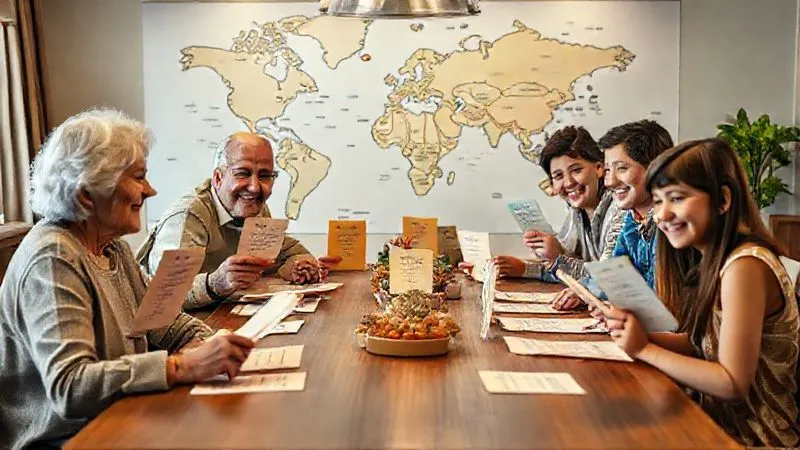
- Individual Wish Lists: Weeks or even months before departure, ask each family member, regardless of age, to create a 'wish list' of 3-5 activities they genuinely want to do. Encourage them to be specific, e.g., 'see the Eiffel Tower' rather than 'sightseeing'.
- Identify Non-Negotiables: Alongside their wish list, ask each person to identify 1-2 'non-negotiable' activities or experiences they absolutely cannot miss, and conversely, 1-2 things they absolutely want to avoid. This helps set clear boundaries.
- Share and Discuss: Compile all lists and share them digitally (e.g., via a shared Google Doc or email). Schedule a virtual meeting or a dedicated family dinner to discuss these lists openly. The goal isn't to agree on everything, but to understand everyone's desires.
- Prioritize and Compromise: Use this discussion to identify overlaps and obvious conflicts. This is where the art of compromise begins. For example, if one person's non-negotiable is a strenuous hike and another's is a relaxing spa day, you know immediately you'll need to split up for that segment.
This exercise ensures everyone feels heard from the outset and provides a clear picture of the diverse desires you're working with. It shifts the dynamic from 'my way or the highway' to 'how can we make this work for everyone?'
Strategy 2: The 'Anchor Activity' & 'Free Flow' Framework
One common source of friction is the imbalance between structured activities and downtime. Some thrive on packed itineraries, while others feel overwhelmed. The Anchor Activity & Free Flow framework offers a solution.
Identifying Anchor Activities
Anchor activities are the 1-2 major, agreed-upon experiences each day or every couple of days that everyone participates in. These are often the 'must-dos' that appeared on multiple wish lists. They provide structure and ensure collective memory-making.
- Consensus-Driven: Select anchor activities based on broad appeal and majority vote from the wish lists.
- Time-Bound: Clearly define the start and end times for these activities.
- Logistically Planned: Ensure all transport, tickets, and reservations for anchor activities are handled well in advance.
Embracing Free Flow Time
Free flow time is unscheduled periods where individuals or smaller groups can pursue their own interests. This is crucial for maintaining individual autonomy and preventing burnout. It allows for flexibility and caters to differing energy levels.
For example, after a morning anchor activity like a city tour, the afternoon could be 'free flow.' Grandparents might opt for a quiet coffee shop, parents could explore a local market, and teens might head to a specific attraction or simply relax by the pool. This flexible approach is vital for

Strategy 3: The 'Delegated Ownership' Approach
Empowering each generation to take charge of a portion of the itinerary can significantly reduce conflict and increase buy-in. When people have a hand in planning, they're more invested and less likely to complain.
Case Study: The Miller Family's Mediterranean Cruise
The Miller family, a group of 10 ranging from ages 8 to 72, embarked on a Mediterranean cruise. In previous trips, activity choices often led to heated debates. This time, I suggested the 'Delegated Ownership' approach. Before the trip, each of the three family units (grandparents, parents, and teens/young adults) was assigned one full day in port to plan. They were given a budget and the freedom to choose activities, with the only caveat being that they had to present their plan to the whole family beforehand for feedback.
The grandparents planned a leisurely morning exploring ancient ruins, followed by a quiet lunch and an afternoon of souvenir shopping. The parents chose a more active day, including a guided bike tour and a cooking class. The teens, surprisingly, opted for a scavenger hunt through a historic district, culminating in a trendy café. This approach not only diversified the itinerary but also gave each generation a sense of pride and responsibility. Conflicts over what to do were virtually eliminated because everyone had their 'day to shine,' and they were much more willing to participate in others' choices, knowing their turn was coming.
Expert Insight: "When you delegate ownership, you shift from a 'top-down' dictatorial approach to a collaborative 'shared responsibility' model. This fosters autonomy and respect, crucial ingredients for group harmony."
This strategy works best when clear guidelines are set regarding budget and general expectations, but the specifics of activities are left to the assigned group. It’s a powerful way to ensure diverse interests are met without centralizing all decision-making pressure on one or two individuals.
Strategy 4: Leverage Technology for Seamless Scheduling & Discovery
In our digital age, technology is an invaluable ally for
- Shared Itinerary Apps: Tools like TripIt, Google Docs, or even a shared WhatsApp group can host a living itinerary. Everyone can see the plan, add notes, and access booking confirmations. This transparency reduces confusion and last-minute questions.
- Polling Features: Use built-in polling features in messaging apps (like WhatsApp) or dedicated polling tools (e.g., Doodle Polls) for quick decisions on minor activities, meal choices, or preferred times. 'Should we do the museum or the park this afternoon?' – a quick poll can resolve it democratically.
- Local Discovery Apps: Encourage different generations to use local discovery apps (e.g., TripAdvisor, Yelp, local tourism board apps) to suggest activities on the fly during free flow time. This empowers spontaneous exploration tailored to individual interests.
- Budget Tracking: Apps like Splitwise can help manage shared expenses, preventing financial disagreements from spilling into activity choices.
According to a recent article by Harvard Business Review on the future of collaboration, technology, when used thoughtfully, enhances human connection by removing logistical hurdles. This principle applies perfectly to family travel.
Strategy 5: Embrace the Power of 'Micro-Experiences' & Splitting Up
It's a common misconception that intergenerational travel means doing absolutely everything together. This pressure can be a major source of conflict. My advice: embrace the 'micro-experience' and be okay with splitting up.
Micro-experiences are shorter, more focused activities that cater to specific interests for smaller groups. For instance, while some go for a morning run, others might enjoy a slow breakfast and a crossword puzzle. This allows for individual rejuvenation and prevents 'activity fatigue' from trying to cater to everyone simultaneously.
Expert Insight: "The most successful multi-generational trips aren't about constant togetherness, but about strategic togetherness. Allowing space for individual pursuits actually strengthens the collective bond by preventing resentment."
Don't feel guilty about dividing and conquering. If the grandparents want to visit an art gallery while the grandkids are dying to go to a theme park, let them! Plan to reconvene for a shared meal or an evening activity. This flexibility is a hallmark of successful intergenerational travel and directly addresses the challenge of
As Psychology Today often highlights, even within close relationships, personal space and individual pursuits are vital for well-being. This holds true for family vacations too.

Strategy 6: The 'Post-Activity Debrief' & Real-time Adjustments
Even with the best pre-planning, things don't always go perfectly. The key is to address minor issues before they escalate into major conflicts. Implement a brief, informal 'post-activity debrief' at the end of each day or after a significant activity.
- Check-in Time: Designate a short, casual time, perhaps during dinner or while relaxing in the evening, for a quick check-in.
- Open-Ended Questions: Ask questions like, 'What was your favorite part of today?' and 'Is there anything you'd like to do more/less of tomorrow?'
- Active Listening: Encourage everyone to listen without judgment. The goal is to gather feedback, not to blame.
- Identify Small Adjustments: Use the feedback to make minor, real-time adjustments to the next day's plans. Maybe someone needs more rest, or another wants to add a quick stop at a specific shop.
This continuous feedback loop is invaluable. It shows everyone that their opinions matter and that the itinerary isn't set in stone. It prevents small annoyances from festering and becoming larger issues, directly contributing to
Here's a simple template for a daily debrief:
| Time | Question 1 | Question 2 | Action Item |
|---|---|---|---|
| Evening Check-in | What was your favorite part of today? | Is there anything we should adjust for tomorrow? | Note adjustments for next day's plan |
| Mid-morning Huddle (optional) | How's everyone feeling about the pace? | Any spontaneous ideas for 'free flow' time? | Incorporate new ideas or rest periods |
Strategy 7: Focus on Shared Values & Creating Lasting Memories
Ultimately, the goal of intergenerational travel isn't just to do activities; it's to create shared memories, strengthen family bonds, and deepen understanding across generations. When conflicts arise, take a step back and remind everyone of this overarching purpose.
Sometimes, the most memorable moments aren't the grand attractions but the simple, shared experiences: a meal together, a sunset walk, storytelling, or even just laughing over a travel mishap. Prioritize activities that naturally foster interaction and connection.
- Shared Meals: Cooking together in a rental villa or trying a new restaurant.
- Storytelling Sessions: Encourage grandparents to share travel stories from their youth or funny family anecdotes.
- Simple Pleasures: Beach walks, card games, reading together, or watching a movie.
- Reflection: Dedicate time for everyone to share their favorite memory of the trip, reinforcing the positive.
As research on family resilience suggests, shared positive experiences and strong relational bonds are protective factors against stress. Focus on the 'why' behind the trip – connection – and the 'what' (activities) will often fall into place more easily.
Expert Insight: "The true success of an intergenerational trip isn't measured by how many sights you see, but by how many smiles you share and how much closer you feel at the end."

Frequently Asked Questions (FAQ)
Q: How do we handle budget differences impacting activity choices? A: Budget can be a significant hurdle. My recommendation is to discuss finances openly and early. Consider creating a 'group fund' for shared activities that everyone contributes to equally, or identify a few 'splurge' activities that the more financially comfortable members might offer to cover, while ensuring there are plenty of free or low-cost options. Also, clearly delineate who pays for what – individual choices are usually individual expenses.
Q: What if one generation consistently refuses to compromise? A: This requires a delicate but firm approach. First, revisit the 'non-negotiable' exercise. If their non-negotiables are truly inflexible and clash with others, then it might be necessary to plan for separate activities during those times. If it's a general unwillingness, a direct, empathetic conversation is needed, perhaps facilitated by a neutral family member. Remind them that the goal is shared joy, which requires give-and-take from everyone. Sometimes, allowing them to take ownership of planning one day (as per Strategy 3) can shift their perspective.
Q: Is it better to have a strict itinerary or be spontaneous? A: For intergenerational travel, a hybrid approach is best. Use the 'Anchor Activity' framework (Strategy 2) to establish a loose structure with 1-2 pre-planned, agreed-upon activities per day or every other day. Then, build in ample 'Free Flow' time for spontaneity, individual pursuits, or group decisions based on real-time energy and interest levels. This balance provides security for those who prefer structure and freedom for those who crave flexibility.
Q: How can we ensure kids and teens stay engaged? A: Involve them in the planning from the start with the 'Wish List' exercise. Delegate ownership of a day or specific activities to them (Strategy 3). Leverage technology they're familiar with for discovery and communication (Strategy 4). Incorporate activities that cater to their interests, even if it means splitting up. Ensure they have downtime and opportunities for social connection (e.g., Wi-Fi access). Sometimes, a small 'travel journal' or 'photo challenge' can also keep them engaged.
Q: What are common pitfalls to avoid? A: Avoid over-scheduling, under-communicating, making assumptions about everyone's interests, and trying to force constant togetherness. Also, beware of 'parent trap' scenarios where one generation ends up doing all the childcare or planning. Unequal distribution of responsibilities can lead to resentment. Finally, don't let budget discussions become a source of shame or blame; handle them with transparency and respect.
Key Takeaways and Final Thoughts
- Communicate Early & Often: Proactive discussions about desires and non-negotiables are your best defense against conflict.
- Balance Structure with Freedom: Use anchor activities for shared experiences and free flow time for individual pursuits.
- Empower Everyone: Delegate planning responsibilities to foster ownership and enthusiasm across generations.
- Leverage Technology: Use apps and digital tools to streamline planning, communication, and on-the-go decision-making.
- Embrace Flexibility: It's okay to split up; micro-experiences and individual time can enhance the overall trip.
- Debrief and Adjust: Regularly check in with everyone during the trip to make real-time, minor adjustments.
- Focus on Connection: Remember the ultimate goal is to create lasting memories and strengthen family bonds, not just to check off activities.
Intergenerational travel is a profound opportunity to create cherished memories and deepen family connections. While the prospect of
Recommended Reading
- 5 Proven Steps: Unplug From Work on Family Road Trips, Avoid Burnout
- Beyond Basics: 7 Ways to Elevate Luxury Cruise Activities & Boost Retention
- Streamlining Spaceports: 7 Strategies for Cost-Effective Tourist Flights
- Unveiling the Truth: Is Public Transport Truly Cheaper for Budget Travel?
- 7 Expert Strategies to Prevent Culture Shock on Deep Immersion Trips





Your email address will not be published. Required fields are marked *