

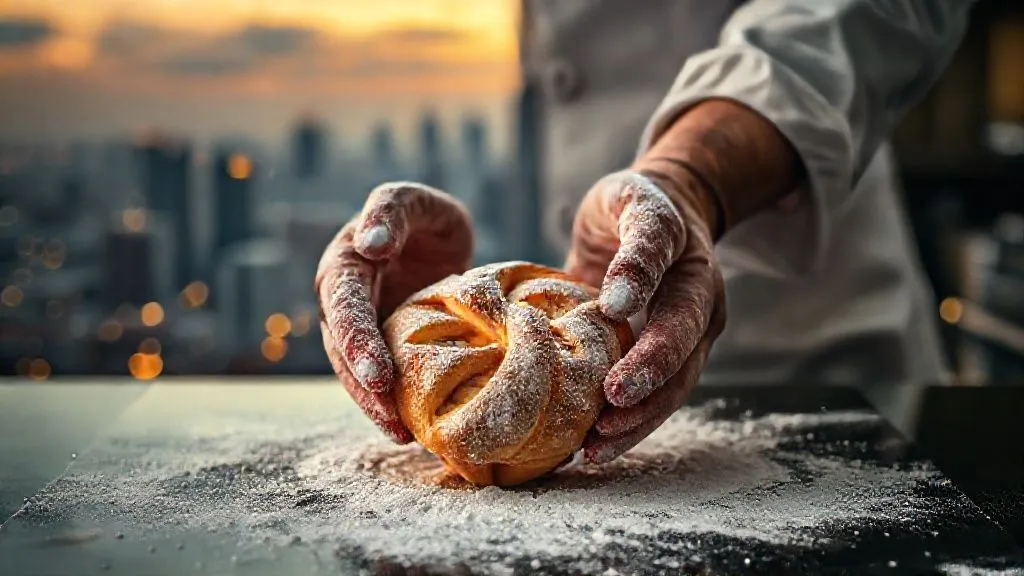
Selecting Truly Unique Global Baking Workshops for Chefs?
For over two decades in the vibrant world of food travel, particularly within the artisanal baking scene, I've witnessed countless chefs invest heavily in workshops only to find them... well, less than transformative. The allure of a foreign locale or a famous name often overshadows the core educational value, leading to disappointment and a significant drain on resources.
The sheer volume of 'global baking workshops' available today makes selecting truly unique, transformative experiences a daunting task for even the most seasoned chef. It's a crowded marketplace, brimming with options ranging from basic tourist classes to highly specialized masterclasses, and distinguishing the genuinely valuable from the merely exotic requires a discerning eye and a strategic approach.
This article isn't just a list; it's a veteran's framework, born from years of scouting and evaluating, designed to equip you with the insights and actionable steps for selecting truly unique global baking workshops for chefs, ensuring your next culinary journey is genuinely impactful, skill-enhancing, and career-defining.
Beyond the Brochure: Defining "Unique" for the Professional Chef
When I talk about 'unique' workshops, I'm not simply referring to a class held in an obscure location or taught by a slightly lesser-known chef. For a professional, 'unique' means something that offers a distinct advantage, a specialized skill set, or an unparalleled cultural immersion that cannot be replicated locally or through conventional training. It's about finding that edge.
True uniqueness for a chef lies in:
- Niche Techniques: Are they teaching an ancient fermentation method, a specific regional lamination technique, or a progressive approach to ingredient utilization that's rare?
- Indigenous Ingredients: Does the workshop delve deep into local grains, fruits, spices, or dairy products that profoundly influence the baking process and flavor profile?
- Cultural Context: Is the baking technique presented within its historical and societal framework, allowing you to understand its evolution and significance?
- Innovative Philosophy: Does the instructor push boundaries, challenge conventions, and offer a truly fresh perspective on traditional or modern baking?
"A truly unique culinary experience isn't just about what you bake; it's about understanding the 'why' behind every ingredient, every technique, and every cultural nuance that shapes the final product."
I've seen chefs return from workshops with newfound mastery over a specific type of sourdough starter from the Basque Country or an intricate sugar pulling technique from Japan, skills that immediately differentiated their offerings back home. This is the kind of 'unique' we're chasing.
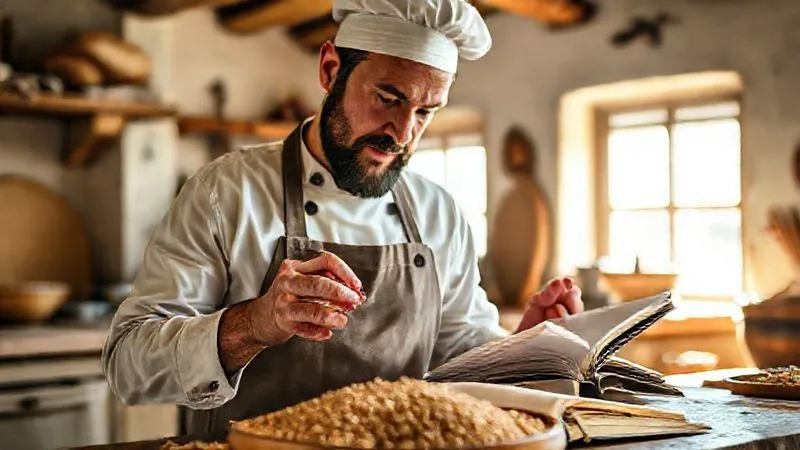
The Master's Pedigree: Evaluating Instructor Expertise and Philosophy
The instructor is the heart of any truly valuable workshop. Their expertise, teaching methodology, and culinary philosophy will directly shape your learning experience. It's not enough for them to be a 'celebrity chef'; they must be a master of their craft and an effective educator.
In my experience, the best instructors possess a rare combination of profound technical skill, a clear pedagogical approach, and a passion for sharing knowledge that transcends mere demonstration. They inspire, challenge, and guide, rather than simply perform.
Here's how I advise vetting potential instructors:
- Research Beyond the Bio: Look for peer reviews, articles they've published in professional journals, or interviews where they discuss their philosophy. Are they innovators or traditionalists? Both can be unique, but understanding their stance is crucial.
- Review Alumni Testimonials: Seek out detailed feedback from past students, especially other professional chefs. What specific skills did they gain? Was the instructor engaging and accessible?
- Examine Their Body of Work: Have they developed unique recipes, techniques, or ingredients? Do they have a signature style that aligns with your learning goals?
- Consider Their Mentorship Style: Some prefer hands-on, direct correction; others encourage independent problem-solving. Neither is inherently better, but knowing what suits your learning style is vital.
- Look for Long-Term Impact: Have their former students gone on to achieve significant success, crediting the instructor? This is a strong indicator of a truly influential mentor.
Case Study: Chef Anya's Quest for Ancient Grains
Chef Anya, a renowned boulanger from Seattle, was determined to integrate ancient grain baking into her repertoire. She considered several workshops but ultimately chose a small, independent patisserie in rural France. Her decision wasn't based on the patisserie's fame, but on the instructor, Chef Laurent Dubois. Anya meticulously researched Dubois's publications on regional wheat varietals and fermentation, spoke with two of his former students, and even watched several hours of his online lectures. She discovered his unique philosophy centered on reviving nearly forgotten local grains and sustainable farming practices. By applying this rigorous vetting process, Anya attended a workshop that not only taught her advanced techniques but also instilled a profound understanding of grain terroir, a skill that now defines her bakery's unique offerings and has garnered national recognition.
As culinary expert Harold McGee often emphasizes, understanding the science and history behind food processes deepens appreciation and mastery. This applies equally to selecting your mentor.
Curriculum Deep Dive: Unearthing Niche Techniques and Regional Specialties
The syllabus is your roadmap to skill acquisition, but you need to read between the lines. Many workshops offer 'advanced pastry' or 'artisanal bread,' but a truly unique curriculum will specify hyper-focused techniques or regional specialties that are not widely taught.
When I review a workshop curriculum, I look for specifics:
- Are they focusing on a single, complex pastry item for an entire day, or rushing through a dozen?
- Do they dedicate time to ingredient sourcing, understanding local flour mills, or specific chocolate tempering methods unique to a region?
- Is there a module on historical baking practices or adapting traditional recipes for modern palettes and equipment?
| Workshop Type | Unique Offerings | Learning Depth |
|---|---|---|
| General Patisserie | Basic French tarts, croissants, choux pastry | Broad overview, foundational skills |
| Regional Speciality: Sicilian Dolci | Cassata Siciliana, Cannoli di ricotta, Frutta Martorana (marzipan art) | Deep dive into specific regional techniques, ingredient sourcing, cultural history |
| Advanced Sourdough & Ancient Grains | Multi-stage fermentation, single-origin grain analysis, advanced scoring techniques, specific regional starters | Scientific understanding, hands-on mastery of complex processes |
I once advised a chef who was looking for a specific type of Japanese wagashi training. We found a workshop that dedicated an entire week to the art of nerikiri, focusing on seasonal designs, natural colorings, and the meditative aspect of its creation. This level of specificity is what sets apart a truly unique experience from a general one.
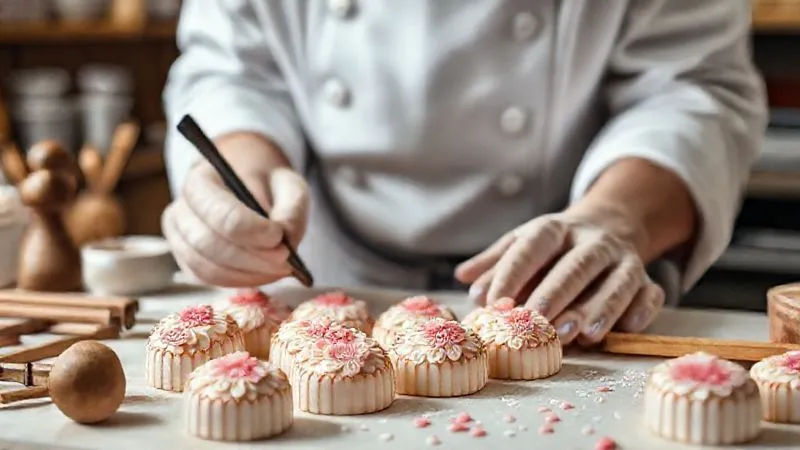
Immersion vs. Observation: Assessing the Learning Environment
The learning environment significantly impacts how much you absorb. Are you a hands-on learner, or do you benefit more from observing a master? For most professional chefs, hands-on immersion is paramount for truly integrating new skills.
Key questions to ask about the learning environment:
- Class Size: Smaller classes (typically 6-10 students) allow for more personalized attention and direct interaction with the instructor.
- Hands-on Time: What percentage of the workshop is dedicated to practical application versus demonstration? Will you be working individually or in groups?
- Access to Equipment: Will you have access to professional-grade equipment, and is there enough for everyone?
- Cultural Integration: Does the workshop include market visits, local ingredient sourcing trips, or interactions with local artisans? This enhances the 'unique global' aspect significantly.
- Language Barrier: Is the workshop taught in a language you understand, or is a reliable translator provided? Miscommunication can severely hamper learning.
As Harvard Business Review often highlights, experiential learning is far more effective for skill retention and application. You want to be kneading, shaping, and baking, not just watching.
"Don't just observe; participate. The true magic of a global baking workshop unfolds when your hands are deep in the dough, guided by a master, in an environment far removed from your everyday kitchen."
Logistics & Legacy: Practicalities and Post-Workshop Impact
Beyond the culinary aspects, practical considerations are crucial. Visas, accommodation, travel insurance, and local transport can make or break your experience. A well-organized workshop will provide clear guidance on these elements.
More importantly, consider the legacy of your learning. How will this workshop enhance your career in the long term? This isn't just about gaining a new recipe; it's about acquiring a new perspective, a unique skill, or a network that fuels your professional growth.
Steps for maximizing post-workshop impact:
- Immediate Application: Plan how you'll integrate new techniques or recipes into your menu or product line as soon as you return.
- Documentation: Keep detailed notes, photos, and even videos. Create a 'recipe journal' specific to your workshop experience.
- Share and Teach: Present your learnings to your team or peers. Teaching reinforces your own understanding and spreads the knowledge.
- Network Sustainably: Stay in touch with fellow students and the instructor. These connections can lead to future collaborations or opportunities.
I've seen chefs leverage a single, unique skill learned abroad to launch entirely new product lines, attracting significant media attention and customer loyalty. This is the ultimate return on investment.
Networking & Collaboration: The Unspoken Value of Global Workshops
One of the most underestimated benefits of attending global baking workshops is the opportunity for networking. You'll be surrounded by like-minded professionals from diverse backgrounds, each bringing their own experiences and perspectives to the table. These connections can be invaluable.
I've witnessed lifelong friendships forged over shared passion for baking, leading to international collaborations, ingredient sourcing partnerships, and even joint ventures. Think of it as building your global culinary family.
- Peer Learning: Exchange ideas, troubleshoot challenges, and share insights with fellow chefs during downtime.
- Instructor Mentorship: Beyond the formal class, a strong relationship with a master can open doors to ongoing mentorship or future opportunities.
- Industry Connections: You might meet suppliers, food critics, or culinary journalists who are also attending or visiting the workshop.
As Seth Godin often reminds us, building a tribe of passionate individuals is key to driving innovation and impact. Your peers in a global workshop are your tribe.
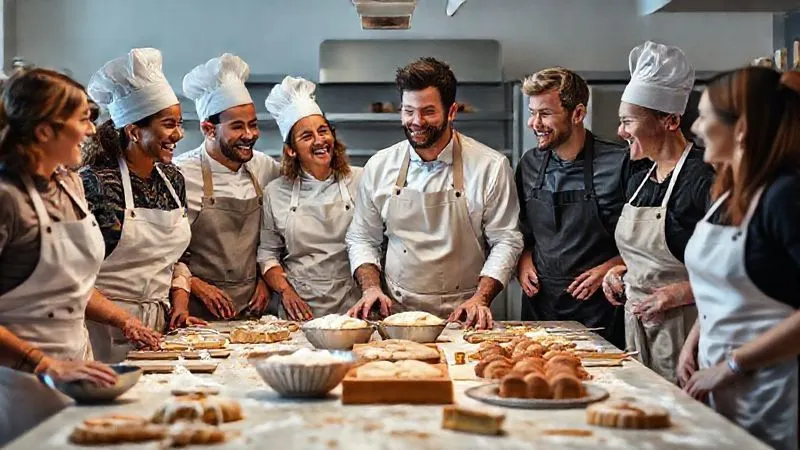
Funding Your Culinary Ascent: Grants, Sponsorships, and ROI
Truly unique global baking workshops can be a significant investment. However, viewing them as an expense rather than an investment is a common mistake. There are various avenues for funding, and understanding the potential return on investment (ROI) is crucial for justifying the cost.
Consider these funding options:
- Culinary Grants & Scholarships: Many foundations and culinary organizations offer grants for professional development. Research organizations like the James Beard Foundation or local culinary guilds.
- Employer Sponsorship: Present a compelling business case to your current employer. Highlight how the unique skills gained will directly benefit the business (e.g., new menu items, increased customer base, enhanced brand reputation).
- Crowdfunding: For independent chefs or small business owners, platforms like Kickstarter or GoFundMe can be viable, especially if you offer unique rewards related to your learning journey.
- Self-Funding & Budgeting: Plan ahead, save diligently, and view it as a critical component of your professional growth budget.
Calculating ROI isn't always straightforward in culinary arts, but you can quantify it:
| Metric | Before Workshop | After Workshop |
|---|---|---|
| New Menu Items/Products | 0 unique items | 3-5 new, high-demand items |
| Customer Engagement | Standard interest | Increased media mentions, 'storytelling' around new offerings |
| Skill Differentiation | Competent baker | Specialist in X technique, sought-after expert |
| Revenue Growth | Baseline sales | 5-15% increase attributable to new offerings |
| Brand Reputation | Local recognition | Regional/National recognition for innovation |
A study by Deloitte on continuous learning highlights that investing in employee development leads to higher retention, innovation, and overall business success. This applies to you as a chef and your value to your establishment or brand.
Red Flags and Due Diligence: What to Avoid When Selecting Truly Unique Global Baking Workshops for Chefs?
Just as there are gems, there are also workshops that fall short of their promises. As an experienced industry specialist, I've learned to spot the warning signs. Avoiding these pitfalls is as crucial as finding the right opportunities when selecting truly unique global baking workshops for chefs.
Be wary of:
- Vague Curriculum Descriptions: If the syllabus is generic and lacks specific techniques, ingredients, or cultural context, it's likely a broad overview rather than a deep dive.
- Lack of Instructor Detail: An instructor's bio should be comprehensive, detailing their specific achievements, publications, and teaching philosophy. If it's just a name and a few accolades, dig deeper.
- No Alumni Testimonials or Reviews: A reputable workshop will proudly display feedback from past students, especially professionals. Absence of these is a major red flag.
- Overly Large Class Sizes: While some demonstrations can accommodate many, hands-on professional workshops with more than 12-15 students often compromise individual attention.
- Limited Hands-on Opportunity: If the schedule is heavily weighted towards observation with minimal practical application, it won't provide the skill mastery you're seeking.
- Unrealistic Promises: Be skeptical of workshops claiming to make you a master in a complex skill in just a day or two. True mastery takes time and dedicated practice.
- Poor Communication: If inquiries about logistics, curriculum details, or instructor background are met with vague or delayed responses, it's a sign of disorganization that could impact your experience.
Trust your gut feeling. If something feels off, it probably is. Your time and investment are too valuable to waste on a subpar experience.
Frequently Asked Questions (FAQ)
How can I verify an instructor's credibility beyond their website claims? Beyond their personal website, delve into independent culinary journals, industry forums, and reputable food blogs. Look for mentions, awards, or peer reviews. Reach out to culinary institutions or professional chef associations; they often have networks that can vouch for an instructor's reputation and teaching efficacy. Sometimes, a quick LinkedIn search can reveal shared connections who might offer insights.
What if I don't speak the local language of the workshop? Always confirm if the workshop is taught in English or if a professional, dedicated translator will be present. Relying on a fellow student or a casual interpreter can lead to misunderstandings of critical techniques. Some workshops cater specifically to international audiences and ensure language is not a barrier, sometimes even offering bilingual materials.
Are there scholarships or grants specifically for advanced baking workshops for professional chefs? Yes, absolutely. Many culinary foundations, professional chef associations (both national and international), and even some food-related corporations offer grants or scholarships for professional development. Organizations like the James Beard Foundation, Les Dames d'Escoffier, or regional culinary guilds are excellent starting points. Some specific baking associations also have their own funding programs.
How can I ensure the skills learned are transferable and applicable to my professional kitchen back home? Before enrolling, consider your kitchen's equipment, ingredient availability, and customer base. Discuss with the instructor how techniques can be adapted for different environments. Focus on foundational principles rather than just specific recipes, as principles are universally transferable. Document thoroughly, take detailed notes, and even ask for permission to video specific techniques for later reference.
What's the biggest mistake chefs make when choosing a global baking workshop? The biggest mistake I've observed is prioritizing 'experience' (travel, exotic location) over 'education' (skill acquisition, instructor expertise, curriculum depth). Many chefs get caught up in the romance of culinary travel and overlook the rigorous due diligence required to ensure the workshop provides tangible, career-advancing skills. Always remember your primary goal is professional development, with the travel being a fantastic bonus.
Key Takeaways and Final Thoughts
The journey of selecting truly unique global baking workshops for chefs is an exciting quest for culinary excellence and personal growth. It demands diligence, a critical eye, and a clear understanding of what 'unique' truly means for your professional trajectory. By applying a veteran's framework, you're not just booking a trip; you're investing in a transformative experience that will define your craft.
- Define Your 'Unique': Understand what specialized skills, ingredients, or cultural insights will truly differentiate your work.
- Vet the Master: Research instructors thoroughly, focusing on their teaching philosophy and long-term impact on students.
- Deconstruct the Curriculum: Look for hyper-specific techniques and regional specialties, not just broad categories.
- Prioritize Immersion: Seek hands-on, small-group environments for maximum skill acquisition.
- Plan for Impact: Consider the logistics, but more importantly, how you'll integrate and leverage your new skills.
- Network Strategically: Value the connections you make; they are often as valuable as the skills learned.
- Explore Funding: Don't let cost deter you; explore grants, sponsorships, and calculate your potential ROI.
- Recognize Red Flags: Be cautious of vague descriptions and lack of transparency.
Your culinary journey is a continuous evolution. Embrace the challenge of seeking out these exceptional global opportunities. Each unique workshop is not just a stepping stone; it's a launchpad for innovation, a source of profound inspiration, and a testament to your unwavering dedication to the art of baking. Go forth, explore, and elevate your craft to new, unprecedented heights.
Recommended Reading
- 7 Proven Strategies: Managing Luxury Glamping Guest Expectations for Wilderness Comfort
- The Ultimate Guide: Unlocking Adventurous Family Travel with Toddlers
- 5 Steps: Executive Retreats for Coral Reef Conservation Impact
- Unlock the Secrets: How to Stay Safe During River Crossings on Adventure Treks
- 7 Ways to Prevent Volunteer Travel's Local Harm & Boost Impact



Your email address will not be published. Required fields are marked *