

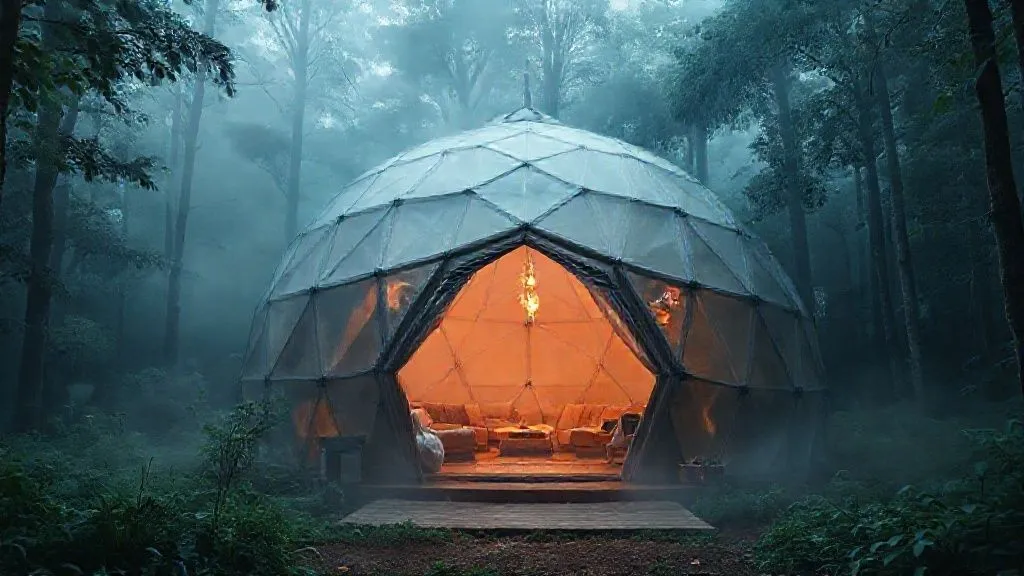
How to Prevent Mold in Glamping Geodomes from Condensation? A Masterclass in Moisture Control
For over 15 years in the glamping industry, I've witnessed the incredible rise of geodesic domes as a premier choice for unique, immersive accommodations. They offer unparalleled views and a sense of connection with nature, yet I've also seen a recurring, insidious enemy silently undermine their charm and structural integrity: mold, often a direct consequence of unchecked condensation.
The problem is often subtle at first—a faint musty smell, a slight dampness on interior surfaces, or tiny black specks in corners. Left unaddressed, this condensation quickly escalates into significant mold growth, posing health risks to guests, damaging expensive interior furnishings, and ultimately devaluing your entire glamping investment. It's a frustrating battle that can deter even the most dedicated operators.
This isn't just about cleaning up a mess; it's about understanding the fundamental physics at play within a geodome and implementing proactive, lasting solutions. In this definitive guide, I'll share my expert insights, actionable strategies, and proven techniques on how to prevent mold in glamping geodomes from condensation, ensuring your domes remain pristine, healthy, and profitable for years to come.
Understanding the Enemy: The Science of Geodome Condensation
Before we can prevent condensation, we must first understand its origins. Condensation is simply water changing from a gaseous state (vapor) to a liquid state when it comes into contact with a surface colder than the dew point temperature of the air. Inside a geodome, this process is amplified by several unique factors.
What Causes Condensation in Domes?
The primary culprits are temperature differentials, high internal humidity, and insufficient airflow. Warm, moist air inside the dome—generated by human breath, cooking, showering, or even drying clothes—rises and meets the cooler exterior surface of the dome's shell. If this surface temperature falls below the dew point, water vapor condenses into liquid droplets.
Why Geodomes are Prone to Condensation
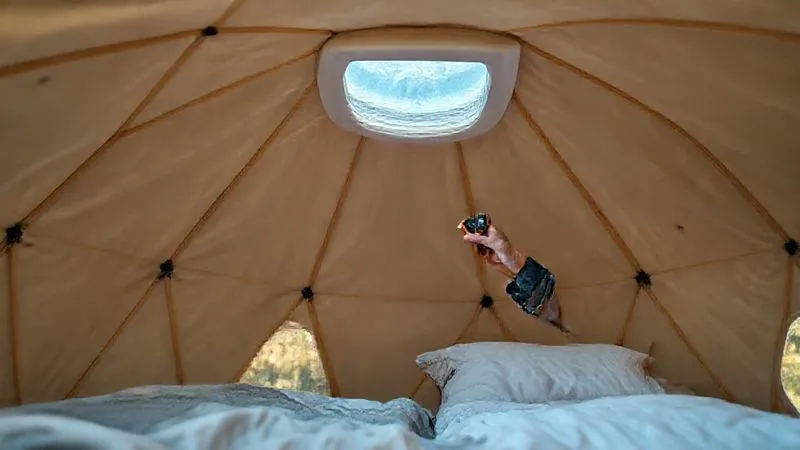
Geodomes, with their often single-layer PVC or polycarbonate shells, can act like giant dew collectors. The large surface area, combined with the material's thermal properties, means heat can rapidly transfer from the interior to the exterior, creating extensive cold spots. Unlike traditional structures, their unique spherical design can also lead to stagnant air pockets if not properly ventilated.
In my experience, many operators underestimate the sheer volume of moisture generated by guests. A single person exhales roughly half a pint of water vapor overnight, and a hot shower can release gallons of moisture into the air. Without proper management, this moisture has nowhere to go but onto your dome's surfaces.
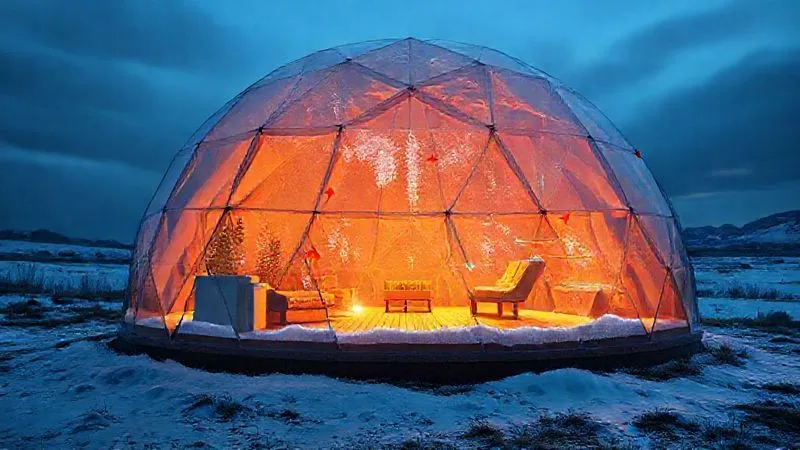
Foundation First: Site Selection and Base Preparation
Long before you even think about insulation or dehumidifiers, the battle against condensation begins with your site selection and base preparation. A well-prepared foundation is a critical, often overlooked, first line of defense.
Elevate for Success
I cannot stress enough the importance of elevating your geodome. Placing the dome directly on the ground, even on a concrete slab, invites moisture. Ground moisture will wick up, and the lack of airflow underneath creates a perpetually damp environment, fostering condensation and mold from below.
Consider using raised platforms, decks, or even gravel bases that allow for ample air circulation underneath the dome. This simple step can dramatically reduce the amount of ground-sourced moisture that contributes to internal humidity.
Impermeable Barriers
Regardless of elevation, an effective vapor barrier beneath your flooring is non-negotiable. This could be a heavy-duty polyethylene sheeting directly on the ground (if not elevated) or integrated into your subfloor system. The goal is to prevent moisture rising from the soil from entering the dome's interior space.
- Reduced Ground Moisture: Prevents capillary action from drawing water into the dome.
- Improved Air Circulation: Elevated bases allow air to flow freely, preventing stagnant, damp pockets.
- Enhanced Thermal Break: A raised platform adds a layer of air, providing a slight thermal buffer from the cold ground.
- Longevity of Materials: Protects flooring and structural elements from rot and mildew.
The Ventilation Imperative: Airflow is Your Ally
Once you've addressed the foundation, the next crucial step in how to prevent mold in glamping geodomes from condensation is mastering ventilation. Air movement is paramount; it replaces moist indoor air with drier outdoor air, and it helps equalize temperatures, reducing cold spots where condensation forms.
Passive Ventilation Systems
Passive ventilation relies on natural air pressure differences and thermal buoyancy. This includes strategically placed vents at the base and apex of the dome. Warm, moist air naturally rises and escapes through higher vents, drawing in cooler, drier air from lower vents. Many geodome designs incorporate these elements, but their effectiveness depends on proper sizing and unobstructed flow.
Active Ventilation Solutions
For consistent and reliable moisture control, especially in humid climates or during peak occupancy, active ventilation is often necessary. This involves mechanical fans and exhaust systems. Small, quiet exhaust fans in areas like bathrooms or kitchens are essential. For the main living space, consider reversible ceiling fans or inline duct fans that can continuously move air.
- Install Apex Vents: Ensure your dome has at least one functional apex vent. This is the natural escape route for rising warm, humid air.
- Integrate Base Vents: Combine apex vents with lower-level vents to create a cross-flow or stack effect, drawing in fresh air.
- Utilize Exhaust Fans: Place small, quiet exhaust fans in high-moisture areas (e.g., bathroom, kitchen) vented directly outside.
- Consider Continuous Air Exchange: For larger domes, an energy recovery ventilator (ERV) or heat recovery ventilator (HRV) can provide continuous fresh air without significant heat loss, balancing humidity effectively.
- Educate Guests: Provide clear instructions on how to use ventilation systems and encourage them to open vents or windows when cooking or showering.
As experts at the EPA emphasize, adequate ventilation is key to maintaining healthy indoor air quality and preventing moisture-related problems. This is especially true for the unique environments of glamping geodomes.
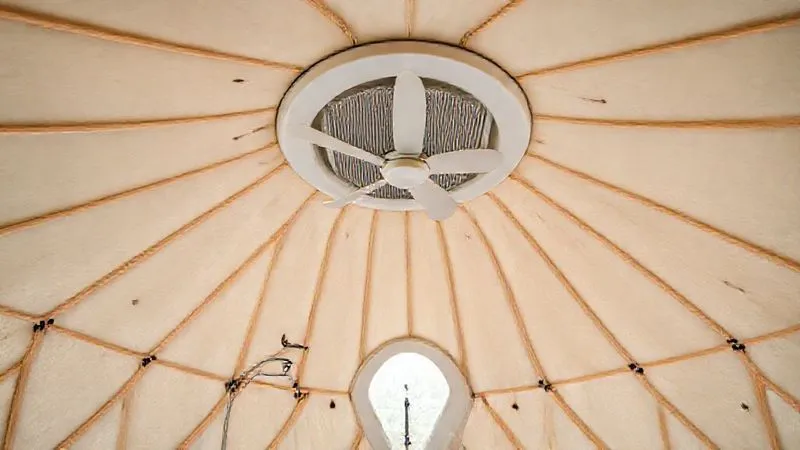
Mastering Humidity: Internal Moisture Management
Even with excellent ventilation, internal humidity can still be a challenge. This is where active humidity management comes into play, addressing the moisture that guests and daily activities introduce into the geodome environment.
Dehumidifiers: The Unsung Heroes
A well-sized dehumidifier can be an absolute game-changer in the fight against condensation and mold. These devices actively remove moisture from the air, lowering the dew point and preventing condensation on cold surfaces. For glamping geodomes, I recommend models with a continuous drainage option, so staff don't have to constantly empty water tanks.
Smart Material Choices
The materials you choose for your geodome's interior also play a role. Opt for breathable fabrics for bedding and upholstery where possible. Consider anti-condensate liners for the dome's interior shell; these materials are designed to absorb moisture and release it when conditions allow, preventing droplet formation.
Guest Habits and Education
A significant portion of internal humidity comes from guest activities. Educating your guests isn't about blaming them; it's about empowering them to be part of the solution. Provide clear, friendly instructions on:
- Minimizing indoor drying of wet clothes or towels.
- Using exhaust fans when cooking or showering.
- Opening vents or a window briefly after high-humidity activities.
- Reporting any signs of dampness or condensation to staff.
I once consulted for a glamping site where persistent mold issues were traced back to guests drying wet swimsuits on indoor clotheslines. A simple, polite sign explaining the ventilation system and suggesting outdoor drying racks completely resolved the problem. Communication is key.
| Dehumidifier Type | Best Use Case | Pros | Cons |
|---|---|---|---|
| Desiccant | Cold climates, unheated spaces | Effective at low temperatures, no compressor noise | Higher energy consumption, can warm air |
| Refrigerant (Compressor) | Warmer climates, heated spaces | Energy efficient at warmer temps, common | Less effective below 65°F (18°C), compressor noise |
| Whole-Home (HVAC Integrated) | Luxury domes with HVAC systems | Seamless integration, highly efficient | Complex installation, higher upfront cost |
Insulation: The Thermal Shield Against Condensation
Insulation is not just about keeping your guests warm; it's a critical component in how to prevent mold in glamping geodomes from condensation. By creating a thermal barrier, insulation raises the interior surface temperature of the dome's shell, keeping it above the dew point and preventing moisture from forming.
The Role of a Thermal Break
The core principle is to create a 'thermal break' between the cold exterior and the warm interior. Without insulation, the dome's outer shell acts as a direct conductor of cold. This leads to substantial temperature differences and, inevitably, condensation. Good insulation minimizes this thermal bridging, ensuring interior surfaces stay warmer.
Types of Geodome Insulation
Several insulation options are suitable for geodomes, each with its pros and cons:
- Reflective Multi-Layer Insulation: Often used in dome kits, these thin, reflective foils with air pockets are effective at blocking radiant heat transfer. They are lightweight and easy to install.
- Fiberglass or Mineral Wool Batts: If your dome structure allows for a cavity, traditional insulation batts can be installed. These offer excellent thermal resistance but require a vapor barrier on the warm side to prevent moisture absorption.
- Rigid Foam Boards: Materials like XPS or polyisocyanurate can be cut to fit the dome's facets. They offer high R-values for their thickness and are resistant to moisture, making them an excellent choice.
- Sprayed Foam Insulation: While more complex to apply, closed-cell spray foam offers a continuous, monolithic layer of insulation that also acts as an air and vapor barrier. This is a premium solution for optimal performance.
Properly insulating your geodome significantly reduces heat loss and, more importantly for our discussion, prevents the cold interior surfaces that are breeding grounds for condensation. For more in-depth information on insulation R-values and applications, resources like Energy Star's guide to insulation can provide valuable insights.
Advanced Strategies: Vapor Barriers and Anti-Condensate Coatings
Beyond standard insulation and ventilation, certain advanced techniques provide an extra layer of defense against moisture and mold. These are often integrated during the initial construction or refurbishment of a geodome.
The Inner Skin: Why Vapor Barriers Matter
A vapor barrier is a material that significantly reduces the diffusion of moisture through building assemblies. In a geodome, it's typically a thin, impermeable membrane installed on the 'warm in winter' side of the insulation layer. Its purpose is to stop water vapor from reaching the colder outer shell where it could condense within the insulation or on the dome's surface.
Without a proper vapor barrier, even well-insulated domes can trap moisture within their walls, leading to hidden mold growth and reduced insulation effectiveness. This is a critical component for long-term structural integrity and guest health.
Specialized Coatings
Another innovative solution involves applying specialized coatings to the interior surfaces of the dome. These can include:
- Anti-Condensate Coatings: These coatings have a microporous structure that can absorb small amounts of moisture and release it gradually, preventing the formation of visible water droplets.
- Hydrophobic Coatings: While less common for interior condensation, hydrophobic coatings can be applied to exterior surfaces to make water bead up and run off quickly, preventing water penetration and keeping the outer shell drier.
- Anti-Fungal/Anti-Microbial Paints: For an added layer of protection, particularly in high-humidity areas, interior paints with integrated anti-fungal properties can inhibit mold growth directly on surfaces.
- Select the Right Material: Choose a vapor barrier material appropriate for your climate and dome construction (e.g., polyethylene sheeting, foil-faced insulation).
- Install on the Warm Side: Position the vapor barrier on the interior side of your insulation, closest to the heated living space.
- Ensure Continuity: Overlap seams by at least 6 inches and seal them thoroughly with specialized vapor barrier tape. Any gaps or tears compromise its effectiveness.
- Avoid Punctures: Be mindful during subsequent installations (e.g., electrical outlets, shelving) to minimize punctures to the barrier.
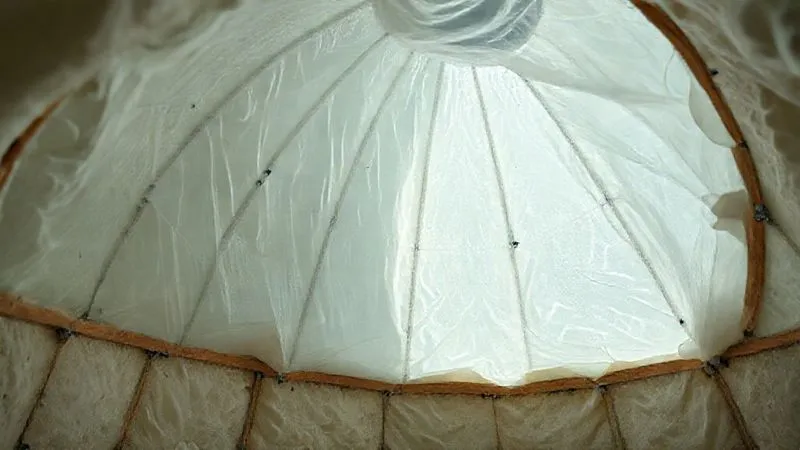
Proactive Maintenance: Your Long-Term Mold Prevention Plan
Even with the best design and installation, a robust, proactive maintenance plan is indispensable in the ongoing effort on how to prevent mold in glamping geodomes from condensation. It's about vigilance and consistent care.
Regular Inspections
Implement a routine inspection schedule for all your geodomes. This isn't just a quick walk-through; it's a detailed check for potential moisture issues. Focus on:
- Seams and Seals: Inspect all exterior and interior seams for any signs of degradation, cracks, or gaps where moisture could enter or condense.
- Vents and Openings: Ensure all ventilation systems are clean, unobstructed, and functioning correctly. Check for blockages from dust, debris, or insect nests.
- Common Problem Areas: Pay extra attention to corners, behind furniture, under beds, and around windows or doors—these are typical cold spots where condensation and mold often begin.
- HVAC/Dehumidifier Performance: Verify that all active humidity control systems are operating efficiently and that drainage lines are clear.
Cleaning Protocols
Should you discover any signs of mold or mildew, prompt and effective cleaning is crucial. Use appropriate personal protective equipment. For small areas, a solution of water and mild detergent or white vinegar can be effective. For larger or more stubborn mold, consider specialized mold removers. Always ensure the area is thoroughly dried after cleaning to prevent recurrence.
Seasonal Preparations
Your maintenance plan should adapt to the seasons. In colder months, emphasize insulation integrity, heater performance, and continuous dehumidification. In warmer, humid months, focus on maximizing ventilation and monitoring internal humidity levels closely. Winterizing and summer checks should be distinct and comprehensive.
Case Study: How 'Dome Haven Retreat' Conquered Persistent Condensation
Dome Haven Retreat, a popular glamping destination in a high-humidity coastal region, struggled with persistent condensation and mold despite having basic ventilation. Their management team was constantly battling musty smells and visible mildew, leading to negative guest reviews and costly interior replacements. They approached me seeking a permanent solution.
My initial assessment revealed several issues: their domes, while elevated, lacked sufficient under-platform airflow, and their passive apex vents were often obstructed. Critically, there was no active dehumidification or comprehensive guest education. The domes also used standard PVC liners without additional insulation, leading to significant thermal bridging.
We implemented a multi-pronged strategy. First, we installed small, continuous exhaust fans in each dome's bathroom and kitchen area, tied to occupancy sensors. Second, we retrofitted a thin, multi-layer reflective insulation system to the interior, creating a much-needed thermal break. Third, we placed smart dehumidifiers with continuous drainage in each unit, set to maintain optimal humidity levels. Finally, we developed an engaging "Dome Care Guide" for guests, explaining how their actions impact the dome's environment.
Within six months, Dome Haven Retreat saw a dramatic reduction in condensation and mold. Guest complaints about dampness vanished, and their interior maintenance costs plummeted by 40%. The investment in these solutions paid for itself within two years, proving that a holistic approach to moisture management is not just an expense, but a strategic investment in guest satisfaction and asset longevity. This holistic approach is key to truly understanding how to prevent mold in glamping geodomes from condensation.
For further guidance on effective mold remediation and preventative cleaning, consult reputable sources like the CDC's information on mold.
| Task | Frequency | Responsible | Notes |
|---|---|---|---|
| Inspect all vents and fans | Monthly | Maintenance Staff | Clean filters, ensure unobstructed airflow |
| Check dome seams and seals | Quarterly | Maintenance Staff | Look for cracks, degradation, signs of water ingress |
| Monitor dehumidifier performance | Weekly (during peak humidity) | Housekeeping/Maintenance | Ensure continuous drainage, check settings |
| Inspect under-dome area | Bi-annually | Maintenance Staff | Check for ground moisture, obstructions to airflow |
| Review guest feedback for dampness | Continuously | Management | Address issues promptly, adjust education |
Frequently Asked Questions (FAQ)
Question: Can I just use a portable heater to prevent condensation in my geodome? While a heater can raise the air temperature, it doesn't directly remove moisture. In fact, if not combined with ventilation, it can exacerbate the problem by allowing the warm, humid air to hold more moisture, which will then condense more aggressively on any cold surfaces. You need to balance heating with adequate ventilation and potentially dehumidification to be truly effective.
Question: How often should I run a dehumidifier in my glamping geodome? Ideally, a dehumidifier should run continuously or be set to maintain a target relative humidity (RH) level, typically between 40-55%. Modern smart dehumidifiers can sense the RH and turn on/off as needed. In high-humidity seasons or areas, continuous operation is often necessary to prevent moisture buildup and mold growth.
Question: Are there specific plants that can help absorb moisture in a geodome? While certain plants, like Boston ferns or peace lilies, can absorb a very small amount of airborne moisture, their effect on overall geodome humidity is negligible and certainly not a primary solution. They might even contribute to the problem if overwatered, adding moisture to the indoor environment. Focus on mechanical and structural solutions for effective humidity control.
Question: What's the difference between condensation and a leak, and how can I tell? Condensation typically appears as widespread dampness or droplets on interior surfaces, especially on colder parts of the dome, and often clears up with improved ventilation or dehumidification. A leak, however, will usually present as a localized drip or stream of water, often from a specific point like a seam, zipper, or a puncture in the dome material. You'll see water accumulating in a concentrated spot, regardless of interior humidity levels.
Question: Is it safe to use bleach to remove mold from geodome fabrics? While bleach can kill surface mold, it's often not recommended for porous materials like some fabrics, as it may not penetrate deep enough to kill mold roots and can damage or discolor the material. For fabric mold, a solution of white vinegar and water, or specialized fabric mold removers, are generally safer and more effective. Always test on an inconspicuous area first, and ensure thorough drying.
Key Takeaways and Final Thoughts
Mastering how to prevent mold in glamping geodomes from condensation is not a single fix, but a holistic strategy. It requires a deep understanding of environmental factors, thoughtful design choices, active management, and consistent maintenance. As an industry veteran, I've seen firsthand that investing in these preventative measures pays dividends, not just in preserving your assets, but in safeguarding your guests' health and enhancing their overall experience.
- Start with the Foundation: Elevate your dome and use vapor barriers to cut off ground moisture.
- Prioritize Ventilation: Implement both passive and active systems to ensure constant air exchange.
- Control Internal Humidity: Utilize dehumidifiers and educate guests on moisture-generating activities.
- Insulate Smartly: Create a thermal break to keep interior surfaces above the dew point.
- Leverage Advanced Solutions: Consider vapor barriers and anti-condensate coatings for comprehensive protection.
- Maintain Vigilance: Implement a rigorous inspection and cleaning schedule tailored to your climate.
Remember, a pristine, mold-free geodome is a testament to your commitment to quality and guest comfort. By implementing these expert-backed strategies, you're not just preventing a problem; you're cultivating an exceptional, worry-free glamping experience that guests will cherish and return to year after year. Your geodomes are investments in unique hospitality; protect them wisely.
Recommended Reading
- Is a Luxury All-Inclusive Beach Resort Truly Worth the Price? The Ultimate Guide
- Unlock the Secrets: Your Ultimate Luxury Yacht Cruise Tipping Etiquette Guide
- Tube Smart: Essential Safety Rules for Snow Tubing Hills You MUST Know
- 7 Steps to Safely Transport Your Racing Wheelchair on International Flights
- Powering Off-Grid Glamping Eco Pods: 7 Cost-Effective Strategies


Your email address will not be published. Required fields are marked *