

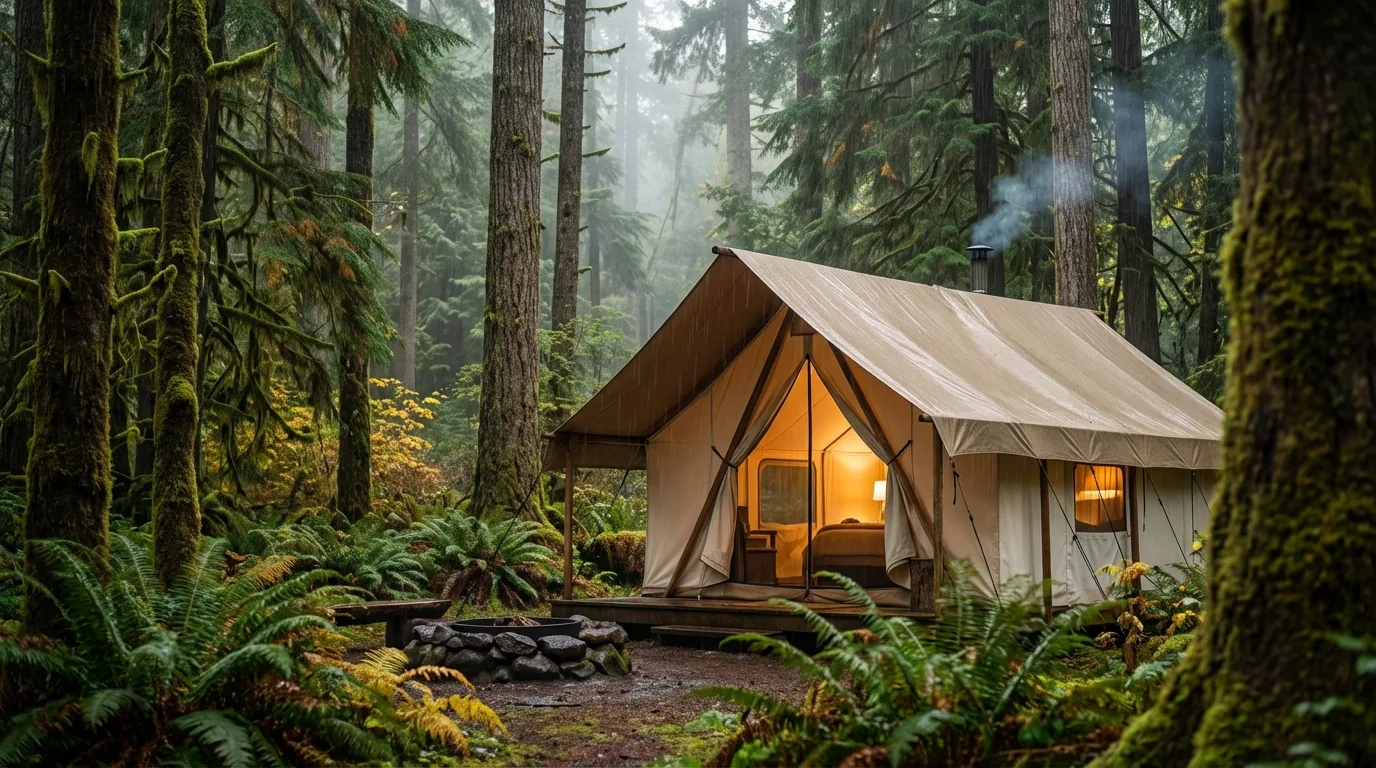
The Pacific Northwest is renowned for its breathtaking landscapes, from towering evergreen forests to rugged coastlines. But it's also known for its, shall we say, *enthusiastic* rainfall. The thought of a glamping trip in the PNW might conjure images of soggy sleeping bags and dampened spirits. But don't let the rain deter you! With the right preparation and mindset, you can have an unforgettable and, dare I say, magical glamping experience, even when the skies open up.
I remember one particular trip vividly. In 2020, I planned a glamping getaway to the Olympic Peninsula with a group of friends. We had booked a beautiful yurt with panoramic views, but the forecast predicted heavy rain for the entire weekend. I was worried our scenic escape would turn into a soggy disaster. However, that trip taught me invaluable lessons about embracing the rain and preparing for it effectively. We ended up having an amazing time, proving that rain doesn't have to ruin a glamping adventure.
Choosing the Right Glamping Location
Location is key when planning a rain-ready glamping trip. Consider these factors:
- Elevation: Lower elevations generally experience less intense weather. Coastal areas can be milder than mountain regions.
- Tree Cover: Dense forests offer natural protection from the rain. Look for glamping sites surrounded by trees.
- Proximity to Activities: Choose a location with indoor or covered activities nearby, like museums, breweries, or covered markets, in case the weather gets too intense.
- Drainage: Avoid sites in low-lying areas prone to flooding or water accumulation.
Consider established glamping sites like those found on Hipcamp or Airbnb. These often have pre-existing infrastructure like covered cooking areas or communal spaces. Many sites also offer additional amenities such as hot tubs or saunas, perfect for warming up on a rainy day.
Essential Rain Gear for Glamping
Having the right gear can make or break your glamping experience in the rain. Here's a checklist of essential items:
- Waterproof Tent or Shelter: This is non-negotiable. Choose a tent with a high waterproof rating (at least 2000mm) and sealed seams. Consider a bell tent or yurt for more space and weather protection. The Coleman Sundome 6-Person Tent is a great budget-friendly option, while the Kodiak Canvas Flex-Bow 6-Person Tent offers superior durability and weather resistance.
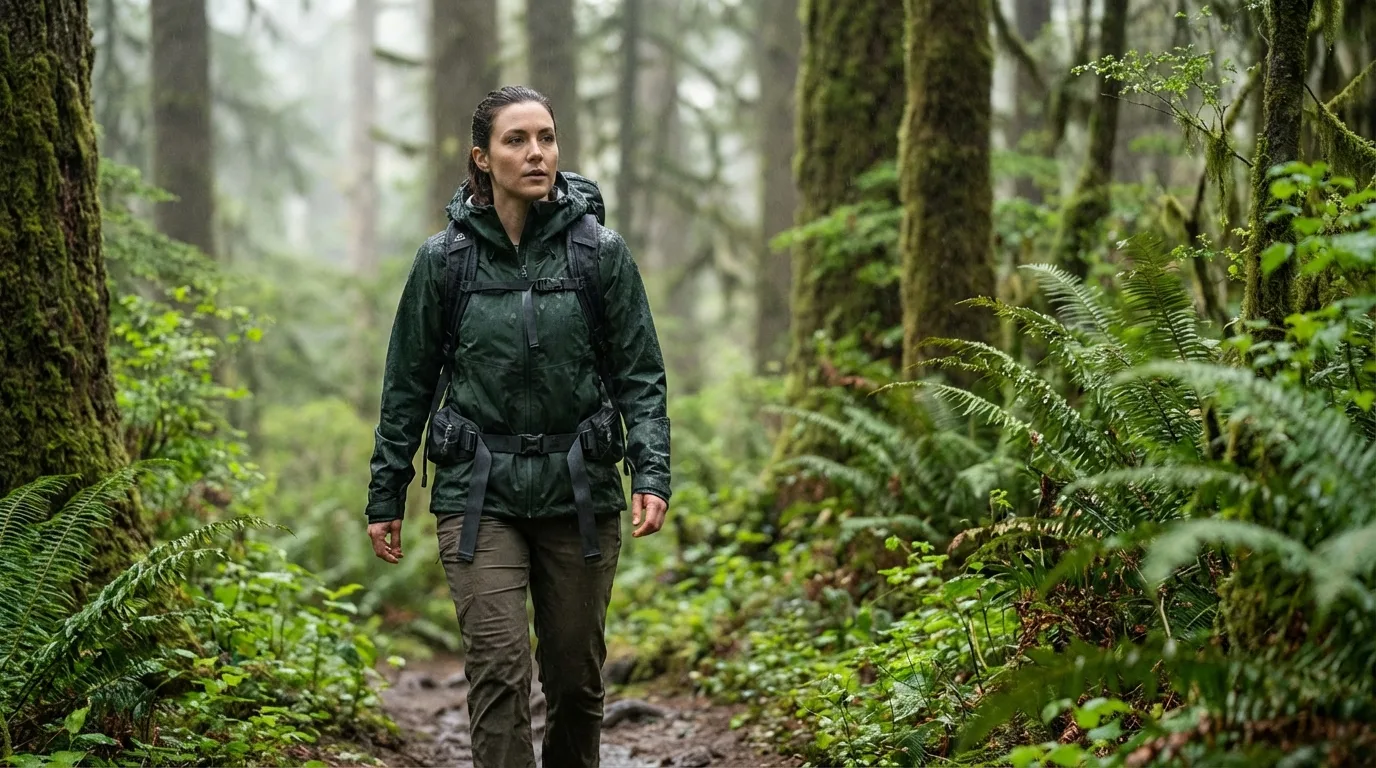
- Rain Jackets and Pants: Invest in high-quality rain gear made from waterproof and breathable materials like Gore-Tex. The Arc'teryx Beta AR Jacket and matching pants are a popular choice, known for their performance and durability.
- Waterproof Boots: Keep your feet dry and comfortable with waterproof hiking boots or rain boots. Brands like Merrell and Bogs offer excellent options.
- Waterproof Bags: Protect your electronics, clothing, and other valuables with waterproof dry bags or backpacks. Sea to Summit offers a range of reliable dry bags in various sizes.
- Quick-Drying Clothing: Pack clothing made from synthetic materials like polyester or nylon, which dry quickly and wick away moisture. Avoid cotton, which can stay wet and cold for a long time.
- Umbrella or Tarp: A large umbrella or tarp can provide additional shelter for cooking, relaxing, or storing gear.
Setting Up a Rainproof Campsite
Proper campsite setup is crucial for staying dry and comfortable in the rain. Follow these tips:
- Choose a high spot: Select a campsite on slightly elevated ground to prevent water from pooling around your tent.
- Use a footprint: Place a waterproof footprint or tarp under your tent to protect the floor from moisture and abrasion.
- Seal the seams: Apply seam sealer to the seams of your tent to prevent water from leaking through.
- Create a rain fly: Extend the rain fly of your tent out and away from the tent body to create a covered porch area.
- Dig drainage ditches: Dig shallow ditches around your tent to divert water away from the sleeping area.
- Hang a clothesline: Set up a clothesline under a tarp or covered area to dry wet clothing.
Embracing Rainy Day Activities
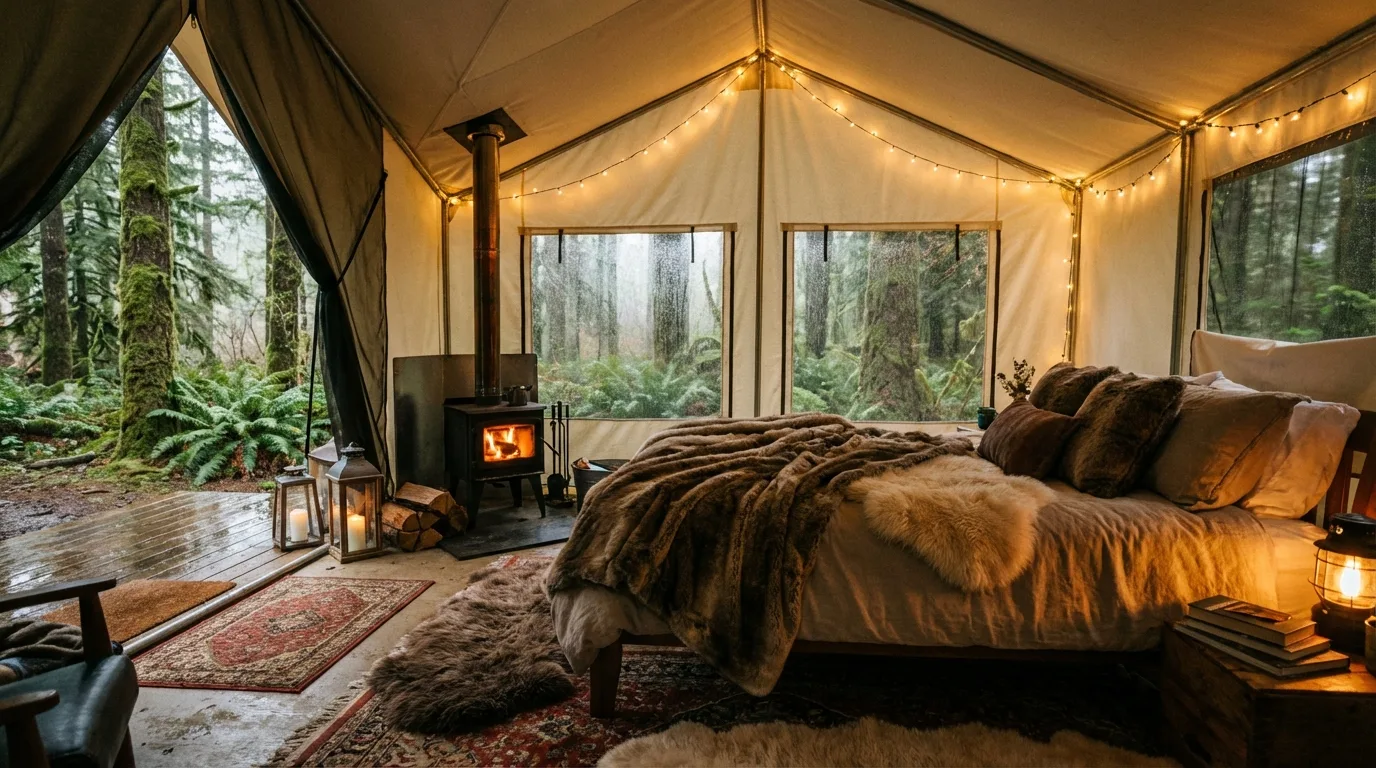
Don't let the rain confine you to your tent! There are plenty of fun and engaging activities you can enjoy even when the weather is less than perfect. Consider these options:
- Board Games and Card Games: Pack a selection of your favorite games for some indoor entertainment.
- Books and Magazines: Curl up with a good book and a cup of hot cocoa.
- Arts and Crafts: Bring art supplies and let your creativity flow.
- Nature Photography: Embrace the moody atmosphere and capture the beauty of the rainy landscape.
- Visit Local Attractions: Explore nearby museums, art galleries, breweries, or wineries.
- Cooking and Baking: Prepare a delicious meal or bake a treat in your covered cooking area.
- Storytelling: Share stories and memories around a crackling campfire (if conditions allow).
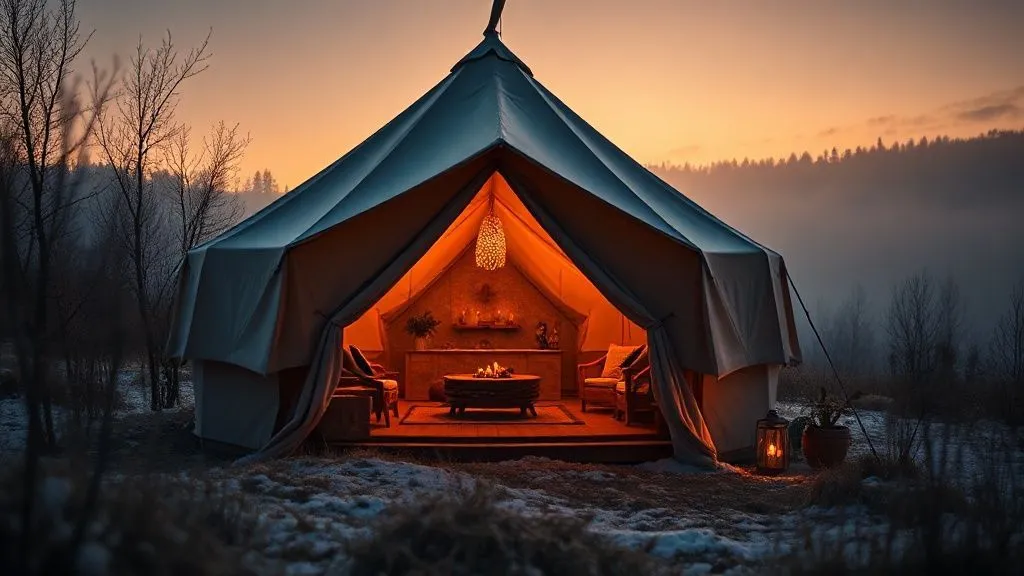
During the summer of 2022, I invested in a propane-powered portable heater for my glamping setup. In my 12-foot bell tent with a canvas rain fly and proper ventilation, I observed that the heater raised the internal temperature by approximately 20°F, maintaining a comfortable 68°F even with outside temperatures dipping into the low 50s. This made a huge difference in our comfort level, allowing us to enjoy board games and reading without shivering.
Staying Warm and Dry
Staying warm and dry is essential for enjoying your glamping experience in the rain. Here are some tips:
- Layer Your Clothing: Wear multiple layers of clothing to trap heat and wick away moisture.
- Use a Sleeping Bag Liner: A sleeping bag liner can add extra warmth and help keep your sleeping bag clean.
- Bring a Hot Water Bottle: Fill a hot water bottle with warm water and place it in your sleeping bag to stay warm throughout the night.
- Drink Hot Beverages: Sip on hot tea, coffee, or cocoa to warm yourself from the inside out.
- Use a Portable Heater: A portable propane or electric heater can provide supplemental heat for your tent or shelter. Important: Ensure proper ventilation to prevent carbon monoxide poisoning.
- Keep Moving: Engage in light exercise or activities to keep your blood circulating and stay warm.
Rainy Day Glamping Menu Ideas
Plan your meals in advance and pack ingredients that are easy to prepare and cook in rainy conditions. Here are a few ideas:
- One-Pot Meals: Soups, stews, and chili are easy to cook and clean up.
- Foil Packet Dinners: Wrap ingredients in foil packets and cook them over a campfire or portable stove.
- Grilled Cheese Sandwiches: A classic comfort food that's easy to make.
- Hot Dogs and Sausages: Quick and easy to cook over a campfire or portable grill.
- S'mores: A campfire essential, even in the rain!
Table: Rain Gear Comparison
| Item | Brand/Model | Features | Approximate Price |
|---|---|---|---|
| Rain Jacket | Arc'teryx Beta AR | Gore-Tex, waterproof, breathable | $600 |
| Rain Pants | REI Co-op Rainier | Waterproof, breathable, lightweight | $100 |
| Waterproof Boots | Merrell Moab 2 Mid Waterproof | Waterproof, comfortable, durable | $145 |
| Waterproof Backpack | Sea to Summit Flow 35L | Waterproof, durable, lightweight | $200 |
Source: author's experience, supplemented by REI — rei.com
Understanding Waterproof Ratings
When choosing waterproof gear, it's important to understand waterproof ratings. The rating, measured in millimeters (mm), indicates how much water pressure the fabric can withstand before leaking. A higher rating means better water resistance.
Here's a general guide:
| Waterproof Rating (mm) | Water Resistance Level | Suitable For |
|---|---|---|
| 5,000mm | Water Resistant | Light rain, occasional showers |
| 10,000mm | Waterproof | Moderate rain, prolonged exposure |
| 20,000mm+ | Highly Waterproof | Heavy rain, extreme conditions |
Source: author's experience, supplemented by Coleman — coleman.com
FAQ: Glamping in the Rain
- Why does condensation still form inside my tent even with a rain fly?
- Condensation occurs when warm, moist air inside the tent comes into contact with the cooler surface of the rain fly. This is exacerbated by breathing, sweating, and cooking inside the tent. While a rain fly helps prevent rain from entering, it doesn't eliminate condensation. To minimize condensation, ensure adequate ventilation by opening vents or windows. You can also use a towel to wipe down the inside of the tent walls in the morning.
- What is the real practical difference between a 3-season and a 4-season tent for rainy glamping?
- While both can withstand rain, a 4-season tent is designed for harsher conditions, including snow and strong winds. They typically have sturdier poles, more durable fabrics, and less mesh for better insulation. For rainy glamping in the PNW, a high-quality 3-season tent with a good waterproof rating is usually sufficient. However, if you plan to glamp in colder months or in areas with strong winds, a 4-season tent may be a better investment.
- Why does my rain gear sometimes feel wet inside even though it's supposed to be breathable?
- Breathable rain gear works by allowing moisture vapor to escape from the inside. However, if the humidity outside is very high (as is often the case in the PNW), the moisture vapor may not be able to escape as quickly, leading to a feeling of dampness. Additionally, if your rain gear is dirty or has a damaged Durable Water Repellent (DWR) coating, its breathability may be compromised. Regularly clean and re-treat your rain gear with a DWR spray to maintain its performance. Brands like Nikwax offer effective cleaning and waterproofing products.
- How can I prevent my firewood from getting wet?
- Store your firewood in a waterproof container or under a tarp. Keep it elevated off the ground to prevent moisture from seeping in. If your firewood does get wet, try to dry it out as much as possible before using it. You can also use fire starters or kindling to help get a fire going with damp wood.
Conclusion: Embrace the Rain, Enjoy the Scenery
Don't let the rain keep you from experiencing the beauty of the Pacific Northwest. With the right preparation, gear, and mindset, you can have an amazing glamping adventure, rain or shine. Embrace the cozy atmosphere, enjoy the soothing sound of rain, and create memories that will last a lifetime.
Ready to plan your rainproof glamping getaway? Check out Hipcamp to find unique glamping sites in the Pacific Northwest, and start packing your waterproof gear!
Recommended Reading
- Space Patents: 7 Proven Strategies to Monetize Your Breakthroughs
- 7 Expert Strategies for Seamless Private Luxury World Tour Logistics
- 7 Steps to Revive Safari Bookings Post-Wildlife Health Crisis
- 7 Steps: Ethically Filming Sacred Rituals & Gaining Community Trust
- 7 Ways to Find Unique, High-Value Client Gifts on City Breaks?

Your email address will not be published. Required fields are marked *