


How to Secure Insurance Coverage for Novel Space Tourism Ventures?
For over two decades in the nascent, thrilling, and often unpredictable realm of space exploration and commercialization, I've witnessed firsthand the audacious dreams and the daunting realities that come with pushing humanity's boundaries. From early satellite launches to the burgeoning era of private spaceflight, one critical element often determines success or failure long before liftoff: robust risk mitigation, spearheaded by comprehensive insurance.
The problem is stark: traditional insurance models, honed over centuries for terrestrial risks, often falter when confronted with the vacuum of space, the immense energies of a launch, or the unprecedented liabilities of human spaceflight. For novel space tourism ventures, this isn't just a gap; it's a chasm. How do you quantify the risk of a new propulsion system, the psychological impact of microgravity on a paying customer, or the long-term liability for an orbital hotel? These are questions that keep even the most seasoned underwriters awake at night, and they pose an existential threat to ambitious space tourism startups.
In this definitive guide, I will share my accumulated expertise and provide you with a structured, actionable framework to navigate this complex landscape. We will delve into the intricacies of space insurance, from understanding unique risk profiles to engaging with specialized underwriters, crafting compelling proposals, and ensuring long-term coverage. My goal is to equip you with the insights and strategies needed to secure the vital insurance coverage that will not only protect your venture but also instill confidence in investors, partners, and, most importantly, your pioneering space tourists.
The Uncharted Territory of Space Risk
The risks associated with space tourism are, quite literally, out of this world. Unlike a commercial airline flight or a deep-sea dive, spaceflight introduces a cascade of variables that have no direct terrestrial analogue. I've observed countless startups underestimate the sheer breadth of these risks, often focusing solely on the dramatic launch failures while overlooking the more insidious, yet equally catastrophic, operational or liability exposures.
Think about it: a rocket launch involves controlled explosions, extreme temperatures, and immense G-forces. Once in orbit, your spacecraft is exposed to radiation, micrometeoroids, and orbital debris. For human passengers, the physiological and psychological stresses are profound, and the medical infrastructure available in space is, by necessity, limited. Then there's the return journey, re-entry, and landing, each phase presenting its own unique set of dangers. From my perspective, understanding and articulating these risks is the first, non-negotiable step in securing any meaningful insurance policy.
Moreover, the regulatory environment is a patchwork of national and international laws, many of which were conceived long before private citizens envisioned vacationing in orbit. Determining liability in the event of an incident, especially across international borders or involving multiple private entities, adds another layer of complexity. This isn't just about protecting assets; it's about safeguarding your entire enterprise from unforeseen legal and financial ruin.
Understanding the Space Insurance Ecosystem
The space insurance market is a highly specialized niche, a far cry from your everyday auto or home insurance. It's dominated by a relatively small number of expert brokers and underwriters who possess deep technical understanding of aerospace engineering, orbital mechanics, and international space law. I’ve seen many new entrants make the mistake of approaching generalist insurers, only to be met with blank stares or exorbitant, irrelevant quotes.
Key Players in the Space Insurance Market:
- Specialized Brokers: These are your essential navigators. They act as intermediaries between your venture and the underwriters, possessing the relationships and expertise to articulate your unique risks in a language insurers understand.
- Underwriters: These are the risk assessors. They work for insurance companies (often syndicates at Lloyd's of London, or major global reinsurers) and evaluate your proposal, setting premiums and terms based on their assessment of your risk profile.
- Reinsurers: Given the high value and catastrophic potential of space risks, primary insurers often offload a portion of their risk to reinsurers, distributing the financial burden across multiple entities.
"In the realm of space insurance, your broker isn't just a salesperson; they are your advocate, translator, and strategist. Their ability to frame your innovation within an understandable risk matrix is paramount to securing viable coverage."
The market is characterized by high premiums, limited capacity, and a meticulous underwriting process. Insurers are looking for data, transparency, and a demonstrated commitment to safety and risk management. As marketing guru Seth Godin often says, "The market chooses you." In space insurance, the market chooses those who prove they are exceptionally well-prepared and rigorously managed. Your understanding of this ecosystem is your first advantage.
Deconstructing the Risks: What Needs Coverage?
Before you can ask for insurance, you must intimately understand what you need to insure. This goes far beyond the obvious rocket explosion. From my vantage point, a holistic risk assessment for a space tourism venture must encompass several distinct categories, each requiring tailored coverage.
- Pre-Launch & Launch Risks: This covers everything from component manufacturing defects, ground operations accidents, to the actual launch failure. It includes damage to the launch vehicle, payload, and third-party property on the ground.
- In-Orbit Risks: Once your spacecraft is in space, it faces threats from space debris, radiation damage, system failures, and potential collision with other objects. This covers damage to the spacecraft itself and its ability to perform its mission.
- Re-entry & Landing Risks: The critical phase of returning to Earth, including atmospheric re-entry stresses, parachute deployment, and safe landing.
- Third-Party Liability: This is crucial. What happens if your rocket debris falls on a populated area? What if a space tourist's actions cause damage to another orbital asset? This covers bodily injury or property damage to non-participating third parties.
- Passenger/Astronaut Liability: The most sensitive area. This covers injury, illness, or death of paying space tourists. It's complex due to the novel environment and potential long-term health effects.
- Business Interruption & Contingency: What if a launch delay or mission failure cripples your ability to operate? This covers financial losses due to unforeseen events impacting your business continuity.
- Cybersecurity Risks: With increasing reliance on complex digital systems for mission control, navigation, and passenger data, cyber threats are a growing concern for any space operation.
Case Study: Celestial Cruises' Pre-Launch Pivot
Celestial Cruises, a fictional startup aiming to offer suborbital flights, initially focused heavily on launch vehicle insurance. However, during their due diligence, I advised them to deeply analyze their ground operations. They discovered a significant vulnerability in their fuel handling protocols, which, while compliant, had a higher-than-average risk of minor incidents. By investing in advanced automated fueling systems and securing specific pre-launch ground operations liability coverage, they not only mitigated a critical risk but also demonstrated a proactive safety culture to their underwriters, leading to more favorable terms on their overall policy. This meticulous deconstruction of risks prevented potential catastrophic financial and reputational damage before their first ticket was even sold.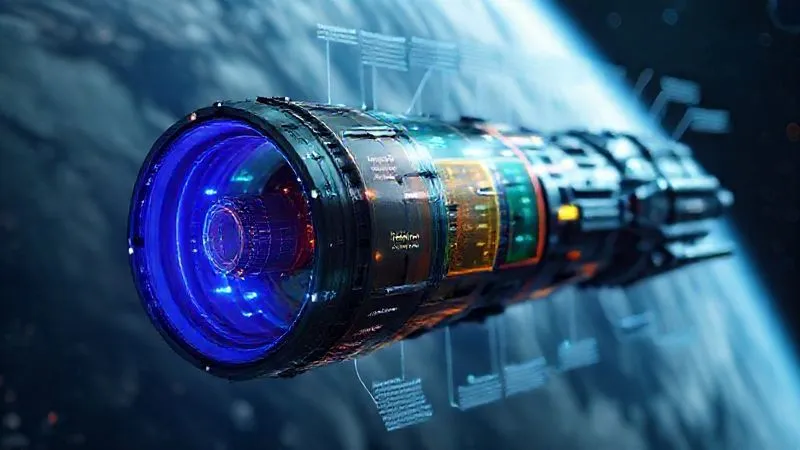
Crafting Your Insurance Proposal: A Data-Driven Approach
Securing insurance for novel space tourism ventures isn't about filling out a standard form; it's about presenting a meticulously crafted narrative backed by robust data. Insurers are inherently risk-averse, and your job is to transform their perception of your 'novelty' from an unknown risk into a calculated, manageable one. This requires an extraordinary level of transparency and detail.
Key elements of a compelling proposal include:
- Detailed Technical Specifications: Provide comprehensive data on your launch vehicle, spacecraft, propulsion systems, and all critical components. Include design schematics, materials science data, and performance metrics.
- Operational Procedures & Safety Protocols: Outline every step of your operations, from manufacturing and assembly to pre-flight checks, launch sequences, in-orbit procedures, and emergency protocols. Emphasize redundant systems and fail-safes.
- Team Expertise: Highlight the experience and qualifications of your key personnel, especially those in engineering, operations, and safety. A seasoned team inspires confidence.
- Test Flight Data & Simulations: This is paramount. Actual test flight results, even for sub-components, provide invaluable real-world data. Couple this with extensive simulation results demonstrating performance under various failure modes.
- Financial Projections & Business Plan: Insurers need to understand the financial viability and long-term strategy of your venture. A well-articulated business plan demonstrates stability.
- Regulatory Compliance: Document adherence to all relevant national and international space regulations, licenses, and permits.
The Role of Actuarial Science in Novel Ventures
For truly novel ventures, historical data is scarce, making traditional actuarial science challenging. However, this doesn't mean it's impossible. Insurers will rely heavily on analogue data from related industries (e.g., aviation safety records, offshore oil rig safety, even extreme sports injury rates) and advanced probabilistic risk assessments. Your proposal should incorporate your own internal actuarial modeling, demonstrating a deep understanding of potential failure rates and their associated financial impacts. According to a Deloitte study on emerging risks, the ability to quantify and model uncertainty is a key differentiator for innovative companies seeking insurance.
| Risk Category | Probability (Estimated) | Max Loss (USD) | Mitigation Strategy |
|---|---|---|---|
| Launch Failure | 1 in 100 | $200M | Redundant systems, rigorous testing |
| In-Orbit System Failure | 1 in 50 | $50M | On-board diagnostics, ground control intervention |
| Passenger Injury/Fatality | 1 in 1000 | $10M/passenger | Extensive training, medical readiness |
| Third-Party Property Damage | 1 in 500 | $100M | Flight path optimization, debris mitigation |

Navigating Regulatory Hurdles and International Treaties
Space tourism operates within a unique legal vacuum, or rather, a partial vacuum filled with an intricate web of national laws and international treaties. As an expert in this field, I can tell you that understanding and demonstrating compliance with these regulations is not just good practice; it's a prerequisite for any insurance underwriter. They want to see that your venture is legally sound and operates within established (or emerging) frameworks.
The primary international framework is the Outer Space Treaty of 1967, which establishes fundamental principles like the non-appropriation of space and the liability of launching states for damage caused by space objects. This is where the concept of 'launching state' liability becomes paramount. Even if your company is private, the nation from which you launch is ultimately responsible under international law. This often necessitates that your national government, or its designated authority, license and supervise your activities, and may even require you to indemnify the government against its international liabilities. For more on this, the United Nations Office for Outer Space Affairs (UNOOSA) provides excellent resources.
Beyond international treaties, national laws vary significantly. The U.S., for example, has the Commercial Space Launch Act, which mandates liability insurance for licensed launches. Other nations are developing their own frameworks. Your insurance proposal must clearly articulate how your venture complies with:
- National Launch Licensing: Ensuring you have all necessary permits and licenses from your launching state's regulatory bodies.
- Third-Party Liability Requirements: Meeting the minimum insurance requirements for damage to non-participants, which can be substantial (e.g., hundreds of millions of dollars).
- Passenger Safety Regulations: Adhering to any specific safety or informed consent requirements for space tourists, which are still evolving.
- Environmental Protection: Demonstrating measures to prevent space debris, protect the orbital environment, and ensure safe re-entry.
Navigating these legal complexities often requires specialized legal counsel alongside your insurance broker. The intersection of law and insurance in space tourism is a frontier in itself, and demonstrating proactive engagement with both is a powerful signal to underwriters that you are a responsible and well-governed entity.
The Negotiation Table: Strategies for Optimal Coverage
Once your meticulously prepared proposal is submitted, the real work of negotiation begins. This isn't a passive waiting game; it's an active dialogue where your expertise and transparency will be tested. I've found that the most successful ventures approach negotiations with a clear strategy and a willingness to educate their underwriters.
Strategies for effective negotiation:
- Educate Your Underwriter: Remember, space tourism is new. Be prepared to explain your technology, operations, and safety culture in detail. Use visuals, simulations, and analogies to bridge knowledge gaps.
- Be Transparent About Risks: Don't hide or downplay potential risks. Instead, present them openly and immediately follow up with your mitigation strategies. This builds trust.
- Leverage Your Safety Record (Even if Limited): If you have successful test flights, component testing, or a strong safety culture from analogue industries, highlight it. Data, however sparse, is gold.
- Consider Layered Coverage: For high-value assets or significant liabilities, insurers often offer coverage in 'layers.' This means multiple insurers each take a portion of the risk, which can increase overall capacity and potentially lead to more competitive pricing.
- Negotiate Terms, Not Just Price: While premiums are important, the terms and conditions of your policy (e.g., exclusions, deductibles, notification clauses, claims process) are equally critical. A cheap policy with onerous exclusions is no protection at all.
- Long-Term Relationship Building: Space insurance is a long game. Foster strong, transparent relationships with your brokers and underwriters. They are partners in your journey.
"In space insurance negotiations, the most powerful currency isn't just money; it's trust, built on transparency and a demonstrable commitment to safety and excellence. Show them you understand the risks better than anyone, and you're already halfway there."
Be prepared for a back-and-forth process. Underwriters may request additional data, site visits, or interviews with your technical team. Embrace this as an opportunity to further demonstrate your professionalism and commitment to safety. Every question answered comprehensively reinforces your credibility.
Beyond Launch: Sustaining Coverage and Adapting to Evolution
Securing initial launch and in-orbit coverage is a monumental achievement, but the journey doesn't end there. Space tourism is an evolving field, and your insurance needs will evolve with it. From my experience, neglecting the ongoing management of your insurance portfolio is a common oversight that can lead to significant vulnerabilities down the line.
Key considerations for sustained coverage:
- Regular Policy Review: Your operations, technology, and passenger profiles will change. Your insurance policies must reflect these changes. Annual reviews with your broker are essential to ensure adequate coverage and adjust premiums accordingly.
- Post-Mission Analysis: Every flight, successful or otherwise, generates invaluable data. Share this data with your insurers (anonymized where necessary for proprietary information) to demonstrate continuous improvement in safety and operations. This can positively influence future premiums.
- Adapting to Regulatory Changes: As the space tourism industry matures, so too will its regulatory framework. Stay abreast of new laws and international agreements, and proactively adjust your operations and insurance to remain compliant. For instance, the FAA's Office of Commercial Space Transportation is constantly updating its guidelines.
- Claims Management: Understand your policy's claims procedure thoroughly. In the event of an incident, a swift, well-documented claim process can significantly reduce the financial impact and maintain your relationship with insurers.
| Phase | Key Coverage | Review Frequency |
|---|---|---|
| Pre-Launch | Launch Liability, Ground Operations | Quarterly |
| Launch & Ascent | Launch Vehicle, Payload, Third-Party Liability | Per Mission |
| In-Orbit Operations | In-Orbit Performance, Passenger Liability | Annually |
| Re-entry & Landing | Re-entry Liability, Property Damage | Per Mission |
| Post-Mission | Long-Term Passenger Health, Regulatory Fines | Annually |
The space insurance market itself is dynamic. New players may emerge, capacity might increase, and pricing structures could shift. Maintaining a proactive dialogue with your broker ensures you're always positioned to take advantage of new opportunities for better coverage or more favorable terms. This continuous engagement is vital for long-term viability.
Building a Resilient Risk Management Framework
Ultimately, insurance is a financial safeguard, but it's not a substitute for robust risk management. In my extensive career, I've seen that the ventures that thrive are those that embed a culture of safety and risk mitigation into every fiber of their operations. Insurance underwriters are not just looking for a check; they're looking for partners who are committed to minimizing risks at every turn.
A comprehensive risk management framework for space tourism should include:
- Safety Management System (SMS): A formal, documented system for managing safety risks, including hazard identification, risk assessment, mitigation, and safety assurance.
- Emergency Response Plan (ERP): Detailed procedures for responding to every conceivable emergency, both on the ground and in space, including rescue, medical support, and communication protocols.
- Crew Training & Certification: Rigorous training programs for pilots, mission specialists, and ground control personnel, ensuring they are certified and proficient in all operational and emergency procedures.
- Passenger Screening & Training: Clear medical and psychological screening protocols for space tourists, coupled with comprehensive pre-flight training to prepare them for the unique environment of spaceflight.
- Supply Chain Risk Management: Ensuring the reliability and quality of all components and services from third-party suppliers. A single faulty component can jeopardize an entire mission. For insights into supply chain resilience, consider resources from institutions like Harvard Business Review.
This holistic approach to risk management not only makes your venture inherently safer but also significantly enhances your attractiveness to insurers. It demonstrates a proactive, responsible ethos that transforms 'novel' risk into 'managed' risk, paving the way for more comprehensive and affordable insurance solutions. It's about demonstrating due diligence on an unprecedented scale.
Frequently Asked Questions (FAQ)
Question? Is it possible for a novel space tourism venture to get full, comprehensive insurance coverage similar to traditional aviation?
Answer: While comprehensive, the coverage for novel space tourism ventures will differ significantly from traditional aviation. The unique risks of spaceflight mean that policies are highly customized, often layered across multiple underwriters, and may have higher deductibles and more specific exclusions. 'Full' coverage in space tourism implies extensive protection against identified risks, but it's crucial to understand that the scope and terms will always reflect the frontier nature of the industry, rather than mirroring the mature, highly standardized aviation market.
Question? How do insurers assess the risk of a completely new propulsion system or spacecraft design with no flight heritage?
Answer: Insurers rely heavily on a combination of engineering analysis, expert opinions, simulation data, and analogue comparisons. They will scrutinize the design, materials, manufacturing processes, quality control, and testing protocols. They’ll also look at the experience of the engineering team and the rigor of the safety management system. Probabilistic risk assessments (PRAs) and fault tree analyses become critical tools to quantify potential failure modes and their likelihood, even without direct flight heritage. This is where your detailed technical proposal and transparency are paramount.
Question? What are the biggest challenges in insuring passenger liability for space tourists, especially concerning long-term health effects?
Answer: The biggest challenges are the lack of long-term data on human health in space for commercial passengers, the novel legal frameworks, and the potential for high-value claims. Policies typically require extensive informed consent waivers from passengers, acknowledging the inherent risks. However, these waivers don't always fully absolve operators of all liability. Insurers will look for robust medical screening protocols, emergency medical capabilities, and clear post-flight health monitoring plans. The industry is still grappling with how to quantify and cover potential long-term health effects like accelerated aging or increased cancer risk, often leading to specific exclusions or very high premiums for such coverage.
Question? Can a small startup realistically afford space tourism insurance, or is it only for well-funded corporations?
Answer: While space insurance is undeniably expensive, it is not exclusively for large corporations. Small startups can and do secure coverage, but it requires meticulous planning, a strong safety culture, and a clear, data-backed proposal. The cost will depend heavily on the specific risks, the scope of operations, and the level of coverage desired. Startups often begin with more limited coverage, progressively expanding as they gain flight heritage and financial stability. Strategic partnerships, government support programs, and innovative financing models can also help offset costs. Neglecting insurance is a false economy that can lead to catastrophic failure.
Question? How does the international nature of space tourism (e.g., launching from one country, passengers from another) affect insurance policies?
Answer: The international aspect adds significant complexity. Insurance policies must consider the laws and regulations of the launching state, the flag state of the spacecraft, and potentially the home countries of the passengers. This often requires navigating multiple legal jurisdictions and ensuring compliance with international treaties like the Outer Space Treaty. Policies may include 'conflict of laws' clauses or be structured to cover liabilities under various national and international legal frameworks. Your specialized space insurance broker will be instrumental in stitching together a policy that addresses these multi-jurisdictional challenges, often involving a syndicate of international underwriters.
Key Takeaways and Final Thoughts
- Proactive Risk Identification: Intimately understand and deconstruct every conceivable risk, from launch to landing and beyond, specific to your novel space tourism venture.
- Engage Specialized Expertise: Work exclusively with experienced space insurance brokers and underwriters who understand the unique complexities of aerospace risk.
- Data-Driven Proposals: Present a meticulously documented proposal, rich with technical specifications, operational procedures, test data, and actuarial insights. Transparency builds trust.
- Navigate Regulatory Labyrinths: Demonstrate unwavering compliance with national space laws and international treaties, which are fundamental to securing viable coverage.
- Strategize Negotiations: Approach the negotiation table as an opportunity to educate insurers, leverage your safety culture, and secure optimal terms, not just the lowest premium.
- Embrace Continuous Management: Insurance is an ongoing process. Regularly review and adapt your policies as your operations evolve and the regulatory landscape shifts.
- Build a Resilient Framework: Remember that insurance is a safety net, not a replacement for a comprehensive, embedded culture of safety and robust risk management.
Securing insurance coverage for novel space tourism ventures is arguably one of the most challenging, yet crucial, hurdles you will face. It demands foresight, meticulous preparation, and an unwavering commitment to safety and transparency. But by following the structured approach I've outlined, by leveraging expert guidance, and by building a venture that prioritizes safety at its core, you can demystify this complex process. You can secure the protection needed to not only launch your audacious dreams into orbit but also to ensure their sustainable and prosperous journey among the stars. The future of space tourism is bright, and with the right safeguards, your place in it is assured.
Recommended Reading
- 5 Critical Steps: Spotting Hypothermia in Partner on Alpine Trek, What to Do?
- Suborbital Incidents: 7 Urgent Legal Implications for Space Tourism
- 5 Expert Strategies: Navigating Luxury Cruise Itinerary Changes Seamlessly
- Unlock the Secrets: Enjoy Urban Parks on a Budget City Break!
- Guaranteed Accessibility: 5 Steps for Complex Mobility Travelers





Your email address will not be published. Required fields are marked *