

The Ultimate Guide to Protecting Marine Life While Traveling to Beaches
Have you ever gazed into the mesmerizing depths of the ocean, only to wonder about the silent struggles unfolding beneath its surface? The allure of pristine beaches and vibrant marine ecosystems draws millions of travelers worldwide, promising relaxation, adventure, and breathtaking beauty. Yet, this very appeal, when coupled with unawareness, inadvertently contributes to the degradation of these delicate environments.
The urgent question facing us today is how we can reconcile our desire for coastal getaways with the critical need to preserve the very natural wonders that attract us. Unchecked tourism, pollution, and unsustainable practices threaten to irreversibly alter the marine landscapes we cherish, endangering countless species and disrupting vital ecological balances.
This comprehensive guide will equip you with the knowledge and practical steps to become a conscientious traveler, ensuring your adventures leave a positive impact and help protect marine life while traveling to beaches. By the end of this reading, you will understand the profound impact of your choices and be empowered to contribute meaningfully to ocean conservation, transforming your beach holidays into acts of stewardship.
Understanding the Fragility of Coastal Ecosystems
Before diving into actionable steps, it's crucial to grasp the inherent fragility and immense importance of coastal and marine ecosystems. These areas are not just beautiful backdrops for our vacations; they are complex, interconnected webs of life that provide essential services to the planet.
The Interconnected Web of Life
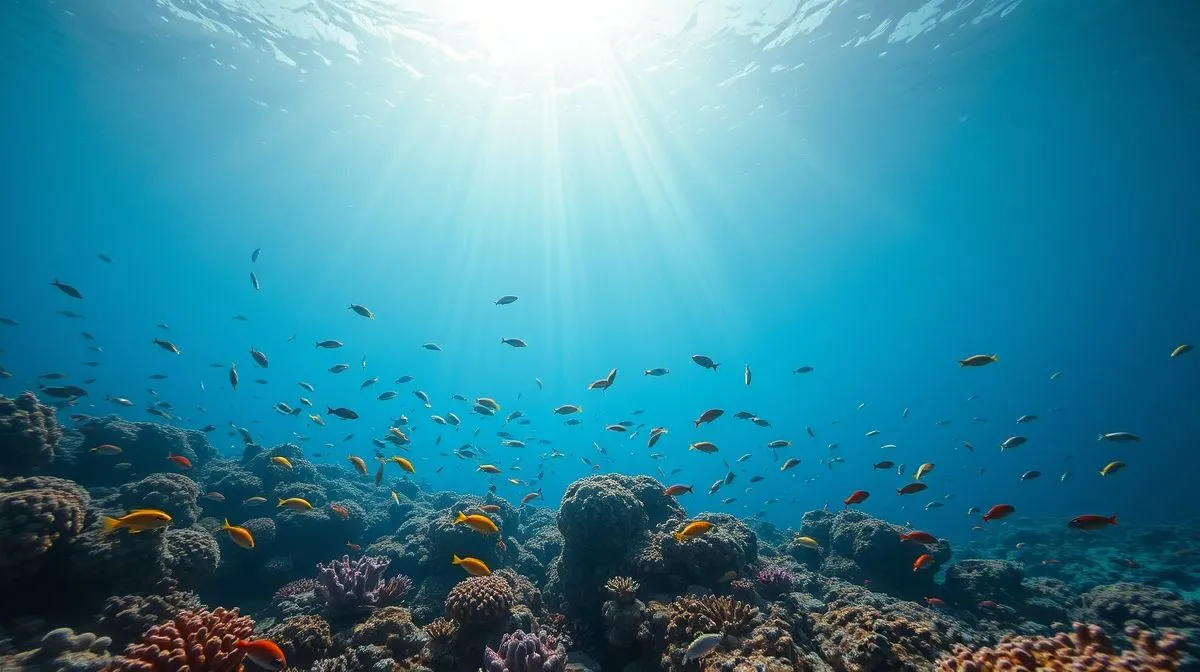
Coastal ecosystems, including coral reefs, mangrove forests, seagrass beds, and sandy beaches, are among the most biodiverse habitats on Earth. They serve as nurseries for countless fish species, provide foraging grounds for marine mammals, and are critical nesting sites for sea turtles and migratory birds. Each component plays a vital role in maintaining the health and balance of the entire system.
- Coral Reefs: Often called the 'rainforests of the sea,' these intricate structures support a quarter of all marine species. They protect coastlines from erosion and storms, and their health is a direct indicator of ocean vitality.
- Mangrove Forests: These unique trees thrive in saltwater, forming dense coastal barriers that prevent erosion, filter pollutants, and act as vital breeding grounds for fish and crustaceans.
- Seagrass Beds: Submerged flowering plants that provide food and shelter for marine life, stabilize seabed sediments, and are highly efficient at absorbing carbon dioxide from the atmosphere.
Disrupting one part of this web can have cascading effects, weakening the entire system. Understanding this delicate balance is the first step towards becoming a responsible marine advocate.
Key Threats to Marine Biodiversity
While natural phenomena impact marine life, human activities pose the most significant and rapidly accelerating threats. Our actions, both direct and indirect, are pushing many marine species and ecosystems to the brink.
- Plastic Pollution: An estimated 8 million tons of plastic enter our oceans annually. This plastic breaks down into microplastics, ingested by marine animals, leading to starvation, internal injuries, and entanglement.
- Climate Change: Rising ocean temperatures cause coral bleaching, while ocean acidification, due to increased CO2 absorption, makes it harder for shellfish and corals to form their shells and skeletons.
- Unregulated Tourism: Over-tourism can lead to physical damage to reefs, disturbance of nesting sites, improper waste disposal, and the depletion of local resources.
- Overfishing: Unsustainable fishing practices deplete fish stocks, disrupt food chains, and can damage habitats through destructive methods like bottom trawling.
According to the World Wildlife Fund (WWF), marine vertebrate populations have declined by nearly half since 1970, underscoring the urgency of our collective action. You can learn more about these threats and their global impact on the WWF website.
Before You Go: Planning for a Responsible Trip
The journey to becoming a responsible marine traveler begins long before you pack your bags. Thoughtful planning can significantly reduce your environmental footprint and enhance the positive impact of your vacation.
Choosing Eco-Conscious Destinations and Operators
Not all travel destinations or tour operators are created equal when it comes to environmental responsibility. Research is key to making informed choices that support sustainable tourism.
- Look for Certifications: Seek out hotels, resorts, and tour operators that have recognized eco-certifications (e.g., Green Globe, EarthCheck, Blue Flag). These certifications often indicate adherence to strict environmental standards, including waste management, water conservation, and community engagement.
- Read Reviews and Policies: Check online reviews for mentions of environmental practices. Visit the operator's website to see if they have a clear sustainability policy or mission statement. Do they support local conservation efforts? Do they educate their guests on responsible practices?
- Prioritize Local: Opt for locally owned businesses where possible. This ensures that your tourism dollars directly benefit the local community, fostering a greater incentive for environmental protection.
Choosing destinations committed to conservation, such as marine protected areas or national parks, can also ensure your presence supports, rather than harms, fragile ecosystems.
Packing Smart: Reducing Your Footprint
What you bring with you, or choose not to bring, can have a surprisingly large impact on marine environments. Every item you pack presents an opportunity to minimize waste and pollution.
- Reef-Safe Sunscreen: This is perhaps one of the most critical items. Traditional sunscreens contain chemicals like oxybenzone and octinoxate, which are highly toxic to coral reefs and marine life, causing coral bleaching and DNA damage. Choose mineral-based sunscreens with non-nano zinc oxide and titanium dioxide.
- Reusable Items: Pack a reusable water bottle, coffee cup, shopping bag, and cutlery. This drastically reduces your reliance on single-use plastics, which are a major source of ocean pollution.
- Biodegradable Toiletries: Opt for shampoo bars, solid soaps, and other personal care products that are biodegradable and come in minimal or compostable packaging. This prevents harmful chemicals from entering waterways.
- Minimal Packaging: Try to buy products with minimal packaging before you leave, and refuse plastic bags at the airport or local shops.
Remember, every piece of plastic you prevent from entering the waste stream is a victory for our oceans. This proactive approach to packing is fundamental to protect marine life while traveling to beaches.
On the Beach: Mindful Practices for Marine Protection
Once you arrive at your coastal destination, your actions on the sand and along the shoreline directly influence the health of the marine environment. Being mindful and respectful is paramount.
Leave No Trace: The Golden Rule
The principle of 'Leave No Trace' is simple yet profoundly impactful: whatever you bring to the beach, take it back with you. This applies to all items, not just obvious trash.
- Pack Out All Trash: This includes food wrappers, plastic bottles, cigarette butts, and even organic waste like fruit peels, which can take a long time to decompose and attract unwanted animals.
- Avoid Littering: Even small items like bottle caps or fishing lines can be deadly to marine animals who mistake them for food or become entangled.
- Respect Wildlife: Do not disturb nesting birds, sea turtles, or other coastal animals. Keep a respectful distance, and never chase, feed, or touch wild animals.
- Stay on Designated Paths: Walking off marked trails can damage fragile dune vegetation, which plays a crucial role in preventing coastal erosion and providing habitat.
Every piece of litter prevented from entering the ocean helps safeguard countless marine lives. Imagine your footprint being only the sand you walk on, nothing more.
Respecting Wildlife and Their Habitats
Beaches are not just recreational areas; they are vital habitats for diverse wildlife. Your presence should not disrupt their natural behaviors or nesting cycles.
- Observe from a Distance: Use binoculars if you want a closer look at birds or other wildlife. Approaching too closely can stress animals, disrupt feeding, or cause parents to abandon nests.
- Do Not Feed Animals: Feeding wild animals can alter their natural behaviors, make them dependent on humans, and expose them to foods that are harmful to their health.
- Lights Out for Turtles: If you are in a sea turtle nesting area, especially during nesting or hatching season, minimize artificial light at night. Hatchlings are disoriented by light, leading them away from the ocean.
- Leave Natural Items Undisturbed: Resist the urge to collect seashells, sand, or rocks. These items are part of the natural ecosystem and provide homes or resources for marine life. For example, hermit crabs rely on discarded shells for shelter.
Your respectful distance allows marine life to thrive undisturbed, preserving the delicate balance of their habitats.
Participating in Beach Cleanups
One of the most direct and impactful ways to contribute to marine protection is to join or organize a beach cleanup. Many coastal communities have regular cleanup events, or you can simply dedicate a portion of your beach time to picking up litter.
- Join Local Initiatives: Look for signs or ask locals about organized beach cleanups. Organizations like the Ocean Conservancy often coordinate global cleanup efforts.
- Self-Initiated Cleanup: Even if no organized event is happening, bring a small bag and gloves and collect any trash you find during your walks. Every piece removed is a victory.
- Document Your Findings: If participating in an organized cleanup, you might be asked to categorize the trash. This data is invaluable for understanding pollution sources and advocating for policy changes.
Engaging in a beach cleanup is a tangible way to give back to the environment and directly contribute to efforts to protect marine life while traveling to beaches.
In the Water: Snorkeling, Diving, and Boating Responsibly
The ocean's depths offer unparalleled beauty, but interacting with them requires an even greater level of awareness and care. Your actions in the water can have immediate and lasting consequences.
Navigating Coral Reefs with Care
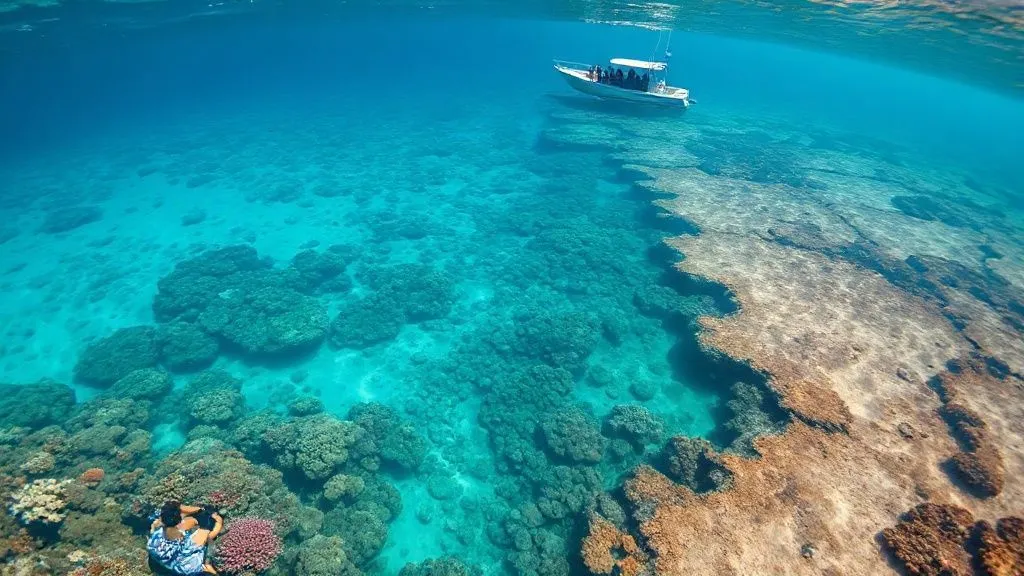
Coral reefs are incredibly fragile living organisms. A single touch, kick, or scrape can cause decades of damage or even kill a portion of the reef.
- Maintain Buoyancy Control: If snorkeling or diving, practice excellent buoyancy control to avoid contact with the reef. Stay horizontal and keep your fins up and away from the coral.
- Look, Don't Touch: Never touch, stand on, or collect coral. Even dead coral fragments play a role in the ecosystem.
- Avoid Stirring Sediment: Kicking up sand can smother corals and block sunlight, affecting their ability to photosynthesize.
- Enter and Exit Carefully: Use designated entry and exit points for snorkeling or diving to minimize disturbance to shallow reef areas.
Being a mindful observer allows you to appreciate the reef's beauty without causing harm. The National Oceanic and Atmospheric Administration (NOAA) provides extensive resources on coral reef ecosystems and how to protect them, which you can explore on their official NOAA website.
Safe Boating and Anchoring Practices
For those venturing out on boats, responsible practices are crucial to prevent damage to marine habitats and wildlife.
- Know Your Route: Use nautical charts and GPS to navigate in deeper waters, avoiding shallow reefs, seagrass beds, and known marine mammal habitats.
- Anchor in Sand: Always anchor in sandy bottoms, away from coral reefs, seagrass, or any other sensitive habitats. If a mooring buoy is available, use it. Dropping an anchor on a reef can destroy decades of coral growth in seconds.
- Slow Down in Sensitive Areas: Reduce speed in areas where marine mammals (like manatees or dolphins) or sea turtles are known to frequent. Propeller strikes are a significant threat to these animals.
- Proper Waste Disposal: Never discard trash, fuel, or wastewater overboard. Use shore-based facilities for disposal.
Responsible boating ensures that your enjoyment of the open water doesn't come at the expense of its inhabitants.
Avoiding Harmful Interactions with Marine Animals
While the allure of interacting with marine wildlife is strong, it's almost always best to observe from a respectful distance to ensure their safety and yours.
- Never Chase or Harass: Do not pursue marine animals. This causes stress and can alter their natural behaviors, making them more vulnerable.
- Do Not Touch: Touching marine animals can remove their protective mucus layers, transfer diseases, or cause them to become habituated to human interaction, which is often detrimental to their survival.
- Resist Feeding: As mentioned for land animals, feeding marine life (e.g., fish, turtles) can disrupt their natural diets, make them reliant on humans, and even expose them to harmful bacteria or substances.
- Report Injured Animals: If you encounter an injured or distressed marine animal, do not attempt to help it yourself. Instead, contact local wildlife authorities or a reputable marine rescue organization.
Your restraint is a powerful act of conservation, allowing marine creatures to live naturally and undisturbed.
Beyond the Trip: Sustaining Your Impact
Your commitment to marine conservation doesn't end when your vacation does. There are many ways to continue your positive impact and advocate for ocean health from home.
Supporting Marine Conservation Initiatives
Financial contributions and volunteer efforts are vital for organizations working on the front lines of marine protection.
- Donate to Reputable Charities: Research and donate to non-profit organizations dedicated to marine conservation, such as the Ocean Conservancy, Surfrider Foundation, or local marine research institutes.
- Adopt an Animal/Coral: Many organizations offer symbolic adoption programs where your contribution goes towards protecting a specific species or restoring coral reefs.
- Volunteer Your Time: If possible, volunteer for local beach cleanups, educational programs, or even remote data entry for marine research projects.
Your ongoing support amplifies the collective effort to safeguard our oceans for future generations.
Educating Others and Advocating for Change
Knowledge is power, and sharing what you've learned can inspire others to adopt more responsible practices.
- Share Your Experiences: Talk to friends, family, and colleagues about your eco-friendly travel experiences and the importance of marine conservation.
- Be a Role Model: Lead by example in your daily life by reducing plastic consumption, choosing sustainable seafood, and supporting ocean-friendly policies.
- Advocate for Policy: Contact your elected officials to express your support for legislation that protects marine environments, combats plastic pollution, and addresses climate change.
Every conversation, every choice, and every advocacy effort contributes to a broader movement for ocean health.
Conscious Consumption Back Home
Many of the products we consume daily have a direct or indirect impact on marine life, even far from the coast.
- Reduce Plastic Use: Continue to minimize single-use plastics in your daily life, opting for reusable alternatives. Support businesses that prioritize sustainable packaging.
- Choose Sustainable Seafood: Make informed choices about the seafood you eat. Use guides like the Monterey Bay Aquarium's Seafood Watch to select seafood that is caught or farmed in ways that minimize environmental impact.
- Support Eco-Friendly Businesses: Patronize companies that demonstrate a commitment to environmental responsibility throughout their supply chains.
Your daily choices, even far from the beach, contribute to the health of the global ocean. For more information on how global consumption impacts the environment, consider resources from the UN Environment Programme.
Common Mistakes to Avoid While Protecting Marine Life
Even with good intentions, travelers can sometimes make choices that inadvertently harm marine environments. Being aware of these common pitfalls can help you avoid them.
Ignoring Local Regulations
Each coastal area has its own unique ecosystem and regulations designed to protect it. What might be permissible in one location could be highly damaging in another.
- Research Local Laws: Before your trip, familiarize yourself with any specific rules regarding marine protected areas, fishing regulations, or wildlife interaction.
- Heed Local Warnings: Pay attention to signs on beaches or instructions from local guides regarding sensitive areas, nesting sites, or dangerous currents.
- Understand Cultural Sensitivities: Some communities have traditional practices or beliefs tied to their marine environment; respect these local customs.
Feeding Wild Animals
While it might seem harmless or even kind, feeding wild animals, whether on land or in the water, is almost always detrimental to their health and behavior. It can lead to dependency, aggression, and an unhealthy diet.
Purchasing Unsustainable Souvenirs
The souvenir shop can be a hidden trap for the eco-conscious traveler. Avoid purchasing items made from marine products, as this fuels destructive industries.
- Avoid Coral and Shells: Never buy jewelry, decorations, or other items made from real coral, large conch shells, or other marine animal parts. This directly contributes to the depletion of these species and the destruction of their habitats.
- Say No to Shark Teeth and Turtle Shells: These products are often obtained through illegal and unsustainable practices.
- Choose Local Crafts: Opt for locally made artisanal products not derived from marine life. This supports the local economy sustainably.
Your purchasing power is significant; use it to support ethical and sustainable practices.
Frequently Asked Questions (FAQ)
What is reef-safe sunscreen? It's sunscreen formulated without oxybenzone and octinoxate, chemicals known to harm coral reefs by causing bleaching and DNA damage. Look for mineral-based sunscreens with non-nano zinc oxide and titanium dioxide.
How can I find eco-friendly tour operators? Look for certifications from reputable organizations like Green Globe, EarthCheck, or Blue Flag. Also, check their stated environmental policies, look for transparency in their practices, and see if they support local conservation efforts.
Is it okay to collect seashells or sand from the beach? Generally, it's best to leave natural items undisturbed. Seashells provide homes for hermit crabs and other creatures, and their breakdown contributes to beach formation. Removing them can disrupt the ecosystem.
What should I do if I see injured marine wildlife? Do not approach or touch the animal. Instead, contact local wildlife authorities, park rangers, or a reputable marine rescue organization immediately. Provide them with precise location details and a description of the animal's condition.
How does plastic pollution affect marine life? Marine animals can ingest plastic, leading to starvation (due to a false sense of fullness), internal injuries, and blockages. They can also become entangled in plastic debris, causing severe injuries, drowning, or limiting their ability to hunt or escape predators.
Recommended Reading
- Cozy Cabin Glamping: Your Ultimate Cold Weather Escape Guide
- Unlocking the Style Secrets: What to Wear to a Fancy Rooftop Bar in a City Break?
- Master Your First White Water Rafting Trip: Essential Prep Guide
- The Ultimate Guide: How to Stay Safe at Multi-Day Dance Festivals
- The Ultimate Guide: How to Find Legitimate Volunteer Abroad Programs
Conclusion
Our planet's oceans are magnificent, yet fragile, requiring our collective diligence to thrive. By embracing responsible travel practices, from careful planning to mindful actions on beaches and in waters, each of us can play a vital role to protect marine life while traveling to beaches. Every decision, no matter how small, contributes to the larger tapestry of conservation. Let our journeys be a testament to our commitment to environmental stewardship, ensuring that the wonders of the ocean endure for generations to come, inspiring awe and providing vital ecological services for all life on Earth.




Your email address will not be published. Required fields are marked *