


How to get a VIP client into an exclusive, fully booked venue?
For over two decades in the luxury travel and hospitality sector, I've navigated countless scenarios where the impossible seemed to be the only option. From securing a last-minute table at a Michelin-starred restaurant for a head of state to arranging private viewing access at a sold-out art exhibition for a discerning collector, the challenge of 'exclusive access' is one I know intimately.
The dilemma is a familiar sting for anyone serving high-net-worth clients: your VIP has a specific desire – a table at *that* restaurant, tickets to *that* event, entry to *that* club – only to find it's completely, utterly booked. The stakes are high; your reputation and the client's satisfaction hang in the balance. This isn't just about making a reservation; it's about delivering an experience that reaffirms their status and your expertise.
In this definitive guide, I'll pull back the curtain on the strategies and unspoken rules that govern elite access. We'll explore actionable frameworks, real-world tactics, and expert insights that I've personally honed over years, transforming 'no' into 'how soon can they arrive?' Get ready to master the art of securing the seemingly impossible.
Understanding the Landscape: Why Exclusivity Matters
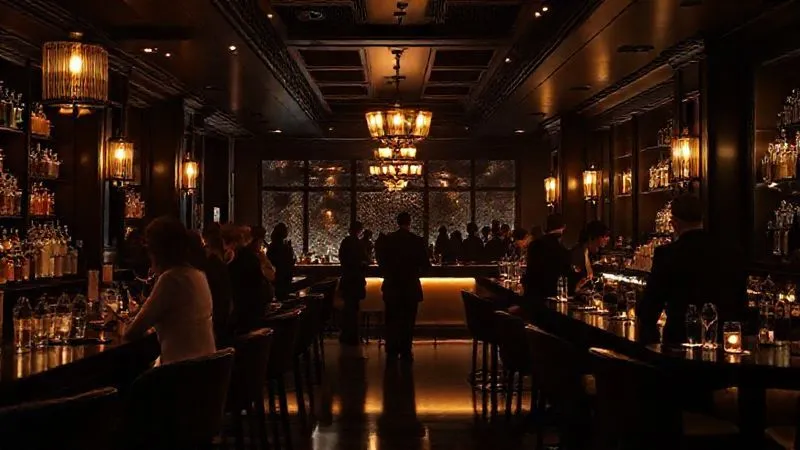
Before we dive into tactics, it's crucial to understand the psychology behind exclusivity. Venues aren't just 'fully booked'; they often cultivate an aura of scarcity and desirability. This isn't always malicious; it's a powerful marketing tool that enhances their brand and perceived value. For your VIP client, gaining entry isn't just about convenience; it's about validation, status, and the unique experience that comes with being among the chosen few.
In my experience, many luxury service providers make the mistake of approaching exclusive venues with a transactional mindset. They see a booking as a simple exchange. However, truly exclusive venues operate on a different currency: relationships, reputation, and mutual benefit. They protect their brand fiercely, and allowing just anyone in, especially under pressure, can dilute their perceived value. Understanding this foundational principle is your first step towards navigating their world successfully.
"The most valuable currency in luxury hospitality isn't money; it's trust and genuine relationships cultivated over time."
According to a report by Forbes Communications Council, exclusivity remains a key driver for luxury brand growth, emphasizing that limited access creates a powerful allure that justifies premium pricing and fosters deep loyalty among patrons. Your role, then, is to bridge the gap between your client's desire and the venue's carefully guarded mystique.
The Power of Proactive Planning and Anticipation
While this article addresses the 'fully booked' scenario, the best strategy always begins with prevention. Proactive planning is the bedrock of seamless luxury travel. I've seen countless situations where a little foresight could have averted a major headache.
When you anticipate your client's needs and preferences well in advance, you significantly increase your chances of securing prime access. This involves more than just asking 'where do you want to eat?'. It means understanding their travel patterns, their preferred experiences, and even their spontaneous desires based on past interactions.
- Pre-empt the Request: For regular clients, maintain a detailed profile of their preferences. If they frequently visit a particular city, proactively check for upcoming high-demand events, restaurant openings, or exclusive pop-ups and suggest pre-booking.
- Leverage 'Soft Holds': For high-value clients or recurring bookings, some venues might offer 'soft holds' on desirable slots, often without a hard commitment until closer to the date. This requires an existing relationship and trust.
- Monitor Industry Buzz: Subscribe to industry newsletters, follow key hospitality figures, and keep an ear to the ground for whispers of new hotspots or limited-time engagements. Being first to know is often being first to book.
- Understand Booking Cycles: Learn the booking windows for top venues. Many elite restaurants open reservations 30, 60, or even 90 days in advance, often at a specific time. Being online precisely when these slots drop can be critical.
Case Study: The Zen Garden's Elusive Omakase
I once had a client, a renowned art collector, who decided last-minute he simply *had* to experience the 8-seat omakase at 'The Zen Garden' in Kyoto, known for its 3-month waiting list. My immediate reaction wasn't panic, but a mental review of my network. I knew the head chef had a strong relationship with a specific luxury hotel concierge I'd worked with for years. Instead of calling the restaurant directly, I called the concierge. Within 24 hours, leveraging their established trust and a reciprocal favor, we had secured a reservation. This wasn't about money; it was about the power of an existing, well-maintained relationship.
Cultivating Unshakeable Relationships: Your Golden Ticket
This is arguably the most critical pillar for consistent VIP access. In the world of luxury, relationships are everything. I'm not talking about superficial networking; I mean genuine, mutually beneficial connections built on respect, reliability, and a history of positive interactions.
Think of luxury concierges, hotel general managers, restaurant owners, and event coordinators not as gatekeepers, but as partners. When they know and trust you, when they understand you bring discerning, respectful clients, they are far more inclined to go the extra mile. This takes time and consistent effort.
- Personalized Communication: Don't just email. Call. Meet in person if possible. Send thoughtful notes of appreciation.
- Reciprocity: Look for opportunities to help them. Send them business, offer valuable insights, or simply acknowledge their exceptional service.
- Be a Solution, Not a Problem: When you call with a challenging request, present it calmly and be understanding of their constraints. Offer solutions (e.g., 'we're flexible on time within this window') rather than just demands.
- Consistency: Regularly engage with key contacts, even when you don't immediately need a favor. This keeps the relationship warm and top-of-mind.
As Harvard Business Review often emphasizes, authenticity is key in building trust. Your relationships should feel genuine, not purely transactional. This is where your expertise as a specialist truly shines, as you become a trusted liaison between your client and these exclusive establishments.

Leveraging Your Client's Profile and Value Proposition
When a venue is genuinely fully booked, simply asking for a table is rarely enough. You need to provide a compelling reason for them to bend the rules. This is where your client's profile becomes a powerful asset. What value does your client bring to the establishment beyond the immediate revenue?
Consider these aspects:
- Discreet Influence: Is your client a highly influential individual, a celebrity, or a titan of industry whose presence could elevate the venue's prestige? Be prepared to articulate this discreetly and respectfully.
- Future Business: Does your client frequently host corporate events, large private dinners, or have a network that could bring substantial future business?
- Media Exposure: If appropriate and with the client's permission, could their visit result in positive, high-profile media mentions? (Use extreme caution here, as many VIPs value privacy above all.)
- Flexibility: Can your client be flexible with timing (e.g., an early dinner, a late seating) or seating (e.g., bar seating instead of a main table)? This shows respect for the venue's operations.
It's about crafting a narrative that makes the venue see the long-term benefit of accommodating your request. This is not about name-dropping in a crude way, but about presenting a mutually beneficial opportunity. Always ensure you have your client's explicit permission before sharing any personal details that might influence a venue's decision.
| Client Profile Aspect | Value to Venue |
|---|---|
| Discreet Influence | Enhanced prestige, potential for future high-profile guests |
| Future Business Potential | Recurring revenue, large event bookings |
| Flexibility (Time/Seating) | Operational ease, less disruption to existing bookings |
| Discreet Media Potential | Positive brand exposure (handle with extreme care) |
The Art of the "Soft Ask" and Strategic Persuasion
Once you've identified your key contact and understood your client's value proposition, the way you make the request is paramount. This isn't a demand; it's a carefully worded appeal to their sense of partnership and problem-solving. I call it the 'soft ask.'
Key elements of a successful soft ask:
- Start with Empathy: Acknowledge their fully booked status. "I understand you're completely booked tonight, and I truly appreciate how in-demand you are."
- State Your Challenge: Clearly articulate your client's specific desire. "My client, Mr./Ms. [X], is only in town for one night and has heard exceptional things about your establishment. They were hoping for a quiet table for two around 8 PM."
- Introduce the Value (Subtly): "Mr./Ms. [X] is a [brief, relevant descriptor, e.g., 'philanthropist known for their support of local arts' or 'CEO of a major tech firm'] and truly values unique culinary experiences."
- Offer Flexibility: "We are flexible on time within a reasonable window, or even open to a spot at the bar if a table isn't absolutely possible. We simply want them to experience your renowned hospitality."
- Reinforce Trust: "I've always appreciated your exceptional service, and I wouldn't reach out unless this was truly important for a valued client."
It's about making them *want* to help you, not feel obligated. Often, the solution isn't a miraculous cancellation, but an internal decision to 'create' a space – a table held for regulars, a staff table, or an adjustment in seating plans. This requires their goodwill.
"A well-placed, respectful 'soft ask' can open doors that a blunt demand would slam shut."
Executing Flawlessly: On-Site Protocols and Contingencies
Securing the booking is only half the battle. The on-site execution is equally crucial for maintaining your reputation and ensuring a smooth experience for your VIP client. I've seen perfectly arranged entries falter due to poor communication or lack of follow-through.
On-Site Execution Checklist:
- Confirm, Confirm, Confirm: Reconfirm the booking details with the venue on the day of, including any special requests or notes.
- Communicate with Your Client: Provide clear instructions on arrival times, who to ask for, and any specific protocols (e.g., 'mention my name at the door').
- Pre-Arrival Check-in: If possible, a quick call to the venue 30-60 minutes before arrival to ensure everything is in order.
- Discreet Arrival: Advise your client on the best way to arrive discreetly, avoiding unnecessary fanfare that might draw attention or annoy other patrons.
- Follow-Up: A prompt thank-you to your contact at the venue after the visit is essential. This reinforces your relationship and paves the way for future requests.
Always have a contingency plan. What if, despite all your efforts, something goes wrong? Have a backup option – an equally impressive, though perhaps less exclusive, venue on standby. This shows professionalism and ensures your client is never left in a lurch.

When All Else Fails: Creative Alternatives and White-Glove Solutions
Even with the best strategies and deepest connections, there will be times when a venue is genuinely impenetrable. In these moments, your value as an experienced industry specialist truly shines through your ability to pivot and deliver an equally, if not more, exceptional experience.
Creative Alternatives to Consider:
- Private Dining/Events: Can the venue offer a private room or a bespoke event outside of their regular operating hours? This often comes with a higher price tag but offers unparalleled exclusivity.
- Chef's Table Experience: Many high-end restaurants have a 'Chef's Table' that is not part of their regular booking system, sometimes reserved for special guests or unique experiences.
- Pop-Up Collaborations: Explore if the venue's chef or mixologist offers pop-up events elsewhere, or if they could create a bespoke experience at a different, private location.
- Elevated Alternatives: Instead of insisting on the 'booked' venue, identify an alternative that offers a unique, equally luxurious, or even more personalized experience. Perhaps a private chef experience at your client's villa, a curated culinary tour, or a special tasting at a vineyard typically closed to the public.
- Future Promises: If all else fails, secure the absolute best possible reservation for a future date and offer an immediate, exceptional alternative for the current need. Sometimes, the promise of a guaranteed future experience can soften the blow of a present disappointment.
Remember, your client isn't just seeking a venue; they're seeking an experience. Your ability to craft that experience, even when the initial path is blocked, is what sets you apart. This is where the depth of your network and your creative problem-solving skills become invaluable.
| Alternative Strategy | Benefit for Client | Consideration |
|---|---|---|
| Private Dining Experience | Ultimate exclusivity, tailored service | Higher cost, may require lead time |
| Chef's Table / Kitchen Tour | Unique culinary insight, immersive experience | Limited availability, specific venue types |
| Curated Alternative Venue | Still exclusive, potentially new discovery | Requires extensive network, client buy-in |
| Bespoke Private Event (off-site) | Complete customization, unparalleled privacy | Significant planning, higher budget |
Frequently Asked Questions (FAQ)
Question? What if the venue insists there are absolutely no cancellations or last-minute openings?
Answer: This is where your deep relationships come into play. If your primary contact at the venue (GM, head concierge, owner) genuinely tells you there's no way, trust them. Pushing further can damage your relationship. At this point, pivot to your creative alternatives. Frame it to your client not as a failure, but as an opportunity for an even more unique, bespoke experience you've arranged just for them, leveraging your network to provide something truly special that others can't access.
Question? Is it ever appropriate to offer extra payment or a gratuity to secure a booking?
Answer: This is a delicate area and must be handled with extreme caution and discretion. In some cultures or specific circumstances, a 'booking fee' or a generous pre-paid gratuity might be acceptable, but it should never feel like a bribe. I generally advise against explicitly offering extra money upfront to the venue itself, as it can be perceived negatively and damage your professional standing. Instead, focus on building value through relationships and the client's profile. If an exceptional favor is granted, a generous and thoughtful thank-you gift or a significant post-service gratuity to the individual who helped, if appropriate and discreet, is a better approach. Always ensure it aligns with ethical practices and venue policies.
Question? How do I manage client expectations when dealing with highly exclusive venues?
Answer: Transparency and managing expectations are critical from the outset. Be honest about the difficulty of securing certain bookings. Explain the venue's exclusivity and the potential challenges. Offer realistic timelines and, crucially, always present a 'Plan B' or alternative options early in the discussion. Frame your efforts as a strategic challenge you're expertly navigating, rather than a guaranteed outcome. This builds trust and ensures that if the 'impossible' remains impossible, the client understands the effort involved and appreciates the alternatives you provide.
Question? Should I ever reveal my client's identity without their explicit permission?
Answer: Absolutely not. Client confidentiality is paramount in luxury service. You must always have explicit permission from your client before revealing any personal details, including their name or profession, to a third party. If a venue asks for identifying information, explain that you need to confirm with your client first. If the client prefers anonymity, you must respect that and find other ways to convey their value or importance, such as describing their general profile (e.g., 'a highly respected individual in the technology sector') without disclosing specifics. Breaching confidentiality is a sure way to lose trust.
Question? What's the best way to maintain relationships with venue contacts over the long term?
Answer: Consistency and genuine appreciation are key. Don't just reach out when you need something. Send occasional holiday greetings, congratulate them on venue awards, or simply drop a line to say you appreciated their last service. If you're in their area, stop by for a quick, casual chat. Remember their birthdays or significant anniversaries for their establishment. These small gestures show you value the relationship beyond transactional needs. Also, always ensure your clients are respectful and appreciative guests, as their behavior reflects directly on you and reinforces your positive standing with the venue.
Key Takeaways and Final Thoughts
- Relationships are Paramount: Cultivate genuine, mutually beneficial connections with key contacts at exclusive venues.
- Proactive Planning Prevents Panic: Anticipate client needs and book well in advance whenever possible.
- Leverage Client Value: Understand and discreetly articulate why your client's presence benefits the venue.
- Master the Soft Ask: Approach challenging requests with empathy, flexibility, and a focus on partnership.
- Flawless Execution is Key: Ensure smooth on-site operations and diligent follow-up.
- Always Have a Plan B: Be ready with creative, equally luxurious alternatives when the impossible remains so.
- Confidentiality is Non-Negotiable: Never reveal client details without explicit permission.
Navigating the world of exclusive, fully booked venues is a test of skill, patience, and the strength of your network. It's not just about making a call; it's about understanding the intricate dance of luxury hospitality, building trust, and delivering an experience that transcends the ordinary. By embracing these strategies, you won't just get your VIP clients into sought-after places; you'll solidify your reputation as an indispensable architect of unparalleled luxury experiences. Go forth, build those connections, and unlock those doors!
Recommended Reading
- 5 Executive Walking Tours: Time-Saving Budget Breaks for Leaders
- 7 Proven Strategies: Preventing Luxury Glamping Tent Degradation Outdoors
- 7 Steps: Verify Zip Line Safety for Your Luxury Adventure Clients
- 7 Strategies: Securing Elite Panoramic Train Views for High-End Clients
- 7 Secrets to Find Private Luxury Sunbathing Beaches for Elite Clients





Your email address will not be published. Required fields are marked *