

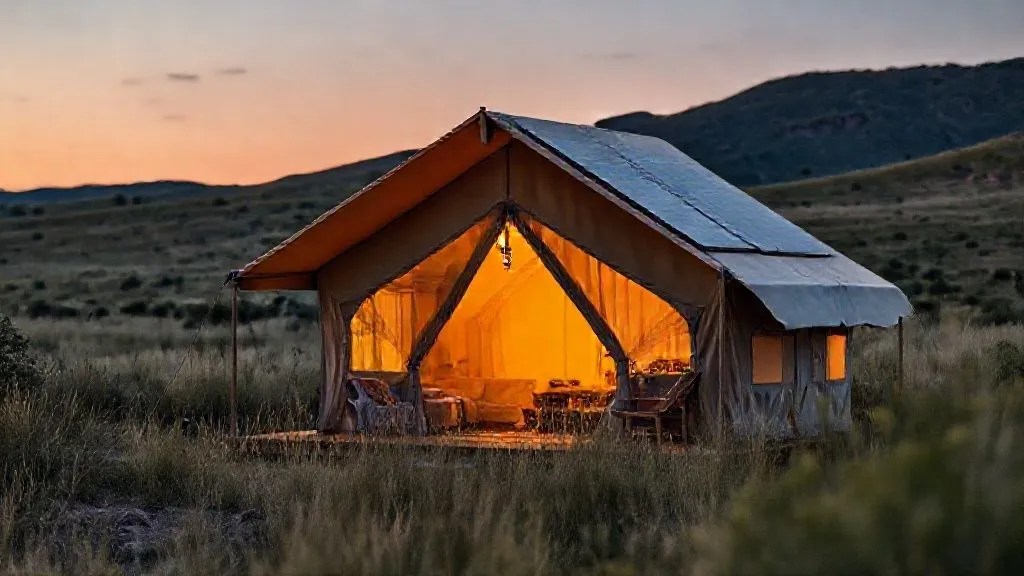
How to integrate off-grid energy for luxury glamping sustainably?
For over 15 years in the specialized world of glamping, I've had the privilege of witnessing its evolution firsthand. I’ve seen the industry mature from simple canvas tents to sophisticated, experience-driven escapes. Yet, a persistent challenge has always been marrying the desire for opulent comfort with the inherent call of nature—and crucially, how to do it without leaving a heavy environmental footprint.
The paradox is clear: guests expect high-end amenities, climate control, and connectivity, all while seeking solace in untouched natural environments. This often means relying on noisy, polluting generators or extending costly grid connections, which undermines the very essence of sustainability and tranquility that glamping promises. It's a pain point many glampsite owners grapple with: how to deliver luxury without compromising on their eco-conscious values or operational costs.
This guide isn't just a collection of ideas; it's a strategic framework born from years of practical experience and deep industry insight. I'll walk you through actionable steps, cutting-edge technologies, and design principles that will empower you to integrate off-grid energy for luxury glamping sustainably, ensuring both guest satisfaction and environmental stewardship. Prepare to transform your vision of eco-luxury into a tangible, profitable reality.
1. Understanding the Glamping Energy Landscape: Demand vs. Supply
Before any panels are installed or batteries are sized, the foundational step is a meticulous understanding of your glampsite's unique energy profile. I've seen countless projects falter because they underestimated demand or misjudged supply, leading to guest dissatisfaction or over-engineered, costly systems.
Assessing Your Glampsite's Specific Energy Needs
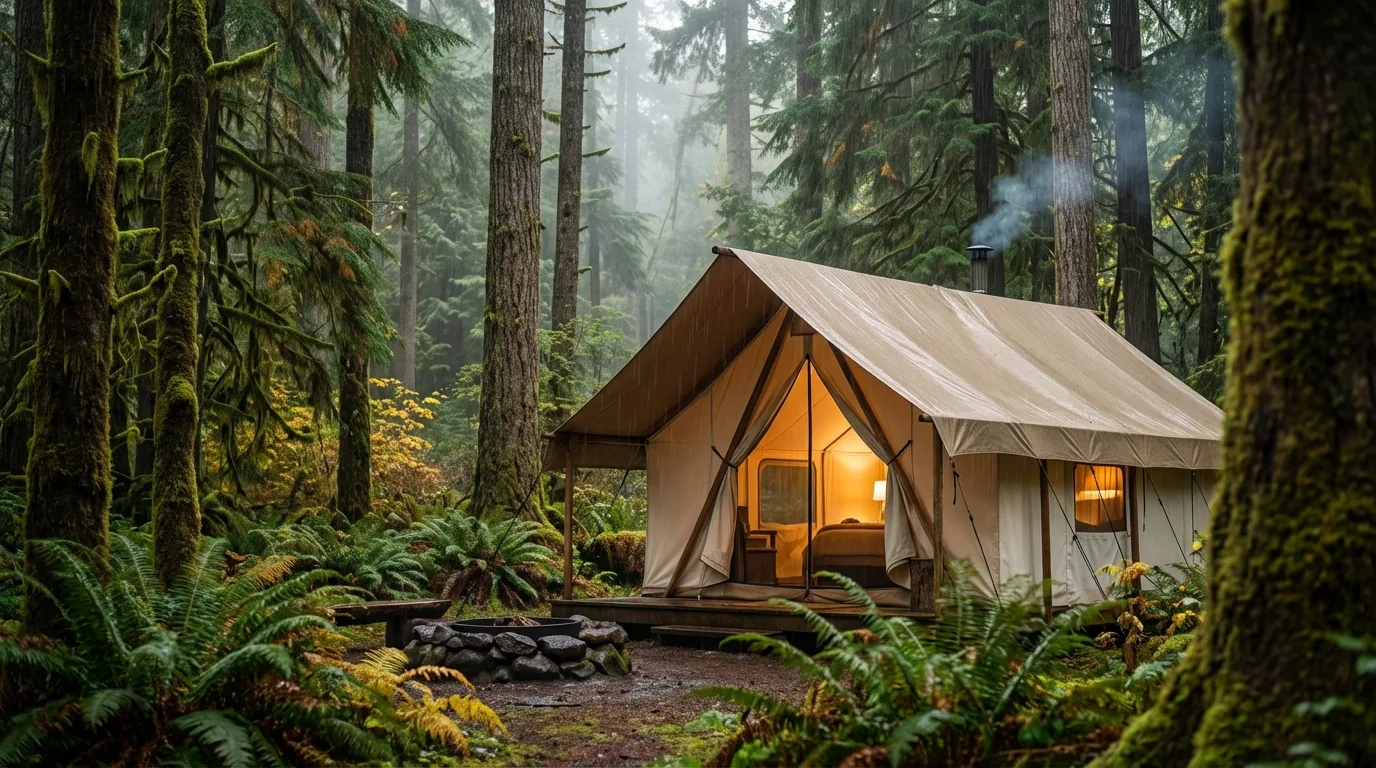
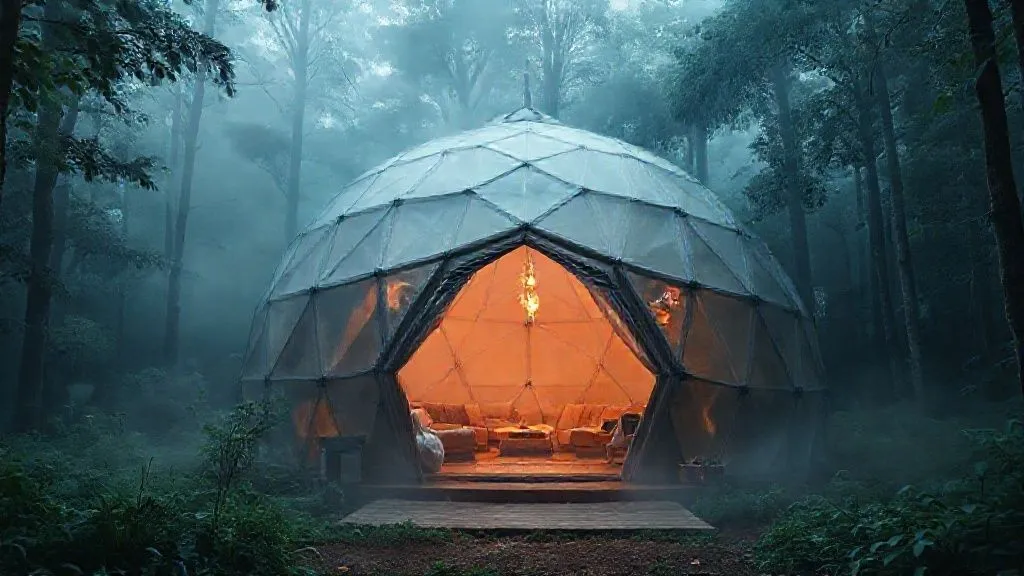
Every glamping unit, whether a safari tent or a geodesic dome, has a distinct energy signature. You need to account for everything: lighting, heating/cooling, water pumps, refrigeration, charging stations, and even smaller luxuries like coffee makers or hair dryers. Don't guess; measure. If you're building new, model your expected usage based on appliance specifications and anticipated guest behavior. For existing sites, conduct an energy audit.
- Peak Demand Analysis: Identify the highest power draw moments (e.g., all units running AC in summer afternoon, or heating in winter morning).
- Daily Energy Consumption: Calculate the total kilowatt-hours (kWh) consumed over a 24-hour period for each unit and communal areas.
- Seasonal Variations: Account for how demand changes throughout the year due to weather, occupancy rates, and seasonal activities.
The Environmental and Economic Imperative
The drive to integrate off-grid energy for luxury glamping sustainably isn't just about being green; it's smart business. Reducing reliance on fossil fuels drastically cuts operational expenses, mitigates noise pollution, and enhances your brand's appeal to a growing segment of eco-conscious travelers. According to a Statista report, the global sustainable tourism market is projected to grow significantly, indicating a strong market demand for genuinely green experiences.
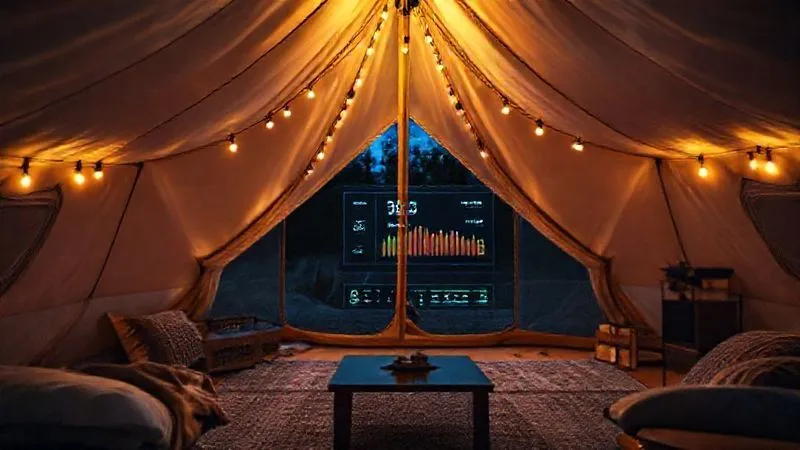
2. Solar Power: The Cornerstone of Sustainable Glamping
When I think of how to integrate off-grid energy for luxury glamping sustainably, solar power is almost always the starting point. It's reliable, scalable, and increasingly aesthetically pleasing, making it ideal for the glamping environment.
Maximizing Solar PV Efficiency for Luxury
Simply putting up panels isn't enough; optimization is key. This means selecting the right type of panels, ensuring optimal placement, and pairing them with efficient inverters. For luxury glamping, the goal is not just power, but reliable, consistent power that guests won't even notice is off-grid.
- Site Assessment: Conduct a professional solar assessment to determine optimal panel orientation, tilt angle, and identify any potential shading issues throughout the year.
- Panel Selection: Choose high-efficiency monocrystalline panels, which offer the best power output per square meter. Consider flexible or thin-film panels for unique architectural integration.
- Inverter Choice: Opt for high-quality, grid-tie capable (even if off-grid) inverters or hybrid inverters that can manage multiple power sources and battery charging efficiently.
- Battery Sizing: Based on your daily consumption and desired autonomy (days without sun), accurately size your battery bank. This is critical for uninterrupted luxury.
Integrating Solar Discreetly into Design
One of the biggest concerns for luxury glamping is aesthetics. Guests don't want to see a sprawling solar farm. Modern solutions allow for seamless integration:
- Roof-Integrated PV: Solar tiles or flexible panels can be part of the tent or structure's roof.
- Shade Structures: Solar pergolas or carports can double as power generators and functional elements.
- Ground-Mounted Arrays: If space allows, place panels in less visible areas, perhaps screened by natural landscaping.
| Panel Type | Efficiency | Aesthetics | Cost | Best Use |
|---|---|---|---|---|
| Monocrystalline | 18-22% | Sleek, dark, best for high output | High | Limited space, high power demand |
| Polycrystalline | 15-17% | Blueish, slightly less uniform | Medium | Larger areas, budget-conscious |
| Thin-Film (Flexible) | 10-13% | Very flexible, can conform to surfaces | Medium-High | Curved surfaces, lightweight applications |
3. Beyond Solar: Diversifying Your Renewable Energy Portfolio
While solar is usually central, a truly resilient and sustainable off-grid system benefits from diversification. Relying on a single source can leave you vulnerable to weather fluctuations. In my experience, a hybrid approach often provides the most robust solution for luxury glamping.
Micro-Wind Turbines: When and Where They Work
In locations with consistent wind resources, micro-wind turbines can be an excellent complement to solar. They generate power even at night or on cloudy days, providing a crucial offset. However, careful siting is essential to avoid noise and visual impact, which are critical for a luxury experience. Vertical Axis Wind Turbines (VAWTs) are often preferred for their quieter operation and less intrusive aesthetic.
Geothermal and Hydro Options for Niche Locations
For glampsites near natural water sources, micro-hydro systems can provide continuous, high-output power. Similarly, geothermal systems, while having higher upfront costs, offer incredibly efficient heating and cooling, drastically reducing the overall energy load. These are more specialized solutions but can be game-changers where conditions are right.
Biomass and Biofuels: A Responsible Approach
While often seen as a backup, responsible biomass (e.g., sustainably harvested wood pellets) or advanced biofuels can provide a carbon-neutral heating or power generation option. This isn't about burning wood haphazardly; it's about utilizing local, renewable resources in highly efficient, low-emission systems, often for backup heating or cooking, integrating with the holistic approach of how to integrate off-grid energy for luxury glamping sustainably.
4. The Heart of Off-Grid: Advanced Battery Storage Solutions
Without reliable energy storage, your off-grid system is incomplete. Batteries are the unsung heroes, ensuring a continuous supply of power even when your primary generation sources (like solar) are not producing. For luxury glamping, this means no unexpected blackouts, ever.
Lithium-Ion vs. Lead-Acid: A Practical Comparison
When it comes to battery technology, the choice significantly impacts performance, lifespan, and cost. While traditional lead-acid batteries are cheaper upfront, I almost always recommend lithium-ion (LiFePO4) for luxury glamping due to their:
- Longer Lifespan: Thousands of cycles compared to hundreds for lead-acid.
- Deeper Discharge: Can be discharged to 80-100% without damage, meaning more usable capacity.
- Higher Efficiency: Less energy loss during charging and discharging.
- Lower Maintenance: Virtually maintenance-free.
- Compact Size & Weight: Easier to integrate discreetly.
Smart Energy Management Systems (EMS)
A sophisticated battery bank is only as good as the brain controlling it. An EMS is crucial for optimizing energy flow, prioritizing loads, and ensuring battery longevity. It monitors generation, consumption, and battery state-of-charge, making real-time decisions. This is where the 'luxury' aspect truly shines—guests never have to think about power. An EMS can even provide remote monitoring and control, invaluable for glampsite operators.
Case Study: Eco-Haven Retreat's Seamless Power Transition
Eco-Haven Retreat, a boutique glampsite nestled in a remote Californian canyon, initially struggled with generator noise and high fuel costs. Guests were complaining, and their sustainability mission felt compromised. By implementing a hybrid solar-wind system coupled with a 50 kWh LiFePO4 battery bank and a sophisticated EMS, they achieved complete energy independence. The EMS intelligently managed power, ensuring that even during extended cloudy periods, their luxury units remained fully powered. They reported a 90% reduction in generator run-time, significantly lower operational costs, and overwhelmingly positive guest feedback about the tranquility and seamless power. This demonstrates how to integrate off-grid energy for luxury glamping sustainably, transforming challenges into opportunities.
"True luxury glamping isn't just about plush furnishings; it's about the peace of mind that comes from knowing your comfort doesn't come at the Earth's expense. Off-grid power, managed intelligently, is the silent enabler of this promise."
5. Smart Design and Energy Efficiency: Reducing the Load
The most sustainable energy is the energy you don't use. Before you even think about generating power, think about minimizing demand. This principle is paramount when considering how to integrate off-grid energy for luxury glamping sustainably.
Passive Solar Design and Insulation
Integrate architectural design that leverages natural elements. Orient your glamping units to maximize natural light and winter solar gain while minimizing summer heat gain. High-performance insulation in walls, roofs, and floors drastically reduces heating and cooling loads. Consider double-pane windows and strategic shading elements like awnings or deciduous trees.
High-Efficiency Appliances and LED Lighting
Every appliance choice makes a difference. Opt for Energy Star-rated refrigerators, mini-splits (for heating/cooling), and water heaters. Replace all incandescent bulbs with LED lighting, which consumes a fraction of the power and has a much longer lifespan. Even small details like low-flow showerheads and composting toilets contribute to overall resource efficiency.
Water Heating and HVAC Optimization
Heating water and air are typically the largest energy consumers. Consider on-demand tankless water heaters (electric or propane-fired, if a small backup is acceptable) or solar thermal water heating systems. For HVAC, highly efficient mini-split heat pumps are often the best choice for individual glamping units, offering both heating and cooling with minimal energy draw. Programmable thermostats ensure energy isn't wasted when units are unoccupied.
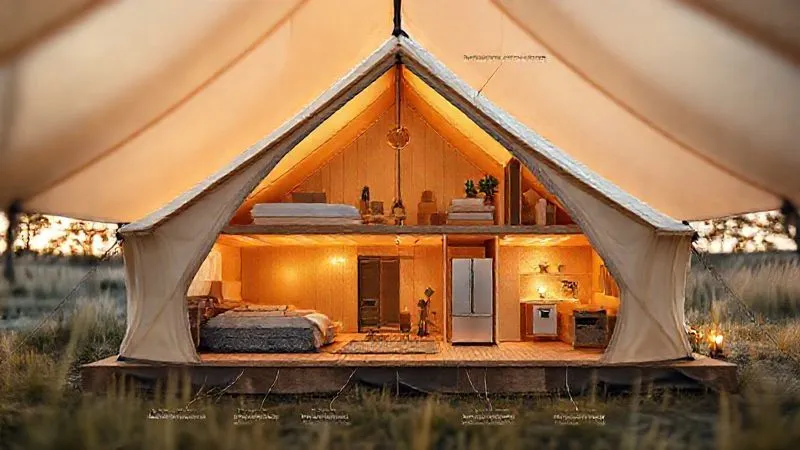
6. Water Management and Waste Integration: A Holistic View
Sustainable glamping extends beyond just electricity. A truly eco-conscious operation considers the entire resource cycle, including water and waste. This integrated approach amplifies your sustainability credentials and operational efficiency.
Rainwater Harvesting and Greywater Recycling
Water is a precious resource, especially in remote glamping locations. Implementing rainwater harvesting systems can provide non-potable water for flushing toilets, irrigation, or even filtered for potable use after treatment. Greywater recycling systems, which treat water from showers and sinks, can significantly reduce freshwater demand for landscaping or other non-potable uses. The EPA highlights water conservation as a critical component of sustainable practices.
Composting Toilets and Waste-to-Energy Possibilities
Composting toilets eliminate the need for water-intensive flush systems and septic fields, converting human waste into usable compost. For organic waste from kitchens or communal areas, small-scale anaerobic digesters can convert waste into biogas, which can then be used for cooking or heating, effectively turning a waste stream into a valuable energy source. This closed-loop thinking is integral to how to integrate off-grid energy for luxury glamping sustainably.
7. Implementing and Maintaining Your Off-Grid System
Designing the perfect system is one thing; bringing it to life and keeping it running flawlessly is another. A phased approach and diligent maintenance are crucial for long-term success and peace of mind.
Phased Implementation Strategy
Unless you're building from scratch, a complete overhaul can be daunting. Consider a phased approach:
- Energy Audit & Efficiency Upgrades: Start by reducing demand as much as possible with efficiency measures.
- Core Power System: Install the primary solar array, inverter, and initial battery bank to power essential loads.
- Expand & Diversify: Gradually add more solar, wind, or other supplementary power sources as budget and demand dictate.
- Advanced Monitoring & Automation: Implement sophisticated EMS and smart home features for remote control and optimization.
Regular Maintenance and Monitoring
An off-grid system isn't a 'set it and forget it' solution. Regular checks ensure peak performance and extend the lifespan of your components. This includes cleaning solar panels, checking battery terminals, monitoring inverter performance, and reviewing energy production/consumption data. Early detection of issues prevents costly repairs or power outages.
| Component | Frequency | Task |
|---|---|---|
| Solar Panels | Quarterly | Clean panels, inspect for damage/shading |
| Batteries | Monthly | Check terminal connections, monitor voltage/temperature (if lead-acid, check water levels) |
| Inverter/Charge Controller | Bi-Annually | Inspect wiring, check error codes, ensure proper ventilation |
| Wind Turbine (if applicable) | Annually | Inspect blades, tower, and connections |
| Overall System | Annually | Professional system health check, data analysis |
8. Marketing Your Sustainable Edge: Attracting Eco-Conscious Guests
Having a genuinely sustainable off-grid glamping operation is a massive competitive advantage. Don't just do it; tell your story. This resonates deeply with the modern traveler seeking meaningful experiences.
Authenticity in Storytelling
Guests are savvy; they can spot greenwashing a mile away. Be transparent and authentic about your sustainability efforts. Share your journey of how you decided to integrate off-grid energy for luxury glamping sustainably. Explain the technologies you use, the benefits to the environment, and how it enhances the guest experience (e.g., quiet nights, fresh air, peace of mind). Use high-quality visuals and engaging narratives on your website and social media.
Certifications and Partnerships
Seek out recognized eco-certifications (e.g., Green Globe, LEED, local sustainable tourism badges) to validate your claims. Partner with local environmental organizations or sustainable suppliers. These collaborations not only enhance your credibility but also expand your reach to like-minded audiences. The Global Ecotourism Network provides valuable resources for such partnerships.
Frequently Asked Questions (FAQ)
Is off-grid energy truly reliable for luxury glamping? Absolutely. With proper design, high-quality components, and a robust energy management system, off-grid energy can be even more reliable than grid power in many remote locations, offering uninterrupted luxury without the risk of outages from grid failures. Modern battery technology and hybrid renewable systems ensure consistent power.
What are the upfront costs vs. long-term savings? The upfront investment for a comprehensive off-grid system can be significant, often ranging from tens of thousands to over a hundred thousand dollars depending on scale. However, the long-term savings are substantial. You eliminate monthly utility bills, fuel costs for generators, and the environmental impact, leading to a strong return on investment over 5-10 years, not to mention enhanced brand value and guest appeal.
How do I choose the right system size for my glampsite? System sizing is critical and requires professional assessment. It involves calculating your peak power demand (watts), daily energy consumption (kWh), and desired autonomy (how many days the system can run without sun/wind). I recommend engaging an experienced off-grid solar designer who understands glamping-specific needs to ensure accurate sizing and avoid costly mistakes.
What permits or regulations apply to off-grid glamping? Regulations vary significantly by location. You'll need to check local building codes, zoning laws, and environmental regulations. This might include permits for solar panel installation, waste management systems, water abstraction, and even the glamping structures themselves. It's crucial to consult with local authorities and potentially an environmental consultant early in the planning process to ensure compliance. The International Renewable Energy Agency (IRENA) offers global insights into policy frameworks.
How can I ensure guest comfort without compromising sustainability? The key is smart design and efficient technology. Focus on high-efficiency appliances, excellent insulation, passive heating/cooling strategies, and LED lighting. Educate guests subtly about your sustainable practices (e.g., gentle reminders about energy consumption). With a well-designed off-grid system, guests often experience superior comfort—quiet nights, clean air, and the unique satisfaction of knowing their luxury is eco-friendly.
Key Takeaways and Final Thoughts
Integrating off-grid energy for luxury glamping sustainably is no longer a niche ambition; it's a strategic imperative for the future of the industry. It requires a holistic approach, blending cutting-edge technology with thoughtful design and a genuine commitment to environmental stewardship. Here are the most critical takeaways:
- Assess Meticulously: Understand your energy needs before designing any system.
- Diversify Your Sources: Combine solar with other renewables for resilience.
- Invest in Storage: High-quality battery banks and smart EMS are non-negotiable for luxury.
- Prioritize Efficiency: The best energy is the energy you don't consume.
- Integrate Holistically: Consider water and waste management as part of your energy solution.
- Tell Your Story: Authentically communicate your sustainable efforts to attract the right guests.
The path to truly sustainable luxury glamping is a journey of innovation and conscious choices. By embracing these principles, you're not just building a glampsite; you're crafting an immersive, responsible experience that will delight guests, protect our planet, and secure your place as a leader in the evolving landscape of eco-tourism. The future of luxury glamping is off-grid, and it's brighter than ever.
Recommended Reading
- 5 Steps: What to Do When Accessible Tour Logistics Fail Mid-Trip?
- Navigating Complex Accessible Travel Insurance for Seniors: 7 Expert Strategies
- Unlock Impossible Access: 7 Steps to Ultra-Luxury Private Tours
- Cross Country Skiing for Beginners? Essential Tips You Need Now!
- 8 Ways to Fund Private Mars Tourism Without Government Grants

Your email address will not be published. Required fields are marked *