

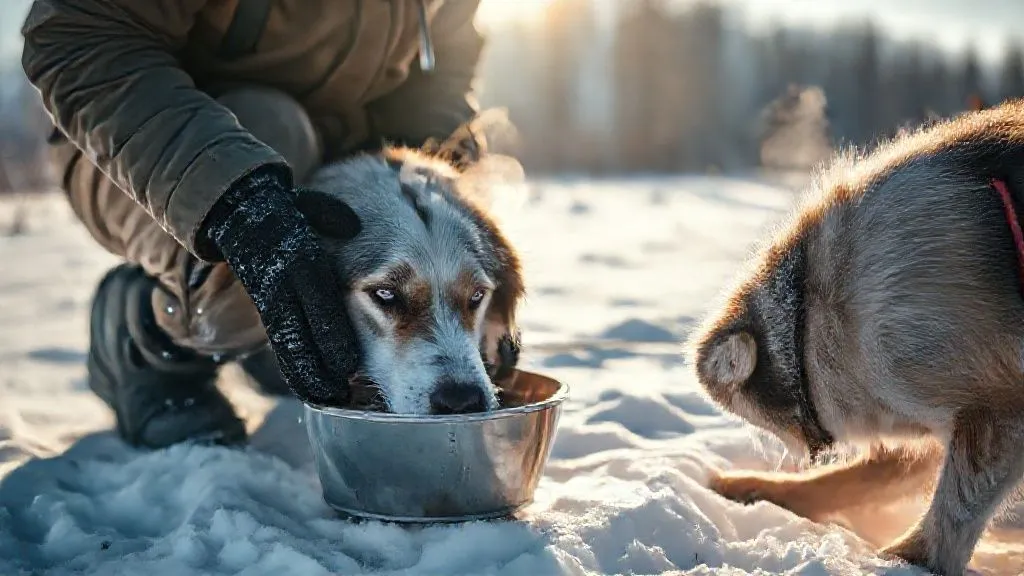
Urgent: How to Rehydrate Sled Dogs Experiencing Trail Exhaustion?
For over three decades on the snow-covered trails, from the biting winds of Alaska to the serene forests of Scandinavia, I've witnessed the incredible resilience of sled dogs. Yet, I've also seen the stark reality of how quickly a strong, eager team can be brought to a halt by the silent, insidious threat of dehydration and trail exhaustion. It’s a musher’s worst nightmare, a moment where instinct and immediate action become paramount.
The problem is deceptively simple: these incredible athletes push their bodies to the absolute limit, burning vast amounts of energy and losing crucial fluids and electrolytes. When exhaustion sets in, their ability to regulate body temperature and maintain vital organ function plummets. This isn't just about a dog being 'tired'; it's a critical physiological imbalance that, if not addressed with urgency, can lead to severe health complications, even fatality, miles from any veterinary help.
This guide is born from countless miles of experience and the hard-won lessons learned in critical trail situations. I’m here to provide you with an urgent, actionable framework on how to rehydrate sled dogs experiencing trail exhaustion. We’ll delve into the signs, the immediate steps, advanced rehydration techniques, and crucial preventative strategies, ensuring you’re equipped to protect your most valuable partners on the trail.
Understanding the Silent Threat: Dehydration and Trail Exhaustion
Before we can effectively intervene, we must truly grasp what happens to a sled dog experiencing severe trail exhaustion and dehydration. It’s more than just thirst; it’s a systemic breakdown that impacts every major organ.
The Physiology of Canine Exertion
Sled dogs are endurance athletes, designed for sustained effort in cold environments. Their metabolism is unique, capable of fat-burning efficiency that fuels their incredible stamina. However, this high-octane performance comes at a cost: immense fluid loss through respiration and exertion, coupled with electrolyte depletion.
Muscular activity generates heat, and while cold helps, dogs primarily cool themselves by panting, which rapidly expels moisture. Without adequate fluid replacement, their blood volume decreases, stressing the heart and reducing oxygen delivery to vital tissues. This downward spiral leads to a cascade of issues, from muscle cramps to organ damage.
Recognizing the Early Warning Signs
Identifying the signs of dehydration and exhaustion early is your most powerful tool. Don't wait for a dog to collapse. Look for subtle cues:
- Lagging or reluctance to pull: A typically eager dog showing decreased enthusiasm.
- Dull, sunken eyes: A classic sign of dehydration, indicating fluid loss from tissues.
- Dry, tacky gums: Instead of moist and slippery, their gums will feel sticky to the touch.
- Loss of skin elasticity: Pinch a fold of skin over their shoulder; if it takes more than 2 seconds to snap back, they're dehydrated.
- Dark, concentrated urine: While hard to check on the trail, it's a key indicator.
- Increased heart rate and respiratory rate: Beyond what's normal for their exertion level.
- Muscle tremors or stiffness: Indicating electrolyte imbalance and extreme fatigue.
- Disorientation or stumbling: A severe sign, requiring immediate attention.
As veterinary physiologists often emphasize, early detection is paramount. Waiting until a dog is visibly struggling severely reduces their chances of a quick, full recovery.
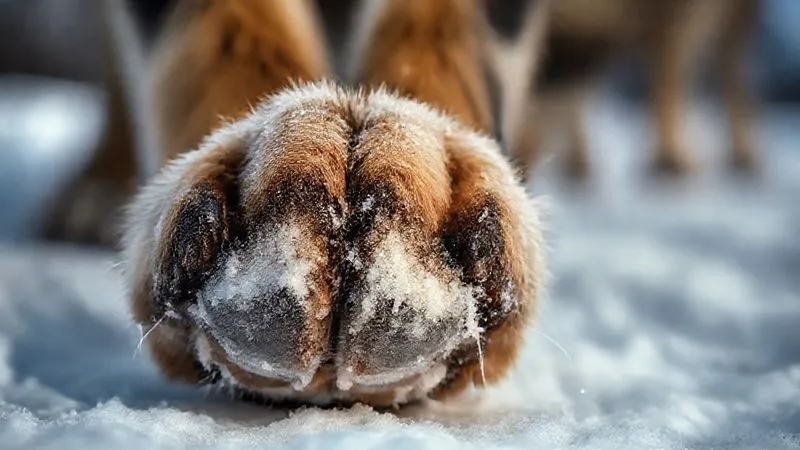
Immediate On-Trail Protocol: Your First 5 Minutes Are Critical
When you spot the signs of a dog struggling with trail exhaustion and potential dehydration, panic is not an option. Your calm, decisive action in the first few minutes can dramatically alter the outcome. This isn't just about administering fluids; it's about stabilizing the dog's entire system.
Step 1: Assess and Isolate
- Stop the Team: Immediately bring your team to a halt. Prioritize the struggling dog.
- Unclip and Secure: Unclip the dog from the gangline and secure them close to your sled or in a safe, sheltered spot. This prevents further exertion and allows you to focus solely on them.
- Quick Assessment: Perform a rapid check of their gums, skin turgor, and responsiveness. Note their breathing and heart rate if possible.
Step 2: Shelter and Temperature Regulation
Depending on the conditions, your dog might be overheating or, more commonly in winter sports, becoming hypothermic due to exhaustion. Get them out of the wind and into a sheltered spot, perhaps behind the sled or under a tarp. If they're showing signs of overheating (rare but possible with extreme exertion in milder temps), use snow or cool water on their paw pads and belly. More often, they'll need warmth. Wrap them in a thermal blanket or spare jacket.
Step 3: Initial Hydration Attempts
This is where urgency meets caution. Do not force large amounts of water into an exhausted dog. They may aspirate it. Instead, offer small, frequent sips of warm water or a diluted electrolyte solution. Use a collapsible bowl or, if they're too weak, a large syringe (without the needle) to drip water onto their tongue for them to lap.
"On the trail, every second counts. Your ability to calmly and effectively initiate rehydration can be the difference between a swift recovery and a severe medical emergency."
I've seen mushers make the mistake of trying to pour an entire bowl of water down a dog's throat. This is dangerous. Gentle, consistent encouragement, offering just a few ounces at a time every 5-10 minutes, is far more effective and safer. Observe if they are actually swallowing or if the water is merely dribbling out.
The Art of Rehydration: Beyond Plain Water
While plain water is the foundation, severely dehydrated and exhausted sled dogs need more. Their bodies have lost crucial electrolytes – sodium, potassium, chloride – which are vital for nerve function, muscle contraction, and maintaining fluid balance. Simply giving water can sometimes dilute remaining electrolytes, worsening the problem.
Electrolyte Solutions: What, Why, and How Much?
Commercial canine electrolyte mixes are indispensable for your emergency kit. These are specifically formulated to replenish lost minerals without upsetting a dog's sensitive digestive system. I always carry several packets.
When mixing, follow the instructions carefully; overly concentrated solutions can draw fluid into the gut, worsening dehydration. Aim for a solution that's slightly warm, as dogs are more likely to drink warm liquids in cold weather. Offer 4-8 ounces every 15-30 minutes, depending on the dog's size and willingness to drink. Look for solutions containing glucose, as this can aid in electrolyte absorption and provide a much-needed energy boost.
The Role of Broth and Soups
Sometimes, a dog is so exhausted or nauseated that they refuse even an electrolyte solution. This is where palatability becomes key. Low-sodium chicken or beef broth, warmed, can be incredibly enticing. The aroma alone can stimulate drinking. You can mix electrolyte powder into broth for a double benefit.
I've also used 'soup' made from mixing high-quality canned dog food (or a rehydrated freeze-dried meal) with warm water or broth. This provides not only fluid but also easily digestible calories and nutrients, which are crucial for a recovering dog. The goal is to get *any* fluid and calories into them safely.
Administering Fluids Safely
If a dog is too weak to lap, a large, blunt-tipped syringe (60ml works well) is your best friend. Gently insert the tip into the side of their mouth, between their cheek and gums, and slowly depress the plunger, allowing them to swallow small amounts. Never point the syringe directly down their throat, as this can cause aspiration pneumonia – a life-threatening complication.
| Solution Type | Key Ingredients | Benefit | Caution |
|---|---|---|---|
| Electrolyte Mix | Sodium, Potassium, Chloride, Glucose | Restores mineral balance, aids fluid absorption, energy boost | Do not over-concentrate; follow package directions |
| Chicken/Beef Broth (low sodium) | Water, Amino Acids, Trace Minerals | Highly palatable, encourages drinking, provides some nutrients | Avoid high-sodium or seasoned broths; check ingredients |
| Warm Water (plain) | H2O | Basic hydration, essential base, easy to access | May not be sufficient alone for severe cases; warm for palatability |
| Recovery Soup (canned food/water) | Water, Protein, Fat, Carbohydrates | Provides fluids, calories, and nutrients; highly palatable | Ensure easily digestible ingredients; small portions initially |
Always ensure the dog is in an upright position, preferably sternal recumbency (lying on their chest), when administering fluids. This minimizes the risk of fluid entering their lungs.
Nutritional Support During Recovery
Rehydration is the immediate priority, but a severely exhausted dog also needs nutritional support to truly recover. Their energy stores are depleted, and their body is in a catabolic state, breaking down muscle tissue for energy. Providing easily digestible calories helps halt this process and kickstarts recovery.
Easily Digestible Food Sources
Once a dog is rehydrated and showing signs of alertness, offer small amounts of highly digestible, high-fat, and high-protein food. Canned recovery diets, or even a simple mixture of cooked chicken and rice, are excellent choices. The key is small portions to avoid overwhelming a compromised digestive system. Think of it as 'grazing' rather than a full meal.
Avoid dry kibble initially, as it requires more water for digestion and can be harder on a sensitive stomach. If you only have kibble, soak it thoroughly in warm water or broth until it's a soft mush. This enhances palatability and aids digestion. Adding a small amount of a high-quality, easily digestible fat source, like salmon oil, can also provide a concentrated energy boost.
When to Feed, How Much to Feed
Do not attempt to feed a dog that is still severely dehydrated or nauseated. Wait until they have shown clear signs of rehydration – moist gums, improved skin elasticity, and increased alertness. Start with a very small amount, perhaps a tablespoon, every hour or two. Gradually increase the quantity as their tolerance improves.
Observe for any signs of vomiting or diarrhea, which indicate their digestive system isn't ready. If these occur, stop feeding and focus solely on small, frequent sips of electrolyte solution until their stomach settles. Patience is crucial here; rushing food can set back the recovery process.
Case Study: Balto's Bounce-Back from the Brink
I recall a particularly grueling leg of the Yukon Quest where my lead dog, Balto, began showing signs of severe exhaustion – lagging, dull eyes, and refusal to drink. We were miles from the next checkpoint. Following the immediate protocol, I pulled him aside, sheltered him from the biting wind, and began offering small, frequent sips of warm, electrolyte-rich broth. Instead of forcing it, I encouraged him gently. Over the next hour, he slowly started to respond. Once he showed signs of alertness, I offered a small portion of a high-fat, easily digestible canned food mixed with more broth. By the time we reached the checkpoint, though still tired, Balto was alert, rehydrated, and able to rest and fully recover. This experience solidified my belief in the power of immediate, thoughtful intervention when facing the urgent question of how to rehydrate sled dogs experiencing trail exhaustion.
Monitoring and Post-Crisis Care
Your job isn't over once the dog starts drinking and eating. The recovery process requires diligent monitoring and potentially further intervention. This phase is about preventing relapse and ensuring a full return to health.
Vital Signs to Track
Continue to monitor their vital signs closely:
- Gum Color and Capillary Refill Time (CRT): Gums should be pink and moist. When you press firmly on the gum with your finger and release, the color should return within 1-2 seconds. A slower return indicates poor circulation.
- Heart Rate: A normal resting heart rate for a sled dog is typically 60-90 beats per minute, but it can be higher after exertion. Monitor for irregular rhythms or excessively high rates.
- Respiratory Rate: Count breaths per minute. Normal is usually 10-30. Rapid, shallow breathing can indicate distress.
- Body Temperature: While a rectal thermometer isn't always practical on the trail, it's essential if you suspect hypothermia or hyperthermia. Normal canine temperature is 100.0-102.5°F (37.8-39.2°C).
- Urination: Note if they are urinating, and the color/volume. This indicates kidney function.
- Mental Alertness and Gait: Are they responsive? Can they stand and walk steadily?
Keep a log if possible. This data will be invaluable if you need to consult a veterinarian.
When to Seek Veterinary Intervention
Knowing when to call for help is crucial. While you can handle many immediate issues, some situations demand professional veterinary care. Seek immediate help if:
- The dog remains unresponsive or disoriented despite your efforts.
- Vomiting or diarrhea persists, preventing rehydration.
- Their vital signs do not improve or worsen.
- They collapse or cannot stand.
- You suspect a more serious underlying condition or injury.
Never hesitate to scratch from a race or call for an evacuation if your dog's health is at risk. Their well-being is always paramount.
Long-Term Recovery and Prevention
Once past the immediate crisis, a dog needs several days to a week of rest and light activity. Gradually reintroduce them to their normal routine. Focus on high-quality nutrition and ensure constant access to fresh water. Consider adding a daily electrolyte supplement to their diet during heavy training or racing periods. This proactive approach is key to preventing future episodes.
Preventative Measures: Building a Resilient Team
The best way to handle trail exhaustion and dehydration is to prevent it from happening in the first place. As an experienced musher, I've learned that a resilient team is built on consistent training, meticulous hydration, and superior nutrition. This isn't just about avoiding a crisis; it's about optimizing performance and ensuring the long-term health of your athletes.
Optimal Training Regimens
A well-conditioned dog is less prone to exhaustion. Your training program should gradually build endurance, strength, and cardiovascular fitness. This includes:
- Progressive Overload: Slowly increase mileage and intensity.
- Varied Terrain: Train on different types of snow and ice to build comprehensive muscle groups.
- Rest and Recovery: Just as important as training, allowing muscles to repair and adapt.
- Acclimatization: Allow dogs to adjust to cold weather conditions gradually.
According to leading canine sports scientists, consistent, well-planned training improves a dog's metabolic efficiency, making them less susceptible to rapid energy depletion and dehydration.
Pre-Trail Hydration Strategies
Hydration starts long before you hit the trail. Ensure your dogs are consistently well-hydrated in the days leading up to a run or race. Offer water frequently, and consider adding water to their meals. Many mushers use 'slop' – a mixture of kibble, water, and sometimes broth or meat supplements – to ensure high fluid intake.
On the day of the run, offer water or a diluted electrolyte solution 1-2 hours before starting. This 'pre-loading' helps them start with optimal fluid levels. During breaks on the trail, offer small amounts of warm water or broth. Remember, cold water can sometimes cause stomach upset or be less appealing in freezing temperatures.
Nutrition and Supplementation
A high-quality, calorie-dense diet is non-negotiable for sled dogs. Look for formulas with high protein and fat content to fuel their endurance. Consider supplements like:
- Electrolyte mixes: Daily maintenance doses during heavy training.
- Omega-3 fatty acids: For joint health and anti-inflammatory benefits.
- Probiotics: To maintain gut health and nutrient absorption.
- B-vitamins: Crucial for energy metabolism.
"Prevention isn't just better than cure; it's the bedrock of a successful and humane mushing career. A well-conditioned, properly hydrated dog rarely faces severe trail exhaustion."
Consult with a veterinarian or a canine nutritionist specializing in working dogs to tailor a diet and supplementation plan specific to your team's needs and activity levels. This expert input can make a significant difference in their overall resilience and ability to avoid the urgent problem of how to rehydrate sled dogs experiencing trail exhaustion.
Equipping Your Sled: Emergency Hydration Kit Essentials
Just as you wouldn't hit the trail without a first-aid kit for yourself, your sled should be equipped with a comprehensive emergency hydration kit for your dogs. This isn't optional; it's a fundamental part of responsible mushing. Having the right tools at your fingertips can save precious minutes and, potentially, a life.
Must-Have Items
Here's what I always carry in my sled dog emergency kit:
- Collapsible Water Bowl: Lightweight and easy to deploy quickly.
- Large Syringe (60ml, blunt tip): Essential for safely administering fluids to a weak dog.
- Canine Electrolyte Powder/Paste: Several single-serving packets. Choose a brand specifically designed for active dogs.
- Low-Sodium Broth Packets (Dehydrated or Liquid): For palatability and added nutrients.
- Small, High-Fat Canned Dog Food or Freeze-Dried Recovery Meal: For initial nutritional support.
- Thermal Blanket/Dog Jacket: To help regulate body temperature in extreme cold or warmth.
- Small Towel: For cleaning or applying cool water if needed.
- Headlamp/Flashlight: For night-time emergencies.
- Small First-Aid Manual (Canine): A quick reference guide.
- Emergency Contact Information: Vet, race marshal, support crew.
These items should be stored in a waterproof bag, easily accessible, and checked regularly to ensure they are not expired and in good working order. A well-prepared musher is a confident musher.
Regular Kit Checks
It's not enough to just have the kit; you must maintain it. Before every long run or race, go through your kit. Check expiration dates on food and electrolytes. Ensure your syringe is clean and functional. Replace any items that have been used or are damaged. A neglected kit is as good as no kit at all.
The Psychological Aspect: Your Dog's Will to Recover
Beyond the physiological interventions, never underestimate the power of your presence and demeanor during a crisis. Your sled dogs are deeply attuned to your emotions and intentions. Your calm confidence can be a powerful tool in their recovery.
Calmness and Reassurance
When a dog is exhausted and distressed, they need your calm, reassuring presence. Panicking will only add to their stress. Speak softly, pet them gently, and maintain eye contact. Let them know you are there to help and that everything will be okay. This psychological comfort can help lower their stress hormones, allowing their body to focus on recovery.
Reading Your Dog's Cues
Each dog is an individual. Some will respond to gentle encouragement, while others may prefer quiet space. Pay close attention to their body language. Are they trying to turn away from the water? Are they showing signs of discomfort when you touch them? Adapt your approach based on their cues. Forcing interaction can be counterproductive.
Building a strong bond with your dogs over years of training and racing means you understand their subtle signals. This intuition becomes invaluable in a crisis, guiding your decisions on how best to provide comfort and care.
Building Trust Through Crisis
Successfully navigating a trail emergency with your dog strengthens the bond of trust between you. They learn that you are their protector, their provider, and their advocate, even when they are at their most vulnerable. This trust is the bedrock of a successful mushing partnership, making all the hard work and dedication worthwhile. It is a testament to the fact that you understand the profound responsibility of caring for these incredible athletes, especially when faced with the urgent task of how to rehydrate sled dogs experiencing trail exhaustion.
Frequently Asked Questions (FAQ)
What's the difference between dehydration and hypovolemia in sled dogs? Dehydration refers to a deficit of total body water, often with electrolyte imbalances. Hypovolemia specifically means a decreased volume of circulating blood plasma. While often linked (severe dehydration can lead to hypovolemia), they are distinct. Hypovolemia is an immediate, life-threatening circulatory issue that impacts oxygen delivery to organs more directly than general dehydration. Addressing both fluid and electrolyte balance is critical for working dogs.
Can I use human electrolyte drinks for my sled dog? No, it's generally not recommended. Human electrolyte drinks often contain high levels of sugar, artificial sweeteners, colors, and sometimes ingredients like caffeine or xylitol (which is toxic to dogs). These can upset a dog's stomach, cause further dehydration, or lead to poisoning. Always use canine-specific electrolyte solutions formulated for their unique physiology.
How quickly should a severely exhausted dog recover? Recovery time varies greatly depending on the severity of exhaustion, the dog's baseline health, and the promptness and effectiveness of intervention. Mild cases might show significant improvement within a few hours. Severe cases can take days to fully recover, requiring careful monitoring, rest, and veterinary oversight. Never rush a dog back to full activity too soon; a gradual return is essential for preventing relapse and long-term issues.
What if my dog refuses to drink anything? This is a critical situation. If a dog refuses water, broth, or electrolyte solutions, it often indicates severe nausea, extreme weakness, or a more serious underlying issue. In such cases, immediate veterinary intervention is required. They may need intravenous (IV) fluids to bypass the digestive system and rapidly restore hydration and electrolyte balance. This is a clear signal to seek emergency help.
Are there specific breeds more prone to trail exhaustion? While all sled dog breeds (Alaskan Huskies, Siberian Huskies, Alaskan Malamutes, etc.) are bred for endurance, individual dogs within any breed can be more susceptible due to genetics, conditioning, age, or underlying health issues. Factors like coat density in warmer conditions, or a less efficient metabolism, can play a role. Consistent monitoring and understanding each dog's individual limits are more important than breed generalizations.
Key Takeaways and Final Thoughts
Navigating the challenges of sled dog mushing demands not only skill and dedication but also a profound understanding of your canine athletes' health needs. When faced with the urgent task of rehydrating sled dogs experiencing trail exhaustion, your preparedness and swift, knowledgeable action are their best defense.
- Early Recognition is Key: Learn to spot the subtle signs of dehydration and exhaustion before they become critical.
- Act Swiftly and Calmly: Your immediate, measured response on the trail can be life-saving.
- Beyond Water: Utilize canine-specific electrolyte solutions and palatable broths for effective rehydration.
- Support Nutrition: Introduce easily digestible foods in small amounts once rehydrated.
- Monitor Diligently: Track vital signs and know when to seek professional veterinary help.
- Prioritize Prevention: Optimal training, pre-trail hydration, and nutrition are your strongest tools.
- Equip Your Sled: A well-stocked emergency kit is non-negotiable for responsible mushing.
- Trust and Empathy: Your calm presence and understanding of your dog's needs are invaluable.
Remember, your dogs give their all for you on the trail. It is our duty, as mushers and partners, to ensure their health and safety above all else. By internalizing these strategies and always being prepared, you not only protect your team but also honor the incredible spirit and resilience of these magnificent animals. Stay safe, stay vigilant, and mush on with confidence, knowing you have the tools to handle even the most urgent challenges.
Recommended Reading
- 7 Steps: Ethically Sourcing Unique Coffee Beans from Your Travels
- Dog Sledding Gear: Conquer Sub-Zero Temps Like a Pro!
- Rail Pass or Not? Europe Backpacking: Are Rail Passes Worth It?
- 48-Hour City Break: Master Enrichment, Banish Burnout – Your Expert Plan
- Heritage Site Closures: 7 Strategies for Resilient Tour Group Management



Your email address will not be published. Required fields are marked *