

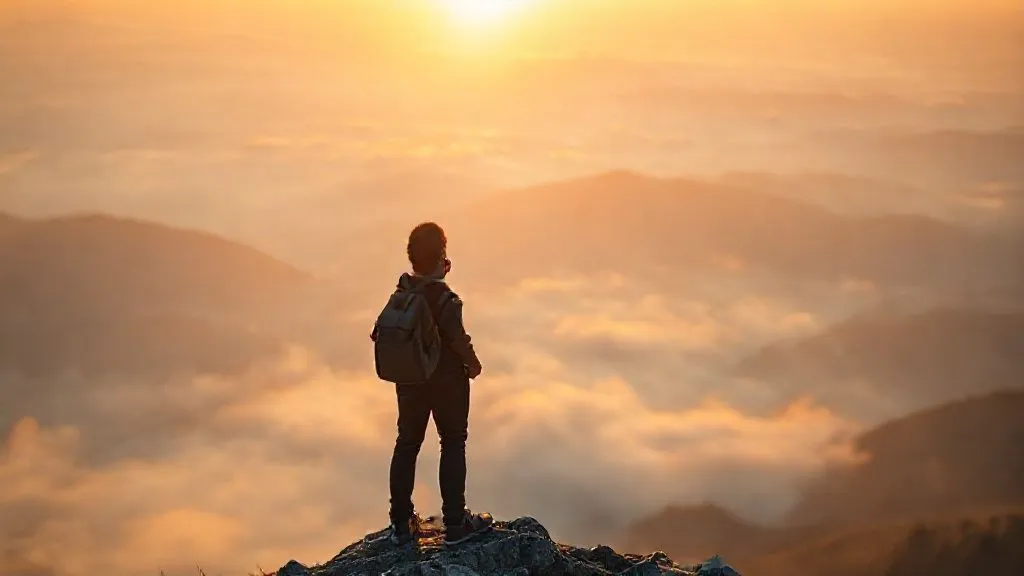
How do high-pressure professionals avoid burnout on solo travel?
For over 15 years, specializing in the nuances of solo travel, I've witnessed a recurring paradox: the very individuals who most desperately need a break often struggle the most to achieve true rest. I've heard countless stories of high-pressure professionals—executives, entrepreneurs, doctors, lawyers—who meticulously plan their solo escape, only to return feeling as depleted as when they left, sometimes even more so.
This isn't just about taking time off; it's about the unique challenges high-pressure professionals face. Their default mode of operation is optimization, control, and constant output. When applied to solo travel, this mindset can inadvertently transform a restorative journey into another demanding project, leading to 'vacation burnout' where the pressure to 'relax perfectly' becomes its own source of stress.
This article isn't just a guide; it's a framework built on experience and psychological insight. We'll delve into actionable strategies and a profound mindset shift, showing you how to truly disconnect, recharge, and return from your solo adventure not just rested, but genuinely renewed. You'll learn how high-pressure professionals avoid burnout on solo travel, transforming potential pitfalls into powerful personal growth.
Understanding the Burnout Cycle: Why Solo Travel Can Be a Double-Edged Sword
Burnout isn't merely fatigue; it's a state of emotional, physical, and mental exhaustion caused by prolonged or excessive stress. For high-pressure professionals, it often manifests as cynicism, detachment, and a reduced sense of accomplishment. The allure of solo travel is the promise of escape, autonomy, and rejuvenation. However, without a conscious shift in approach, it can inadvertently perpetuate the very patterns we seek to escape.
The Illusion of Escape vs. Reality
Many professionals mistakenly believe that simply removing themselves from their work environment is enough. They book a flight, arrive at a beautiful destination, and expect the stress to magically melt away. But the internal pressures—the need to be productive, the fear of missing out, the ingrained habit of problem-solving—often travel with them. The quiet solitude of solo travel, which should be a balm, can instead amplify these internal voices if not properly managed.
The Pressure to Optimize Rest
I've seen it countless times: a professional meticulously planning every minute of their solo trip, from the 'must-see' sights to the 'optimal' relaxation activities. This drive for efficiency, so valuable in their careers, becomes detrimental in leisure. The pressure to maximize every moment, to achieve the 'perfect' vacation, ironically prevents genuine rest. Remember, true rejuvenation isn't about doing more; it's often about doing less, and doing it mindfully.
"The greatest gift you can give yourself on a solo journey is the permission to simply 'be,' without an agenda, without a goal, and without judgment."
Strategic Pre-Trip Planning: Setting the Stage for Serenity
The success of a truly restorative solo trip for high-pressure professionals begins long before you pack your bag. It's about proactive planning that mitigates potential stressors and creates a clear boundary between your professional and personal self.
- Delegate and Document Exhaustively: Before you even consider leaving, ensure all critical tasks are either completed, delegated, or clearly documented. Create detailed handover notes, contact lists, and emergency protocols. This isn't just about your team; it's about giving yourself the mental freedom to disconnect.
- Set Clear Boundaries and Expectations: Communicate your unavailability clearly to colleagues and clients. Specify your 'digital detox' periods and designate an emergency contact person. Be firm but polite.
- Minimalist Packing with a Purpose: Overpacking is a subtle form of carrying your burdens. Embrace minimalist packing. Focus on versatile, comfortable items that reduce decision fatigue. Less stuff means less to worry about, less to manage, and more mental space.
- Research, But Don't Over-Schedule: Have a general idea of your destination, local customs, and key points of interest. Book your first few nights of accommodation. However, resist the urge to plan every single moment. Leave ample room for spontaneity and unplanned discoveries.
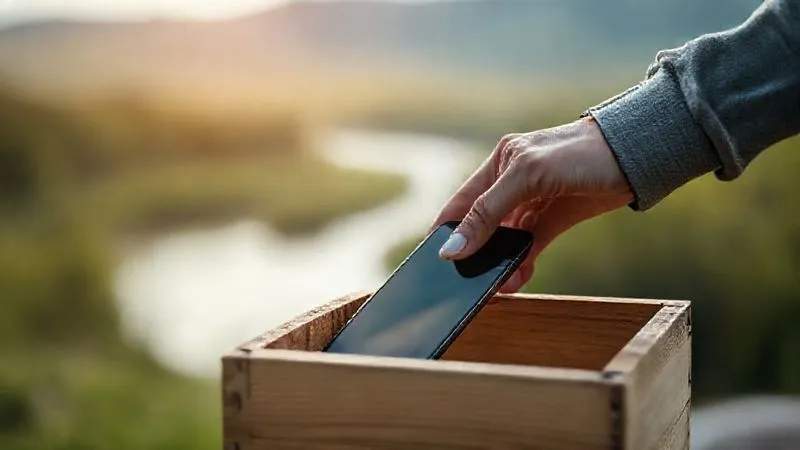
- Craft a Digital Detox Plan: Decide beforehand how and when you will engage with technology. Will you check emails once a day for 30 minutes? Will you leave your work phone at home? Will you use an app blocker? The key is intentionality, not accidental disconnection.
The Art of Intentional Disconnection: Reclaiming Your Mental Space
For high-pressure professionals, the biggest challenge isn't just stepping away from work; it's stepping away from the *mindset* of work. This requires intentional practices that foster mental quiet and presence.
Crafting a Digital Detox Strategy
I cannot overstate the importance of a well-executed digital detox. It's not about abandoning all technology; it's about mindful use. Consider designating specific 'check-in' times (e.g., 15 minutes every 48 hours for true emergencies) or even leaving your primary work devices at home. Inform relevant people about your limited availability. This deliberate act sends a powerful message to your brain: 'I am off duty.'
Mindful Presence: More Than Just Being There
Being present means fully engaging with your surroundings without judgment or distraction. This could be savoring a meal, observing local life, or simply feeling the sun on your skin. Practices like walking meditation or conscious breathing can help anchor you in the moment. According to a study published in the journal Mindfulness, regular mindful practices can significantly reduce perceived stress and improve emotional regulation, which are critical for burnout prevention. Read more on mindfulness research here.
Designing Your Solo Itinerary for Restoration, Not Exhaustion
The inclination to maximize experiences is deeply ingrained in high-achievers. On a solo trip aimed at avoiding burnout, this instinct needs to be rewired. Your itinerary should be a blueprint for replenishment, not another project plan.
The Power of Under-Scheduling
This is perhaps the most counter-intuitive but crucial advice. Resist the urge to fill every hour. Leave entire afternoons or even full days completely blank. These periods of unstructured time are where true rest and spontaneous discovery happen. They allow your brain to enter the 'default mode network,' a state associated with creativity, problem-solving, and self-reflection, often suppressed by constant activity.
Incorporating Unstructured Time
Think of unstructured time as a luxurious, non-negotiable part of your itinerary. It's not wasted time; it's essential processing time. Use it for journaling, people-watching at a café, getting lost in a local neighborhood, or simply napping. This freedom from obligation is a powerful antidote to the relentless demands of a high-pressure career.
Case Study: How Alex, a Tech Executive, Found Peace in Unplanned Days
Alex, a VP at a fast-paced tech startup, typically planned his vacations down to the minute. He approached his first solo trip to Southeast Asia with a packed itinerary. By day three, he felt overwhelmed, realizing he was replicating his work stress. After a candid conversation with a fellow traveler, he decided to cancel half his bookings and commit to 'no-plan' days. He spent an entire afternoon simply observing a fishing village, another day reading in a hammock, and discovered a hidden temple by chance. This radical shift allowed him to truly relax, leading to profound insights and a renewed sense of purpose upon his return. This experience fundamentally changed how he approached leisure.
Here's a comparison of typical high-pressure professional travel vs. a restorative approach:
| Aspect | Burnout-Prone Travel | Restorative Solo Travel |
|---|---|---|
| Mindset | Optimize every moment, maximize experiences | Embrace spontaneity, allow for downtime |
| Itinerary | Packed schedule, multiple activities daily | Under-scheduled, significant unstructured time |
| Technology Use | Constant checking, work emails, social media | Intentional digital detox, limited access |
| Goal | See everything, achieve relaxation | Recharge, reconnect with self, be present |
Cultivating Inner Resilience: Practices for On-the-Go Well-being
True resilience isn't just about bouncing back; it's about adapting and growing stronger from stress. On a solo trip, you have the unique opportunity to cultivate practices that fortify your inner world, making you less susceptible to burnout.
Daily Rituals for Grounding
Even without a fixed schedule, incorporating small, consistent rituals can provide a sense of stability and grounding. This could be a 10-minute meditation session each morning, journaling before bed, a gentle stretching routine, or simply enjoying your coffee in silence. These rituals act as anchors, reminding you to slow down and connect with yourself amidst new surroundings.
Embracing Spontaneity and Imperfection
For professionals accustomed to control, embracing spontaneity can be challenging. However, it's a vital skill for burnout prevention. Allow for detours, unexpected encounters, and plans that don't quite work out. The ability to pivot, laugh at minor mishaps, and surrender to the flow of the journey builds mental flexibility. As marketing guru Seth Godin often says, "The cost of being wrong is less than the cost of doing nothing." On a solo trip, this translates to: the joy of the unplanned often outweighs the stress of a perfectly executed plan.
"Your solo journey isn't a performance; it's a personal pilgrimage. Let go of the need for perfection and embrace the beauty of the unfolding."
Navigating the Solo Paradox: Connection Without Commitment
One of the unspoken fears for many high-pressure professionals considering solo travel is loneliness. While the desire for solitude is strong, humans are also social creatures. The trick is to find connection on your own terms, without the pressures of group dynamics or long-term commitment.
Strategic Social Engagement
You don't have to be a social butterfly, but strategic engagement can enrich your trip. Consider staying in hostels with private rooms, joining local walking tours, taking a cooking class, or frequenting local cafes and bars. These environments offer opportunities for casual, low-pressure interactions. A brief conversation with a local or another traveler can be incredibly validating and provide a fresh perspective without demanding significant energy.
The Value of Solitude
Crucially, understand the difference between loneliness and solitude. Solitude is a chosen state of being alone, often leading to self-discovery and introspection. Loneliness is an unwanted feeling of isolation. High-pressure professionals often lack genuine solitude in their daily lives. Embrace it. Use this time to journal, read, meditate, or simply observe. It's in these quiet moments that you can truly hear your own thoughts and desires, a critical step in addressing and preventing burnout.
Post-Travel Integration: Sustaining the Solo Travel Glow
The benefits of solo travel shouldn't end when you unpack your suitcase. For high-pressure professionals, the real challenge is integrating the lessons and renewed energy back into their demanding lives, preventing a swift return to burnout.
- Reflect and Document: Take time to reflect on your journey. What did you learn about yourself? What moments brought you the most peace? Journaling about these insights can solidify them and make them easier to recall and apply.
- Integrate New Habits: Identify one or two small, sustainable habits from your trip that you can bring into your daily routine. Perhaps it's a 15-minute morning meditation, a walk during lunch, or a commitment to a weekly digital-free evening. Consistency is key.
- Maintain Boundaries: The boundaries you established pre-trip (e.g., not checking emails after hours) should be reinforced upon your return. This takes discipline, but it's essential for protecting your mental space.
- Plan Your Next Micro-Escape: Even a weekend solo trip to a nearby town can help maintain the sense of freedom and autonomy. Having something to look forward to can be a powerful motivator and a reminder of your commitment to self-care.
According to a report by the Harvard Business Review, managing work-life boundaries is crucial for preventing burnout and enhancing overall well-being. Explore more insights on work-life balance from HBR.
The Neuroscience of Rest: Why Your Brain Needs This
Understanding the science behind rest can motivate high-pressure professionals to prioritize it. Your brain isn't a machine that can run indefinitely at peak performance. It needs downtime for essential processes.
The Default Mode Network and Creativity
When you're not actively focused on a task, your brain activates the Default Mode Network (DMN). This network is crucial for introspection, memory consolidation, future planning, and creative thinking. High-pressure roles constantly engage the 'task-positive network,' suppressing the DMN. Solo travel, particularly with unstructured time, allows your DMN to flourish, leading to breakthroughs and a refreshed perspective. This is a key reason how high-pressure professionals avoid burnout on solo travel – by allowing their brains to naturally reset and reorganize.
Research from institutions like Stanford University has highlighted the importance of mind-wandering and rest for cognitive function and creativity. Learn more about brain science and creativity.
Frequently Asked Questions (FAQ)
Is solo travel truly better for burnout than group travel? For high-pressure professionals, solo travel often offers a unique advantage. It provides unparalleled autonomy, allowing you to tailor your experience precisely to your needs for rest and self-discovery without the compromises inherent in group dynamics. The ability to make spontaneous decisions, change plans, and fully embrace solitude or seek connection on your own terms is crucial for deep rejuvenation. Group travel, while fun, can sometimes introduce new social pressures or rigid schedules that detract from true rest.
How do I handle work emergencies without completely disconnecting? The key is proactive planning and clear communication. Before you leave, delegate responsibilities and establish a strict 'emergency only' protocol. Designate a single point of contact for critical issues. You might commit to checking a specific email or messaging channel once every 24-48 hours for a very limited time (e.g., 15 minutes), purely for critical updates. The goal isn't absolute disconnection, but controlled, intentional engagement that protects your mental space.
What if I feel lonely or anxious during my solo trip? It's completely normal to experience moments of loneliness or anxiety, especially for the first-time solo traveler. Acknowledge these feelings without judgment. Remind yourself that solitude is a choice and a powerful tool for self-discovery. Engage in low-pressure social activities like joining a walking tour, taking a class, or dining at a communal table. Journaling can also be incredibly therapeutic. If anxiety persists, practice mindfulness or deep breathing. Remember, these feelings are temporary and part of the solo journey's growth.
How can I convince my boss/team to respect my solo travel boundaries? It starts with setting clear expectations well in advance. Frame your solo trip not just as a vacation, but as an essential investment in your long-term productivity and well-being. Present a detailed plan of how responsibilities will be covered during your absence. Upon your return, demonstrate the positive impact of your refreshed state on your work. Leading by example, and showing that you can successfully disconnect and still manage your responsibilities, builds trust and encourages respect for your boundaries.
What's the biggest mistake high-pressure professionals make when trying to avoid burnout on solo travel? The biggest mistake is approaching solo travel with the same 'optimization' mindset they apply to their careers. They try to maximize every experience, over-schedule their itinerary, and fail to truly disconnect digitally. This turns the solo trip into another demanding project, rather than a space for genuine rest and spontaneity. The pressure to 'do it perfectly' or 'see everything' ironically prevents the deep rejuvenation they desperately need.
Key Takeaways and Final Thoughts
- Strategic Pre-Planning is Paramount: Delegation, clear boundaries, and a digital detox plan are non-negotiables.
- Embrace Under-Scheduling: Unstructured time is not wasted; it's essential for mental restoration and creativity.
- Cultivate Presence: Practice mindfulness and daily rituals to ground yourself in the moment.
- Balance Solitude with Connection: Seek low-pressure social interactions to enrich your journey without overwhelming it.
- Integrate Lessons Post-Trip: Sustain the benefits by bringing new habits and renewed boundaries back into your daily life.
- Understand the Science: Your brain needs downtime to function optimally and prevent burnout.
Solo travel offers an unparalleled opportunity for high-pressure professionals to truly disconnect, recharge, and rediscover themselves. It's not about escaping your life, but about enriching it. By consciously shedding the ingrained habits of constant productivity and embracing intentional rest, you can transform your solo journey into a powerful antidote to burnout. Trust the process, allow for imperfection, and return not just rested, but profoundly renewed and ready to face your challenges with fresh perspective and vigor. Your well-being is your most valuable asset; invest in it wisely.
Recommended Reading
- 7 Strategic Ways Busy Parents Boost Educational Family Trip Impact
- Maximize Magic: 5 Steps to a Theme Park Trip with Limited PTO
- 5 Adventure Spiritual Journeys: Combat Professional Burnout Effectively?
- Glamping Kitchen Health Codes: 7 Steps to Navigate Regulations Safely
- 7 Proven Strategies: Recommend Untouched White Sand Beaches Without Crowds





Your email address will not be published. Required fields are marked *