

Navigating the Wild: Your Essential Guide to Expedition Cruises
For over 15 years in the travel industry, specifically in the specialized world of cruise travel, I've witnessed countless travelers yearning for something more than a typical vacation. They seek genuine connection with nature, cultural immersion, and the thrill of discovery in places few ever reach. Yet, many approach expedition cruises with a mix of excitement and apprehension, often unsure of where to begin.
The allure of an expedition cruise is undeniable – imagine witnessing penguins waddling ashore in Antarctica, encountering orangutans in Borneo, or cruising through the pristine fjords of Greenland. However, with a myriad of destinations, ship types, and operators, the process of choosing the right expedition can feel overwhelming. Many prospective adventurers fear making a significant investment in a trip that doesn't align with their expectations, or worse, missing out on crucial preparation steps.
This definitive guide is designed to cut through the noise and equip you with the expert insights needed to plan your perfect expedition cruise. I'll share actionable frameworks, real-world analogies, and vital considerations that I've gathered over my extensive career, ensuring your journey into the wild is as rewarding and seamless as possible. You'll learn not just what to look for, but *why* it matters, transforming your dream into a meticulously planned reality.
What Truly Defines an Expedition Cruise? (Beyond the Brochure)
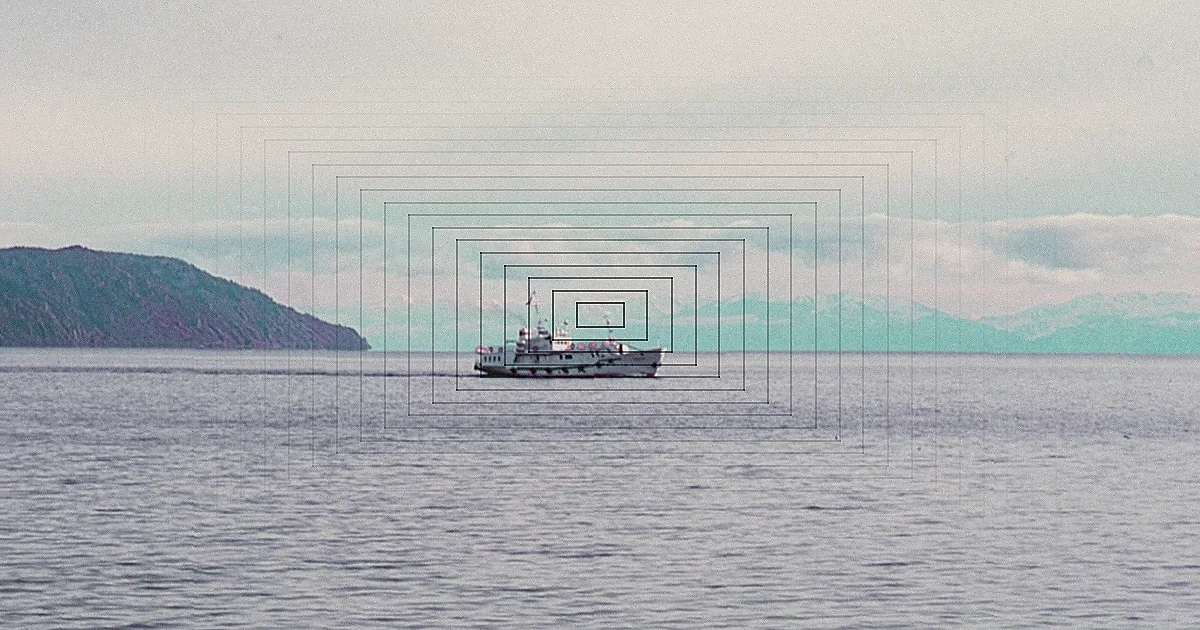
When someone says 'cruise,' most people picture mega-ships, casinos, and formal dinners. But expedition cruises, particularly the authentic ones, are an entirely different beast. In my experience, the core difference lies in their unwavering focus on immersive exploration, education, and access to remote, often untouched, natural environments.
Small Ships, Big Experiences
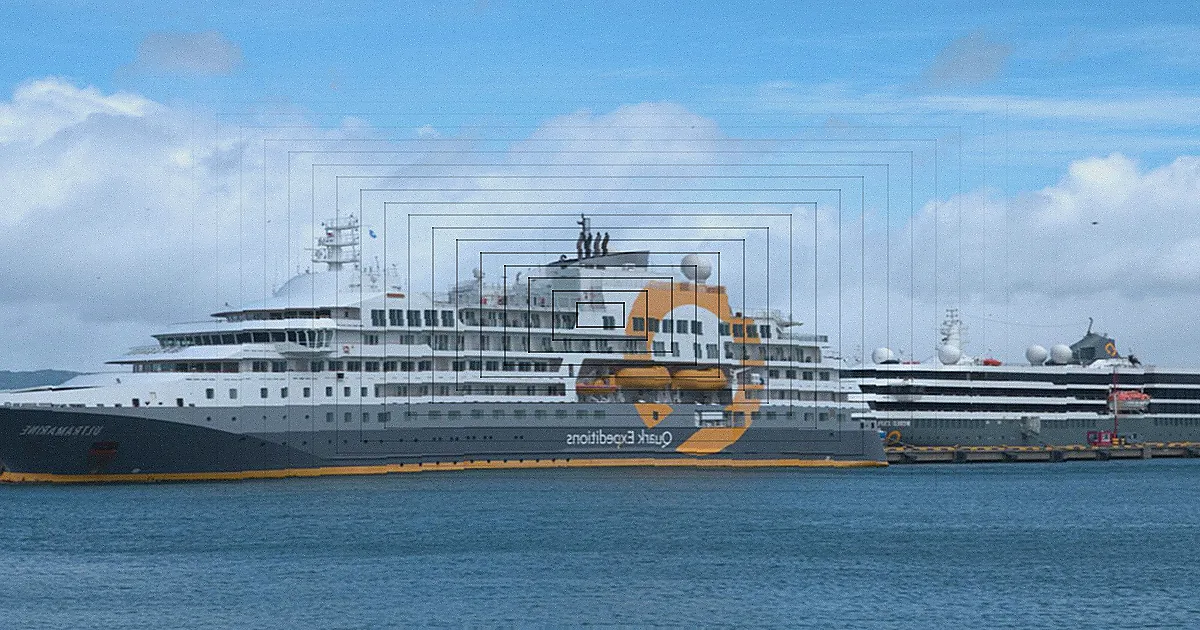
Unlike conventional cruises, expedition vessels are typically much smaller, often carrying fewer than 200 passengers, and sometimes as few as 12-50. This isn't just about intimacy; it's about necessity. Smaller ships can navigate shallower waters, access remote bays, and dock at undeveloped shorelines that larger ships simply cannot. This direct access is fundamental to the expedition experience, allowing for more frequent and meaningful landings.
Immersive Itineraries & Expert Guides
The itinerary of an expedition cruise is fluid, driven by weather, wildlife sightings, and expedition leader decisions. The emphasis is on active participation: Zodiac excursions, kayaking, hiking, and snorkeling are common. The true stars onboard are the expedition team – naturalists, historians, geologists, and marine biologists who provide invaluable context, lectures, and guidance, transforming sightseeing into deep learning.
The 'Why' Behind the 'Where'
An expedition cruise isn't just about *where* you go, but *why* you go there. It's about understanding the delicate ecosystems, the unique cultures, and the historical significance of each remote location. These journeys foster a profound appreciation for our planet and often inspire a commitment to conservation. It's a journey of purpose, not just leisure.
Navigating the Waters: Choosing Your Destination & Season
The world is vast, and so are the possibilities for expedition cruises. Your choice of destination will profoundly shape your experience, from the wildlife you encounter to the activities available. This is where your personal interests truly come into play, and I always advise clients to think deeply about what excites them most.
Polar Marvels: Arctic vs. Antarctica
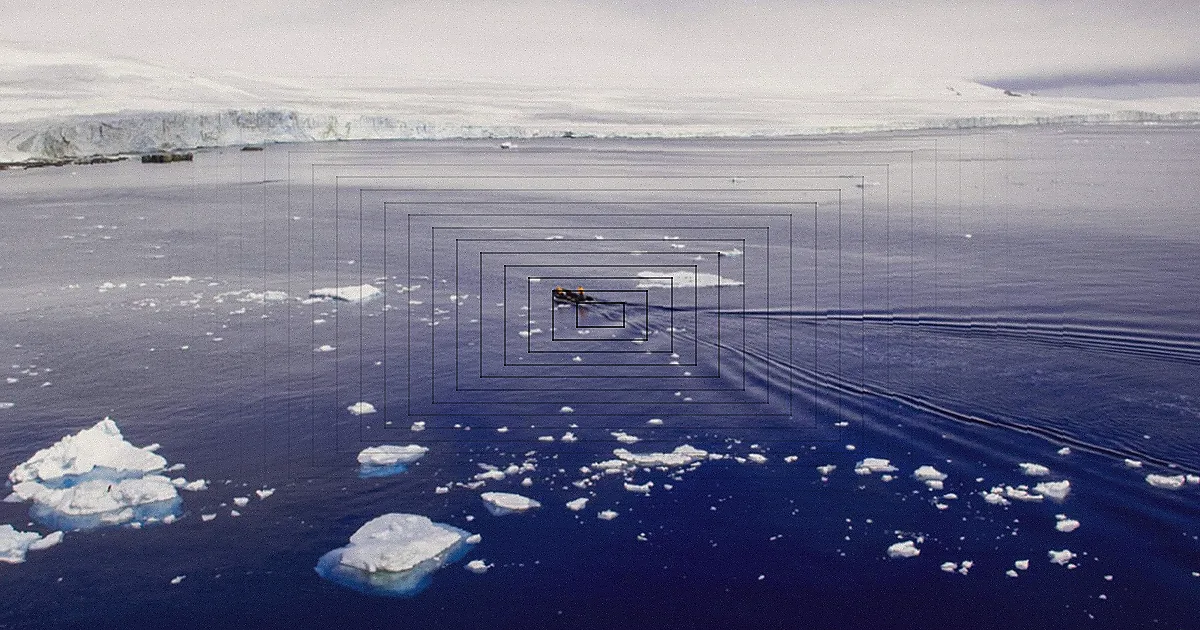
Antarctica, the White Continent, is an unparalleled wilderness. Best visited from November to March, it offers incredible wildlife viewing – penguins, seals, whales – against a backdrop of colossal icebergs and dramatic glaciers. The focus here is almost entirely on nature and wildlife. The Arctic, conversely, offers a blend of wildlife (polar bears, walruses) and unique cultural encounters with indigenous communities, particularly in Greenland and Svalbard. Its season runs from June to September.
Tropical Frontiers: Galápagos & Amazon
For those drawn to biodiversity and unique ecosystems, the Galápagos Islands are a living laboratory of evolution, offering close encounters with endemic species like giant tortoises and blue-footed boobies year-round. An Amazon River expedition, typically from October to May, provides a deep dive into the rainforest's incredible flora and fauna, often with opportunities to meet local communities. These destinations prioritize biological discovery.
Lesser-Known Gems: Kimberley Coast, Patagonian Fjords
Beyond the well-trodden paths lie regions like Australia's Kimberley Coast, famed for its ancient aboriginal art, dramatic tides, and unique geological formations, best explored during the dry season (April to October). The Patagonian Fjords in Chile and Argentina, from October to March, offer breathtaking glacial landscapes and remote wilderness, ideal for intrepid explorers seeking dramatic scenery. Each offers a distinct flavor of adventure.
Understanding the nuances of each region's offerings and optimal visiting seasons is crucial for aligning your expectations with the reality of the journey. As the Cruise Lines International Association (CLIA) often highlights, diverse destinations cater to diverse interests, and expedition travel is no exception.
| Destination | Best Season | Key Highlights | Primary Focus |
|---|---|---|---|
| Antarctica | Nov-Mar | Penguins, Icebergs, Whales, Seals | Wildlife, Pristine Wilderness |
| Arctic | Jun-Sep | Polar Bears, Indigenous Culture, Glaciers | Wildlife, Culture, Geology |
| Galápagos | Year-round | Unique Endemic Species, Darwin's Legacy | Biodiversity, Evolution |
| Amazon | Oct-May | Rainforest Flora/Fauna, Local Communities | Ecology, Cultural Immersion |
| Kimberley Coast | Apr-Oct | Aboriginal Art, Tides, Geology | Culture, Landscape, Adventure |
Decoding the Ship: Size, Amenities & Expedition Focus
The vessel itself is more than just transportation; it's your floating base camp, your classroom, and your home for the duration of the expedition. The choice of ship can significantly impact your comfort, the activities available, and the overall atmosphere of your expedition cruises.
Intimate Charters vs. Larger Expedition Vessels
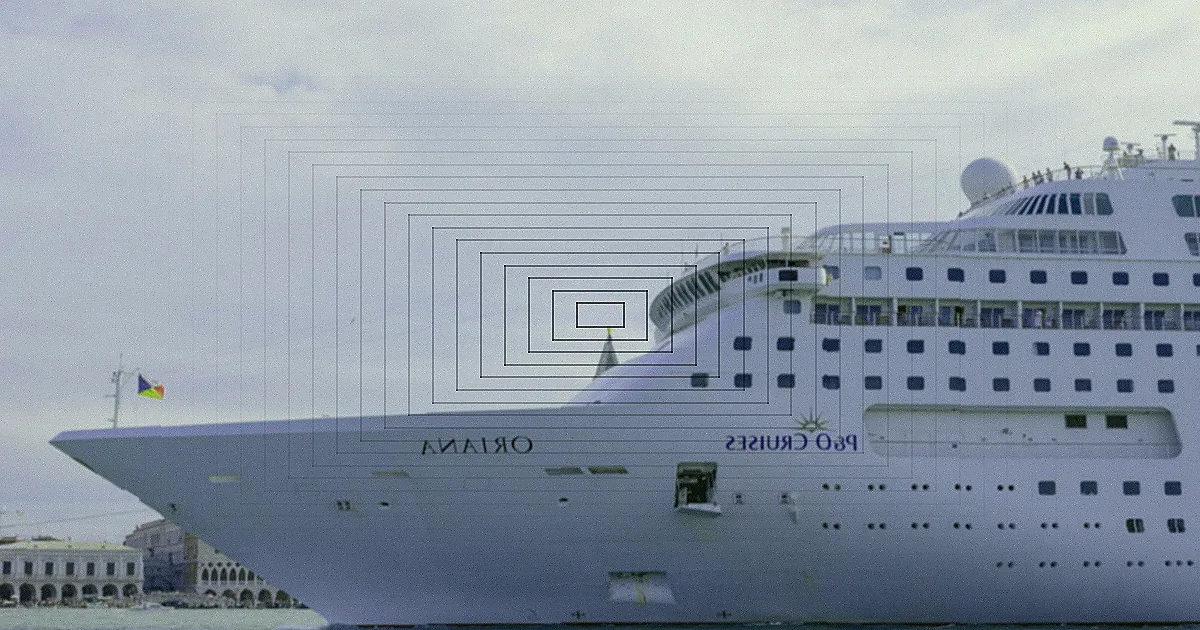
Expedition ships range from small, yacht-like vessels accommodating 12-50 guests to larger, purpose-built ships carrying up to 200. Smaller ships offer unparalleled intimacy, flexibility, and often more direct access to landing sites, especially in places with strict visitor quotas. Larger ships might offer more amenities, stabilizers for smoother sailing, and potentially more diverse onboard programming, though they might sacrifice some of the 'expeditionary edge' in certain areas. Consider your preference for group size and level of luxury.
Onboard Comforts vs. Rugged Functionality
Some expedition ships lean into luxury, offering spas, gourmet dining, and spacious suites. Others are more utilitarian, prioritizing functionality, research facilities, and robust expedition capabilities. While comfort is always appreciated, remember that the true luxury of an expedition cruise lies outside the ship. Ensure the vessel's design and features align with the primary goal of exploration, such as ample deck space for wildlife viewing, efficient Zodiac deployment systems, and comfortable lounges for lectures.
Staff-to-Guest Ratio: The Key to Personalized Exploration
A high staff-to-guest ratio is a hallmark of quality expedition cruises. More naturalists, guides, and Zodiac drivers mean more personalized attention, smaller shore groups, and enhanced learning opportunities. This ratio directly impacts the quality of your excursions and the depth of insight you receive. Always inquire about this metric, as it's a strong indicator of the operator's commitment to a rich expedition experience.
The Expedition Team: Your Guides to the Wild
In my opinion, the expedition team is the single most critical component of any successful expedition cruise. These are the experts who transform a scenic journey into an educational adventure, ensuring both your safety and your profound connection with the environment. They are the heart and soul of the experience.
Expertise That Matters: Naturalists, Historians, Scientists
A top-tier expedition team will comprise specialists across various fields: ornithologists who can identify every bird, geologists who explain the formation of landscapes, marine biologists detailing underwater life, and historians or anthropologists who bring cultural sites to life. Their daily lectures, informal chats, and guidance on shore excursions are invaluable. They don't just point out wildlife; they explain its behavior, its habitat, and its significance.
Safety First: Zodiac Operations & Shore Excursions
Expedition cruising often involves dynamic activities like Zodiac landings, kayaking, and hiking in remote areas. A professional, well-drilled expedition team prioritizes safety above all else. They are trained in cold-water survival, first aid, and efficient Zodiac operations. Pay attention to their briefings and follow their instructions diligently. Their expertise ensures that adventurous activities are conducted responsibly and securely, allowing you to focus on the wonder of your surroundings.
Case Study: How a Great Expedition Team Transformed a Trip
I recall a group of clients who embarked on an Arctic expedition. One passenger, initially apprehensive about the cold and the remote nature of the trip, was completely transformed by the onboard team. The ornithologist's passionate lectures on Arctic birds, the geologist's vivid explanations of glacial movements, and the expedition leader's ability to spot a polar bear from miles away, all contributed to an unforgettable journey. They returned not just with photos, but with a deep understanding and appreciation for the Arctic ecosystem, crediting the team for making it so accessible and engaging. This resulted in them booking another expedition the following year, eager for more.
Understanding the Investment: What Drives Expedition Cruise Costs?
Expedition cruises are often a significant investment, and it’s crucial to understand what you're paying for. These aren't budget vacations, but rather comprehensive, immersive experiences that offer exceptional value when you consider all the inclusions. From my perspective, it's about valuing unique access and expert guidance.
Inclusions & Exclusions: A Detailed Look
Typically, expedition cruise fares are more inclusive than traditional cruises. They often cover:
- Accommodation: Cabin on the ship.
- Meals: All meals, often including snacks and sometimes alcoholic beverages.
- Excursions: All Zodiac cruises, shore landings, and guided activities.
- Lectures: Expert-led educational programs.
- Gear: Sometimes includes a parka, rubber boots for landings, or even kayaking equipment.
- Transfers: Pre- and post-cruise transfers to/from the ship (check specifics).
The Value of Unforgettable Experiences
When assessing the cost, consider the unparalleled access these cruises provide to remote, pristine environments and rare wildlife. The cost reflects the specialized nature of the ships, the highly qualified expedition team, the logistical complexity of operating in challenging environments, and the commitment to sustainable practices. You're not just paying for a trip; you're investing in an education, an adventure, and memories that last a lifetime.
"An expedition cruise is not just a vacation; it's an investment in unparalleled learning and access to the world's most extraordinary natural wonders, guided by experts who bring these places to life." - Industry Veteran Insight
Packing Smart: Essential Gear for Remote Adventures
Proper packing is paramount for an enjoyable expedition cruise. Unlike a resort vacation, you can't just pop to a shop for forgotten items. The right gear ensures your comfort, safety, and ability to fully participate in all activities. I've seen too many people underprepared, and it can truly detract from the experience.
Layering for All Climates
Regardless of the destination, layering is key. Even in the tropics, evenings can be cool, and in polar regions, temperatures can fluctuate dramatically.
- Base Layer: Moisture-wicking thermal underwear (merino wool or synthetic).
- Mid-Layer: Fleece jacket or down vest for insulation.
- Outer Layer: Waterproof and windproof jacket and pants. GORE-TEX or similar is ideal.
- Head, Hands, Feet: Warm hat, waterproof gloves/mittens, and several pairs of warm, wool socks.
Photography & Optics: Capturing the Moment
You'll encounter incredible sights, so a good camera is essential. Consider a waterproof camera or a protective case for your phone. Binoculars are a non-negotiable item for wildlife viewing – a pair with 8x or 10x magnification will greatly enhance your experience. Don't forget extra batteries and memory cards, as charging opportunities might be limited, and you'll be taking many photos!
Health & Safety Considerations
Beyond clothing, pack a personal first-aid kit with any prescription medications, seasickness remedies (patches, pills), pain relievers, and blister treatment. Sunscreen and sunglasses are vital, even in polar regions where sun reflection off snow and ice can be intense. A reusable water bottle is also a must for staying hydrated and minimizing plastic waste.
Responsible Travel: Minimizing Your Footprint
As an industry specialist, I strongly believe that with the privilege of visiting pristine environments comes the responsibility to protect them. Expedition cruises, by their very nature, take us to fragile ecosystems. Choosing an operator committed to sustainability is not just a preference; it's a necessity.
Choosing Eco-Conscious Operators
Look for operators that are members of organizations like the International Association of Antarctica Tour Operators (IAATO) or the Association of Arctic Expedition Cruise Operators (AECO). These associations set strict guidelines for environmental protection and responsible tourism. Enquire about their waste management policies, fuel efficiency, and commitment to minimizing their impact on wildlife and local communities. A truly responsible operator will be transparent about their practices.
Onboard Practices & Local Engagement
Once onboard, do your part. Follow all guidelines regarding waste disposal, wildlife viewing distances, and shore landing protocols. Many ships will have programs for reducing single-use plastics and conserving energy. When visiting indigenous communities, be respectful of local customs, ask permission before taking photos, and consider supporting local economies through ethical purchasing. Your actions, however small, contribute to the preservation of these incredible places for future generations.
Beyond the Brochure: Practical Tips for a Seamless Journey
Even with the best planning, an expedition cruise requires a bit of extra foresight. These practical tips, honed from years of experience, will help ensure your journey is smooth from start to finish, allowing you to fully immerse yourself in the adventure.
Booking Strategy & Flexibility
Expedition cruises to popular destinations like Antarctica or the Galápagos often book out 12-18 months in advance, especially for prime season departures. If you have specific dates or a particular ship in mind, book early. However, if you have flexibility, last-minute deals can sometimes be found, though they are rare for the most sought-after itineraries. Always work with a reputable travel advisor specializing in expedition travel, as they can offer invaluable insights and access to exclusive offers.
Travel Insurance: A Non-Negotiable
This is perhaps the most crucial piece of advice I can offer. Comprehensive travel insurance, including medical evacuation coverage, is absolutely essential for expedition cruises. You'll be visiting remote areas where medical facilities are limited or non-existent, and a medical evacuation can cost hundreds of thousands of dollars. Ensure your policy covers the specific activities you'll be undertaking (e.g., kayaking, Zodiac cruises) and has sufficient coverage for trip cancellation or interruption due to unforeseen circumstances.
| Pre-Trip Task | Status |
|---|---|
| Research Destinations & Seasons | Done |
| Choose Ship & Operator (Check E-E-A-T) | Done |
| Book Flights & Pre/Post Hotels | Done |
| Purchase Comprehensive Travel Insurance | Done |
| Pack Essential Gear (Layering, Optics) | Done |
| Review Itinerary & Safety Briefings | Done |
| Inform Bank/Credit Card of Travel | Done |
Staying Connected (or Not)
Internet and phone service on expedition cruises, especially in very remote areas, can be spotty, slow, and expensive. Embrace this as an opportunity to disconnect and fully immerse yourself in your surroundings. Inform family and friends of potential communication limitations. If connectivity is crucial, inquire about satellite internet packages, but manage your expectations. Some ships may have limited Wi-Fi in common areas, while others offer no connectivity at all.
Frequently Asked Questions (FAQ)
Is an expedition cruise suitable for all ages? While there's no strict age limit, expedition cruises typically involve active excursions like Zodiac landings, walking on uneven terrain, and sometimes kayaking. Passengers should have a reasonable level of mobility and be able to navigate stairs. Some operators may have minimum age requirements for children, and specific itineraries might be more physically demanding than others. Always check with the cruise line regarding physical requirements and accessibility.
What if I get seasick? Seasickness can be a concern, especially when crossing open waters like the Drake Passage to Antarctica. Modern expedition ships often have stabilizers to minimize motion. Many over-the-counter and prescription medications are highly effective. I recommend consulting your doctor before your trip to discuss prevention and treatment options. Acupressure wristbands can also provide relief for some individuals.
Do I need prior experience with activities like kayaking or Zodiacs? Generally, no. Expedition teams provide thorough briefings and guidance for all activities. You'll learn how to safely embark and disembark Zodiacs, and if kayaking is offered, basic instruction will be provided. The focus is on participation and enjoyment, not on advanced skills. However, a willingness to try new things and follow instructions is important.
What's the typical dress code on an expedition cruise? The dress code is almost universally casual and comfortable. The emphasis is on practical, layered clothing suitable for outdoor activities and changing weather conditions. There are rarely formal nights. Evenings are relaxed, with guests typically wearing smart casual attire. The only 'uniform' you'll need is your expedition gear!
Can I travel solo on an expedition cruise? Absolutely! Expedition cruises are fantastic for solo travelers. Many lines offer specific solo cabins or a reduced single supplement. The communal nature of the ship, shared experiences on excursions, and friendly atmosphere of the expedition team make it easy to meet like-minded individuals. Many people form lasting friendships on these voyages.
Key Takeaways and Final Thoughts
Embarking on an expedition cruise is more than just a trip; it's a transformative journey into the heart of our planet's most magnificent and remote places. It’s an opportunity to connect with nature, learn from experts, and challenge your own perceptions of adventure. By approaching this experience with informed choices, you ensure it lives up to its extraordinary potential.
- Define Your 'Why': Understand what type of exploration and destination truly excites you before you start looking.
- Prioritize the Team: Remember that the expedition team's expertise is as crucial as the destination itself for a rich experience.
- Invest Wisely: Recognize that the cost reflects unparalleled access, expert guidance, and responsible operations.
- Prepare Thoroughly: Pack smart, secure comprehensive insurance, and embrace the opportunity to disconnect.
- Travel Responsibly: Choose operators committed to sustainability and adhere to all environmental guidelines.
As an industry veteran, I've seen the profound impact these journeys have on people. They don't just return with photos; they return with a deeper understanding of the world and their place within it. Your expedition cruise awaits – plan it wisely, embrace the unknown, and prepare for an adventure that will forever change your perspective.
Recommended Reading
- Powering Your Remote Office: 7 Steps for Car Camping Reliability
- The Eco-Glamping Secret: How to Choose a Truly Green Adventure
- Securing Unlisted Luxury Villas: VIP Privacy Strategies Revealed
- 6 Ways to Salvage Luxury Festival Travel When Plans Suddenly Collapse
- 7 Ways to Reclaim Your Solo Trip: Banish Work Stress Before You Depart



Your email address will not be published. Required fields are marked *