

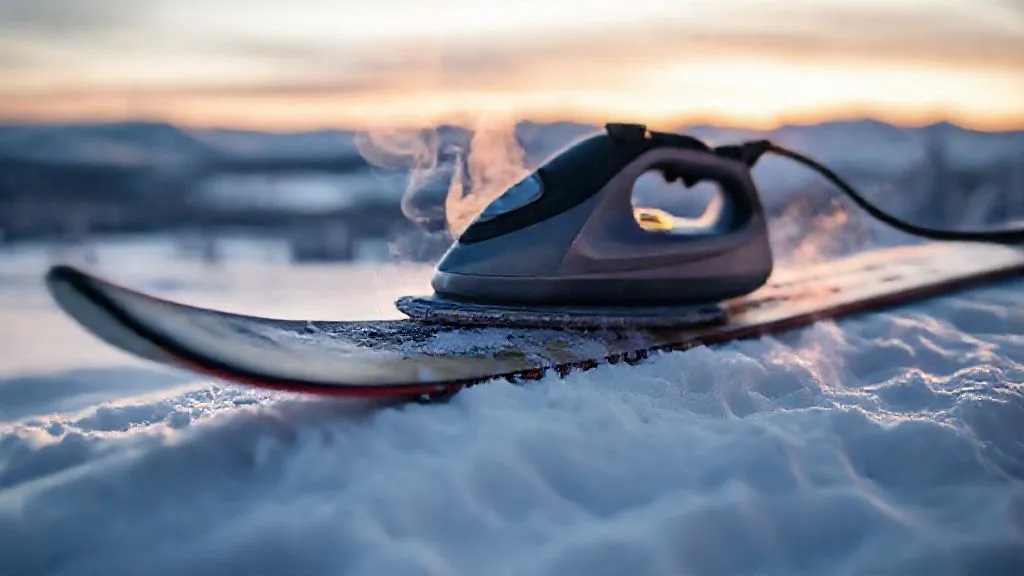
How to optimize glide wax for extreme cold and unpredictable snow?
For over two decades, I've lived and breathed cross-country skiing, from the biting winds of Arctic marathons to the crisp, silent trails of high-altitude training camps. I've seen countless skiers, even seasoned veterans, struggle with the elusive challenge of glide wax optimization when the mercury plummets and Mother Nature throws curveballs in the form of unpredictable snow conditions. It's a frustrating sight – a perfectly fit athlete losing precious seconds, or even minutes, because their skis are dragging, icing up, or simply refusing to glide.
The problem isn't just about choosing 'cold wax'; it's far more nuanced. Extreme cold morphs snow crystals into aggressive, sharp-edged adversaries, demanding specific strategies to minimize friction and prevent base damage. Add to this the unpredictability of fresh powder turning to wind-blown sastrugi, or a shaded icy patch melting into wet slush in a matter of hours, and you have a recipe for waxing disaster if you don't know the playbook.
In this definitive guide, I'll share my hard-won insights and battle-tested frameworks for mastering glide wax in the most demanding conditions. You'll learn not just what waxes to use, but the science behind snow crystal mechanics, advanced application techniques, and crucial strategic decisions that will empower you to achieve optimal glide, regardless of what the trail throws at you. Prepare to elevate your cold-weather skiing performance.
The Unforgiving Canvas: Decoding Extreme Cold and Unpredictable Snow
Before we even touch a wax iron, we must understand the environment. Extreme cold isn't just a number on a thermometer; it's a fundamental shift in the snow's characteristics. I've spent countless hours observing snow under a magnifying glass, and what you see is fascinating – and crucial for waxing.
Snow Crystal Metamorphosis: The Cold Truth
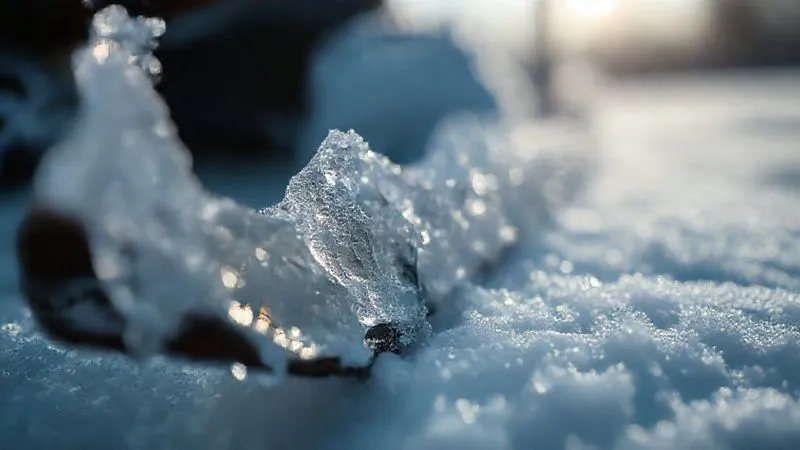
In very cold temperatures (typically below -10°C / 14°F), snow crystals become harder, sharper, and more abrasive. Freshly fallen powder consists of delicate, intricate dendrites, but in extreme cold, these quickly transform into smaller, more angular, and often faceted grains. This process, known as destructive metamorphism, creates a highly abrasive surface that can literally shave wax off your ski base, increasing friction and reducing glide. The lower the humidity, the more aggressive these crystals become, acting like tiny files.
Conversely, if there's even a hint of humidity in very cold air, or if the temperature fluctuates, these crystals can begin to bind together, forming larger, more rounded grains, or even a 'dry friction' snow that feels oddly sticky. This is where predictability goes out the window, and a single wax choice can quickly become a liability.
The Impact of Temperature Fluctuations and Microclimates
Unpredictable snow often stems from temperature fluctuations. A trail might start at -15°C in the shade, climb to -5°C in a sunny section, and then plunge back to -12°C in a sheltered valley. Each microclimate demands a different approach. I've learned that relying solely on a single trailside thermometer is a rookie mistake. You need to consider the entire course profile, elevation changes, and sun exposure.
Expert Insight: Always wax for the coldest, most abrasive snow you expect to encounter. It's easier to be slightly slow in a warmer section than to have your skis ice up or drag hopelessly in the bitter cold.
The Unsung Hero: Meticulous Base Preparation for Cold Conditions
Many focus solely on the wax, but the ski base itself is the foundation of glide. In extreme cold, an improperly prepared base is a guaranteed recipe for failure. Think of it like a finely tuned engine; the best fuel won't compensate for dirty pistons.
Step-by-Step Base Cleaning and Hot Scraping
- Initial Cleaning: Begin by thoroughly cleaning your bases with a dedicated base cleaner. I prefer a citrus-based cleaner or a specific wax remover, applied sparingly and wiped off immediately with fiberlene paper.
- Hot Scraping (The Crucial Step): This is non-negotiable for cold conditions. Apply a soft, low-melt universal glide wax (e.g., Swix CH10 or Toko Yellow) with your iron at a low temperature. Allow it to cool for only 1-2 minutes, then scrape it off while it's still slightly warm. This 'hot scrape' pulls dirt, old wax, and impurities out of the base pores. Repeat 2-3 times until the scraped wax comes off clean.
- Brushing: After the final hot scrape, give the base a light brush with a stiff nylon brush to remove any residual wax.
Base Saturation and Hardening
For extreme cold, your bases need to be fully saturated with hard wax. This isn't just about applying a single layer; it's about building a durable, cold-resistant foundation. I often recommend a 'cold saturation' process:
- Apply a Cold Base Wax: Use a very hard base wax (e.g., Swix Green, Toko Blue, or a specific base prep wax). Iron it in slowly and deliberately, ensuring the iron is moving constantly to prevent burning the base.
- Cool and Scrape: Let the wax cool completely (at least 30 minutes to an hour, or even overnight). Scrape thoroughly.
- Repeat: Apply another layer of the same cold base wax. Repeat this process 3-5 times. This builds up a deep layer of hard wax within the base, making it more resistant to the abrasive snow and providing a better anchor for your final glide wax.
- Final Brushing: After the last scrape, use a stiff nylon brush, then a fine steel or bronze brush, and finally a horsehair brush to open up the structure.
Strategic Arsenal: Selecting the Right Glide Waxes for the Deep Freeze
The market is flooded with waxes, but for extreme cold, your choices narrow down to specific categories designed for durability and minimal friction against sharp snow crystals. This is where experience truly guides selection.
Hard Waxes and Their Role
For temperatures consistently below -10°C (14°F), you'll primarily be reaching for hard, cold-specific glide waxes. These waxes are designed to be brittle and non-sticky, resisting the adhesion of cold, dry snow crystals. They typically contain additives that increase hardness and reduce friction.
- Paraffin Waxes: Look for waxes specifically rated for very cold temperatures (e.g., -12°C to -30°C). Brands like Swix, Toko, Rode, Holmenkol all offer excellent cold-specific paraffins.
- Fluorocarbon-Free (FCF) Options: The industry is moving towards FCF. Many modern FCF cold waxes are surprisingly effective, incorporating new additives to mimic the performance benefits of fluoros. Don't shy away from them; experiment to find what works best with your skis and local snow.
Understanding Powders, Blocks, and Liquid Overlays
While base waxes provide the foundation, topcoats can offer that extra edge, especially in unpredictable conditions.
- Cold Powders: These are typically very hard, high-performance waxes designed for the coldest, driest snow. They are ironed in, cooled, and then aggressively brushed out. They create an incredibly durable and fast surface.
- Blocks/Rub-on Waxes: Excellent for quick adjustments on the trail or as a final layer for added durability, especially on abrasive snow. They are rubbed on, then corked vigorously with a natural or synthetic cork.
- Liquid Overlays: Some brands offer liquid glide waxes for cold conditions. These can be fast and convenient, but their durability in extreme, abrasive cold can sometimes be less than ironed-in waxes. They are best used as a final layer over a well-prepared base.
| Temperature Range | Snow Type | Recommended Wax Type | Notes |
|---|---|---|---|
| -10°C to -15°C (14°F to 5°F) | New, fine-grained, slightly moist cold snow | Medium-hard cold paraffin (e.g., Swix CH4/CH5, Toko Blue) | Good all-rounder for typical cold. |
| -15°C to -25°C (5°F to -13°F) | Old, transformed, abrasive, very dry snow | Hard cold paraffin (e.g., Swix CH3, Toko Green) or specific cold FCF | Prioritize durability and hardness. |
| Below -25°C (-13°F) | Extremely dry, fine powder, highly abrasive | Very hard cold paraffin, often with cold powder overlay | Focus on maximum hardness and minimal friction. |
| Variable/Unpredictable | Mixed conditions (e.g., cold powder to icy patches) | Layering of hard paraffins, possibly with block overlay | Flexibility and adaptability are key. |
Beyond the Iron: Advanced Application Techniques for Durability and Speed
It's not just *what* wax you use, but *how* you apply it. In extreme cold, precision is paramount. A sloppy application can lead to premature wear or, worse, icing.
The Art of Layering and Ironing Temperatures
I advocate for a layering approach in cold conditions. Start with a colder, harder base wax, then apply your target temperature wax over it. This builds a robust, multi-layered shield against abrasive snow.
- Base Layer (e.g., Swix CH3/CH4): Apply a very thin layer of your chosen cold base wax. Iron it in slowly at the manufacturer's recommended temperature (or slightly lower if you're cautious). Allow to cool for 15-20 minutes.
- Intermediate Layer (e.g., Swix CH5/CH6): If conditions are slightly warmer than extreme cold, or if you anticipate some variability, apply a slightly softer cold wax over the base layer. Iron in, cool, and scrape.
- Top Layer (e.g., Race Wax/Powder): If using a powder or a very high-performance block, apply this as your final layer. For powders, iron in carefully, cool completely (essential!), then brush aggressively.
Iron Temperature: Always use the lowest possible iron temperature that allows the wax to melt smoothly. Overheating your base can damage it and reduce wax retention. For hard cold waxes, this often means a higher iron temperature than for warmer waxes, but still be mindful not to scorch the base. Keep the iron moving constantly.
Scraping and Brushing for Optimal Structure Exposure
Aggressive scraping and thorough brushing are critical. Cold waxes are hard, and if not removed properly, they can sit on the surface, creating friction. I've seen this mistake countless times, leading to slow skis.
- Scraping: Use a sharp, high-quality plexi scraper. Make long, firm, overlapping strokes from tip to tail. Scrape until no more wax comes off. For very hard waxes, you might need to apply significant pressure.
- Initial Brushing (Stiff Nylon/Bronze): Immediately after scraping, use a stiff nylon or bronze brush. This removes the bulk of the remaining wax from the base structure. Brush vigorously from tip to tail, making 10-15 passes.
- Intermediate Brushing (Fine Steel/Horsehair): Follow with a finer steel or horsehair brush. This further cleans the structure and begins to polish the base. Again, 10-15 passes.
- Final Brushing (Fine Nylon/Polishing Brush): Finish with a very fine nylon or polishing brush to achieve a smooth, fast surface and fully expose the base structure. Your base should look shiny and feel smooth to the touch, with visible structure.
Case Study: Team Blizzard's Cold Waxing Breakthrough
Case Study: How Team Blizzard Conquered the Arctic Marathon
Team Blizzard, a competitive cross-country ski team, faced a daunting challenge during an ultra-marathon in northern Scandinavia. Temperatures were predicted to range from -20°C to -30°C, with sections of fresh, dry powder giving way to wind-scoured, icy stretches. Their initial strategy of a single layer of ultra-cold paraffin led to significant drag and icing in the wind-blown areas during training. Team leader, Sven, consulted with me.
We implemented a multi-layered approach: first, a thorough hot scrape and 3-layer saturation with a very hard base prep wax (Toko Base Green). Then, a primary glide layer of Swix CH3, ironed in at a low temperature and cooled for 45 minutes. Over this, we applied a thin layer of a new generation fluorocarbon-free cold powder, ironed in briefly, cooled for an hour, and then aggressively brushed with a steel roto brush, followed by horsehair and fine nylon. For the unpredictable icy sections, we pre-applied a thin rub-on block of Rode Super Cold wax on the tips and tails, corking it in lightly. This careful layering and specific topcoat application resulted in significantly reduced icing, superior glide consistency across varied snow, and ultimately, a top-5 finish for the team, a marked improvement from their previous performance in similar conditions.
Navigating the Unknown: Adapting Your Waxing Strategy for Variable Conditions
Unpredictable snow is the ultimate test of a wax technician. It demands flexibility, observation, and sometimes, a willingness to make on-the-fly adjustments. I've learned that a 'set it and forget it' mentality simply doesn't work when conditions are dynamic.
Zonal Waxing: A Strategic Compromise
When facing a course with significant temperature or snow type variations, zonal waxing can be a lifesaver. This involves applying different waxes to different sections of the ski. For instance:
- Tips and Tails: These areas are most prone to icing and interact most with new, dry snow. Applying a slightly harder, more aggressive cold wax here can help prevent snow from sticking.
- Middle Section: The main glide zone can receive a wax optimized for the average expected conditions, or a slightly softer cold wax if you anticipate warmer sections.
This isn't about creating distinct lines, but rather a subtle tapering. The key is to blend the waxes seamlessly to avoid creating drag points. It's a nuanced technique that comes with practice.
The Role of Weather Forecasting and On-Site Testing
Never underestimate the power of a good weather forecast. I meticulously track not just temperature, but also humidity, wind direction, and expected precipitation. Resources like Yr.no or local meteorological services provide invaluable microclimate data. However, the forecast is just a starting point.
On-site testing is paramount. Always bring a few test skis or at least a few different wax options. Ski a short loop, paying close attention to glide, feel, and any signs of icing. This feedback loop is essential for fine-tuning your final choice.
The Silent Partner: Understanding and Utilizing Ski Base Structures
Even the best glide wax won't perform optimally if your ski base structure isn't right for the conditions. Structure, the microscopic pattern ground into the base, is designed to manage the water film that forms under the ski. In extreme cold, this water film is minimal, but structure still plays a crucial role.
Cold Structures: What They Are and Why They Matter
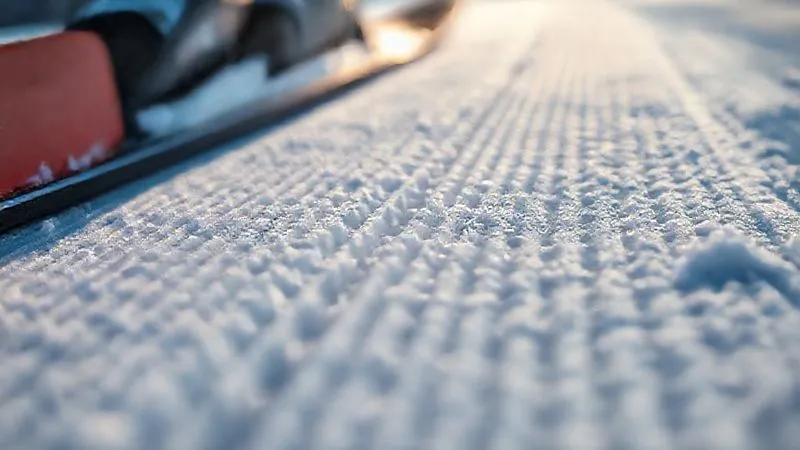
For very cold, dry snow, you generally want a finer, shallower, or linear structure. This is because there's very little meltwater to evacuate. A coarse structure designed for wet snow will create too much suction and friction in dry, cold conditions.
- Linear Structure: A straight, fine line structure from tip to tail is often excellent for dry, cold snow.
- Broken/Cross Structure (Fine): A very fine, broken or cross-hatch pattern can also work well, especially if there's a slight chance of changing humidity or very fine new snow.
Most ski manufacturers offer specific cold-grind structures. If you're serious about cold performance, investing in skis with a dedicated cold grind, or having your skis professionally structured, is a game-changer. I personally have different pairs of skis with different structures for different conditions.
Roto-Structuring and Manual Structuring Tools
You can also adjust structure manually or with roto-structuring tools.
- Manual Structuring Tools: These hand-held tools allow you to press a pattern into your ski base. For cold, I often use a very fine, linear tool to enhance the existing grind or add a subtle structure to a base that might be too smooth. Always apply light, even pressure from tip to tail.
- Roto-Structuring: A more advanced technique using a drill-powered brush with specific structuring rollers. This is typically done by experienced technicians but can provide excellent results for modifying base structure for specific conditions.
Expert Insight: A common mistake is to overlook structure. Even with the perfect wax, an inappropriate structure for cold, dry conditions can negate all your efforts, leading to slow skis.
Troubleshooting on the Trail: Common Issues and Quick Fixes for Cold Waxing
Even with the best preparation, issues can arise. Knowing how to diagnose and address them quickly can salvage a training session or even a race. I've had to make many mid-race adjustments over the years.
Diagnosing and Addressing Icing
Icing is the bane of cold-weather skiing. It occurs when snow crystals stick to the base, forming a layer of ice that dramatically increases friction. It often happens when the wax is too soft for the conditions, or if the humidity is higher than anticipated for a cold temperature.
- Symptoms: Skis feel incredibly slow, heavy, and you might see snow sticking to the base, particularly under the foot.
- Quick Fixes:
- Rub-on Cold Wax: Carry a small block of very hard, cold rub-on wax (e.g., Swix F4 Universal or a dedicated cold block). Rub it vigorously over the iced areas, then cork it in with a natural cork. This adds hardness and reduces static.
- Scrape and Brush (if possible): If you have access to a scraper and brush, a quick scrape and brush can sometimes remove the icy layer and expose fresh, harder wax.
- Base Cleaner (last resort): A very light wipe with a base cleaner can temporarily remove icing, but it also strips wax, so use sparingly and reapply rub-on wax immediately.
When Skis Feel Slow: Friction vs. Suction
Slow skis can be due to two main issues: too much friction (wax too soft, snow too abrasive) or too much suction (wax too sticky, structure too coarse for dry snow).
- Too Much Friction: If the snow is very abrasive and dry, your wax might be wearing off too quickly, exposing the base, or simply not hard enough. The skis feel 'scratchy' or 'grindy'.
- Rub-on Hard Wax: Apply a harder rub-on wax.
- Structure Adjustment: If you have a manual structuring tool, a finer linear structure might help.
- Too Much Suction: Often occurs if the wax is too warm for the snow, or if the snow has a slight moisture content at cold temperatures. The skis feel 'sticky' or 'draggy', especially on flats.
- Cork Aggressively: Corking can sometimes reduce the stickiness.
- Rub-on Hard Wax: A very hard, dry wax can help dry out the surface.
The Long Game: Post-Ski Care and Wax Maintenance for Longevity
Optimizing glide wax isn't a one-time event; it's an ongoing process that extends to how you care for your skis between outings. Proper post-ski care ensures your bases remain receptive to wax and perform consistently in cold conditions.
Cleaning and Storage: Protecting Your Investment
After a cold ski, your bases will likely be covered in wax residue, dirt, and potentially even some snow crystals embedded in the wax. Neglecting this can lead to dull, slow bases over time.
- Wipe Down: As soon as you're done, wipe your bases with a clean cloth or fiberlene paper to remove loose snow and surface dirt.
- Hot Scrape (Periodically): After every few cold skis, or if your skis feel particularly dirty, perform a hot scrape with a soft universal wax (as described in the base preparation section). This deep cleans the base and keeps it fresh.
- Storage Wax: For longer storage periods (e.g., between seasons), apply a generous layer of a soft universal storage wax. Do NOT scrape it off. This protects the base from oxidation and keeps it saturated. Store skis indoors, away from direct sunlight or extreme temperature fluctuations.
According to research published by U.S. Ski & Snowboard, proper base care and consistent waxing practices are directly correlated with prolonged ski performance and base longevity, especially for high-performance equipment. This isn't just about speed; it's about making your expensive gear last.
Maintaining Base Structure and Wax Saturation
Regular maintenance ensures your base structure remains open and effective, and that your bases stay saturated with the right waxes. I typically hot scrape and re-wax my cold skis every 30-50km of skiing, or more frequently if I've been on particularly abrasive snow.
- Check Structure: Periodically examine your base structure. If it looks dull or clogged with wax, it's time for a thorough scrape and brush.
- Re-saturate: If your skis start to look 'dry' or 'white' in the glide zones, it's a clear sign they need more wax. A few layers of a hard base wax will re-saturate them and bring them back to life.
As renowned ski technician Peter Graves often emphasizes, consistency in waxing and maintenance is far more important than chasing the 'magic wax' for every single outing. Build a routine, stick to it, and your skis will reward you with reliable glide.
Frequently Asked Questions (FAQ)
What's the difference between cold powder and cold abrasive snow, and how does it affect wax choice? Cold powder typically refers to freshly fallen, very dry snow at low temperatures. Its crystals are delicate and can be very fast if the humidity is low, but can also lead to static cling. Cold abrasive snow, on the other hand, is usually older, transformed snow where the crystals have become harder, sharper, and more angular due to metamorphism and wind. This type of snow acts like sandpaper. For cold powder, you might prioritize waxes that reduce static and offer excellent glide. For abrasive snow, durability and extreme hardness of the wax are paramount to prevent it from being scraped off.
Can I mix different wax brands for layering, or should I stick to one brand's system? Yes, you absolutely can mix different wax brands. In fact, many experienced technicians and racers do this to combine the best properties of various manufacturers. For example, you might use a Toko base prep wax, a Swix CH-series glide wax, and a Rode topcoat. The key is to ensure the waxes are compatible in terms of temperature range and application method. There's no single 'system' you must adhere to, though some brands do design their waxes to work synergistically. Experimentation is encouraged to find your optimal combination.
When should I use a roto brush versus a hand brush for cold waxes? Roto brushes are incredibly efficient for cold waxes because these waxes are very hard and require significant effort to brush out effectively with a hand brush. A roto brush with a stiff nylon or steel brush head can quickly and thoroughly remove excess wax and open the base structure, saving time and energy. However, roto brushes require careful handling to avoid overheating the base. For routine waxing or if you don't have a roto brush, a good set of hand brushes (stiff nylon, bronze, horsehair, fine nylon) will still achieve excellent results, though it will take more physical effort and time.
How often should I hot scrape my skis, especially when skiing in extreme cold? The frequency of hot scraping depends on several factors: how often you ski, the cleanliness of the snow, and the abrasiveness of the conditions. In extreme cold and abrasive snow, your bases can accumulate more impurities and wax residue. I recommend a full hot scrape every 30-50 km of skiing, or after every 3-5 outings. If you notice your skis starting to look 'dirty' or 'grey' in the glide zones, or if they feel sluggish despite fresh wax, it's a good indicator that a hot scrape is due. It's a fundamental part of maintaining base health and wax receptiveness.
Are fluorocarbon-free waxes truly effective in extreme cold, or should I still seek out older fluorinated options? The efficacy of fluorocarbon-free (FCF) waxes in extreme cold has significantly improved in recent years. Many major wax manufacturers have invested heavily in R&D to develop FCF formulations that perform exceptionally well in cold, dry conditions, often utilizing new additives and technologies. While some older, high-fluoro waxes were undeniably fast, modern FCF cold waxes are very competitive and, in many cases, indistinguishable in performance for the vast majority of skiers. Furthermore, the environmental and health benefits of FCF waxes are compelling. I strongly encourage skiers to embrace and experiment with the latest FCF cold options, as they represent the future of ski waxing and often deliver excellent results.
Key Takeaways and Final Thoughts
- Understand the Snow: Extreme cold transforms snow into abrasive crystals. Your wax strategy must account for this fundamental change.
- Base Prep is Paramount: A clean, saturated, and properly structured base is the non-negotiable foundation for cold-weather glide.
- Choose Hard Waxes: Prioritize hard, cold-specific paraffins and modern FCF options for durability and minimal friction.
- Master Application: Layering, precise ironing temperatures, and aggressive scraping/brushing are crucial for exposing optimal structure and wax performance.
- Be Adaptable: Utilize zonal waxing and on-site testing to navigate unpredictable snow conditions and microclimates.
- Structure Matters: Ensure your ski base has a fine, linear, or very shallow structure suitable for cold, dry snow.
- Maintain Diligently: Regular hot scraping, proper storage, and consistent re-waxing are key to long-term performance.
Mastering glide wax for extreme cold and unpredictable snow is a skill honed over seasons, but it's a skill that pays immense dividends on the trail. By understanding the science, applying meticulous techniques, and remaining adaptable, you'll transform your cold-weather skiing experience from a drag-filled struggle to one of effortless, exhilarating glide. Embrace the challenge, trust in the process, and enjoy the unparalleled beauty of winter on skis.
Recommended Reading
- Slash Multi-State Fuel Bills: 9 Expert Strategies for Travel Assignments
- The Secret to Choosing Language Immersion Cultural Travel Programs
- Mastering Vegan Wine Pairings: Crafting Tasting Menus for Food Travelers
- Navigating Multi-Park Permits: Your Guide to Commercial Road Trip Access
- Unlock Serenity: Your 48-Hour Luxurious City Escape, Stress-Free!

Your email address will not be published. Required fields are marked *