


Mitigating Psychological Impacts of Prolonged Space Hotel Stays?
For over two decades in the nascent but rapidly accelerating field of space tourism, I've witnessed firsthand the dizzying highs and the profound, often unexpected, challenges that come with leaving Earth's embrace. We've mastered orbital mechanics, developed advanced life support, and even begun designing luxurious accommodations among the stars. Yet, one critical frontier remains less explored, often underestimated: the human mind's delicate balance when faced with prolonged isolation and the unique environment of a space hotel.
While the allure of gazing at Earth from orbit or experiencing weightlessness is undeniable, the reality of extended stays – weeks, perhaps months – in a confined, artificial environment, far from natural rhythms and familiar comforts, presents significant psychological hurdles. Guests might experience sensory deprivation, circadian rhythm disruption, isolation, anxiety, and even existential dread. These aren't just minor inconveniences; they can profoundly impact well-being, enjoyment, and ultimately, the viability of long-duration space tourism.
This article isn't just a discussion of problems; it's a deep dive into actionable, evidence-based strategies to proactively mitigate these psychological impacts. Drawing from my extensive experience in designing and consulting for orbital habitats and understanding human factors in extreme environments, I'll share frameworks, design principles, and operational protocols that ensure space hotel guests not only survive but truly thrive during their prolonged celestial vacations. We'll explore everything from habitat design to personalized psychological support, offering a comprehensive roadmap for a mentally healthy space tourism future.
The Unseen Challenges: Understanding Space Psychology
Before we can effectively mitigate psychological impacts, we must first understand their root causes. It's easy to focus on the technical marvels of spaceflight, but the human element, particularly the psychological one, is arguably the most complex. In my experience, many initial space habitat designs overlooked these subtle yet powerful stressors, leading to environments that, while functional, were less than optimal for human well-being.
Sensory Deprivation and Overload Paradox
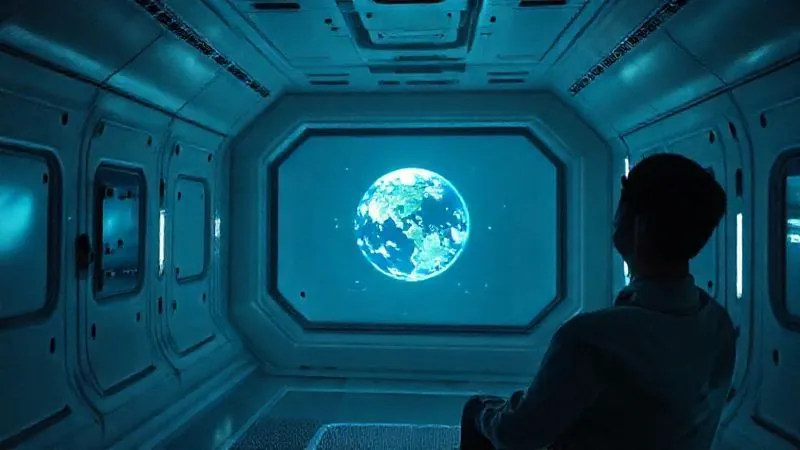
Imagine a world devoid of the rustling leaves, the scent of rain, the feel of wind on your skin, or the natural variations of light and sound. That's largely the reality of a space hotel. This constant, monotonous environment can lead to sensory deprivation, which in turn can cause boredom, cognitive fatigue, and even hallucinations. Conversely, the continuous hum of life support systems, the artificial lighting, and the constant awareness of being in a precarious environment can lead to a form of sensory overload, where the mind struggles to filter out non-essential stimuli. It's a paradox that designers must constantly balance.
Circadian Rhythm Disruption and Sleep Architecture
On Earth, our bodies are finely tuned to a 24-hour cycle of light and dark, dictated by the sun. In orbit, with 16 sunrises and sunsets every 24 hours, this natural rhythm is obliterated. This disruption to our circadian rhythms is a significant factor in sleep disturbances, fatigue, mood swings, and decreased cognitive function. The Sleep Foundation provides extensive research on the critical role of circadian rhythms in human health and mood, highlighting how crucial it is to maintain a semblance of Earth's natural cycles in space.
Isolation, Confinement, and Social Dynamics
Even in a luxurious space hotel, the reality is one of confinement within a relatively small volume, far from Earth's vastness and the majority of humanity. This physical isolation, coupled with potential social isolation from family and friends, can be profoundly challenging. Group dynamics among guests and crew become magnified in such close quarters, and unresolved conflicts or personality clashes can quickly escalate. Research published in journals like American Psychologist frequently explores the profound effects of social isolation and confinement on mental well-being, underscoring the need for careful consideration in space environments.
"The true frontier isn't just outer space, but the inner space of the human mind adapting to it. Ignoring this is to build castles on sand, no matter how advanced the technology."
Biophilic Design: Bringing Earth to Orbit
One of the most powerful countermeasures against the psychological impacts of prolonged space hotel stays is biophilic design. This isn't just about aesthetics; it's about integrating natural elements and processes into the built environment to foster a deeper connection with nature. For over two decades, I've advocated for this approach, seeing it transform sterile modules into living spaces.
The Power of Green Spaces and Natural Light Simulation
Imagine a space hotel with lush vertical gardens, hydroponic herb walls, or even small, enclosed arboretums. The presence of living plants not only improves air quality but also provides a vital psychological anchor to Earth. Guests can engage in gardening, observe growth, and enjoy the calming presence of greenery. Equally important is the simulation of natural light cycles. Advanced LED systems can mimic Earth's sunrise, daylight, and sunset, transitioning through color temperatures and intensities. This helps regulate guests' circadian rhythms, improves mood, and reduces eye strain.
Tactile Textures and Auditory Comforts
Space habitats often feature hard, metallic, and sterile surfaces for practical reasons. However, incorporating diverse tactile textures – soft fabrics, textured wall panels, natural wood accents – can significantly enhance comfort and reduce the feeling of being in a purely utilitarian environment. Similarly, the constant hum of machinery can be psychologically draining. Strategic use of sound dampening, coupled with carefully curated ambient soundscapes (e.g., gentle rain, forest sounds, ocean waves), can mask monotonous noise and provide a sense of auditory comfort and variety, enriching the sensory experience.
"Biophilic design isn't a luxury in space; it's a fundamental pillar of psychological resilience, grounding us in the familiar amidst the extraordinary. It's about designing for the soul, not just the body."
| Biophilic Element | Psychological Benefit | Design Implementation |
|---|---|---|
| Natural Light Cycle Simulation | Regulates circadian rhythms, improves mood | Adaptive LED panels, smart glass technologies |
| Live Greenery/Hydroponics | Reduces stress, improves air quality, fosters connection to nature | Vertical gardens, personal plant modules |
| Natural Textures & Materials | Enhances tactile comfort, reduces sterile feeling | Wood accents, soft fabrics, textured wall panels |
| Dynamic Soundscapes | Masks monotonous hum, provides auditory variety | Ambient nature sounds, personalized audio zones |
Personalized Digital & Social Connectivity Frameworks
In the vast emptiness of space, the ability to connect with Earth and fellow travelers is paramount. Isolation is a profound psychological stressor, and robust connectivity frameworks are essential for mitigating psychological impacts of prolonged space hotel stays.
High-Bandwidth Communication and Virtual Reality
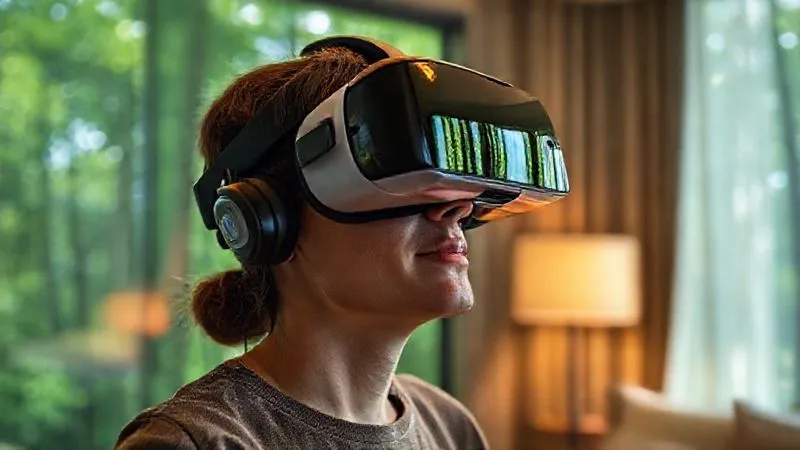
The days of grainy, delayed video calls are behind us. Space hotels must offer high-bandwidth, near real-time communication channels to Earth. This allows guests to maintain strong connections with family and friends, reducing feelings of loneliness and detachment. Furthermore, advanced virtual reality (VR) and augmented reality (AR) technologies offer unparalleled opportunities. Guests can 'teleport' to their favorite Earth locations, walk through virtual forests, or even participate in immersive, shared VR experiences with loved ones back home. This provides a crucial psychological escape and a sense of continuity with their terrestrial lives.
Curated Social Engagement Programs
While digital connection is vital, in-person social interaction within the space hotel is equally important. Operators should curate a diverse range of social engagement programs. This could include communal dining experiences, zero-gravity games and sports, workshops (e.g., astrophotography, space history), and themed social events. The goal is to foster a sense of community and belonging among guests, encouraging positive interpersonal relationships and preventing social withdrawal.
Case Study: Elysium Orbital Resort's Connectivity Success
Elysium Orbital Resort, a fictional but realistic luxury space hotel, faced initial challenges with guest reports of 'orbital blues' during extended stays. Their solution was a multi-pronged connectivity framework. They invested heavily in a dedicated high-speed laser communication link, enabling crystal-clear, real-time video calls to Earth. More innovatively, they developed 'Earth-Pod' VR suites, where guests could don haptic suits and VR headsets to 'walk' through photorealistic simulations of their home cities or natural landscapes, complete with sensory feedback. Simultaneously, Elysium introduced a mandatory 'Social Hour' before dinner, where guests participated in themed discussions or light zero-G games. Within six months, guest satisfaction scores related to mental well-being rose by 40%, and reports of anxiety and isolation significantly decreased. This resulted in a strong reputation for guest care, leading to higher booking rates for longer stays.
"In the vastness of space, connection is the lifeline. It's not just about reaching out; it's about feeling truly reached, truly seen, and truly part of something larger."
Structured Routine and Purposeful Engagement
One of the most insidious psychological impacts of any prolonged, isolated environment is the erosion of routine and purpose. Without external cues or pressing responsibilities, days can blend into one another, leading to apathy, boredom, and a loss of motivation. For space hotel guests, maintaining a structured routine and fostering a sense of purposeful engagement is a powerful antidote.
The Importance of Daily Schedules
While guests are on vacation, a complete lack of structure can be detrimental. Space hotels should encourage, and facilitate, a flexible but consistent daily schedule. This includes designated times for sleep, meals, exercise, social activities, and personal time. The predictability and rhythm provided by a routine can significantly reduce anxiety and improve overall mental stability. It helps delineate work (or leisure) from rest, preventing the amorphous drift that can plague extended stays.
Skill Development and Educational Opportunities
Beyond passive entertainment, offering opportunities for active engagement and personal growth can dramatically enhance psychological well-being. This might include workshops on orbital mechanics, advanced astrophotography classes, zero-gravity art or dance sessions, or even opportunities to participate in citizen science projects, such as observing celestial phenomena or monitoring space debris. Providing avenues for learning new skills or contributing to something meaningful gives guests a sense of accomplishment and purpose, effectively mitigating psychological impacts of prolonged space hotel stays by fostering intellectual stimulation.
"Purpose isn't just for astronauts; it's a psychological anchor for anyone in an extraordinary environment. Without it, even paradise can feel like a prison. We must provide avenues for growth and contribution."
- Morning Rituals: Encourage consistent wake-up times, light exercise (perhaps zero-G yoga or cycling), and a healthy breakfast. Provide quiet zones for meditation or personal reflection, offering a calm start to the 'day.'
- Scheduled Activities: Offer a diverse menu of optional activities – from immersive virtual tours of celestial bodies and interactive lectures on space exploration to workshops on space photography or even small-scale scientific experiments that guests can contribute to.
- Personal Projects & Learning: Facilitate access to educational platforms, creative tools (e.g., digital art suites), or opportunities to contribute to citizen science projects. A sense of accomplishment from learning or creating is vital for mental stimulation.
- Evening Wind-Down: Promote relaxing activities like reading in a quiet lounge, communal storytelling sessions, or stargazing through dedicated observatories with guided commentary, leading to a consistent bedtime.
Nutritional Psychology and Physical Well-being
The intricate connection between our gut, our body, and our brain is well-established. In the unique environment of a space hotel, where physiological changes are already occurring due to microgravity, the role of nutrition and physical activity in maintaining psychological health becomes even more critical. I've always stressed that you can't have a healthy mind in space without a healthy body.
Tailored Diets and Food Variety
Monotonous food can quickly lead to 'menu fatigue,' impacting appetite and mood. Space hotels must offer a diverse, palatable, and nutritionally balanced menu. Beyond basic sustenance, food can be a significant source of comfort and pleasure. Providing options that cater to various tastes, dietary needs, and even cultural preferences is crucial. Fresh produce (from onboard hydroponics), spices, and options for guests to prepare simple meals themselves can make a substantial difference in morale. Furthermore, certain nutrients are known to impact mood and cognitive function, so meals should be designed with 'nutritional psychology' in mind.
Exercise Regimens for Mental Acuity
Microgravity leads to muscle atrophy and bone demineralization, but its impact on mental acuity is also significant. Regular physical exercise is not only vital for physical health but also a powerful mood elevator and stress reducer. Space hotels must provide state-of-the-art zero-gravity exercise equipment and encourage guests to adhere to a daily regimen. Group exercise classes can also double as social activities, further boosting their psychological benefits. The endorphin release from exercise is a natural antidepressant, helping to mitigate psychological impacts of prolonged space hotel stays.
"A healthy mind in space begins with a healthy body. Nutrition and physical activity are non-negotiable for psychological resilience, providing the foundational strength to adapt to an extraterrestrial existence."
Psychological Support & Preparedness Programs
Even with the best design and engagement strategies, some individuals may still struggle. Therefore, a robust system of psychological support and preparedness is essential. This mirrors the comprehensive approach taken by national space agencies for their astronauts, adapted for the unique context of space tourism.
Pre-Flight Psychological Screening and Training
Just as astronauts undergo rigorous physical and psychological evaluations, space hotel guests embarking on prolonged stays should ideally undergo a pre-flight psychological screening. This isn't about exclusion, but about preparedness. Identifying potential vulnerabilities allows for targeted pre-flight training, which can include stress management techniques, coping strategies for isolation, and realistic expectations setting. Understanding what to expect and having tools to cope can significantly reduce anxiety once in orbit. NASA's Human Research Program emphasizes behavioral health for long-duration missions, a principle directly applicable to space tourism.
On-Board Mental Health Professionals and Resources
Having access to qualified mental health professionals on board, or via secure, private tele-counseling with Earth-based experts, is paramount. These professionals can offer confidential support, facilitate group therapy sessions, and provide immediate intervention if needed. Additionally, providing digital resources like mindfulness apps, cognitive behavioral therapy (CBT) modules, and mood tracking journals can empower guests to proactively manage their own mental well-being.
Crisis Intervention Protocols
Despite all preventative measures, psychological crises can occur. Space hotel operators must have clear, compassionate, and effective crisis intervention protocols in place. This includes training for all staff (not just mental health professionals) to recognize warning signs, procedures for de-escalation, and, in extreme cases, safe and respectful methods for medical evacuation if necessary. Transparency about these protocols can also build trust among guests.
"Proactive psychological preparation is as crucial as physical training for space travel. We wouldn't send someone to Everest without it; why would we send them to orbit without comprehensive mental health support?"
Ethical Considerations and Future Outlook
As we advance into the era of space tourism, especially for prolonged stays, ethical considerations become increasingly prominent. Our responsibility extends beyond mere physical safety to the holistic well-being of every individual who ventures beyond Earth.
The Responsibility of Space Hotel Operators
The operators of space hotels bear a profound ethical responsibility. They are not merely selling a luxury experience; they are offering an environment that can profoundly impact a person's mental and emotional state. This means prioritizing psychological well-being in every aspect of design, operation, and guest service. It also means transparently communicating the potential challenges alongside the unparalleled wonders of space travel. Profit should never overshadow the duty of care for human flourishing in orbit. Harvard Business Review often discusses the ethical implications of new frontiers, including space exploration and its commercialization.
Long-Term Data Collection and Adaptation
The field of space tourism psychology is still nascent. Therefore, responsible operators should commit to ethical, anonymized data collection on guest experiences, psychological states, and the effectiveness of mitigation strategies. This continuous feedback loop is vital for refining protocols, improving habitat design, and developing even more effective interventions. The insights gained will not only benefit future space tourists but could also contribute to our understanding of human resilience in extreme environments, with applications back on Earth. The journey to truly master mitigating psychological impacts of prolonged space hotel stays is an ongoing one, requiring humility and a commitment to learning.
"As we open the cosmos to more individuals, our ethical compass must guide us not just in safety, but in ensuring profound well-being – a truly holistic approach to human spaceflight."
Frequently Asked Questions (FAQ)
How long is considered 'prolonged' for space hotel stays? While individual tolerance varies significantly, anything beyond a few days to a week can begin to introduce notable psychological stressors. Stays of several weeks to months definitely fall into the 'prolonged' category, requiring robust mitigation strategies. Even short stays can benefit from applying these psychological principles to enhance the experience.
Are these psychological impacts similar to those experienced by astronauts? Yes, many core challenges like isolation, confinement, circadian disruption, and sensory changes are fundamentally shared. However, space tourists often lack the extensive training, the unwavering mission-driven purpose, and the robust, dedicated psychological support systems afforded to professional astronauts, potentially making them more vulnerable to these stressors. Our goal is to bridge that gap with tailored solutions.
What role does virtual reality play in mitigating isolation? VR can be an incredibly powerful tool for 'telepresence' – allowing guests to virtually visit Earth locations, connect with loved ones in immersive, simulated environments, or explore diverse virtual worlds that offer a stark contrast to their confined reality. It provides a crucial psychological escape from monotony and a way to re-engage with familiar stimuli, significantly reducing feelings of detachment and enhancing mental well-being.
Can space hotels truly replicate natural environments enough to make a difference? While a perfect, expansive replication of Earth's natural environments is currently impossible in orbit, strategic biophilic design elements can make a profound difference. Dynamic lighting that meticulously mimics Earth's day-night cycle, the presence of live plants, the integration of natural textures and materials, and carefully curated soundscapes can collectively reduce feelings of sterility and isolation. These elements tap into our innate human connection to nature, promoting calm, reducing stress, and fostering a sense of psychological grounding.
What is the most crucial factor for a successful long-term space hotel stay? In my extensive experience, the most crucial factor is a holistic, integrated approach that encompasses proactive psychological preparedness, thoughtful habitat design (especially biophilic elements), robust digital and social connectivity, and the cultivation of personal purpose through engaging activities. No single solution is a silver bullet; it's the synergy and continuous adaptation of these interconnected elements that fosters true well-being and ensures a profoundly enriching experience.
Key Takeaways and Final Thoughts
- Prioritize Human Factors: The design and operational philosophy of space hotels must place psychological well-being on par with, if not ahead of, physical safety and technological prowess.
- Embrace Biophilia: Intentionally integrate natural elements, rhythms, and textures into orbital habitats to provide psychological grounding and reduce feelings of artificiality.
- Foster Connection: Leverage advanced communication technologies for seamless Earth contact and meticulously curate on-board social programs to build community and combat isolation.
- Cultivate Purpose: Provide structured routines and diverse opportunities for meaningful engagement, learning, and personal growth to prevent apathy and boredom.
- Invest in Support: Implement comprehensive pre-flight psychological screening and training, and ensure accessible, confidential on-board mental health resources and crisis protocols.
- Iterate Ethically: Commit to continuous, ethical data collection and adaptation of strategies, always prioritizing the profound well-being of guests in this new frontier.
The dream of space tourism is rapidly becoming a reality, and as we push the boundaries of human exploration, we must equally prioritize the resilience and well-being of those who embark on these extraordinary journeys. By proactively addressing and mitigating psychological impacts, we ensure that prolonged space hotel stays are not just survivable, but profoundly enriching and transformative experiences. The future of space tourism isn't just about reaching the stars; it's about thriving amongst them, and I am confident that with diligent application of these principles, we can achieve just that, crafting truly unforgettable and healthy celestial adventures for generations to come.
Recommended Reading
- 7 Pro Tips: How to Find Genuine Street Art on a Tight City Trip
- 7 Proven Ways: How to Mitigate Financial Risks on Student Study Trips?
- 5 Proven Steps: How to Quickly Build Social Connections on Solo Work Travel
- The Ultimate Guide: How to Rent Accessible Vans for Disabled Travel
- Master Your First White Water Rafting Trip: Essential Prep Guide


Your email address will not be published. Required fields are marked *