

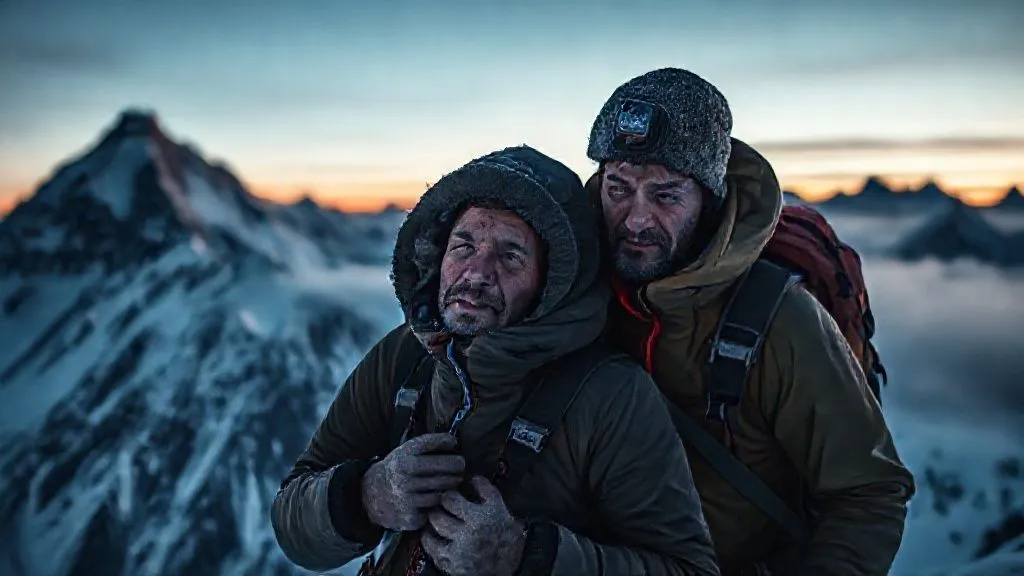
Spotting Hypothermia in Partner on Alpine Trek: What to Do?
For over two decades navigating some of the world's most formidable alpine environments, I've witnessed firsthand the insidious creep of hypothermia. It’s a silent, often underestimated killer, capable of turning a breathtaking trek into a life-or-death struggle within hours, sometimes even minutes, if conditions conspire against you.
The challenge isn't just the cold itself, but the difficulty in recognizing its onset, especially in a partner who might be stoic, in denial, or simply too impaired to articulate their distress. On an alpine trek, fatigue, dehydration, and the sheer mental effort required to push onward can mask the early, crucial signs of a plummeting core body temperature.
This article isn't just a list of symptoms; it's a comprehensive guide, forged from years of experience and countless hours of training. We'll delve into actionable frameworks, real-world scenarios, and expert insights to equip you with the knowledge and confidence to not only spot hypothermia in your partner on an alpine trek but, more importantly, to know exactly what to do to save a life.
Understanding Hypothermia: The Silent Killer of the Alpine
Hypothermia occurs when your body loses heat faster than it can produce it, leading to a dangerously low core body temperature, typically below 95°F (35°C). It’s not just about extreme cold; a combination of cool temperatures, wind, moisture, and exhaustion can trigger it even in relatively mild conditions.
In the alpine environment, several factors exacerbate the risk. High altitudes reduce oxygen, making the body less efficient at generating heat. The unpredictable weather, with sudden drops in temperature, fierce winds, and precipitation, can strip away body heat rapidly. Moreover, the physical exertion of trekking can lead to sweating, which then cools the body even faster once activity slows or stops.
“The mountains don’t care if you’re tired. They demand respect, preparation, and an unblinking eye for danger, especially the invisible kind like hypothermia.” – My personal mantra.
Understanding the physiological process is key. Your body tries to maintain a core temperature through vasoconstriction (narrowing blood vessels to reduce heat loss) and shivering (involuntary muscle contractions to generate heat). When these mechanisms are overwhelmed, your core temperature drops, impacting vital organs.
Early Warning Signs: Recognizing Subtle Shifts in Behavior and Physiology
Spotting hypothermia in partner on alpine trek, what to do? It starts with vigilance, often before obvious symptoms appear. I’ve learned that the earliest indicators are rarely physical; they’re behavioral. A subtle change in mood, a slight hesitation, or an uncharacteristic complaint can be the first red flag.
Behavioral Changes: The First Alarms
- Irritability or Apathy: A normally cheerful partner becomes unusually quiet, withdrawn, or snaps at minor issues.
- Confusion or Poor Judgment: They might make illogical decisions, forget simple tasks, or struggle with navigation. This is particularly dangerous in complex terrain.
- Clumsiness or Stumbling: Fine motor skills degrade first. Watch for fumbling with zippers, dropping gear, or an unsteady gait.
- Slurred Speech: Often mistaken for exhaustion, slurred speech is a critical sign of neurological impairment due to cold.
- Denial: A common and dangerous symptom. They might insist they're fine, even when clearly unwell.
Physical Manifestations: Beyond the Shivers
While shivering is the body’s attempt to warm itself, its absence in later stages is a grave sign. Always be attentive to these physical cues:
- Uncontrollable Shivering: Initially, shivering is effective. If it becomes violent, persistent, and uncontrollable, it indicates significant heat loss.
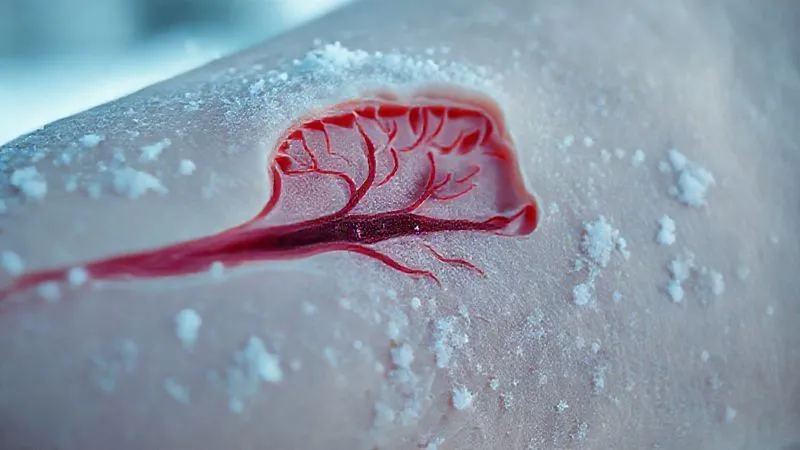
- Pale, Cold Skin: Especially on extremities like fingers, toes, and ears. The skin might feel waxy or clammy.
- Blue Lips or Fingernails (Cyanosis): A clear sign of reduced oxygen in the blood, indicating poor circulation and severe cold.
- Frequent Urination: Known as 'cold diuresis,' the body attempts to shed excess fluid, which can lead to dehydration.
- Muscle Stiffness: As the body gets colder, muscles can become rigid and uncoordinated.
Case Study: The Silent Slide on Mount Rainier
Case Study: How a Subtle Shift Saved a Life on Rainier
Years ago, I was leading a small group up Mount Rainier. One of my clients, a seasoned hiker named Sarah, was usually meticulous about her gear. Around 10,000 feet, I noticed her struggling with her glove zipper, then dropping her water bottle – twice. She brushed it off as 'just tired.' But her usual witty banter was replaced by short, almost irritable responses. Her skin, though not yet blue, had a waxy pallor I didn’t like. I called a halt, despite her protests, and insisted she eat a high-calorie snack and put on another layer. Within 15 minutes, her shivering became noticeable. We immediately implemented rewarming protocols, got her into a sheltered spot, and decided to descend. Had I waited for classic 'uncontrollable shivering,' we might have been too late. Her subtle behavioral shift was the critical early warning.
The Stages of Hypothermia: A Critical Progression
Understanding the progression of hypothermia is vital for appropriate intervention. Wilderness medicine experts, like those at the National Outdoor Leadership School (NOLS), categorize hypothermia into stages based on core body temperature and symptom severity.
Mild Hypothermia (90-95°F / 32-35°C)
At this stage, the body is still fighting. The person is usually conscious and able to respond. Symptoms include:
- Violent, uncontrollable shivering
- Apathy, irritability, or withdrawal
- Clumsiness, impaired judgment
- Rapid pulse and respiration
- Cold, pale skin
Moderate Hypothermia (82-90°F / 28-32°C)
This is a dangerous stage where the body's compensatory mechanisms begin to fail. The person's condition deteriorates rapidly.
- Shivering may stop (a critical warning sign, as the body can no longer generate heat)
- Increasing confusion, disorientation, slurred speech
- Stumbling, difficulty walking, poor coordination
- Slowed pulse and respiration
- Muscle stiffness, rigid limbs
- Blue lips, fingers, toes
Severe Hypothermia (Below 82°F / 28°C)
This is a life-threatening emergency. The person is often unconscious or barely responsive, and vital functions are severely depressed.
- Unconsciousness or unresponsiveness
- No shivering (or very little)
- Extremely slow, weak, or absent pulse and respiration
- Dilated pupils
- Muscle rigidity, body may appear stiff like a corpse
- Heart arrhythmias are common and fatal
The following table summarizes the stages and key indicators:
| Stage | Key Symptoms | Immediate Action |
|---|---|---|
| Mild (90-95°F) | Violent shivering, irritability, clumsy, rapid pulse | Shelter, warm layers, warm drinks, high-calorie food |
| Moderate (82-90°F) | Shivering stops, confusion, slurred speech, slow pulse | Gentle handling, insulated shelter, external rewarming, monitor vitals |
| Severe (<82°F) | Unconscious, no shivering, weak/absent pulse, rigid | Call for help immediately, gentle handling, horizontal position, CPR if necessary |
Immediate Actions: Your First Response on the Trail
When you recognize the signs of hypothermia, especially in an alpine environment where conditions can worsen quickly, immediate and decisive action is paramount. Your priority is to prevent further heat loss and begin rewarming safely.
The 'STOP' Protocol: Stop, Think, Observe, Plan
- Stop: Halt all activity immediately. Do not push on. Find the most sheltered spot available, even if it's just behind a large boulder.
- Think: Assess the situation. What resources do you have? How severe is the hypothermia? What are the environmental factors (wind, rain, snow)?
- Observe: Continuously monitor your partner's symptoms. Are they worsening? Are they responding to your questions?
- Plan: Develop a clear strategy for rewarming and, if necessary, evacuation. Communicate this plan clearly to your partner, even if they seem unresponsive.
Reducing Heat Loss: The Core of Initial Treatment
- Remove Wet Clothing: This is non-negotiable. Wet clothes wick heat away from the body 25 times faster than dry clothes. Carefully remove any wet layers, even if it's uncomfortable for your partner.
- Add Dry Insulation: Immediately replace wet clothing with dry, warm layers. Think wool, fleece, and down. Focus on the torso, head, and neck. A dry hat is incredibly effective.
- Create a Vapor Barrier: A large plastic bag, emergency blanket (mylar), or even a garbage bag can create an effective vapor barrier over dry clothes, trapping heat and preventing moisture from escaping.
- Insulate from the Ground: Lay down a sleeping pad, backpack, or anything else that can create a barrier between your partner and the cold ground.
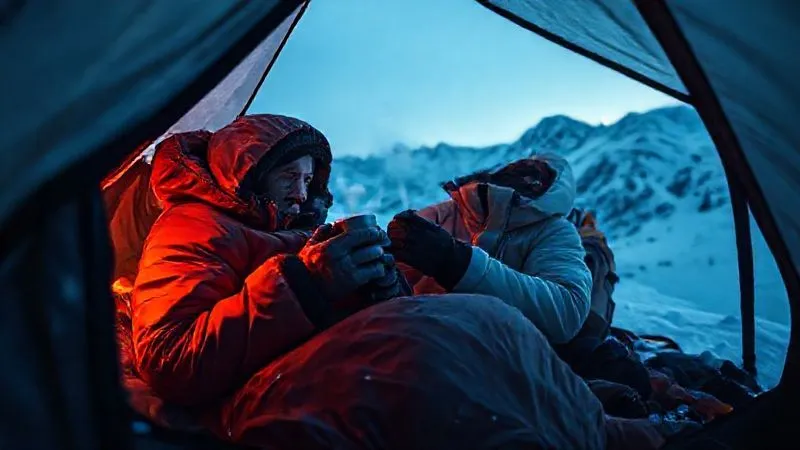
- Shelter from the Elements: Erect a tent, use a tarp, or find natural shelter (cave, dense trees). The goal is to get out of wind, rain, and direct exposure.
According to the CDC, preventing further heat loss is the most critical first step. Without it, any rewarming efforts are futile.
Rewarming Strategies: How to Safely Bring Them Back
Once you’ve stopped heat loss, the next step is to initiate rewarming. The method depends heavily on the stage of hypothermia.
For Mild Hypothermia: Active External Rewarming
- Warm, Sweet Drinks: Offer warm, non-alcoholic, non-caffeinated drinks (e.g., hot chocolate, sugary tea) if the person is conscious and can swallow safely. The sugar provides energy, and the warmth helps from the inside.
- High-Calorie Food: Provide easily digestible, high-calorie snacks (energy bars, nuts, dried fruit). Food provides fuel for the body to generate its own heat.
- Gentle Exercise: If the person is only mildly hypothermic and not too fatigued, gentle exercise like walking can help generate heat, but monitor closely for signs of worsening.
- Buddy Warmer: Get into a sleeping bag with your partner (skin-to-skin contact, if appropriate and safe), or huddle closely to share body heat.
For Moderate to Severe Hypothermia: Passive and Controlled Rewarming
In moderate to severe cases, rewarming must be done gently and carefully. Rapid rewarming can cause 'rewarming shock,' where cold blood from the extremities rushes to the core, causing a further drop in core temperature and potentially fatal heart arrhythmias.
- Horizontal Position: Keep the person horizontal to prevent blood pressure drops. Avoid elevating their feet or head.
- Insulated Cocoon: Create an insulated wrap using dry sleeping bags, emergency blankets, and pads. Aim for a 'hypothermia wrap' – multiple layers, including a vapor barrier, completely enclosing the person except for their face.
- Warm Packs (Carefully!): Apply warm (not hot!) water bottles, chemical heat packs, or warm rocks (wrapped in cloth to prevent burns) to specific areas: armpits, groin, and neck. These are areas where major arteries are close to the surface, allowing for efficient heat transfer to the core.
- Monitor Vitals: Continuously check pulse and respiration. Be aware that a severely hypothermic pulse can be very slow and faint, requiring a full minute to detect.
- Avoid Rubbing: Do not rub the person's skin or extremities. This can damage tissues and push cold blood back to the core.
- No Alcohol or Caffeine: These can cause vasodilation (widening of blood vessels), leading to further heat loss, and interfere with rewarming.
“In severe hypothermia, consider the patient 'not dead until warm and dead.' CPR may be needed for extended periods.” – A critical principle in wilderness medicine.
Preventing Hypothermia: Gear, Nutrition, and Mindset
The best treatment for hypothermia is prevention. As an experienced industry specialist, I can’t stress enough that proper preparation is your first line of defense against the cold in the alpine.
Gear: The Layering Principle is Paramount
- Base Layer: Wicking materials (merino wool, synthetics) that move moisture away from the skin. Avoid cotton.
- Mid-Layers: Insulating layers (fleece, down, synthetic puffy jackets) that trap warm air. Multiple thin layers are better than one thick one.
- Outer Shell: Waterproof and windproof jacket and pants (Gore-Tex or similar) to protect against the elements.
- Headwear: A warm hat is crucial, as a significant amount of heat is lost through the head. Carry a spare.
- Gloves/Mitts: Waterproof, insulated gloves or mitts, with liners. Consider an extra pair.
- Footwear: Insulated, waterproof boots with appropriate socks (wool or synthetic, not cotton). Carry spare socks.
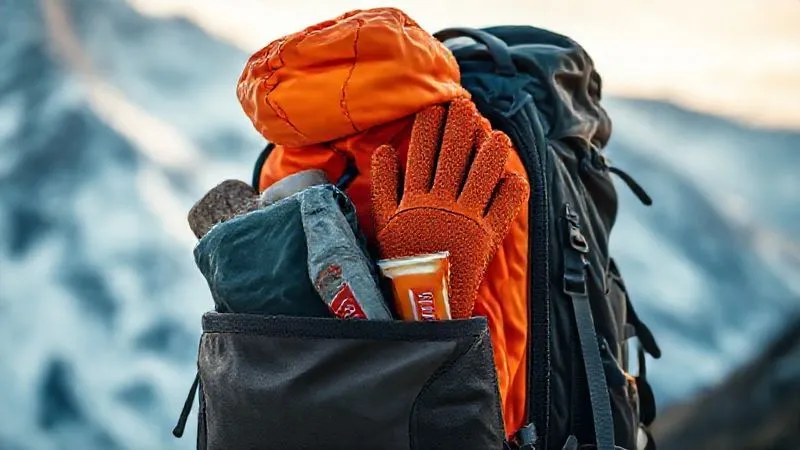
- Emergency Gear: Always pack an emergency bivy sack, space blanket, extra dry layers, and a full first-aid kit with chemical heat packs.
Nutrition and Hydration: Fueling the Internal Furnace
- Caloric Intake: Eat frequently and consistently. Your body needs fuel to generate heat. High-fat, high-carbohydrate snacks are excellent.
- Hydration: Stay well-hydrated. Dehydration impairs the body’s ability to regulate temperature. Carry insulated bottles to prevent water from freezing.
- Warm Drinks: Sipping warm drinks throughout the day can help maintain core temperature.
Mindset and Trip Planning: The Proactive Approach
- Check Forecasts: Thoroughly research weather patterns and forecasts for your specific route and altitude. Be prepared for worse conditions than predicted.
- Pace Yourself: Avoid excessive sweating. Adjust layers frequently to prevent overheating and subsequent chilling.
- Communicate: Maintain open communication with your partner. Regularly check in on how they're feeling, both physically and mentally.
- Turn Around Point: Establish clear turnaround points based on weather, time, and team condition. Don't let summit fever override good judgment.
When to Call for Help: Knowing Your Limits and Theirs
There comes a point when your own resources and skills are no longer sufficient. Recognizing this threshold is a sign of true expertise and responsible partnership. Delaying a call for help can have catastrophic consequences.
Indicators for Immediate Evacuation/Rescue Call:
- Moderate to Severe Hypothermia: If your partner is in moderate or severe hypothermia (shivering has stopped, confusion, unresponsiveness, slurred speech, blue extremities), you must initiate an emergency call.
- Lack of Improvement: If, despite your best efforts at rewarming and shelter, your partner's condition does not improve or continues to worsen.
- Inability to Self-Evacuate: If your partner is unable to walk, or their coordination is so impaired that moving them puts them or you at undue risk.
- Worsening Weather: If a severe storm is rolling in, making your position untenable or a self-evacuation impossible.
- Injury or Concurrent Medical Issue: Hypothermia combined with an injury (e.g., sprained ankle, head injury) or another medical condition complicates treatment and necessitates professional help.
Before you even step foot on an alpine trek, ensure you have a reliable communication device (satellite phone, personal locator beacon - PLB) and know how to use it. Research local mountain rescue contact numbers and protocols. As Mountain Safety Research consistently advises, preparedness is key.
Post-Rescue Care and Follow-up
Even after a successful rescue or self-evacuation, the journey isn’t over. Post-hypothermia care is crucial for full recovery and preventing long-term complications.
Medical Evaluation is Essential
Always seek professional medical attention for anyone who has experienced moderate to severe hypothermia, even if they appear to have recovered. There can be hidden issues:
- Cardiac Complications: Hypothermia can stress the heart, leading to arrhythmias or other heart problems that may not be immediately apparent.
- Frostbite: Accompanying frostbite might need specialized treatment.
- Kidney Damage: Severe hypothermia can impact kidney function.
- Psychological Trauma: The experience can be traumatic, leading to anxiety or fear of future outdoor activities.
Learning from the Experience
Once your partner is safe and recovering, take time to reflect on the incident. What went wrong? What could have been done differently? This critical debriefing is invaluable for future safety. Share your experience with others to help educate the wider outdoor community. As a seasoned climber, I find that every close call, every challenge, offers a profound lesson if you’re willing to learn from it.
Frequently Asked Questions (FAQ)
Can mild hypothermia be dangerous if not treated immediately? Absolutely. While mild hypothermia might seem less severe, if left unchecked, it can rapidly progress to moderate or severe stages, especially in a dynamic alpine environment where conditions can deteriorate quickly. Early intervention is always best to prevent escalation.
Is it okay to give someone alcohol to warm them up? No, absolutely not. This is a dangerous myth. Alcohol causes vasodilation, meaning it widens blood vessels, especially in the skin. This gives a false sensation of warmth but actually accelerates heat loss from the core, making hypothermia worse. Avoid alcohol and caffeine.
How long does it typically take to rewarm someone with moderate hypothermia? Rewarming time varies greatly depending on the individual's condition, the severity of hypothermia, and the resources available. In a wilderness setting, it can take many hours. The goal is gentle, gradual rewarming to prevent rewarming shock. Professional medical care with controlled rewarming is usually required for moderate to severe cases.
What if my partner resists help or insists they are fine? This is a classic and dangerous symptom of hypothermia, known as 'paradoxical undressing' or impaired judgment. They may not be able to make rational decisions. You, as the clear-headed partner, must take charge. Gently but firmly explain the situation, remove them from exposure, and initiate rewarming. Their life depends on your decisive action.
What kind of first aid kit should I carry specifically for cold weather emergencies? Beyond standard first aid, a cold weather kit should include: an emergency bivy sack or lightweight insulated tarp, multiple chemical heat packs, an extra dry hat and gloves, high-calorie energy bars, a small insulted foam pad for sitting, and a thermometer (rectal is most accurate for core temp, but an oral/tympanic can give an indication). Ensure you have a satellite communication device.
Key Takeaways and Final Thoughts
- Vigilance is Key: Hypothermia's early signs are often subtle behavioral changes, not just shivering. Watch your partner closely.
- Act Decisively: The moment you suspect hypothermia, stop, shelter, and start rewarming. Delay is dangerous.
- Prevent Heat Loss First: Remove wet clothing, add dry layers, insulate from the ground, and get into shelter.
- Rewarm Gently: For mild cases, warm drinks and food. For moderate to severe, focus on core rewarming, gentle handling, and professional help.
- Preparation Saves Lives: Proper gear, nutrition, hydration, and trip planning are your best defenses.
- Know Your Limits: Don't hesitate to call for professional rescue when conditions exceed your capabilities.
The alpine environment is unforgiving, but with knowledge, preparation, and a vigilant eye for your partner's well-being, you can mitigate its gravest dangers. The bond between trekking partners is built on trust, and knowing how to respond to a life-threatening situation like hypothermia is perhaps the most profound way to honor that trust. Stay safe out there, and may your adventures be grand and well-prepared.
Recommended Reading
- Unlock the Secret: How to Create a Rustic Elegant Glamping Experience
- Zero-Emission Rail: 7 Strategies to Master Long-Haul Logistics
- Uncover the Best Cooking Classes Abroad for Foodies
- Glacier Rescue: 7 Steps to Evacuate a Critically Injured Climber
- 7 Proven Ways to Maximize Profit Margins on All-Inclusive Family Packages

Your email address will not be published. Required fields are marked *