

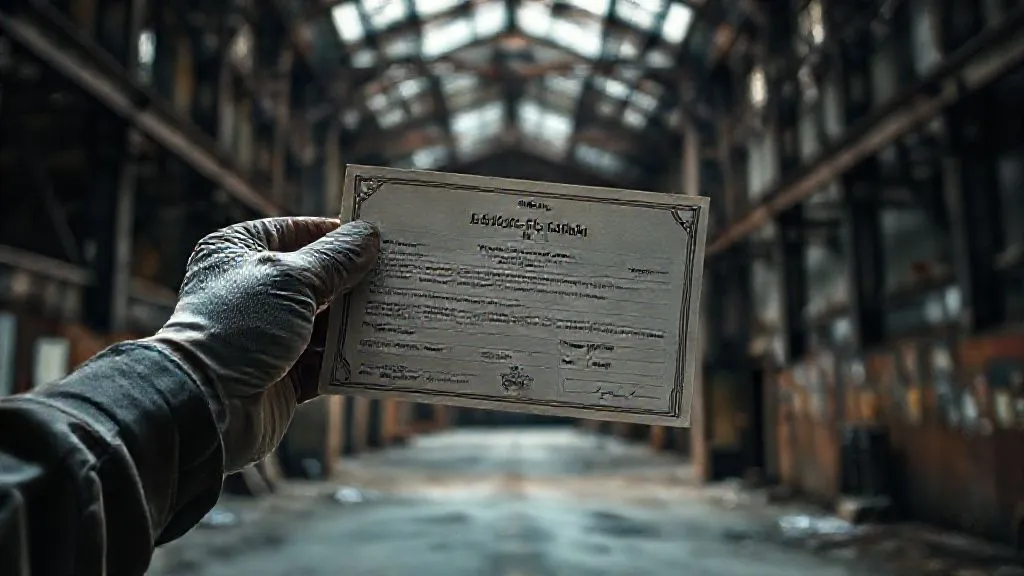
What Permits Are Essential for Professional Urban Exploration Photography?
For over two decades in the captivating, often shadowy world of urban exploration and city break photography, I've witnessed countless aspiring professionals stumble. Their passion for capturing the forgotten beauty of decaying structures is undeniable, but their understanding of the legal labyrinth is frequently lacking.
The thrill of discovery and the artistic challenge of documenting these 'lost' spaces can often overshadow the critical groundwork required. This oversight doesn't just risk fines or equipment confiscation; it can permanently tarnish a photographer's reputation and lead to serious legal repercussions, transforming a creative pursuit into a legal nightmare.
In this definitive guide, I will share my accumulated wisdom, providing you with an actionable framework. You'll learn precisely what permits are essential for professional urban exploration photography, how to acquire them, and the strategic insights needed to navigate the complex legal terrain, ensuring your artistic vision remains uncompromised and fully compliant.
Understanding the Legal Landscape of Urban Exploration
Before we delve into specific permits, it's crucial to grasp the fundamental legal distinctions that govern urban exploration. The allure of abandoned buildings often blinds photographers to the fact that these locations, regardless of their derelict state, almost always belong to someone.
My experience has taught me that ignorance of the law is never an excuse, especially when pursuing professional work. The legal landscape varies significantly from city to city, state to state, and even country to country, making a one-size-fits-all approach impossible and dangerous.
The Fine Line Between Art and Trespass
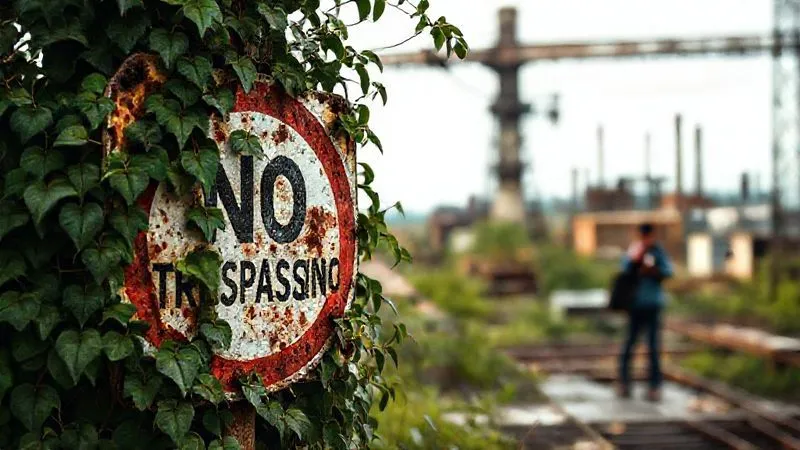
At its core, unauthorized entry onto private property, even if it appears abandoned, constitutes trespassing. This is not just a civil matter; it can often be a criminal offense, particularly if fences are cut, locks are broken, or 'No Trespassing' signs are ignored. Professional photographers, by the very nature of their work, are often more visible and therefore more susceptible to legal action.
As an industry veteran, I've seen promising careers derailed by a single instance of legal negligence. The perceived 'urban explorer' ethos of breaking in for the shot is a dangerous myth for professionals who seek to build a legitimate business and reputation. Always remember that your camera does not grant you immunity from property laws.
"True professionalism in urban exploration photography isn't about being daring; it's about being diligent. The best shots are often the ones you've legally earned the right to capture, not the ones you've risked everything for."
The Core Pillars of Permit Acquisition: Public vs. Private Property
The first and most critical distinction in permit acquisition lies in whether your target location is public or private property. This fundamental difference dictates the type of permits you'll need and the authorities you'll need to approach.
I always advise my mentees to conduct thorough research on property ownership before even conceptualizing a shoot. This initial due diligence can save immense time, effort, and potential legal headaches down the line.
Public Land: Navigating City, State, and Federal Regulations
Public land, while seemingly accessible, is far from a free-for-all for professional photography. These areas are managed by various governmental bodies, each with its own set of rules and permit requirements.
Examples of public land include city parks, public streets, government-owned buildings (even if abandoned), and national or state parks. Your local city or county administration will typically be your first point of contact for municipal properties, while state and federal agencies handle larger jurisdictions.
- Identify the Governing Authority: Determine if the location falls under city, county, state, or federal jurisdiction. A quick online search of the address or landmark often reveals this.
- Research Photography Permit Requirements: Visit the official website of the identified authority (e.g., city film office, park service). Look specifically for commercial photography, film, or special event permits.
- Understand Scope and Fees: Permits often have varying tiers based on crew size, equipment, duration, and whether the photography is for commercial use. Be prepared for application fees, which can range from nominal to substantial.
- Submit a Detailed Application: Most applications require a project description, dates, times, equipment list, and proof of insurance. Be precise and transparent about your intentions.
- Allow Ample Time: Permit processing can take weeks, even months, for larger projects or sensitive locations. Factor this into your project timeline.
Private Property: The Absolute Necessity of Owner Consent
This is where most professional urban exploration photography runs into trouble if not handled correctly. Any building, vacant lot, or structure that is not explicitly public land is considered private property. Securing explicit, written permission from the owner is non-negotiable.
Without this, you are trespassing, plain and simple. Even if a building has been abandoned for decades, it still has an owner – whether it's an individual, a corporation, a bank, or a government entity.
"Never assume abandonment equates to permission. Every derelict structure has a legal owner, and securing their written consent is your most powerful permit in the urbex world."
Case Study: How 'Rust Belt Relics' Secured Access
Sarah, a professional photographer specializing in industrial decay, envisioned a large-scale project documenting abandoned steel mills in the Rust Belt. Initially, she faced numerous rejections and even a few run-ins with security. Instead of giving up, she shifted her strategy. She spent months researching property deeds, identifying current owners (often large corporations or investment groups), and then crafting highly professional, personalized proposals. Her proposals weren't just about her artistic vision; they highlighted the historical preservation aspect of her work, offered to share low-res images for the owners' archives, and crucially, provided comprehensive liability insurance certificates. This diligent, respectful approach eventually secured her access to three major abandoned sites, allowing her to create a critically acclaimed series that would have been impossible (and illegal) otherwise.

Key Permit Types and Their Application for Urbex Photography
Now, let's break down the specific types of permits and permissions you'll likely encounter, or absolutely need, when planning your professional urban exploration photography projects.
1. Property Owner Permission/Release Form
This is the bedrock of ethical and legal urbex photography on private land. It's a legally binding document signed by the property owner granting you explicit permission to enter and photograph their property. It should clearly outline:
- Dates and Times of Access: Specific windows when you are allowed on site.
- Scope of Photography: What you can photograph and for what purpose (e.g., editorial, commercial, personal portfolio).
- Release for Image Use: Permissions for how you can use and publish the resulting images.
- Indemnification Clause: Protecting the owner from liability in case of injury.
- Contact Information: For both parties.
Always have a template drafted by a legal professional if you plan extensive private property shoots. This protects both you and the owner.
2. Film/Photography Permit (Municipal/City)
Many cities require permits for any commercial photography or filming conducted on public property, even if it's just a street scene. These permits ensure public safety, manage potential disruptions, and sometimes generate revenue for the city.
You'll likely need this if your shoot involves:
- Large equipment setups (tripods, lighting, props).
- Blocking public pathways or streets.
- A crew of more than a few people.
- Significant public visibility or impact.
For example, New York City's Mayor's Office of Media and Entertainment provides detailed guidelines and application procedures for various types of film and photography permits. Consult your local city's film office for specific requirements.
3. Location Scouting Permit
Sometimes, before a full-scale shoot, you might need a separate permit just to scout a location. This is particularly true for complex sites or those requiring special access (e.g., construction zones, secured abandoned buildings). It ensures you're legally covered while assessing the site's suitability and safety.
4. Liability Waiver & Insurance
While not strictly a 'permit', comprehensive liability insurance is absolutely essential for professional urban exploration photography, and often a prerequisite for obtaining any other permit. It protects you from claims of injury or property damage that might occur during your shoot.
Furthermore, property owners will almost always require you to sign a liability waiver, releasing them from responsibility for any accidents or injuries you sustain on their property. Always read these documents carefully and ensure your insurance coverage is adequate.
| Insurance Type | Coverage Scope | Typical Requirement |
|---|---|---|
| General Liability | Protects against claims of bodily injury or property damage to third parties. | Essential for all commercial photography, often required for permits. |
| Equipment Insurance | Covers theft, damage, or loss of your photography gear. | Highly recommended for professionals, especially with expensive gear. |
| Workers' Compensation | Required if you have employees; covers their work-related injuries. | Mandatory by law in most places if you employ staff. |
| Professional Indemnity (E&O) | Protects against claims of negligence, errors, or omissions in your professional services. | Beneficial for client-based work where advice or service quality is critical. |
5. Historical/Preservation Society Permits
If your urban exploration photography targets historically significant or protected abandoned sites, you might need to engage with local or national historical societies or preservation trusts. These organizations often own or oversee such properties and have specific protocols for access and documentation, sometimes requiring permits that ensure the site's integrity is maintained.
6. Environmental/Safety Clearances
Certain abandoned sites, particularly industrial ones, might contain hazardous materials like asbestos, lead, or toxic chemicals. For professional shoots in such environments, you may need to demonstrate that you've undergone safety training or even secure environmental clearances. This is less common for standard urbex but critical for highly contaminated sites. OSHA guidelines, for instance, provide frameworks for workplace safety that can be adapted.
7. Drone Operation Permits (If applicable)
The allure of aerial shots for urban exploration photography is undeniable. However, operating drones for commercial purposes is heavily regulated. You'll typically need a drone pilot license (e.g., FAA Part 107 in the US) and may require specific flight permits from local authorities, especially in controlled airspace, near airports, or over public gatherings.
Always check local drone regulations and airspace restrictions meticulously. The FAA website is an excellent starting point for US regulations.
Strategies for Successful Permit Acquisition
Acquiring the necessary permits for professional urban exploration photography isn't always straightforward. It requires patience, persistence, and a strategic approach. I've learned that a well-prepared, respectful approach significantly increases your chances of success.
Research and Identification of Stakeholders
Beyond identifying the property owner, consider all potential stakeholders. This might include local community groups, historical societies, environmental agencies, or even neighboring businesses that could be impacted by your presence. Engaging with them proactively can head off potential conflicts.
Crafting a Compelling Proposal
Your permit application or request to a property owner is more than just a form; it's a proposal. Clearly articulate your project's artistic merit, its potential cultural or historical value, and how you plan to mitigate any risks. Highlight your professionalism, your safety protocols, and your commitment to the 'leave no trace' philosophy.
Building Relationships and Trust
Sometimes, a cold call or an online application isn't enough. Building a rapport with property owners, city officials, or community leaders can open doors that formal processes might keep shut. Attend local meetings, introduce yourself, and explain your genuine intentions. Trust is a powerful currency in this niche.

Navigating Ethical Dilemmas and Unforeseen Challenges
Even with all permits in hand, the world of urban exploration photography can present ethical quandaries and unexpected hurdles. My advice is always to prioritize safety, legality, and respect.
The 'Leave No Trace' Ethos and Legal Compliance
The core principle of 'leave no trace' extends beyond not damaging the site. It also means not disclosing sensitive locations if doing so could encourage illegal entry or vandalism by others. Your professional responsibility includes protecting the sites you document, even after your shoot.
Legal compliance is a form of respect for the property and its owner. It demonstrates that your artistic pursuit is underpinned by integrity, which is vital for long-term success in this niche.
Dealing with Denials and Alternatives
You will face rejections. It's an inevitable part of seeking access to sensitive locations. Instead of viewing a 'no' as a dead end, see it as an opportunity to pivot. Are there similar, more accessible locations? Can you refine your proposal? Sometimes, offering to share images or provide a benefit to the owner can change a 'no' into a 'maybe later.'
"Rejection in the permit process isn't a failure; it's feedback. Use it to refine your approach, explore alternative locations, or build stronger relationships for future opportunities."
The Long-Term Benefits of Legal Urban Exploration Photography
While the permit acquisition process can feel arduous, the benefits of operating legally and ethically in professional urban exploration photography are immense and far-reaching. It's an investment in your career and your reputation.
- Enhanced Reputation: You build a reputation as a responsible, trustworthy professional, which attracts more opportunities and clients.
- Reduced Risk: You eliminate the constant fear of legal action, fines, or criminal charges, allowing you to focus purely on your craft.
- Access to Better Locations: Legitimate access often opens doors to truly unique and significant sites that are otherwise impenetrable.
- Portfolio Strength: A portfolio built on legally acquired images holds more weight and professional credibility.
- Peace of Mind: The ability to create without looking over your shoulder is invaluable for any artist.
Moreover, adhering to legal and ethical standards often leads to better working relationships with property owners and local authorities, potentially fostering future collaborations. The principles of ethical photography, as highlighted by organizations like National Geographic, extend to all genres, including urban exploration.
Frequently Asked Questions (FAQ)
Q: Is it ever okay to photograph an abandoned building without a permit if it's unsecured? A: For professional purposes, absolutely not. An unsecured building is still private property. Entering without explicit permission from the owner is trespassing, regardless of the building's condition. While some hobbyists might take the risk, a professional cannot afford the legal and reputational consequences. Always seek permission.
Q: How do I find the owner of an abandoned property? A: Start with online county or city property assessor websites. These databases often allow you to search by address or parcel number to find the recorded owner. If that fails, local government offices (e.g., city clerk, planning department) can sometimes provide guidance. Legal professionals or real estate agents might also assist, though often for a fee.
Q: What if the property owner is difficult to contact or unresponsive? A: Persistence is key. Try multiple contact methods (mail, email, phone). If direct contact fails, consider sending a formal letter of inquiry via certified mail. If still unsuccessful, you may need to consider alternative locations. Never assume silence implies permission; it almost always means the opposite.
Q: Can I use images captured illegally in my professional portfolio if I wasn't caught? A: While you might not have been caught at the moment, using illegally obtained images in a professional portfolio carries significant risks. The owner could still identify their property and pursue legal action, including copyright infringement claims if you're profiting from the images. It also fundamentally undermines your professional integrity and could lead to future permit denials. It's a gamble not worth taking for a serious career.
Q: Are there any situations where a permit isn't required for professional urban exploration photography? A: Very rarely. The only scenarios might involve public domain areas that are specifically designated for unrestricted photography, and even then, commercial use might trigger permit requirements. For any location that is not explicitly and unequivocally public, or for any commercial intent, assume a permit or explicit written permission is required. When in doubt, always seek permission or legal advice.
Key Takeaways and Final Thoughts
Navigating the legal intricacies of professional urban exploration photography might seem daunting, but it is an indispensable part of building a sustainable and respected career. My journey through countless forgotten corners of the urban landscape has reinforced one truth: the most profound images are captured not just with skill, but with integrity and foresight.
- Prioritize Research: Always identify property ownership and governing authorities first.
- Obtain Written Consent: Never enter private property without explicit, signed permission.
- Understand Permit Types: Be aware of municipal, historical, and specialized permits.
- Secure Comprehensive Insurance: Protect yourself and your business from unforeseen liabilities.
- Build Relationships: Diplomacy and a professional approach can open more doors than force.
- Embrace Ethics: Uphold the 'leave no trace' principle and protect the sites you document.
The effort invested in securing the essential permits for professional urban exploration photography is not merely a bureaucratic hurdle; it's an investment in your craft, your reputation, and your peace of mind. By embracing legal compliance, you elevate your work, safeguard your future, and ensure that your stunning visual narratives of urban decay stand on a foundation as solid as the structures you seek to immortalize. Go forth, explore, and capture responsibly.
Recommended Reading
- Unlock Value: Justifying Luxury Train Travel to Affluent Clients
- Unmasking the True Cost: What Are the Hidden Expenses of Luxury World Tours?
- Maximize Magic: 5 Steps to a Theme Park Trip with Limited PTO
- Unlock Stress-Free Journeys: Your Essential Packing List for Disabled Travelers
- 7 Proven Steps: Recommend Under-the-Radar Coastal Towns, Guarantee Client Joy



Your email address will not be published. Required fields are marked *