

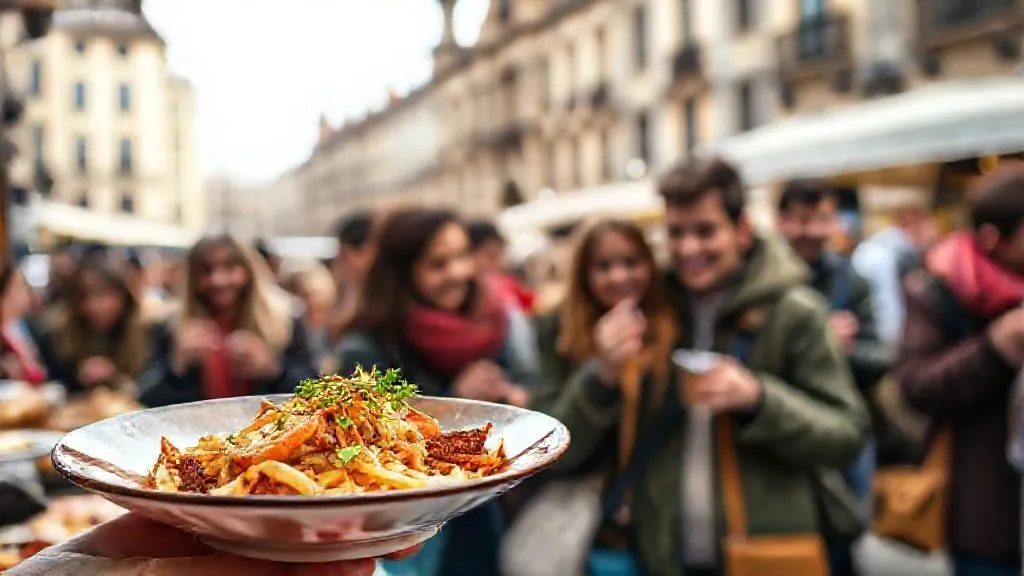
How to design unique food festival tours selling out fast?
For over 15 years immersed in the vibrant world of food travel, I've witnessed countless tour operators struggle with a common, yet solvable, problem: their meticulously planned food festival tours just aren't selling out. They pour passion into the itinerary, scout incredible locations, and curate delicious experiences, but the bookings lag.
It's a frustrating paradox. You know your tour offers unparalleled value, yet it gets lost in a sea of generic offerings. The pain point isn't just about revenue; it's about the unfulfilled potential of sharing truly unique culinary journeys. You're left wondering: how can I make my tours stand out, attract the right audience, and consistently achieve full bookings?
In this definitive guide, I'll share the precise frameworks, battle-tested strategies, and insider insights I've developed over years. We'll move beyond conventional wisdom to explore how to design unique food festival tours selling out fast, ensuring every seat is filled, and every guest leaves with unforgettable memories. Prepare to transform your approach to food travel.
The Core Philosophy: Beyond Just Eating – Curating Culinary Narratives
Before we dive into tactics, it's crucial to shift our mindset. The modern food traveler isn't just looking for a meal; they're seeking a story, an immersion, a connection to culture through its cuisine. They want to understand the 'why' behind the 'what' they're eating. This is where the magic of a unique food festival tour begins – by crafting a compelling narrative.
In my experience, the most successful food festival tours don't just present food; they weave a tapestry of history, tradition, and local life around each bite. It's about sensory engagement, emotional connection, and intellectual curiosity.
Your tour should be an unfolding narrative, a carefully choreographed sequence of experiences that build anticipation and deliver profound satisfaction. Think of yourself as a storyteller, and the food festival as your stage. Each dish, each vendor, each interaction is a chapter in a larger, more captivating story that your guests will carry with them long after the journey ends.

Step 1: Deep Dive into Niche & Target Audience Psychology
The biggest mistake I've observed is trying to appeal to 'everyone.' In the crowded food travel market, generalization is the enemy of sell-out success. To design unique food festival tours selling out fast, you must identify and deeply understand a specific niche.
Identifying Underserved Niches
Think beyond the obvious. Instead of just 'Italian food festival tour,' consider:
- Vegan Street Food Festivals of Southeast Asia: Appeals to plant-based travelers seeking exotic flavors.
- Historical Renaissance Feasts in Tuscany: Targets history buffs and gourmands interested in culinary archaeology.
- Fermentation & Foraging Festivals in Scandinavia: Attracts health-conscious, adventurous foodies and naturalists.
- Indigenous Culinary Traditions of the Amazon: For those seeking authentic, sustainable, and educational experiences.
By narrowing your focus, you can tailor every aspect of your tour to resonate profoundly with a specific group, making your offering irresistible to them.
Understanding the Foodie Psyche
Once you have a niche, delve into the psychology of that specific foodie. What are their motivations, pain points, and aspirations? Are they:
- The Adventurous Palate: Seeking novel flavors and extreme culinary challenges?
- The Cultural Immerser: Desiring deep dives into local traditions and cooking techniques?
- The Ethical Eater: Prioritizing sustainability, organic, and farm-to-table experiences?
- The Social Connoisseur: Valuing shared experiences, networking, and photo opportunities?
Understanding these drivers allows you to craft messaging and experiences that speak directly to their desires, forging an immediate connection. According to a McKinsey report on the future of travel, personalized and experiential offerings are key drivers for discerning travelers.
| Audience Segment | Motivations | Pain Points | Tour Features |
|---|---|---|---|
| Vegan Adventurers | Ethical eating, unique flavors, cultural immersion | Finding suitable options, language barriers | Curated vegan street food, local cooking classes, sustainable practices |
| History & Gastronomy Buffs | Historical context, traditional recipes, fine dining | Authenticity concerns, superficial experiences | Renaissance-era feasts, historical site dining, expert historians |
| Wellness Foragers | Healthy eating, nature connection, skill acquisition | Lack of expert guidance, safety concerns | Guided foraging, fermentation workshops, wild food tastings |
Step 2: Crafting Irresistible Itineraries & Exclusive Access
A tour itinerary is not just a list of places; it's a carefully orchestrated journey designed to create moments of awe, discovery, and delight. This is where your unique narrative truly comes alive.
The Art of Storytelling Through Food
Every stop, every tasting, every interaction should contribute to the overarching story. Don't just visit a cheese stall; explain the history of the cheese, introduce the cheesemonger, and share an anecdote about its local significance. As marketing guru Seth Godin often says, people don't buy products; they buy stories.
- Thematic Progression: Design your itinerary to unfold like a story. Start with an intriguing introduction, build to a climax (perhaps a grand tasting or a hands-on cooking class), and conclude with a satisfying resolution.
- Sensory Sequencing: Consider the flow of flavors, textures, and aromas. Avoid flavor fatigue by alternating intense experiences with lighter, palate-cleansing moments.
- Interaction Points: Integrate opportunities for guests to meet local producers, chefs, and artisans. These personal connections are often the most memorable aspects of a tour.
Securing 'Money-Can't-Buy' Experiences
To truly stand out and ensure your food festival tours are selling out fast, you need to offer exclusivity. What can your guests experience that they simply couldn't arrange on their own?
- Private Chef Demos: Arrange an intimate cooking demonstration with a renowned local chef, perhaps even in their home.
- Behind-the-Scenes Access: Get exclusive entry to a food production facility, a vineyard's private cellar, or a festival's VIP area before the general public arrives.
- Special Tastings: Curate a tasting of rare, aged, or limited-edition items not available for general purchase.
- Cultural Workshops: Beyond cooking, consider workshops on local crafts, music, or dance that tie into the culinary theme.
These exclusive elements elevate your tour from a mere visit to an unforgettable, privileged experience, justifying a premium price point and generating buzz.
Step 3: Dynamic Pricing Strategies & Value Perception
Pricing is often seen as a challenge, but when approached strategically, it becomes a powerful tool to communicate value and drive sales. Your goal is not to be the cheapest, but to be perceived as the most valuable.
Psychology of Premium Pricing
A higher price, when justified by superior value and exclusivity, can actually enhance desirability. It signals quality, exclusivity, and a curated experience. Don't shy away from premium pricing if you've delivered on the unique narrative and exclusive access. People are willing to pay for transformative experiences.
Tiered Offerings and Early Bird Incentives
To cater to different budgets while maintaining exclusivity, consider tiered pricing. This also creates a sense of urgency and perceived value.
- Standard Package: The core tour experience.
- Deluxe Package: Includes additional perks like premium accommodation upgrades, private transfers, or an extra exclusive meal.
- VIP Experience: Offers the ultimate luxury, perhaps a one-on-one session with a chef, a personalized souvenir, or extended post-tour support.
Implement early-bird discounts for a limited number of spots. This rewards decisive customers and helps you secure initial bookings quickly, building momentum. The key is to clearly articulate the value proposition for each tier, making the upgrade feel like a natural progression rather than an upsell.
Step 4: Mastering the Art of Pre-Launch Hype & Scarcity Marketing
Generating excitement before your tour even officially launches is critical. This pre-launch phase is where you build anticipation, create a sense of urgency, and leverage psychological triggers to ensure your food festival tours are selling out fast.
Building Anticipation: The Tease Campaign
Start teasing your tour months in advance. Don't reveal everything at once. Use social media, email newsletters, and blog posts to drop hints, share behind-the-scenes glimpses of your scouting trips, and introduce the local personalities your guests will meet.
- Countdown Timers: For launch dates or early-bird deadlines.
- Sneak Peeks: Short videos or stunning photos of destinations or dishes (without revealing the full itinerary).
- Expert Interviews: Brief Q&As with local chefs or artisans involved in the tour.
- Waitlists: Create an exclusive waitlist for early access or special perks.
This drip-feed approach keeps your audience engaged and hungry for more information, positioning your tour as a highly anticipated event.
Leveraging FOMO with Limited Spots & Deadlines
The Fear Of Missing Out (FOMO) is a powerful motivator. When people perceive that an opportunity is limited or exclusive, their desire to participate increases exponentially. This is fundamental to understanding how to design unique food festival tours selling out fast.
Clearly communicate the limited number of spots available for your tour. Use phrases like 'Only X spots left!' or 'Registration closes on [Date]!' This isn't about manipulation; it's about being transparent about the exclusive nature of your offering. A Harvard Business Review article on the psychology of scarcity highlights how perceived scarcity drives demand. Ensure your booking system reflects real-time availability to reinforce this.
Step 5: Digital Domination: SEO, Social Storytelling & Influencer Synergy
In today's digital landscape, your online presence is your storefront. To ensure your tours are discovered and booked, you need a robust digital strategy.
Optimizing for Discovery: SEO Beyond Keywords
While keywords are important, modern SEO is about providing comprehensive, valuable content that answers user intent. Create detailed blog posts about the food festivals you visit, the local cuisine, and the cultural context. Use high-quality images and videos. Ensure your website is fast, mobile-friendly, and easy to navigate. Think about the long-tail questions your ideal customer might ask, and answer them definitively.
Visual Storytelling on Social Media
Food travel is inherently visual. Platforms like Instagram, TikTok, and Pinterest are your best friends. Don't just post pictures of food; tell stories through your visuals. Show the vibrant markets, the smiling faces of locals, the hands-on experiences, and the sheer joy of your past guests.
- High-Quality Photography & Videography: Invest in professional-level visuals.
- Behind-the-Scenes Content: Show the planning, the local interactions, the passion.
- User-Generated Content (UGC): Encourage guests to share their experiences and re-share their best posts.
- Interactive Stories & Reels: Engage your audience with polls, Q&As, and short, dynamic video content.
Strategic Influencer Collaborations
Identify micro and macro-influencers in the food, travel, or specific niche (e.g., vegan travel, sustainable travel) spaces whose audience aligns with your target market. Offer them a free or discounted spot on your tour in exchange for authentic content creation and promotion. Statista data shows the influencer marketing market continues to grow, proving its effectiveness.
| Platform | Content Type | Frequency | Engagement Goal |
|---|---|---|---|
| High-res photos, Reels, Stories | Daily | Likes, Saves, Shares, DMs | |
| TikTok | Short-form video, trending sounds | 3-4x/week | Views, Shares, Comments |
| Infographics, beautiful food & destination pins | 2-3x/week | Click-throughs to blog/tour page | |
| Email Newsletter | Exclusive stories, early access, special offers | Weekly/Bi-weekly | Open rates, tour page visits |
Step 6: Cultivating Community & Harnessing Word-of-Mouth
Your relationship with your guests shouldn't end when the tour does. Building a community around your brand creates loyal customers and powerful advocates who will organically help your food festival tours sell out fast.
Post-Tour Engagement Strategies
Stay connected with your past guests. They are your most valuable asset for referrals and repeat bookings.
- Exclusive Alumni Groups: Create a private social media group where past travelers can share photos, memories, and connect with each other.
- Personalized Follow-ups: Send a handwritten thank-you note or a personalized email with links to photos from their trip.
- Future Tour Previews: Offer alumni early access or special discounts on upcoming tours.
- Shareable Content: Provide guests with a curated collection of high-quality photos and videos from their tour, encouraging them to share on their own social media.
Incentivizing Referrals & Reviews
Actively encourage and reward word-of-mouth marketing. Happy customers are often willing to share their experiences, but a little nudge can go a long way.
- Referral Programs: Offer a discount or bonus to both the referrer and the referred customer when a new booking is made.
- Review Campaigns: Politely ask for reviews on platforms like TripAdvisor, Google, or your own website. Make it easy for them to leave feedback.
- Testimonial Showcase: Feature glowing testimonials prominently on your website and social media. Video testimonials are particularly powerful.
Case Study: The Tuscan Truffle Trail Transformation
From Niche Idea to Sell-Out Success
Consider 'The Tuscan Truffle Trail,' a boutique tour operator struggling to fill their tours despite offering high-quality experiences. Their initial approach was generic: 'Taste Tuscany's Best.' After adopting the strategies outlined above, they pivoted dramatically.
First, they honed their niche: 'Foraging & Feasting: An Ethical Truffle Hunt in Tuscany.' This immediately appealed to a specific segment of conscious, adventurous foodies. They then crafted an itinerary focused on exclusivity: private truffle hunts with local 'trifolai' (truffle hunters) and their dogs, hands-on cooking classes in a 16th-century villa, and intimate tastings of truffle-infused dishes not available to the public.
They implemented a tiered pricing structure, with a 'Connoisseur' package offering an extra night in a luxury agriturismo and a personalized truffle oil souvenir. A robust pre-launch campaign, featuring short videos of truffle dogs in action and interviews with the trifolai, generated immense hype. They leveraged micro-influencers specializing in slow travel and sustainable food, who shared authentic, engaging content.
The result? Their first 'Ethical Truffle Hunt' tour sold out within 72 hours of launch, and subsequent tours have maintained a 90%+ booking rate months in advance. Their success wasn't just about selling out; it was about creating a highly coveted, unique experience that resonated deeply with their target audience.
Step 7: Continuous Optimization & Feedback Loops
The journey to consistently selling out your food festival tours is not a one-time fix; it's an ongoing process of refinement and adaptation. The market evolves, consumer preferences shift, and new festivals emerge. Your ability to adapt and optimize will be your greatest asset.
Analyzing Data for Future Success
Leverage analytics from your website, social media, and booking platforms. What are your most popular pages? Which marketing channels drive the most conversions? What demographic data can you gather about your bookers? Pay attention to customer feedback, both positive and constructive. This data is invaluable for understanding what's working and where improvements can be made. Don't just collect data; analyze it to extract actionable insights.
The Iterative Process of Tour Design
After each tour, conduct a thorough debrief. What were the highlights? What were the pain points? Did the narrative flow as intended? Gather feedback from guests through surveys and direct conversations. Use this information to iterate and improve your next tour. Perhaps a specific festival activity wasn't as engaging as anticipated, or a particular meal received rave reviews. Incorporate these learnings into your future tour designs. This iterative approach ensures that each tour you offer is better than the last, solidifying your reputation as a premier food travel operator and ensuring your food festival tours continue selling out fast.
Frequently Asked Questions (FAQ)
Q: How far in advance should I start promoting a food festival tour? A: For unique, premium food festival tours, I recommend starting your pre-launch hype campaign 3-6 months in advance. This allows ample time to build anticipation, engage your audience, and leverage early-bird incentives. The actual booking window can then open 2-4 months prior to the tour date.
Q: What's the ideal group size for a unique food festival tour? A: The ideal group size largely depends on the exclusivity and intimacy you promise. For truly unique, immersive experiences, smaller groups (8-12 people) often work best. This allows for more personal interactions with locals, easier access to exclusive venues, and a more cohesive group dynamic. Larger groups (15-20+) can dilute the 'unique' aspect.
Q: Should I focus on a single festival or combine multiple events in one tour? A: For maximum impact and to truly design unique food festival tours selling out fast, I advise focusing on deeply immersing guests in a single, significant food festival or a very tightly themed series of related local culinary events. Trying to cram too many disparate festivals into one tour can lead to superficial experiences and travel fatigue. Depth over breadth is key.
Q: How can I ensure the authenticity of my 'exclusive access' experiences? A: Authenticity comes from genuine relationships. Spend time on the ground, build trust with local chefs, artisans, and producers. Don't just pay for access; collaborate. Ensure your 'exclusive' experiences are truly unique and not something easily replicated by an independent traveler. Transparency with your guests about these relationships also builds trust.
Q: What's the most effective way to collect and utilize customer feedback? A: Implement a multi-channel feedback system. Post-tour surveys (short, focused), direct email follow-ups, and active listening in your alumni community groups are crucial. Analyze both quantitative data (ratings) and qualitative comments. Prioritize feedback that is actionable and consistent across multiple guests. Use positive testimonials for marketing and address constructive criticism to refine future tours.
Key Takeaways and Final Thoughts
Designing food festival tours that consistently sell out fast is not about luck; it's about a strategic, empathetic, and detail-oriented approach. It requires a deep understanding of your niche, a commitment to crafting unforgettable narratives, and the savvy to leverage modern marketing tools.
- Niche Down: Stop trying to appeal to everyone. Find your specific foodie tribe.
- Curate Narratives: Sell stories, not just itineraries. Every bite should be a chapter.
- Offer Exclusivity: Provide 'money-can't-buy' experiences that elevate your tours.
- Price Strategically: Communicate value, don't just compete on price.
- Build Hype & Scarcity: Leverage anticipation and FOMO to drive early bookings.
- Dominate Digitally: Use SEO, social media, and influencers to tell your story and reach your audience.
- Cultivate Community: Turn guests into advocates through post-tour engagement and referral programs.
- Optimize Continuously: Learn from every tour, analyze data, and refine your offerings.
By embracing these strategies, you're not just selling tours; you're selling transformative culinary journeys. You're creating memories, fostering connections, and building a brand synonymous with unparalleled food travel experiences. Go forth, craft your masterpieces, and watch your food festival tours sell out faster than you ever imagined.
Recommended Reading
- Shore Excursion Canceled? 7 Expert Steps to Salvage Your Cruise Day
- Elevate Client Impact: 7 Gastronomy Secrets for Unforgettable Experiences
- Unmasking the Unseen: What Are Hidden Costs at Five-Star Luxury Resorts?
- 7 Expert Strategies: How to Guarantee Authentic Gourmet Dining on Luxury Cruises?
- 7 Proven Strategies: Halt Mold Growth in Glamping Yurts This Humid Season
Your email address will not be published. Required fields are marked *