

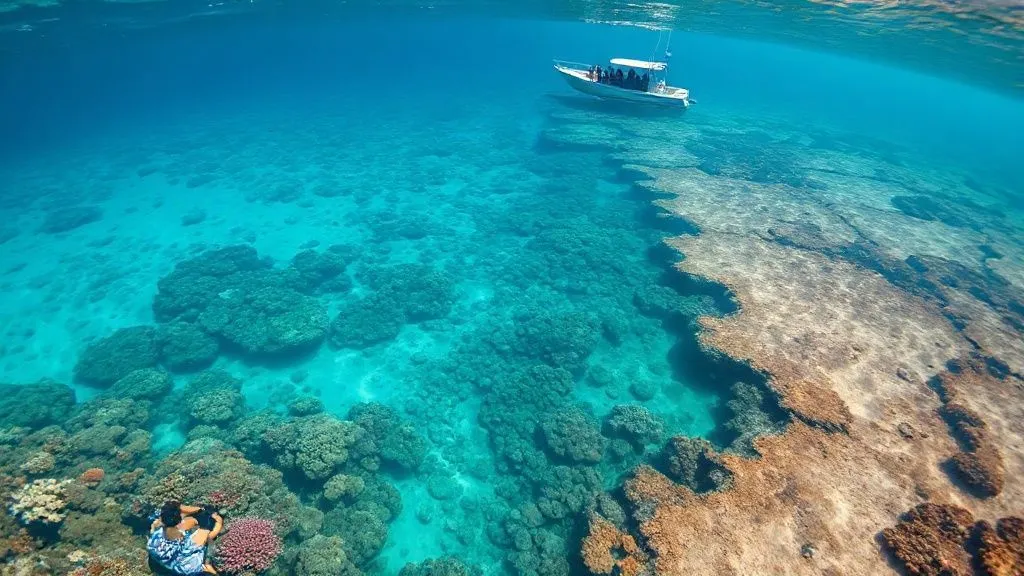
What to do when local coral reef health declines affecting tourism?
For over two decades in the beach travel industry, I've had the privilege of witnessing some of the world's most breathtaking coral ecosystems. From the vibrant 'rainforests of the sea' in the Indo-Pacific to the ancient structures of the Caribbean, these living wonders have been the heart and soul of countless destinations. Yet, I've also seen the heartbreaking transformation as once-thriving reefs succumb to bleaching, disease, and human pressures, leaving behind ghostly landscapes that echo the loss of life and, inevitably, the decline of tourism.
This isn't just an ecological crisis; it's an economic and social one that directly impacts the livelihoods of millions. Dive operators face dwindling bookings, hotels struggle with cancellations, and entire communities that depend on reef tourism find themselves at a crossroads. The pain point is palpable: how do you sustain a tourism economy when the very attraction that draws visitors is in decline? This question, 'What to do when local coral reef health declines affecting tourism?', is one I’ve grappled with alongside many stakeholders, and the answers are never simple, but they are actionable.
In this definitive guide, I will share the strategies, frameworks, and expert insights I’ve gathered from years of experience and observation. We will explore a multi-faceted approach, moving beyond mere damage control to embrace proactive conservation, innovative tourism diversification, and robust community engagement. My goal is to equip you with the knowledge to not just mitigate the immediate impact but to foster resilience, rebuild natural assets, and secure a sustainable future for your destination and its precious coral reefs.
Understanding the Ripple Effect: Why Reef Decline Devastates Tourism
When a coral reef declines, it’s not just a biological event; it’s a seismic shift for any destination reliant on marine tourism. I’ve seen firsthand how the vivid colors and teeming life of a healthy reef are the primary draw for snorkelers, divers, and even casual beachgoers. They come seeking that vibrant underwater spectacle, and when it fades, so too does their incentive to visit.
The economic consequences are profound and far-reaching. Imagine a dive shop, once bustling with daily excursions, now struggling to fill even a single boat. Hotels that boasted 'ocean views' find their appeal diminished if the ocean beneath is barren. Local restaurants, souvenir shops, and transportation services all feel the pinch as tourist numbers dwindle. This creates a devastating domino effect, leading to job losses, reduced local income, and a significant blow to the overall economic stability of the region.
Beyond the direct economic hit, there's the critical ecological impact. Healthy reefs act as natural breakwaters, protecting coastlines from erosion and storm surges. They serve as crucial nurseries for countless fish species, supporting local fisheries – another vital source of food and income. When reefs degrade, this natural protection weakens, and fish stocks plummet, exacerbating the crisis for coastal communities. It's a complex, interconnected web, and understanding this full scope is the first step in addressing 'What to do when local coral reef health declines affecting tourism?'.
“Coral reefs are not just beautiful; they are the bedrock of coastal economies and ecological stability. Their decline is a direct threat to both nature and human livelihoods, demanding an integrated and urgent response.”
Step 1: Honest Assessment & Transparent Communication
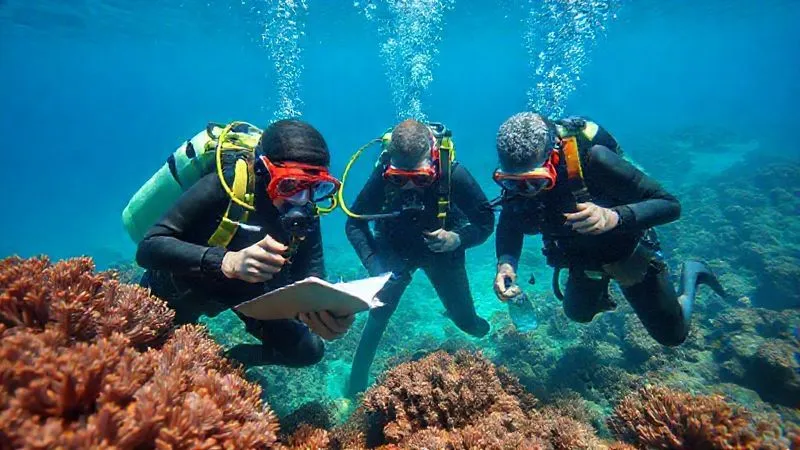
In my experience, the biggest mistake a destination can make when facing reef decline is denial or obfuscation. Tourists, especially today's eco-conscious travelers, value honesty and authenticity. Trying to hide the problem only erodes trust and makes genuine recovery impossible. The first, and arguably most crucial, step is to conduct a rigorous, scientific assessment of your reef's health and then communicate those findings openly.
This means partnering with reputable marine biologists, research institutions, or environmental NGOs to get an accurate, unbiased picture. They can provide baseline data, identify the specific stressors (e.g., climate change impacts, local pollution, overfishing), and monitor changes over time. This isn't a one-off task; it's an ongoing commitment to understanding your ecosystem's pulse.
Once you have the data, the next critical phase is transparent communication. Share the challenges, but also highlight the actions you are taking. This builds trust with potential visitors, local communities, and international partners. It reframes the narrative from 'our reefs are dying' to 'our community is actively working to save and restore our reefs, and we invite you to be part of the solution.' This approach tackles the core question of 'What to do when local coral reef health declines affecting tourism?' by first acknowledging the reality.
- Engage Marine Experts: Commission independent marine scientists to conduct thorough reef health surveys, including coral cover, species diversity, and disease prevalence.
- Identify Stressors: Work with experts to pinpoint local stressors like water quality issues, unsustainable fishing, or unregulated tourism practices.
- Establish Monitoring Programs: Implement long-term monitoring protocols to track changes in reef health and the effectiveness of conservation efforts.
- Create Public Reports: Develop accessible reports and summaries of reef health data for stakeholders and the public.
- Communicate Openly: Utilize websites, social media, and local media to share findings and planned interventions, fostering a sense of shared responsibility.
Step 2: Implement Robust Reef Restoration & Conservation Programs
Once you understand the problem, active intervention is non-negotiable. Merely observing decline isn't enough; we must become agents of recovery. This is where tangible reef restoration and conservation programs become foundational to answering 'What to do when local coral reef health declines affecting tourism?'. These initiatives not only aid ecological recovery but also provide a powerful, positive narrative for your destination.
There are various proven methods for reef restoration. Coral gardening involves growing coral fragments in nurseries and then outplanting them onto degraded reefs. Artificial reefs, constructed from durable, eco-friendly materials, can provide new substrates for coral growth and habitat for marine life. The establishment and rigorous enforcement of Marine Protected Areas (MPAs) are also critical, offering sanctuaries where reefs can recover without disturbance.
Crucially, these programs must involve the local community. Training local fishermen, dive guides, and youth in coral restoration techniques transforms them into stewards of their environment. This 'citizen science' approach not only expands manpower but also fosters a deep sense of ownership and pride, which is essential for long-term success. It also provides alternative income streams and new skill sets, bolstering local resilience.
Case Study: The 'Reef Rescuers' of Raja Ampat
In a fictionalized yet realistic scenario, the remote island community of Waisai in Raja Ampat faced a critical challenge: localized reef degradation due to past unsustainable fishing practices and a few isolated bleaching events. While overall the region is pristine, specific dive sites were suffering. Recognizing the threat to their burgeoning dive tourism, the local government, in collaboration with a leading marine conservation NGO, launched the 'Reef Rescuers' initiative.
They trained 50 local villagers, primarily former fishermen, in coral gardening techniques. These 'Rescuers' established five large coral nurseries using propagation tables and then outplanted over 10,000 coral fragments onto degraded areas over two years. Simultaneously, two key dive sites were designated as temporary 'no-take, no-entry' zones to allow for accelerated recovery. The program was funded by a small environmental levy on tourist bookings and international grants.
The results were remarkable. After three years, coral cover in the restored areas showed a 40% increase, and fish biomass improved by 25%. This success story became a central part of Waisai's tourism marketing, attracting a new segment of eco-conscious divers eager to visit a destination actively engaged in conservation. The 'Reef Rescuers' themselves became local heroes and expert guides, directly benefiting from the revitalized tourism economy. This demonstrated that active restoration, coupled with community involvement, can turn a crisis into a compelling story of recovery and sustainable growth.
For more insights into successful coral restoration efforts, consider exploring projects like those spearheaded by the Coral Reef Alliance, which often integrate scientific methods with community engagement.
Step 3: Diversify Tourism Offerings Beyond the Reef
While reef restoration is underway, it's crucial to acknowledge that recovery takes time. During this period, destinations must proactively diversify their tourism portfolio to maintain visitor interest and revenue. Relying solely on a struggling reef is a recipe for further economic hardship. This strategic pivot is a vital component of 'What to do when local coral reef health declines affecting tourism?'
I've advised many destinations to look inward and upward – exploring the rich cultural heritage, unique terrestrial ecosystems, and other water-based activities that don't directly impact the recovering reefs. This might mean developing new attractions like guided nature hikes through coastal forests, birdwatching tours, or culinary experiences that showcase local gastronomy. Think about opportunities for wellness retreats, yoga by the beach, or even historical tours that delve into the region's past.
Furthermore, consider other sustainable water activities that offer a different perspective of the marine environment without stressing the reefs. Kayaking, stand-up paddleboarding in calm lagoons, or responsible sailing trips can still provide a connection to the ocean. The key is to create compelling alternatives that offer unique value and reduce the concentrated pressure on the vulnerable reef ecosystems, spreading the economic benefits across a wider array of local businesses and attractions.
- Cultural Immersion: Develop and promote tours focused on local traditions, history, art, and music.
- Gastronomic Journeys: Highlight local cuisine, cooking classes, and farm-to-table experiences.
- Nature-Based Adventures: Offer hiking, birdwatching, cave exploration, or waterfall excursions if available.
- Wellness & Retreats: Capitalize on the serene coastal environment for yoga, meditation, and spa services.
- Sustainable Water Sports: Promote kayaking, paddleboarding, windsurfing, or non-motorized boat tours in designated areas away from sensitive reefs.
- Community-Based Tourism: Create opportunities for visitors to engage directly with local communities, learning about their way of life and contributing directly to their economy.
| Activity Type | Average Revenue/Visitor | Environmental Impact | Dependency on Reef Health |
|---|---|---|---|
| Traditional Reef Diving/Snorkeling | $150 | High (if unregulated) | Very High |
| Cultural Village Tour | $75 | Low | Low |
| Guided Forest Hike & Birdwatching | $60 | Low | Low |
| Sustainable Kayaking/SUP | $50 | Medium (if managed) | Medium (less direct) |
| Local Culinary Workshop | $90 | Low | Low |
Step 4: Educate & Engage Visitors for Sustainable Practices
Even the most well-intentioned tourist can unknowingly contribute to reef degradation. Therefore, a critical part of 'What to do when local coral reef health declines affecting tourism?' involves transforming visitors from passive consumers into active participants in conservation. Education and engagement are powerful tools for fostering a culture of responsible tourism.
This process should begin even before arrival. Provide clear, concise information on your destination's website and in pre-trip communications about reef etiquette, the importance of reef-safe sunscreen (oxybenzone and octinoxate-free), proper waste disposal, and avoiding touching or standing on corals. Many travelers are eager to do the right thing if they are simply informed how.
Once on-site, reinforce these messages through engaging programs. This could include mandatory eco-briefings before any water activity, interpretive centers with interactive displays about marine life, or guided tours led by marine biologists or trained local guides who can explain the ecosystem's fragility and the ongoing conservation efforts. Making education an integral, enjoyable part of the visitor experience rather than a dry lecture will yield far better results. As the UN World Tourism Organization (UNWTO) consistently emphasizes, sustainable tourism is built on informed choices.
Step 5: Foster Local Community Empowerment & Economic Resilience
Any sustainable solution to reef decline affecting tourism must have the local community at its core. These are the people whose livelihoods are most directly impacted, and they are also the most powerful custodians of their natural resources. In my experience, top-down conservation efforts often fail without genuine local buy-in. Empowering communities is not just ethical; it's pragmatic, directly addressing 'What to do when local coral reef health declines affecting tourism?'.
This involves creating tangible economic alternatives and opportunities. Training programs can equip local residents with new skills for diversified tourism offerings, such as becoming cultural guides, nature interpreters, or even coral gardeners. Supporting local entrepreneurship through micro-loans or business development workshops can help community members launch ventures that align with sustainable tourism principles.
Furthermore, ensuring fair wages, promoting local sourcing for hotels and restaurants, and establishing benefit-sharing mechanisms (e.g., a portion of tourism taxes directly funding community-led conservation) reinforces the idea that a healthy reef and sustainable tourism directly benefit everyone. When communities feel ownership and see direct economic returns from conservation, they become the strongest advocates and protectors of their environment.
“True resilience in tourism, especially when facing environmental challenges, stems from the empowered hands and hearts of the local community. They are not just stakeholders; they are the ultimate stewards.”
Step 6: Strategic Marketing for Responsible & Eco-Conscious Travelers
When local coral reef health declines affecting tourism, your marketing strategy needs a significant pivot. The days of simply showcasing pristine, untouched reefs might be over for a while. Instead, you must strategically market your destination to a new segment: the responsible, eco-conscious traveler who values sustainability, authenticity, and contributing positively to the places they visit. This is a growing demographic, and they are willing to pay a premium for ethical experiences.
Your marketing should now highlight your conservation efforts, the community involvement in reef restoration, and the diversified, sustainable experiences you offer. Use storytelling to share the journey of recovery, showcasing the dedication of local people and the scientific efforts being made. Emphasize the unique cultural experiences and natural beauty beyond the reefs. Certifications from reputable eco-tourism bodies, such as Green Globe or Blue Flag, can lend credibility and attract these discerning travelers.
Focus on digital marketing channels where these travelers seek information – specialized eco-tourism blogs, responsible travel platforms, and social media campaigns that tell a compelling story of commitment and progress. Transparency about the challenges, combined with a clear vision for a sustainable future, can transform a perceived weakness into a powerful marketing advantage, attracting visitors who want to be part of the solution rather than just another footprint.
Step 7: Policy Advocacy and Collaborative Governance
Individual efforts and local initiatives, while vital, often fall short without broader governmental support and collaborative governance. For destinations grappling with 'What to do when local coral reef health declines affecting tourism?', advocating for stronger policies and fostering cross-sector partnerships is paramount. I've observed that the most resilient destinations are those where conservation is integrated into national and regional development plans.
This means actively engaging with local and national governments to push for more robust marine protection laws, stricter enforcement against illegal fishing and pollution, and zoning regulations that protect sensitive marine areas. It also involves advocating for funding mechanisms, such as dedicated tourism levies, that directly support reef conservation and community empowerment programs.
Furthermore, collaboration with NGOs, international organizations, academic institutions, and even other affected destinations can amplify impact. Sharing best practices, pooling resources, and presenting a united front on issues like climate change adaptation strengthen the overall response. This collective approach acknowledges that the challenges are often global in nature, requiring coordinated local and international action to secure a future where both reefs and tourism can thrive.
- Advocate for Stronger Legislation: Work with local authorities to implement and enforce marine protected areas, fishing quotas, and pollution controls.
- Seek Government Funding: Lobby for public funds or environmental taxes to support reef restoration, monitoring, and sustainable tourism initiatives.
- Form Public-Private Partnerships: Collaborate with government agencies, private tourism operators, and NGOs to pool resources and expertise for conservation.
- Participate in Regional Initiatives: Join regional alliances or international conventions focused on marine conservation and climate resilience.
- Develop Integrated Coastal Zone Management: Advocate for comprehensive planning that considers land-based impacts on marine ecosystems.
Frequently Asked Questions (FAQ)
How long does reef recovery typically take? The timeline for reef recovery is highly variable and depends on numerous factors, including the extent of initial damage, the specific stressors, the type of coral species, and the effectiveness of restoration efforts. Minor damage from a single event might see recovery in 5-10 years, but widespread bleaching or disease can take decades, or even centuries, for full ecological function to return. Some severely degraded areas may never fully recover without significant human intervention and favorable environmental conditions.
What role can individual tourists play in helping declining reefs? Individual tourists have a significant role. They can choose to support eco-certified operators, use reef-safe sunscreen, avoid touching or standing on corals, refrain from collecting souvenirs, properly dispose of waste, and participate in voluntourism initiatives like beach clean-ups or coral gardening. Most importantly, they can educate themselves and advocate for sustainable travel practices, making their choices count.
Is it ethical to still promote tourism to a declining reef area? This is a complex ethical question. If a destination is actively engaged in transparent assessment, robust restoration, and sustainable management, promoting tourism can be ethical and even beneficial. Responsible tourism can provide vital funding for conservation efforts, create economic alternatives for communities, and raise awareness. However, promoting 'business as usual' tourism without genuine commitment to conservation is highly unethical and unsustainable. Transparency about the challenges and solutions is key.
How can small businesses afford to implement these extensive initiatives? Small businesses often face significant financial hurdles. However, many initiatives can be scaled. Starting with small, community-led coral nurseries, partnering with NGOs for expertise and some funding, or applying for grants from environmental organizations can be initial steps. Diversifying offerings requires creativity more than massive capital. Furthermore, collective action (e.g., a local tourism association implementing a shared sustainability fee) can spread the cost and attract more support. The long-term cost of inaction is far greater.
What are the biggest threats to coral reefs globally, beyond local issues? Globally, the biggest threats are climate change (leading to ocean warming and acidification, causing mass coral bleaching), overfishing (disrupting reef ecosystems), and land-based pollution (runoff from agriculture, sewage, plastics). Localized issues like unsustainable tourism practices, anchor damage, and sedimentation exacerbate these global stressors. Addressing reef decline effectively requires tackling both global and local challenges simultaneously.
Key Takeaways and Final Thoughts
The question of 'What to do when local coral reef health declines affecting tourism?' is one of the most pressing challenges facing many beloved beach destinations today. It demands not just a response, but a transformation. My experience has shown that while the situation can feel overwhelming, a strategic, integrated, and empathetic approach can indeed pave the way for recovery and a more resilient future.
- Acknowledge & Assess: Be honest about reef health and use scientific data to guide decisions.
- Restore & Protect: Invest actively in coral restoration and robust marine protection.
- Diversify & Innovate: Broaden tourism offerings beyond the reef to create new value.
- Educate & Empower: Engage both visitors and local communities as partners in conservation.
- Collaborate & Advocate: Work with governments, NGOs, and other stakeholders for systemic change.
This journey is not easy, nor is it quick. But by embracing these principles, destinations can not only mitigate the immediate impact of reef decline but also emerge stronger, more sustainable, and more appealing to the growing number of responsible travelers. The future of our coral reefs and the communities that depend on them rests on our collective willingness to act decisively, intelligently, and with unwavering commitment. Let us transform crisis into an opportunity for true stewardship.
Recommended Reading
- 7 Influencer Secrets: How to Find Unique Budget Travel Deals Consistently
- 5 Executive Walking Tours: Time-Saving Budget Breaks for Leaders
- 6 Critical Steps to Assess Terrain Traps in Sudden Whiteouts
- 7 Proven Ways to Sidestep Critical Delays on Independent Cruise Tours
- Unlock the Secrets: Your Ultimate Luxury Yacht Cruise Tipping Etiquette Guide




Your email address will not be published. Required fields are marked *