

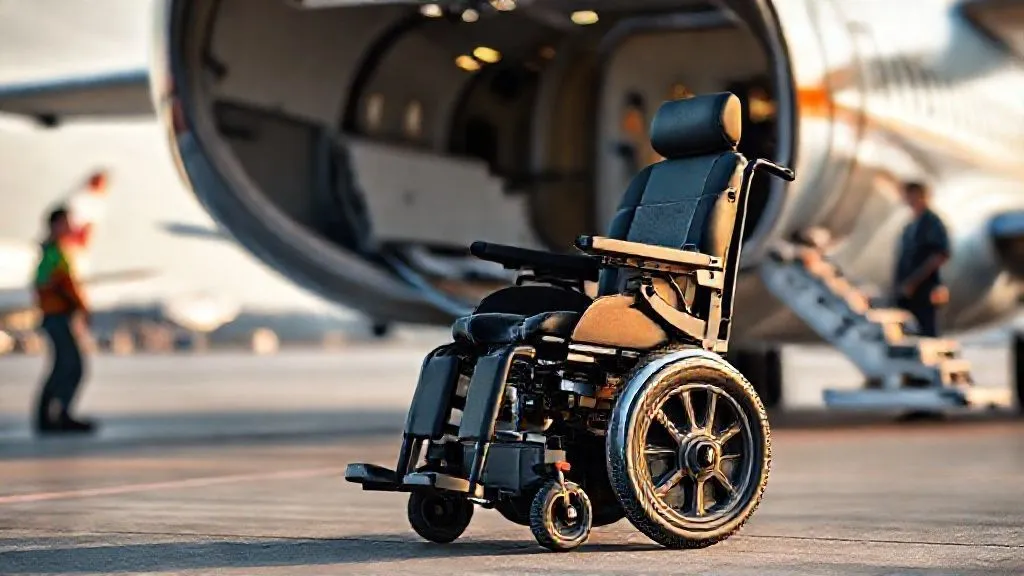
How to Prevent Power Wheelchair Damage During Flights?
For over two decades in the accessible travel sector, I've witnessed the incredible liberation that a power wheelchair provides. It's more than just a device; it's an extension of independence, enabling exploration and connection. But I've also seen firsthand the heartbreak and logistical nightmares that arise when these vital pieces of equipment are damaged during air travel.
The thought of entrusting your expensive, complex power wheelchair to airline cargo handlers can be anxiety-inducing, and for good reason. From battery mishaps to structural damage, the risks are real and can turn a dream vacation into a frustrating ordeal, leaving you stranded and without your essential mobility. Many travelers feel powerless, unsure how to effectively protect their investment.
This comprehensive guide isn't just a list of tips; it's a battle-tested framework, forged from years of experience and countless successful journeys. I'll share actionable strategies, drawing on expert insights and real-world scenarios, to empower you with the knowledge and confidence to significantly prevent power wheelchair damage during flights. We'll cover everything from pre-flight documentation and communication to battery management and strategic packing, ensuring your mobility remains intact, and your travels remain boundless.
Understanding the Risks: Why Wheelchairs Get Damaged
Before we dive into prevention, it's crucial to understand the 'why' behind the damage. In my experience, most incidents aren't malicious but rather a confluence of factors: time pressures, unfamiliarity with specialized equipment, and the sheer volume of baggage handled daily. Airline cargo environments are inherently rough, designed for robust luggage, not delicate, intricate mobility devices.
Common Scenarios of Mishandling
- Impact Damage: This is perhaps the most common. Wheelchairs can be bumped, dropped, or have other luggage stacked on top of them. This can lead to bent frames, broken joysticks, snapped footrests, or damaged motors.
- Battery Issues: Incorrect handling or failure to properly disconnect batteries can lead to electrical shorts, fire hazards, or complete battery failure, rendering the chair immobile.
- Component Snags: Wires, tubing, and detachable parts can get snagged on other cargo or conveyor belts, leading to tears, disconnections, or breakage.
- Weather Exposure: While less frequent, wheelchairs left exposed on the tarmac during inclement weather can suffer water damage to electronics or corrosion.
The Impact of Pressure and Movement
The cargo hold isn't a static environment. During takeoff, landing, and turbulence, items shift. The pressure changes can also affect certain components. Without proper securing and protection, a power wheelchair can be subjected to significant forces, leading to structural fatigue or acute damage.
Expert Insight: "The key to preventing damage isn't just about what you do, but also about understanding the environment your wheelchair will endure. Anticipate the stresses and prepare accordingly, rather than hoping for the best."
Pre-Flight Preparation: The Foundation of Protection
The work to prevent power wheelchair damage during flights begins long before you even leave your home. Meticulous preparation is your strongest defense.
1. Documenting Your Wheelchair's Condition
This is non-negotiable. I've seen countless disputes where passengers had no proof of pre-existing condition, making compensation claims incredibly difficult. You need undeniable evidence of your wheelchair's state before it leaves your sight.
- Comprehensive Photos & Video: Take clear, high-resolution photos and a detailed video of your entire power wheelchair from every angle. Focus on any existing scratches, dings, or wear-and-tear. Ensure the date and time are visible if possible.
- Serial Numbers & Specifications: Document your wheelchair's make, model, and serial number. Have a printout of its dimensions, weight, and battery type (including watt-hours for lithium-ion batteries).
- Written Condition Report: Create a simple document describing its current condition. Have a witness sign and date it if possible. This adds an extra layer of credibility.
- Battery Information: Clearly label your battery type and any special handling instructions required by the manufacturer.
2. Communication is Key: Engaging with Airlines and Ground Staff
Never assume. Proactive communication is paramount. Contact the airline well in advance, and then reconfirm everything at the airport.
When I travel with my own mobility equipment, I always make sure to speak directly with the gate agent and, if possible, the ground crew responsible for loading. Explain the specific needs of your power wheelchair, highlighting any fragile components or unique operating instructions. A polite, clear, and informative conversation can make all the difference, transforming potential mishandling into careful attention.

Case Study: Sarah's Smooth Journey
Sarah, a frequent traveler using a high-tech power wheelchair, used to dread flying after several minor damages. Following my advice, she started creating a detailed, laminated instruction sheet for her chair, highlighting disconnect points, fragile areas, and contact information. She now attaches this sheet directly to her wheelchair and always requests to speak with the ground crew. On her last flight to London, a ground staff member explicitly told her, "That instruction sheet saved us so much guesswork. We knew exactly how to handle it." Her wheelchair arrived in perfect condition, a testament to the power of clear communication and preparation.
Battery Management: A Critical Safety and Protection Step
Batteries are often the most sensitive and regulated component of a power wheelchair. Mishandling them is not only a risk for damage but also a serious safety hazard. Understanding and adhering to regulations is non-negotiable to prevent power wheelchair damage during flights and ensure a smooth journey.
Understanding Battery Types and Regulations (IATA)
The type of battery in your power wheelchair dictates specific airline regulations. Most modern power wheelchairs use either Lithium-Ion (Li-ion) or Sealed Lead Acid (SLA) / Gel / AGM batteries. The International Air Transport Association (IATA) sets the global standards, which airlines then enforce.
- Lithium-Ion Batteries: These are generally more complex. If your Li-ion battery is removable, it often must be carried in the cabin as carry-on luggage, and its watt-hour (Wh) rating is critical. Airlines typically have limits (e.g., up to 300Wh for one battery, or two batteries up to 160Wh each).
- Sealed Lead Acid (SLA) / Gel / AGM Batteries: These are generally safer for cargo transport as they are non-spillable. They must remain connected to the wheelchair if possible, or be securely attached to the chair and their terminals protected from short circuits.
Always confirm your battery type and its Wh rating. If you're unsure, contact your wheelchair manufacturer or a trusted dealer. Ignoring these rules can lead to your wheelchair being denied boarding.
| Battery Type | Common Watt-Hour (Wh) Limits | Airline Requirement | Risk Factor |
|---|---|---|---|
| Lithium-Ion (Removable) | 1x 300Wh OR 2x 160Wh | Must be carried in cabin, terminals protected | High (thermal runaway if damaged) |
| Lithium-Ion (Non-Removable) | Airline discretion (usually up to 300Wh) | Wheelchair must be powered off, terminals protected | Medium (less common on power chairs) |
| Sealed Lead Acid (SLA) / Gel / AGM | No specific Wh limit | Can remain attached, terminals protected, wheelchair powered off | Low (non-spillable, less volatile) |
Disconnecting and Securing Batteries
Even if your battery stays with the wheelchair, proper disconnection and securing are vital. This prevents accidental activation and short circuits.
- Power Off Completely: Ensure your wheelchair is turned off. Some chairs have a master power switch in addition to the joystick control.
- Disconnect Terminals (if required/possible): For SLA/Gel/AGM batteries, if the airline requires disconnection, insulate the terminals with electrical tape or plastic covers to prevent accidental short-circuiting. Always consult your wheelchair manual first.
- Remove Keys/Joysticks: Take out any keys and remove the joystick if it's detachable. Carry these with you in your carry-on luggage. This prevents accidental activation and protects these fragile components from damage.
- Label Clearly: Attach clear labels to the battery compartment stating the battery type and that it's either disconnected or secured according to IATA regulations.
Expert Insight: "Never underestimate the importance of battery preparation. It's not just about compliance; it's about safety for everyone on board and ensuring your chair powers up when you land. A dead battery on arrival is a huge problem."
Strategic Disassembly and Protection of Components
Many power wheelchairs have parts that are either easily detachable or particularly vulnerable. Identifying and securing these elements significantly reduces the risk of damage during transit.
Removing Detachable Parts
Think of anything that sticks out, is easily removed, or could get snagged. These are prime candidates for removal and transport in your carry-on or a dedicated, well-padded bag.
- Footrests and Leg Rests: These are often the first to be bent or broken. Remove them and pack them securely.
- Headrests and Armrests: If they detach easily, take them off. Some armrests can pivot; secure them in their most compact position.
- Seat Cushions and Backrests: While not always necessary, removing these can reduce overall bulk and protect them from dirt or minor damage. They can often be placed in a large duffel bag.
- Joysticks and Control Panels: As mentioned, these are incredibly fragile and expensive to replace. Always remove them if possible and carry them with you.
- Anti-Tip Wheels: Some anti-tip wheels can be folded up or removed. Ensure they are secured to prevent them from catching on something.
Padding and Wrapping Vulnerable Areas
Once detachable parts are removed, focus on the remaining vulnerable areas. This is where you create a protective shell around your chair.
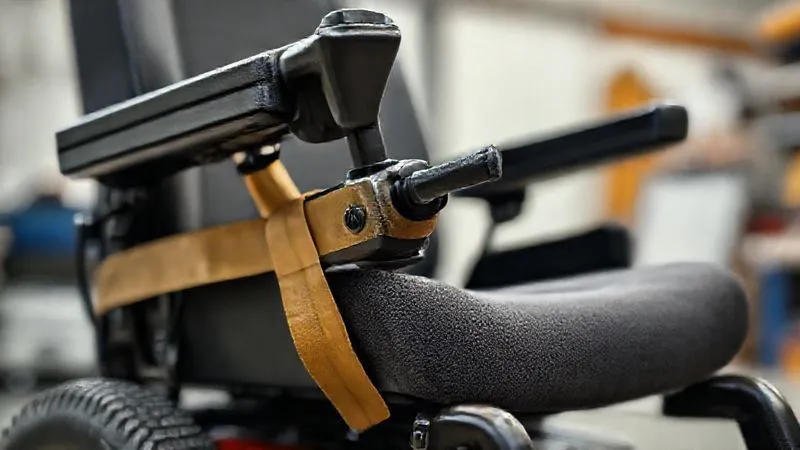
I always recommend investing in some high-quality foam padding, bubble wrap, or even old blankets. Pay particular attention to the joystick mount (even if the joystick is removed), the motor casings, the wheels (especially spokes if applicable), and any exposed wiring or tubing. Use strong tape to secure the padding, ensuring it won't come loose during loading and unloading. Some travelers even use industrial-strength shrink wrap to create a tight, protective layer around the entire chair, effectively 'bundling' it for transit.
During the Flight: Advocating for Your Mobility Aid
Your responsibility doesn't end once your wheelchair is checked. Staying vigilant and informed throughout the airport process can prevent last-minute issues and ensure your chair is handled correctly.
Confirming Loading and Offloading Procedures
At the gate, politely reconfirm with the gate agent that the ground crew has received all necessary instructions regarding your power wheelchair. Ask if they have noted any specific handling requests, such as "load upright" or "fragile." When you land, be prepared to wait for your chair at the gate or baggage claim, depending on the airline's policy. Some airlines will bring the chair directly to the jet bridge, while others require you to retrieve it from oversized baggage.
Post-Flight Inspection Protocol
This is where your pre-flight documentation becomes invaluable. As soon as your power wheelchair is returned to you, conduct a thorough inspection *before* leaving the airport. I cannot stress this enough. If you find any damage:
- Document Immediately: Take photos and videos of the damage from multiple angles.
- Report to Airline Staff: Find an airline representative immediately (baggage claim desk is usually the best place). File a formal damage report. Do not leave the airport without this report.
- Refer to Your Documentation: Present your pre-flight photos/videos and condition report to substantiate your claim.
- Request a Loaner: If the damage renders your chair unusable, request a temporary loaner wheelchair from the airline.
Tools and Resources for Accessible Travel
Equipping yourself with the right knowledge and tools is part of a proactive approach to prevent power wheelchair damage during flights.
Essential Travel Kits
Consider assembling a small 'repair kit' to carry with you. This might include:
- Basic tools (small wrench, screwdriver set) for minor adjustments.
- Electrical tape for securing wires or re-insulating terminals.
- Zip ties for quick fixes or securing loose items.
- A portable battery pack for charging essential electronics, though not for your wheelchair battery itself.
Knowing Your Rights: ADA and ACAA
In the United States, your rights as a passenger with a disability are protected by the Air Carrier Access Act (ACAA). This act prohibits discrimination by airlines on the basis of disability and mandates specific accommodations, including the handling of wheelchairs. Knowing your rights empowers you to advocate effectively.
For comprehensive information on air travel rights for individuals with disabilities, I always direct people to the official U.S. Department of Transportation (DOT) website. It's a goldmine of information that outlines what airlines must provide and what you can expect.
The Role of Travel Insurance and Manufacturer Support
Even with the most meticulous preparation, accidents can happen. This is why having a safety net is crucial when you want to prevent power wheelchair damage during flights.
Specialized Travel Insurance for Mobility Aids
Standard travel insurance policies often have limitations on coverage for high-value items like power wheelchairs. I strongly recommend exploring specialized insurance policies that specifically cover mobility equipment. These policies often provide higher coverage limits, quicker claims processing, and sometimes even cover rental costs for a temporary chair if yours is damaged.
When researching, look for policies that cover: damage, loss, theft, and mechanical breakdown. Pay close attention to deductibles and the maximum payout for mobility equipment. A small investment in the right insurance can save you from a massive financial burden and immense stress if the worst occurs.
Manufacturer Guidelines and Support
Your power wheelchair's manufacturer is an invaluable resource. Before you travel, download or print your specific model's manual. It will contain detailed instructions on battery removal, component disassembly, and general care. Some manufacturers even offer travel-specific guidance or accessories designed to protect your chair during transit.
Additionally, knowing your manufacturer's warranty policies regarding travel damage is important. While airlines are generally responsible for damage caused during their custody, understanding your warranty can help you navigate repairs or replacements. Organizations like Wheelchair Travel also offer excellent, detailed advice on how to prepare your specific type of wheelchair for air travel, often summarizing complex airline regulations into easy-to-understand guides.
Expert Insight: "Consider your power wheelchair an extension of yourself. Just as you protect your passport and valuables, ensure your mobility aid is financially protected. Insurance is not a luxury; it's a necessity for truly stress-free accessible travel."
Frequently Asked Questions (FAQ)
Q: Can I stay in my power wheelchair until I reach the aircraft door? Yes, absolutely. Under the Air Carrier Access Act (ACAA), airlines must allow you to use your personal mobility device up to the aircraft door. They will then transfer you to an aisle chair to board the plane and take your power wheelchair to the cargo hold.
Q: What if my power wheelchair is too large for the cargo hold? This is a rare but serious concern. Airlines are generally required to accommodate your wheelchair unless it cannot be safely stowed. If this happens, the airline may have to rebook you on a different flight or even a different airline that can accommodate your chair. Always provide accurate dimensions and weight when booking.
Q: Should I completely disassemble my power wheelchair for the flight? Generally, no. Only remove easily detachable parts like footrests, headrests, and joysticks. Complete disassembly is usually unnecessary and can increase the risk of reassembly errors or lost parts. Focus on securing and padding the main frame and vulnerable components.
Q: What is the airline's liability if my power wheelchair is damaged? Under the Montreal Convention, airlines are liable for damage to checked baggage, including wheelchairs, up to a certain limit (currently around $1,800 USD for international flights, but this can vary). However, the ACAA in the U.S. states that for domestic flights, airlines are liable for the original purchase price or replacement cost of the wheelchair, whichever is greater, without applying the standard baggage liability limits. This is why thorough documentation is so crucial.
Q: Can I bring a small repair kit with tools in my carry-on? Most small, non-sharp tools like screwdrivers and wrenches are permitted in carry-on luggage if they are 7 inches or less in length. However, always check the latest TSA guidelines or equivalent security regulations for your departure country, as rules can change.
Key Takeaways and Final Thoughts
- Document Everything: Photos, videos, serial numbers, and condition reports are your best defense.
- Communicate Proactively: Inform the airline in advance and speak to ground staff.
- Master Battery Management: Understand regulations and secure your batteries properly.
- Protect Vulnerable Parts: Remove detachable items and pad exposed components.
- Inspect Immediately: Check for damage upon arrival, and report it before leaving the airport.
- Know Your Rights: Familiarize yourself with accessible travel regulations like the ACAA.
- Consider Specialized Insurance: Protect your investment beyond standard airline liability.
Traveling with a power wheelchair should be an empowering experience, not a source of constant worry. While the risks of damage during air travel are real, they are not insurmountable. By adopting these expert-backed strategies, you're not just hoping for the best; you're actively taking control to prevent power wheelchair damage during flights. Your independence is invaluable, and with careful planning and proactive measures, you can ensure your mobility aid remains intact, ready to take you on your next great adventure. Travel smart, travel safe, and never let the fear of damage hold you back from exploring the world.
Recommended Reading
- 5 Proven Methodologies: Accurate Historical Food Research for Tourism
- 7 Steps: Remote Emergency Evacuation on High-Altitude Treks
- Client Bliss: 7 Steps to Guarantee Consistently Clear Water Beaches
- 7 Smart Strategies: How to Avoid Budget Overruns on European Business Train Trips?
- Unveiling the Truth: Are Safari Tents Truly Good for Cold-Weather Glamping?




Your email address will not be published. Required fields are marked *