

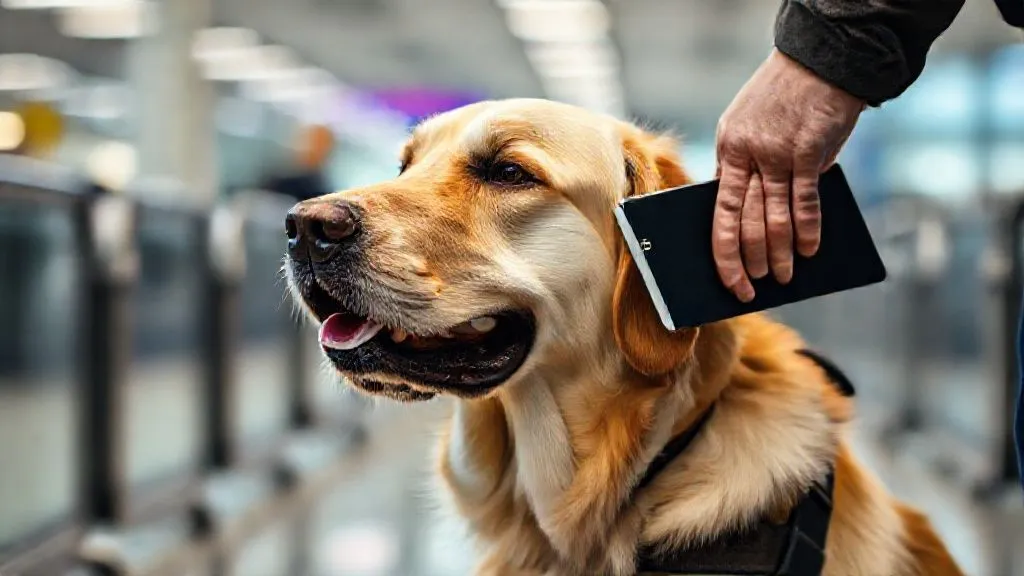
Service Animal Denied Boarding Internationally: Immediate Solution?
For over two decades in the accessible travel sector, I've witnessed firsthand the profound bond between individuals and their service animals. This partnership enables freedom, independence, and an enriched life. However, I've also seen the devastating impact when this essential partnership is suddenly jeopardized, especially when a service animal is denied boarding on an international flight.
The moment you hear those words – “your service animal cannot board” – it's more than just a travel disruption; it’s a direct threat to your autonomy and well-being. The confusion, frustration, and panic are palpable, leaving you stranded, often far from home, with complex international regulations as your only guide. It's a nightmare scenario that no service animal handler should ever have to face.
In this definitive guide, I will walk you through not just the 'why' behind such denials, but the 'how' – how to navigate this crisis with immediate, actionable solutions. We'll explore expert-backed strategies, legal frameworks, and proactive measures to ensure your service animal travels safely by your side, transforming a potentially disastrous situation into a manageable challenge.
Understanding the Regulatory Maze: Why Denials Happen
The landscape of international air travel with service animals is incredibly complex. Unlike domestic flights within some countries (like the U.S. under the ACAA), there isn't one universal international law governing service animal access. This patchwork of national regulations, airline policies, and even specific destination country import rules creates fertile ground for misunderstandings and denials.
Key International Regulations & Carrier Discretion
While the U.S. Department of Transportation's Air Carrier Access Act (ACAA) provides robust protections for service animals on flights to, from, and within the U.S. on U.S. carriers, its reach is limited. Outside of this, airlines often rely on their own interpretations of international standards and local laws, which can vary wildly. This discretion is a primary reason why a service animal denied boarding internationally becomes such a critical issue.
Expert Insight: "Never assume that what worked on one international route or with one airline will automatically apply to another. Each leg of your journey, and each country involved, is a potential regulatory hurdle. Proactive research is your most powerful ally."
Common reasons for denial typically include:
- Insufficient or Incorrect Documentation: Missing health certificates, vaccination records, or country-specific import permits.
- Misidentification of Animal: Airline staff questioning if the animal is truly a service animal, often due to lack of clear identification or behavioral concerns.
- Behavioral Issues: An animal exhibiting disruptive behavior, even if it's a trained service animal, can lead to denial.
- Breed Restrictions: While rare for legitimate service animals, some countries or airlines may have specific breed restrictions, though these should ideally not apply to certified service animals.
- Aircraft Type Limitations: Some smaller aircraft may genuinely lack space for a larger service animal, though this should be communicated well in advance.
- Layover Country Requirements: Even if your final destination accepts your service animal, a layover country might have strict transit rules.
Immediate Action Plan: On-the-Ground Solutions
When you're facing a service animal denied boarding internationally situation, panic is a natural reaction. But time is of the essence, and a structured approach is crucial. Here's your immediate action plan:
Step 1: Document Everything & Stay Calm
Your first instinct might be to argue, but pause. Take a deep breath. Remaining calm, though difficult, allows you to think clearly and gather critical information. This information will be invaluable for immediate resolution and potential future recourse.
- Request Written Refusal: Politely but firmly ask the airline representative for a written statement detailing the exact reason for the denial. This is your most important piece of evidence. If they refuse, note down the name and title of the person, the time, and the specific reasons verbally given.
- Record Details: Note the flight number, date, time, gate number, and names/employee IDs of all airline personnel involved.
- Photograph/Video: Discreetly take photos or videos of the situation, the boarding gate, any signage, and your service animal behaving appropriately. This can counter claims of disruptive behavior.
Step 2: Engage Airline Supervisors & Disability Liaisons
Front-line staff may not have the authority or knowledge to resolve complex service animal issues. Escalate immediately.
- Request a Supervisor: Ask to speak with a supervisor or manager who has more authority and experience with passenger assistance and disability policies.
- Demand a CRO (Complaint Resolution Official): If you are on a U.S. carrier, or flying to/from the U.S., you have the right to speak with a Complaint Resolution Official (CRO). CROs are specially trained by the airline in disability regulations and have the authority to override decisions made by other staff.
- Refer to Your Documentation: Calmly present your complete service animal documentation, highlighting relevant sections that meet requirements.
Step 3: Leverage Technology: Instant Communication & Legal Databases
Your smartphone is a powerful tool in this crisis. Don't hesitate to use it.
- Contact Disability Advocacy Groups: Reach out to organizations like Assistance Dogs International (ADI), or other local disability rights groups. They often have emergency hotlines or online resources that can provide real-time advice or even intervene.
- Consult Online Legal Resources: Quick searches for 'service animal travel rights [country]' can yield relevant local laws or advocacy contacts.
- Connect with Your Veterinarian: If the denial is health certificate-related, an immediate call to your vet might allow them to fax or email missing information or provide clarification.

Case Study: Maria's Midnight Miracle in Frankfurt
Maria, a wheelchair user traveling with her mobility assistance dog, Max, was denied boarding for her connecting flight from Frankfurt to Vienna. The airline claimed Max's health certificate was incomplete, citing a missing rabies titer test, despite Maria having successfully completed the first leg from the U.S. Panic set in as it was past midnight, and the next flight was 24 hours away.
Following my advice, Maria immediately requested a written refusal and documented everything. She then insisted on speaking with a CRO. The CRO initially sided with the gate agent. Maria then called an emergency line for a German disability advocacy group she had researched pre-travel. Within an hour, with the advocacy group's guidance, Maria was able to contact her U.S. veterinarian who, despite the time difference, located and emailed the specific rabies titer test results directly to the CRO. The CRO, now with complete documentation and pressure from the advocacy group, reversed the decision. Maria and Max boarded the next available flight, delayed but ultimately successful. This highlights the power of proactive preparation and immediate, structured action when a service animal denied boarding internationally occurs.
| Contact Method | When to Use | Expected Outcome |
|---|---|---|
| Airline CRO/Supervisor | Immediate denial, policy dispute | Policy review, potential override |
| Disability Advocacy Group | Legal/rights dispute, need expert advice | Guidance, potential intervention |
| Veterinarian (Emergency) | Documentation/health certificate issue | Corrections, clarifications, re-issuance |
| Embassy/Consulate | Severe legal/immigration issue, prolonged stranding | Diplomatic assistance, local resource referral |
Legal Recourse & Advocacy: Knowing Your Rights
While immediate solutions are paramount, understanding your legal standing is crucial for both resolving the current crisis and preventing future ones. International law is fragmented, but key principles and organizations can still provide leverage.
Understanding the Air Carrier Access Act (ACAA) & International Equivalents
As mentioned, the ACAA is a cornerstone for U.S.-related travel. For flights not covered by ACAA, you'll need to look at the regulations of the departure, transit, and arrival countries. For example, within the European Union, Regulation (EC) No 1107/2006 concerns the rights of disabled persons and persons with reduced mobility when travelling by air, which often includes provisions for service animals, though specific implementation varies by member state and airline.
Seeking External Support: Embassies, Consulates, & Disability Rights Organizations
If you find yourself in a protracted dispute or truly stranded, don't hesitate to contact your country's embassy or consulate in the country where you are denied boarding. While they cannot force an airline to comply, they can provide consular assistance, local legal referrals, and potentially mediate with local authorities or airlines. Disability rights organizations, both local and international, can also be powerful advocates.
Proactive Prevention: Ensuring Smooth Future Journeys
The best immediate solution is to prevent the problem in the first place. My years of experience have taught me that thorough preparation is the single most effective strategy against a service animal denied boarding internationally.
Comprehensive Documentation Checklist
This is where most denials originate. Create a binder or digital folder with all necessary documents, both physical and digital copies.
- Airline's Service Animal Form: Many airlines require their own specific form, often completed by your vet or yourself, confirming the animal's training and health. Submit this well in advance (typically 48-72 hours).
- Rabies Vaccination Certificate: Must be current and clearly state the vaccine type, date, and validity period.
- Other Required Vaccinations: Research your destination country's specific requirements (e.g., distemper, parvovirus).
- International Health Certificate (APHIS Form 7001 or equivalent): Issued by a licensed veterinarian and often endorsed by a government agency (e.g., USDA APHIS in the U.S.). This typically needs to be issued within a very short window (e.g., 10 days) of travel.
- Microchip Registration: Proof of microchip implantation, which is often a prerequisite for international travel.
- Service Animal Identification: Vest, harness, or tags that clearly identify your animal as a service animal. While not legally required everywhere, it helps.
- Proof of Training: Certification from a recognized organization (like an ADI member) or a letter from a trainer confirming the animal's task-specific training and public access skills.
- Letter from Medical Professional: For psychiatric service animals, a letter from a licensed mental health professional can be helpful, though the DOT form is generally sufficient for U.S. flights.
Choosing the Right Airline & Route
Not all airlines are created equal when it comes to service animal policies. Research thoroughly:
- Review Policies: Before booking, meticulously read each airline's service animal policy. Look for clear guidelines, required forms, and contact information for their special assistance department.
- Direct Contact: Call the airline's special assistance desk directly to confirm their policy for your specific route and service animal type. Get names and reference numbers for your calls.
- Avoid Complex Itineraries: Minimize layovers, especially in countries with known strict animal import laws. Direct flights are always preferable.
Pre-Travel Veterinary Consultations & Health Certificates
This is not a 'check-the-box' exercise. It requires meticulous planning with your vet.
- Early Consultation: Begin discussions with your veterinarian months before your international trip to understand all necessary vaccinations, tests, and timelines.
- Specialized Vets: Consider using a veterinarian who specializes in international travel for pets/service animals, as they are often more familiar with the nuances of different country requirements.
- Certificate Validity: Pay close attention to the validity window for health certificates. Missing this window by even a day can cause a denial.

| Task | Timeline | Responsible |
|---|---|---|
| Research Airline Policies | 3-6 months pre-travel | Handler |
| Vet Consult for International Travel | 3-4 months pre-travel | Handler, Veterinarian |
| Complete All Vaccinations/Tests | 1-3 months pre-travel | Veterinarian |
| Submit Airline's Service Animal Form | 72-48 hours pre-flight | Handler |
| Obtain Endorsed Health Certificate | 10 days pre-flight | Veterinarian, Government Agency |
| Pack Physical & Digital Docs | Day before travel | Handler |
Alternative Transport & Accommodation: When All Else Fails
Despite the best preparation, a denial can still occur. Having a backup plan for alternative transport and accommodation is a crucial safety net.
Exploring Ground Transportation Options
If you're denied an international flight, especially for a shorter distance or a flight within a continent, research alternative ground transportation. Trains, buses, or even private car services might be options. However, these also have their own service animal policies, so immediate research is key.
Temporary Accommodation & Pet-Friendly Hotels
Being stranded means needing a place to stay. Use apps and websites like BringFido or call hotels directly to find accommodations that are genuinely welcoming to service animals. Be prepared for potential additional costs.

The Emotional Toll: Prioritizing Well-being for You and Your Service Animal
A denial of boarding can be incredibly stressful, not just for you but also for your service animal, who mirrors your emotions. It's vital to prioritize both your well-being.
Expert Insight: "The stress of a travel denial can overwhelm even the most resilient individuals and service animals. Remember that your animal's performance is intrinsically linked to your state. Prioritize calm, comfort, and self-care for both of you."
- Find a Quiet Space: If possible, step away from the immediate confrontation zone to a quieter area of the airport to regroup.
- Hydrate & Rest: Ensure both you and your service animal have access to water and a chance to rest, even if it's just for a few minutes.
- Reassure Your Animal: Your service animal looks to you for cues. Maintain a calm demeanor, offer comfort, and engage in familiar routines if possible.
- Seek Support: Don't hesitate to call a trusted friend or family member to talk through the situation.
Frequently Asked Questions (FAQ)
What if the airline claims my animal isn't a service animal? This is a common challenge. Calmly present your documentation, including any official ID, training certificates, and a letter from your medical professional (if applicable for psychiatric service animals). Emphasize the specific tasks your animal performs for you. If on a U.S. carrier, demand a CRO, as they are trained to assess these situations based on DOT guidelines, which focus on task-training, not registration or specific vests.
Can I be denied boarding for a connecting flight by a different airline? Yes, absolutely. Each airline operates under its own policies and is subject to the regulations of the countries it operates in. Even if your first flight was seamless, the connecting airline might have different requirements or interpret regulations differently. This underscores the need for thorough preparation for every leg of your journey and contacting each airline involved.
Are there specific countries with stricter service animal entry rules? Indeed. Countries like Australia, New Zealand, Japan, and many island nations have very strict biosecurity laws, often requiring extensive quarantine periods, even for service animals, unless specific and rigorous pre-export protocols are followed. Always check the specific country's Ministry of Agriculture or equivalent website well in advance.
What's the difference between an ESA and a Service Animal internationally? Internationally, the distinction is critical. Most countries and airlines only recognize 'service animals' (often specifically 'assistance dogs') that are individually trained to perform tasks directly related to a person's disability. Emotional Support Animals (ESAs), which provide comfort through their presence but are not task-trained, generally do not have the same legal protections for air travel, especially internationally. The U.S. DOT no longer recognizes ESAs for air travel, aligning with international norms.
How long can a denial process take at the airport? The duration can vary wildly. A simple documentation fix might take 30 minutes to an hour if your vet is reachable and responsive. A dispute requiring a CRO and external advocacy could take several hours, potentially causing you to miss your flight and requiring rebooking or alternative travel. Be prepared for a significant time investment and potential delays.
Key Takeaways and Final Thoughts
Navigating international travel with a service animal is an exercise in meticulous preparation and unwavering advocacy. While a service animal denied boarding internationally is a truly distressing event, it is not insurmountable. My experience has shown that with the right knowledge and a calm, structured approach, you can overcome these challenges.
- Preparation is Paramount: Start planning months in advance, gathering all required documentation and verifying airline and country-specific rules.
- Know Your Rights: Understand the ACAA and relevant international regulations to confidently advocate for yourself.
- Immediate Action: Document everything, escalate to supervisors/CROs, and leverage technology for real-time support.
- Stay Calm & Persistent: Your composure is your greatest asset in a stressful situation.
- Have a Backup Plan: Consider alternative transport and accommodation options in case of denial.
Remember, your service animal is more than a companion; they are an extension of your independence. By empowering yourself with knowledge and employing these strategies, you are not just ensuring a smoother journey for yourself, but also paving the way for greater accessibility for all service animal teams worldwide. Travel with confidence, prepared for any eventuality.
Recommended Reading
- 7 Proven Strategies: How to Consistently Secure Last-Minute Premium Flight Upgrades?
- Space Tourism for All? The Future of Affordable Space Travel
- Unlock Your Potential: How to Train for Extreme Kayaking Expedition Travel
- 7 Steps: Find Unique Luxury Getaways for Ultimate Peace?
- 7 Critical Strategies: How to Prevent Lead Ice Screw Pull-Outs in Brittle Mixed Ice



Your email address will not be published. Required fields are marked *