

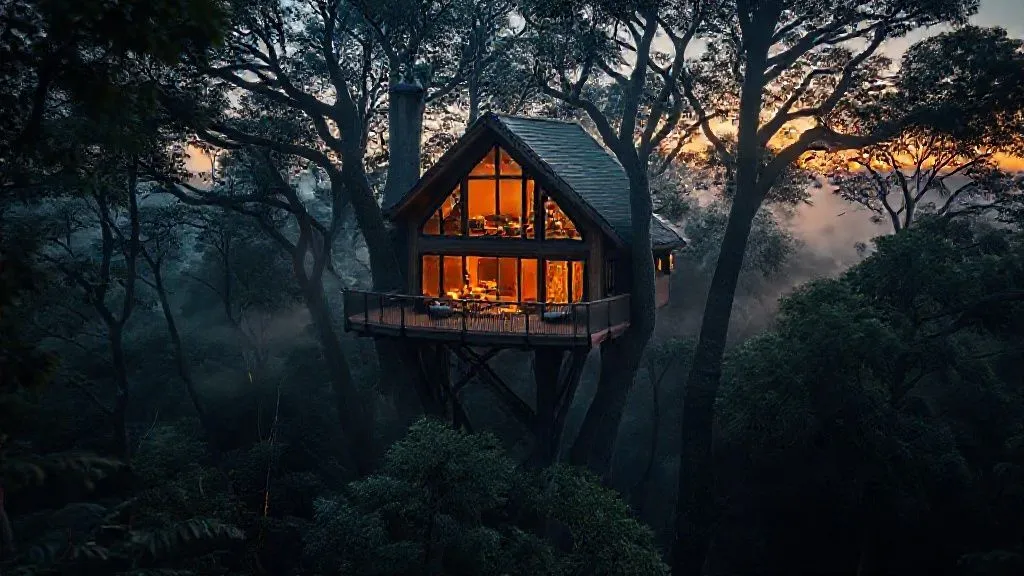
The Elevated World of Treehouses: Crafting Unforgettable Glamping Experiences
For over 15 years in the niche luxury travel and glamping sector, I've had the privilege of witnessing countless trends come and go. Yet, one particular accommodation type has consistently captivated the imagination of travelers and developers alike: the treehouse. From rustic childhood dreams to sophisticated arboreal sanctuaries, treehouses represent a unique blend of adventure, tranquility, and intimate connection with nature.
However, I've also seen well-intentioned projects falter. Many jump into building a treehouse without fully appreciating the intricate dance between structural engineering, environmental stewardship, local regulations, and the paramount importance of the guest experience. It's not just about putting a box in a tree; it's about creating a harmonious, safe, and truly memorable escape that justifies a premium price point.
This comprehensive guide will demystify the process, offering you my seasoned insights, actionable frameworks, and expert advice to navigate the complexities of conceptualizing, designing, constructing, and successfully operating your own extraordinary treehouse glamping venture. You'll learn not just what to do, but *how* to do it right, ensuring your treehouses stand tall, both literally and figuratively, in a competitive market.
Understanding the Allure: Why Treehouses Resonate with Modern Travelers
The magnetic pull of treehouses isn't just a fleeting fad; it taps into deep-seated human desires. Modern travelers are increasingly seeking more than just a bed for the night; they crave experiences, stories, and genuine connections. A treehouse offers all this and more, providing a sense of childlike wonder combined with adult luxury.
In my experience, guests are drawn to the novelty and exclusivity of an elevated stay. It's an escape from the mundane, a chance to disconnect from digital noise and reconnect with the natural world in a profoundly unique way. The market for experiential travel, especially in the glamping sector, continues to surge, with treehouses often topping the list of 'must-try' accommodations. Whether it's a cozy, romantic hideaway for two or a family-friendly adventure hub, the versatility of treehouse design caters to a broad demographic looking for something truly special.
“The true magic of a treehouse lies in its ability to transport guests to a different reality, offering both a thrilling adventure and a serene sanctuary high above the everyday. This unique selling proposition is invaluable.”
Foundational Planning: Site Selection and Environmental Harmony
The success of any treehouse project begins long before the first nail is hammered – it starts with meticulous site selection and a profound respect for the environment. Choosing the right trees is paramount. You need healthy, mature trees with strong root systems capable of supporting significant weight and resisting wind shear. Species like oak, maple, and fir are often excellent choices, but a certified arborist's assessment is non-negotiable.
Beyond the trees themselves, consider the overall landscape. What are the views like? Is there natural privacy? How will water drainage and sunlight exposure affect the structure and the guest experience? Proximity to utilities (water, electricity, septic) will significantly impact construction costs and feasibility. Furthermore, understanding local zoning laws, building codes, and environmental regulations is critical. I've seen projects delayed for years or even abandoned due to overlooking these initial, seemingly mundane, but absolutely essential steps.
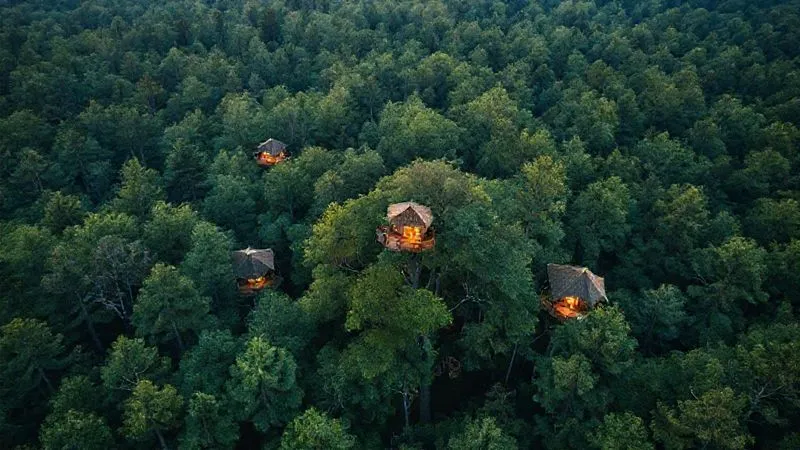
Here are key site considerations I always emphasize:
- Arborist Report: Essential for assessing tree health, species, and load-bearing capacity.
- Topographical Survey: Understand the land's contours, drainage, and potential access routes.
- Local Regulations: Research permits, zoning for elevated structures, and septic requirements thoroughly.
- Environmental Impact: Plan for minimal disruption to flora and fauna; consider wildlife corridors.
- Accessibility: How will guests and construction materials reach the site?
- Views & Orientation: Maximize scenic vistas and optimize for natural light and shade.
According to a report by the World Tourism Organization (UNWTO), sustainable tourism practices are no longer a niche but a global expectation, making eco-conscious site planning a critical component of market appeal and long-term viability.
Designing for Distinction: Architectural Principles and Guest Experience
Once your site is chosen, the real creative work begins: designing a treehouse that is both structurally sound and aesthetically stunning. This is where you blend engineering prowess with an artist's vision. The goal is to create a space that feels integrated with its arboreal host, rather than an alien imposition. Key design elements include the platform, which forms the base; the access points, such as winding staircases, suspension bridges, or even elevators; and the support systems, which must allow for tree growth and movement.
Interior design in a treehouse presents unique challenges and opportunities. Maximizing natural light and views is paramount. Incorporate large windows, strategically placed decks, and even glass floors to enhance the feeling of being immersed in the canopy. Space is often at a premium, so smart, multi-functional furniture and clever storage solutions are essential. Think about the flow: how do guests move from the living area to the bedroom to the bathroom, and how can you make that journey feel luxurious and intuitive? The best treehouses offer a seamless transition between indoor comfort and outdoor splendor.
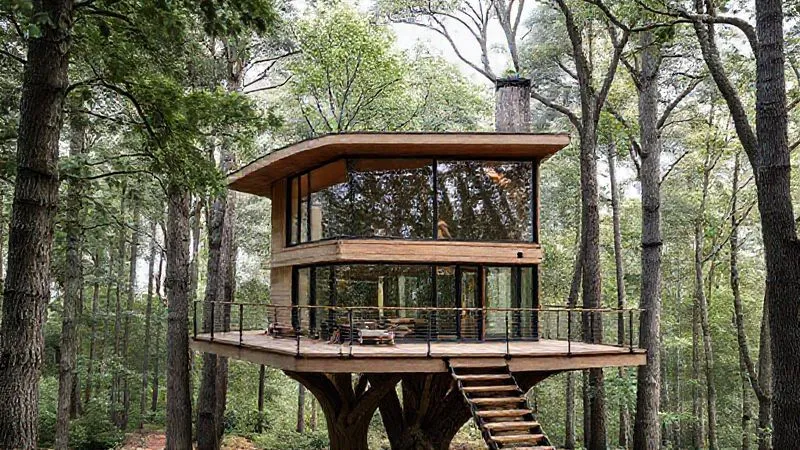
Consider the 'wow' factor. Is there an outdoor shower with a view? A hot tub nestled on a private deck? A stargazing platform? These unique features elevate the guest experience from simply 'staying in a treehouse' to 'living an unforgettable arboreal adventure'.
Construction Excellence: Safety, Durability, and Eco-Conscious Building
Building a treehouse is a specialized craft that requires expertise in both construction and arboriculture. The most critical aspect is the tree attachment method. Traditional methods of nailing into trees are outdated and harmful. Modern techniques, like Treehouse Attachment Bolts (TABs) or floating systems, allow the tree to grow and move naturally while securely supporting the structure. These non-invasive methods are crucial for the long-term health of the host trees and the stability of the treehouse.
Material selection is another vital consideration. Opt for durable, weather-resistant, and sustainable materials wherever possible. Reclaimed wood, locally sourced timber, and recycled composites not only reduce environmental impact but can also add character and authenticity to your treehouses. Ensuring the structure meets or exceeds all safety standards – from load-bearing capacity to railing heights and emergency exits – is non-negotiable. It’s often wise to consult with a structural engineer with experience in elevated structures; their expertise can be invaluable in preventing costly mistakes and ensuring guest safety.
“Compromising on safety in treehouse construction is not an option. It’s the bedrock of trust with your guests and the foundation of your business’s reputation. Invest in expert engineering and quality materials.”
Case Study: How Whispering Pines Retreat Achieved Sustainable Treehouse Success
Whispering Pines Retreat, a mid-sized glamping resort in the Pacific Northwest, initially struggled with high maintenance costs and negative guest feedback due to poorly constructed, traditional treehouses. Their original structures were causing damage to the trees and required constant repairs. By implementing a comprehensive overhaul based on modern treehouse construction principles, they transformed their operation. They invested in certified arborists and structural engineers, retrofitting their existing treehouses with TABs and rebuilding others using sustainable, highly durable materials.
They also upgraded their insulation and incorporated rainwater harvesting systems, significantly reducing their environmental footprint. This commitment to excellence resulted in a dramatic reduction in maintenance costs (down 40% in two years), a 95% guest satisfaction rating, and a significant increase in bookings, allowing them to raise their nightly rates by 25%. Their story is a testament to the long-term benefits of prioritizing safety, durability, and sustainability in treehouse construction.
For detailed structural engineering guidelines, I often refer clients to resources like the American Society of Civil Engineers (ASCE), which provides standards and best practices for various construction projects, including unique structures.
Operational Mastery: Marketing, Management, and Guest Services
Building magnificent treehouses is only half the battle; the other half is effectively operating and marketing them to ensure profitability and guest satisfaction. Your pricing strategy must reflect the unique value proposition of your treehouses. Consider dynamic pricing based on seasonality, demand, and special events. Offering packages – perhaps a romantic getaway package including a gourmet dinner or an adventure package with guided hikes – can significantly increase revenue per booking.
Marketing your treehouses requires compelling storytelling and high-quality visuals. Professional photography and videography are non-negotiable. Showcase the unique architectural details, the stunning views, and the immersive natural surroundings. Leverage social media platforms like Instagram and Pinterest, focusing on aspirational lifestyle content. Partnering with travel influencers or niche glamping blogs can also generate significant buzz. Your online presence, from your website to booking platforms, must be intuitive, visually appealing, and clearly communicate the unique experience your treehouses offer.
| Tier | Features | Price/Night |
|---|---|---|
| Canopy Classic | Basic amenities, forest view, queen bed | $250 - $350 |
| Sky Suite | Luxury amenities, panoramic view, king bed, private hot tub | $450 - $600 |
| Family Nest | 2 bedrooms, kitchenette, adventure package add-on | $350 - $500 |
Guest services in a treehouse glamping setting should blend five-star hospitality with the adventurous spirit of the outdoors. Think about unique check-in experiences, personalized welcome baskets, and curated local activity guides. Prompt and efficient maintenance is crucial, especially for structures exposed to the elements. Regular inspections of tree health, structural integrity, and utility systems will prevent minor issues from becoming major problems. As Forbes highlights in their travel and tourism insights, exceptional guest experience is the cornerstone of repeat business and positive word-of-mouth.
Navigating Challenges: Risk Management and Long-Term Viability
Operating treehouses, while rewarding, comes with its own set of challenges that require proactive risk management. Weather resilience is a major concern. High winds, heavy snow, and intense rainfall can all impact the structural integrity and guest safety. Ensure your treehouses are engineered to withstand local weather patterns and have robust insurance coverage that specifically addresses elevated structures and potential natural disasters. Regularly trimming dead branches from host trees and maintaining clear access paths are simple yet effective preventative measures.
Pest control – from insects to small mammals – is an ongoing battle in a natural setting. Implement integrated pest management strategies that are environmentally friendly. Tree health monitoring by an arborist should be an annual ritual to ensure the longevity of your living supports. Staffing can also be unique; you need individuals who are comfortable with the outdoor environment, adept at problem-solving, and committed to providing excellent service in a non-traditional setting. Training should cover not just hospitality but also basic outdoor safety and environmental awareness.
From a financial perspective, understanding the return on investment (ROI) for treehouse projects is crucial. While initial build costs can be higher than traditional ground-based cabins, the premium pricing and unique appeal often lead to faster payback periods and higher profit margins. Develop detailed financial projections, including operational costs, marketing budgets, and a contingency fund for unexpected repairs. As Seth Godin often emphasizes, building a remarkable product – like a truly exceptional treehouse – inherently creates its own demand and justifies its value.
Innovations in Treehouse Glamping: The Future is Elevated
The world of treehouses is constantly evolving, driven by technological advancements and a growing desire for sustainable, immersive experiences. We're seeing a trend towards integrating smart home technology into treehouses, allowing guests to control lighting, temperature, and entertainment with ease, often through eco-friendly, low-power systems. Off-grid and net-zero treehouses, powered by solar panels and utilizing advanced composting toilets and rainwater harvesting, are becoming increasingly popular, appealing to environmentally conscious travelers and reducing operational costs.
Designers are also pushing boundaries with unique themes and immersive experiences. Imagine a treehouse designed as a giant bird's nest, a spaceship, or a fantastical hobbit home nestled in the branches. Multi-treehouse developments that form small, elevated communities or 'villages' are also emerging, offering shared amenities like communal kitchens, yoga platforms, or even treetop spas. These innovations ensure that the allure of treehouses remains fresh and exciting, continually drawing in new generations of adventurers. The future of glamping, particularly with treehouses, is undoubtedly elevated and increasingly sustainable, aligning with global trends in responsible tourism as reported by the Skift travel industry insights.
Frequently Asked Questions (FAQ)
Q: How much does it typically cost to build a luxury treehouse for glamping? The cost can vary wildly depending on design complexity, size, materials, and site conditions. A basic, high-quality glamping treehouse might start from $50,000, while a custom-designed, multi-room luxury treehouse with full utilities and high-end finishes could easily exceed $200,000 to $500,000 or more. This doesn't include land acquisition or extensive site prep. It's crucial to get detailed quotes from specialized builders and arborists.
Q: What are the biggest challenges in treehouse maintenance? The primary challenges include ongoing tree health monitoring (annual arborist checks), managing weather-related wear and tear (wood rot, leaks, structural integrity checks), pest control in a natural environment, and maintaining elevated access points. Regular, proactive maintenance schedules are essential to ensure safety and longevity.
Q: How do I ensure my treehouse is genuinely eco-friendly and sustainable? Start with minimal site disturbance during construction. Use non-invasive tree attachment methods. Select sustainable, locally sourced, or recycled building materials. Incorporate off-grid solutions like solar power, rainwater harvesting, and composting toilets. Design for passive heating/cooling and use energy-efficient appliances. Educate guests on sustainable practices during their stay.
Q: What permits and legal requirements are typically needed for building treehouses? This varies significantly by location. You'll almost certainly need building permits, which will require engineered plans to meet local structural codes. Zoning regulations may dictate height restrictions, setback requirements, and whether elevated structures are even permitted. Environmental impact assessments, septic permits, and potentially even arborist permits for tree work may also be necessary. Always consult local planning and building departments early in the process.
Q: What are the most effective marketing strategies for attracting guests to treehouses? Focus on visual storytelling: high-quality photography and videography that highlight the unique design, views, and immersive experience. Leverage social media (Instagram, Pinterest) with aspirational content. Partner with glamping-specific booking platforms and niche travel bloggers. Create compelling website content that emphasizes the 'why' – the escape, the adventure, the connection to nature. Offer unique packages and experiences.
Key Takeaways and Final Thoughts
Creating a successful treehouse glamping business is a journey that requires passion, patience, and meticulous planning. It's about more than just construction; it's about crafting an immersive, safe, and sustainable experience that resonates deeply with guests seeking extraordinary escapes.
- Prioritize Site & Tree Health: Your foundation is literally living; treat it with respect and expert care.
- Design for Distinction & Durability: Blend aesthetics with structural integrity and long-term resilience.
- Master the Operational Details: From marketing to maintenance, every element impacts guest satisfaction and profitability.
- Embrace Sustainability & Innovation: Future-proof your investment by aligning with eco-conscious practices and modern trends.
- Safety is Non-Negotiable: Always, always prioritize guest safety through expert engineering and robust maintenance.
The allure of treehouses is timeless, offering a unique opportunity to blend luxury with adventure, comfort with the wild. By adhering to these expert guidelines, you're not just building structures; you're building dreams, elevated. I encourage you to embark on this exciting venture with confidence, knowing that a well-planned and thoughtfully executed treehouse project can indeed provide both a lucrative business and a profound connection to the natural world for countless travelers.
Recommended Reading
- 7 Essential Insurance Tips for Your Ultra-Long World Cruise
- Mastering Cruise ROI: 7 Steps to Measure Themed Campaign Success
- 5 Proven Strategies: Combat Volunteer Burnout in Remote Wildlife Rescues
- Unlock the Secrets: What to Wear for Formal Dining at Luxury Resorts
- Toddler & Deadlines: 7 Pro Strategies for Traveling Parents
Your email address will not be published. Required fields are marked *