


Struggling to Attract Food Tourists to Your Local Coffee Culture?
For over two decades in the travel and culinary tourism space, I've witnessed countless local gems with incredible potential languish in obscurity, especially within the vibrant world of coffee. It's often not about the quality of their product – the exceptional beans, the skilled baristas, the unique roast profiles – but the visibility and articulation of their story to the right audience.
You pour your heart into sourcing the best beans, perfecting your roasts, and crafting an inviting atmosphere, yet the rich, authentic coffee culture you know exists here remains largely undiscovered by the very food tourists who crave unique, local experiences. The frustration is palpable, feeling like you're shouting into the void when your unique offerings and the collective spirit of your coffee scene deserve a global audience. This challenge, I've observed, is a common thread for many passionate local communities.
In this definitive guide, I'll share the frameworks, actionable strategies, and insider insights I've gathered from working with successful coffee regions worldwide. We'll explore how to not just attract, but truly captivate the discerning food tourist, transforming your local coffee scene into an unmissable destination for culinary exploration and cultural immersion. My goal is to equip you with the tools to overcome the hurdle of struggling to attract food tourists to your local coffee culture and instead, create a thriving, recognized hub.
1. Deconstruct Your Unique Coffee Story: Beyond the Bean
Every coffee bean has a journey, but what about your local coffee culture? This is where many regions fall short. They focus on the product, not the narrative that makes it compelling. Food tourists aren't just seeking a good cup; they're seeking a story, a connection, an understanding of place.
Identifying Your Core Narrative
What makes your coffee scene truly unique? Is it a pioneering roasting technique, a historical connection to coffee, a specific bean varietal grown locally, or perhaps the community spirit of your cafes? Don't just list facts; weave them into a compelling narrative. Think about the 'why' behind your coffee culture.
Actionable Steps to Uncover Your Story:
- Host Brainstorming Sessions: Gather local cafe owners, roasters, baristas, and even regular customers. Ask them what they love most about your local coffee scene, what stories stand out, and what makes it special.
- Research Local History: Dive into archives. Was coffee introduced by a specific immigrant group? Is there a unique local tradition associated with coffee consumption? These historical threads can be incredibly powerful.
- Identify Key Personalities: Is there a legendary roaster, a community-focused cafe owner, or an award-winning barista who embodies the spirit of your scene? Human stories resonate deeply.
- Define Your 'Coffee Persona': Is your scene rustic and traditional, modern and experimental, or something else entirely? Give it a personality that visitors can connect with.
The 'Terroir' of Your Coffee Scene: A Holistic View
Just as wine has its terroir – the complete natural environment in which a particular wine is produced – your coffee scene has its own 'terroir'. This isn't just about the soil where beans are grown (though that's a part of it if you're a producing region), but the cultural, historical, and social environment that shapes your coffee. It's the architecture of your cafes, the street art around them, the local music played, the way people interact. This holistic view is what truly attracts food tourists looking for authenticity.

2. Crafting Immersive Coffee Experiences, Not Just Sales
In my experience, simply offering good coffee isn't enough to stand out in today's saturated market. Food tourists are experiential travelers. They want to participate, learn, and feel a part of something. This is where you transform transactions into memorable moments.
From Sip to Story: Experiential Tours
Instead of merely directing tourists to cafes, create structured, guided experiences. These tours can range from a half-day exploration to multi-day immersions. The key is to offer more than just tasting.
- Bean-to-Cup Journeys: If you're in a coffee-producing region, offer farm tours, showing the cultivation, harvesting, and processing. Pair this with a cupping session.
- Roastery Deep Dives: Allow visitors to witness the roasting process, learn about different roast profiles, and even participate in a small batch roast.
- Historical Coffee Walks: Guide tourists through significant historical cafes, sharing anecdotes and the evolution of coffee culture in your locale.
- Neighborhood Coffee Crawls: Curate a route through distinct neighborhoods, highlighting the unique vibe and specialties of each cafe.
Workshops & Masterclasses: Deepening Engagement
For those who want to roll up their sleeves, workshops offer unparalleled engagement. These are high-value offerings that command a premium and foster deep connections.
- Home Brewing Masterclass: Teach tourists how to brew the perfect cup using various methods (pour-over, AeroPress, French press).
- Latte Art Workshops: A fun, interactive session where participants learn basic latte art techniques.
- Coffee & Food Pairing: Collaborate with local bakeries or chocolatiers to create unique pairing experiences, showcasing how coffee complements other local delicacies.
Case Study: How 'The Daily Grind' Transformed Its Appeal
Case Study: How 'The Daily Grind' Transformed Its Appeal
A small, independent coffee shop collective, 'The Daily Grind' in a mid-sized European city, was struggling to attract food tourists to its local coffee culture despite its high-quality offerings. Their problem was a lack of differentiation and engagement. By implementing an 'Experiential Coffee Passport' combined with weekly 'Meet the Roaster' sessions and a monthly 'Home Brewing Fundamentals' workshop, they saw a dramatic shift. Within six months, their tourist footfall increased by 40%, and workshop bookings were consistently full. Revenue from these experiences alone contributed an additional 15% to their bottom line, demonstrating the power of moving beyond just serving coffee.
| Experience Type | Average Duration | Typical Cost | Tourist Engagement |
|---|---|---|---|
| Bean-to-Cup Tour | 3 hours | $75 | High |
| Latte Art Workshop | 2 hours | $50 | Very High |
| Neighborhood Coffee Crawl | 4 hours | $60 | Medium-High |
| Roastery Deep Dive | 2.5 hours | $85 | High |
"Food tourists don't just want to consume; they want to discover, to learn, to connect with the essence of a place through its food and drink. Your coffee culture offers that essence."
3. Strategic Partnerships: Brewing Success Together
No single coffee shop or roaster can shoulder the entire burden of promoting a local coffee culture. Collaboration is not just beneficial; it's essential. Strategic partnerships amplify your reach, enhance your offerings, and build a more robust ecosystem that naturally attracts food tourists.
Local Synergy: Beyond the Coffee Shop
Look beyond the immediate coffee industry. Who else in your community caters to the same discerning audience? Think about hotels, B&Bs, local tour operators, artisanal food producers, art galleries, and even independent bookstores. Creating cross-promotional packages or joint ventures can open up new avenues for attracting visitors.
- Hotel Packages: Partner with local boutique hotels to offer 'Coffee Culture Getaway' packages that include a stay, coffee shop vouchers, and an exclusive tour.
- Food Market Collaborations: Set up tasting booths at local farmers' markets, showcasing your coffee alongside other local produce.
- Cultural Event Integration: Sponsor or participate in local art festivals, music events, or historical celebrations, offering unique coffee experiences to attendees.
Influencer & Media Collaborations
In the digital age, the right voices can spread your story far and wide. Identify food and travel bloggers, Instagrammers, YouTubers, and journalists who align with your brand values and have an audience interested in authentic culinary experiences. Offer them a truly immersive experience, not just a free cup of coffee, and let their genuine enthusiasm become your most powerful marketing tool.
As Harvard Business Review often highlights, strategic partnerships are crucial for expanding market reach and creating synergistic value. It's about finding partners whose goals align with yours, creating a sum greater than its parts.
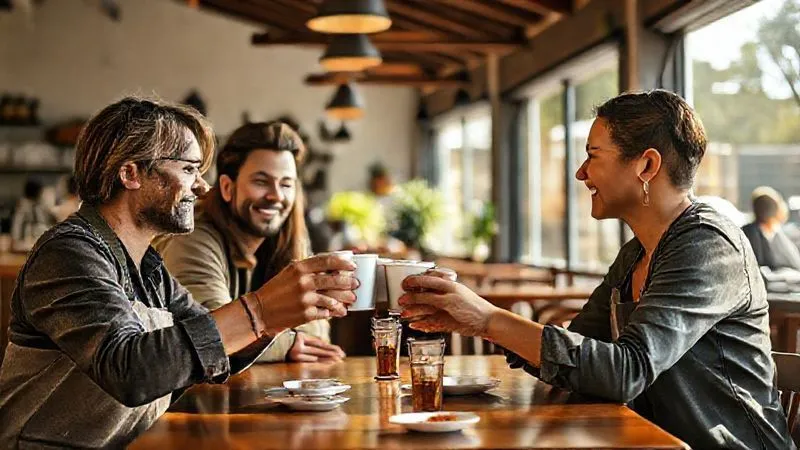
4. Digital Storytelling & SEO for Coffee Tourism
In a world where travel planning often begins with a search engine, your digital presence is paramount. You could have the most incredible coffee culture, but if it's not discoverable online, food tourists will never find it. This is where smart SEO and compelling digital storytelling come into play, directly addressing the core problem of struggling to attract food tourists to my local coffee culture.
Mastering Visual Content & Social Media
Coffee is inherently photogenic. Leverage high-quality photography and videography to tell your story across platforms like Instagram, TikTok, and Pinterest. Don't just post pictures of lattes; show the hands of the barista, the steam rising from the roaster, the vibrant community gathering in your cafes. Use engaging captions that share snippets of your unique narrative.
- "Behind the Scenes" Content: Show the passion, the process, the people. This builds authenticity and connection.
- User-Generated Content (UGC): Encourage visitors to share their experiences using a unique hashtag. Repost their content to amplify your reach and build community.
- Storytelling Reels/Shorts: Create short, captivating videos that highlight a specific aspect of your coffee culture – a historical cafe, a unique brew, a local character.
Local SEO & Google My Business Optimization
For food tourists searching for 'best coffee shops near me' or 'coffee culture experiences in [Your City]', local SEO is non-negotiable. Ensure every cafe, roaster, and coffee-related business in your locale has a fully optimized Google My Business (GMB) profile. This includes accurate addresses, phone numbers, opening hours, high-quality photos, and consistent responses to reviews.
Actionable Local SEO Steps:
- Claim and Verify GMB Profiles: Ensure all relevant businesses have their profiles claimed and verified.
- Optimize GMB Information: Fill out every section completely, including business categories (e.g., 'coffee shop', 'roastery', 'cafe'), services offered, and attributes (e.g., 'free Wi-Fi', 'outdoor seating').
- Encourage Reviews: Actively ask satisfied customers to leave reviews on Google, Yelp, and other relevant platforms. Respond to all reviews, positive and negative, professionally.
- Local Citations: Ensure your business name, address, and phone number (NAP) are consistent across all online directories (Yelp, TripAdvisor, local tourism sites).
- Geo-Targeted Content: Create blog posts or website pages specifically targeting local search terms, such as 'best pour-over [Your City]' or 'historical cafes [Your Neighborhood]'.
5. Data-Driven Insights: Understanding Your Coffee Tourist
Guesswork is a luxury you can't afford when you're struggling to attract food tourists to my local coffee culture. Data provides clarity, revealing who your target audience is, what they want, and how they behave. Leveraging analytics helps you refine your strategies and maximize your impact.
Leveraging Analytics for Targeted Marketing
Dive into your website analytics (Google Analytics), social media insights, and even point-of-sale data. What are the demographics of your online visitors? Which content performs best? Which experiences are most popular? This information is invaluable for tailoring your marketing messages and developing new offerings.
- Website Traffic Analysis: Understand where your visitors come from (geographically), what pages they visit most, and how long they stay.
- Social Media Engagement: Identify which posts get the most likes, shares, and comments. What topics resonate most with your audience?
- Booking Data: If you offer tours or workshops, analyze booking patterns. Are certain days or times more popular? What types of experiences sell out first?
Feedback Loops: Continuous Improvement
Beyond quantitative data, qualitative feedback is crucial. Actively solicit opinions from your visitors. This can be through simple surveys, comment cards, or direct conversations. What did they enjoy most? What could be improved? This direct feedback loop allows you to continuously refine your offerings and ensure they meet, or even exceed, tourist expectations.
| Metric | Q1 2023 | Q1 2024 | Change |
|---|---|---|---|
| Website Traffic (Tourist Origin) | 25% International, 75% Domestic | 40% International, 60% Domestic | +15% International |
| Social Media Engagement Rate | 3.2% | 4.8% | +1.6% |
| Coffee Tour Bookings | 120 | 185 | +65 bookings |
| Customer Satisfaction Score (CSAT) | 8.1/10 | 8.7/10 | +0.6 |
6. Building a 'Coffee Trail' or 'Coffee Passport' Initiative
One of the most effective ways I've seen regions overcome the challenge of struggling to attract food tourists to my local coffee culture is by creating a structured, enticing journey. This transforms disparate coffee shops into a cohesive, discoverable experience. A 'Coffee Trail' or 'Coffee Passport' initiative provides a clear path for exploration, encouraging visitors to delve deeper into your scene.
The Power of Curated Journeys
A 'Coffee Trail' is a curated route or collection of recommended cafes and roasters, often organized by neighborhood, historical significance, or specific coffee offerings. It provides a narrative for the visitor's exploration, making it easy for them to navigate and discover the best of your local scene. This isn't just a list; it's a suggested itinerary designed to highlight your unique selling points.
- Thematic Trails: Create trails like 'Historic Coffee Houses', 'Modern Roasters Tour', 'Best for Pour-Over', or 'Vegan-Friendly Coffee Stops'.
- Digital & Physical Maps: Offer both an interactive online map and beautifully designed physical maps that can be picked up at tourist centers and participating cafes.
- Storytelling Stops: Each stop on the trail should have a short description highlighting its unique story, specialty, or historical significance.
Gamification & Rewards
A 'Coffee Passport' takes the trail concept a step further by adding an element of gamification. Visitors collect stamps or stickers at each participating location, working towards a reward. This incentivizes them to visit multiple establishments and spend more time (and money) in your coffee community.
- Passport Design: Create an attractive, pocket-sized passport that serves as both a guide and a souvenir.
- Reward System: Offer incentives for completing the passport, such as a free bag of local beans, a branded mug, a discount on a coffee workshop, or entry into a prize draw.
- Exclusive Access: Consider an 'elite' tier for those who complete a certain number of stops, granting access to special tastings or events.
"Curiosity is a powerful motivator for food tourists. Give them a map, a mission, and a reward, and they will embark on a delightful journey through your coffee culture."
7. Sustainability & Ethical Sourcing: A Modern Tourist's Priority
Today's food tourist, particularly those interested in specialty coffee, is increasingly conscious of the ethical and environmental impact of their choices. Showcasing your commitment to sustainability and ethical sourcing is no longer just a 'nice-to-have'; it's a powerful differentiator that can attract a significant segment of conscientious travelers, directly addressing the nuanced challenges of struggling to attract food tourists to my local coffee culture.
Communicating Your Values
It's not enough to simply practice sustainability; you must communicate it effectively. This means being transparent about your sourcing, your waste reduction efforts, your support for local communities, and your fair trade practices. Use your cafes, websites, and social media to tell this story.
- Source Transparency: Highlight where your beans come from, the farms you work with, and the certifications you hold (e.g., Fair Trade, Organic, Rainforest Alliance).
- Eco-Friendly Practices: Showcase efforts like composting coffee grounds, using compostable cups, offering discounts for reusable cups, and energy-efficient equipment.
- Community Impact: Share stories of how your coffee businesses support local initiatives, charities, or cultural preservation efforts.
Impact on Attracting Conscious Travelers
According to a Deloitte study on sustainable consumer behavior, a significant portion of consumers are willing to pay more for sustainable products and brands. For food tourists, this translates into actively seeking out destinations and businesses that align with their values. By clearly articulating your commitment to sustainability, you tap into a growing and highly engaged market segment.
Frequently Asked Questions (FAQ)
Q: My local coffee scene is very small, with only a few cafes. Can these strategies still apply? Absolutely. Even a small number of committed businesses can create a powerful, cohesive experience. The key is collaboration and focusing on your unique story. A smaller scene can often offer a more intimate, personal experience, which is highly appealing to food tourists. Focus on quality over quantity and highlight the personal connections.
Q: How do I measure the success of these initiatives in attracting food tourists? Measuring success involves tracking several key metrics. Look at website traffic from external sources (especially international), social media engagement, direct bookings for tours/workshops, the number of 'Coffee Passports' redeemed, and anecdotal feedback from visitors. Partner with local tourism boards for aggregated visitor data, if available. Don't forget to survey your cafe owners about an increase in tourist footfall.
Q: We have great coffee, but our city isn't a traditional tourist destination. How do we overcome that? This is a common challenge. You overcome it by making your coffee culture *the* reason to visit, or a compelling reason to extend a trip. Focus on creating such unique and talked-about experiences that they become a destination in themselves. Leverage PR and influencer marketing to get your story out to a wider audience, positioning your locale as an 'undiscovered gem' for coffee lovers.
Q: What's the most cost-effective way to start implementing these strategies? Begin with identifying your core story and optimizing your digital presence (GMB profiles, basic social media content). These are relatively low-cost but high-impact. Next, focus on building local partnerships, which can often be barter-based or shared-cost initiatives. Experiential offerings can start small with a single workshop before scaling up to full tours. The key is iterative improvement and learning from your initial efforts.
Q: How can I ensure these efforts are sustainable long-term, beyond an initial marketing push? Sustainability comes from building a strong, collaborative community among your coffee businesses. Foster regular communication, shared goals, and collective investment in promotion. Continuously innovate your experiences, gather feedback, and adapt to changing tourist preferences. A vibrant coffee culture is a living entity; it needs consistent nurturing and fresh ideas to thrive.
Key Takeaways and Final Thoughts
- Story is Paramount: Go beyond the bean; articulate the unique cultural, historical, and community narrative of your coffee scene.
- Experiences Over Transactions: Food tourists seek immersion. Develop tours, workshops, and interactive elements that allow them to participate and learn.
- Collaborate & Amplify: Forge strategic partnerships with local businesses, hotels, and influencers to extend your reach and enhance your offerings.
- Digital Discoverability: Master local SEO, GMB optimization, and visual storytelling on social media to ensure your coffee culture is found online.
- Data-Driven Decisions: Use analytics and feedback to understand your audience and continuously refine your strategies for maximum impact.
- Curate the Journey: Implement 'Coffee Trails' or 'Passports' to guide visitors and incentivize deeper exploration of your local scene.
- Embrace Values: Highlight your commitment to sustainability and ethical practices to attract the growing segment of conscious travelers.
The journey from struggling to attract food tourists to my local coffee culture to becoming a recognized coffee destination is an achievable one. It requires vision, collaboration, and a commitment to authenticity. As an industry veteran, I've seen the transformative power of these strategies firsthand. Your local coffee culture is a treasure waiting to be discovered; it's time to polish that treasure and share its brilliance with the world. Start today, and watch your community thrive.
Recommended Reading
- 5 Strategies: Justifying Sustainable Train Travel's Higher Cost to Clients
- Unlock Value: Justifying Luxury Train Travel to Affluent Clients
- Unlock Warmth: The Ultimate Guide to Staying Cozy Car Camping in Cold Weather
- Sustain Luxury Hotel Brand: 7 Profit-Boosting Identity Strategies
- Mastering Rail Passes: Your 5-Step Strategy for Diverse Client Trips



Your email address will not be published. Required fields are marked *