


How to Maximize Cultural Event Attendance During a Short Business Trip
For over two decades, navigating the intricate dance between corporate commitments and the allure of a new city has been my professional playground. I've personally witnessed countless professionals, myself included, grapple with the desire to connect with local culture, only to find their packed itineraries and demanding schedules leave little room for anything beyond the boardroom.
The challenge isn't a lack of cultural richness in our global cities; it's the perceived impossibility of fitting truly meaningful experiences into the tight, often rigid, confines of a business trip. The fear of missing a crucial meeting, the exhaustion of travel, and the sheer volume of work often relegate cultural exploration to a wistful 'next time' – a 'next time' that rarely arrives.
But what if I told you there's a strategic framework, born from years of trial and error, that allows you to not just *squeeze in* culture, but to genuinely maximize cultural event attendance during a short business trip? This isn't about sacrificing work; it's about intelligent planning, mindful execution, and a shift in perspective that transforms fleeting moments into lasting memories and even professional advantages. We'll explore actionable steps, real-world examples, and expert insights to make your next business trip a truly enriching experience.
The Modern Business Traveler's Dilemma: Time vs. Immersion
The modern business traveler is a paradox: globally mobile yet locally constrained. We jet across continents, only to spend our days in conference rooms, our evenings catching up on emails, and our nights in sterile hotel rooms. The vibrant pulse of the city outside often feels tantalizingly close, yet impossibly distant. This isn't merely a matter of personal preference; it's a missed opportunity.
I've seen this dilemma play out countless times. Colleagues return from dazzling destinations like Kyoto or Rome, having seen little more than the airport, the hotel, and the meeting venue. The guilt of being so close to profound cultural experiences yet unable to partake is palpable. This isn't just about leisure; it's about broadening horizons, fostering empathy, and gaining a deeper understanding of the global landscape – all invaluable assets in today's interconnected business world.
"Cultural immersion isn't a luxury; it's a strategic imperative for global professionals. It sharpens your perspective, enhances adaptability, and builds bridges where business alone might not."

Strategic Pre-Trip Planning: Your First Line of Defense
The secret to successful cultural integration on a business trip isn't spontaneity; it's meticulous planning. In my experience, 80% of your success in maximizing cultural event attendance during a short business trip hinges on what you do before you even pack your suitcase. Think of yourself as a strategic operations manager for your own cultural enrichment.
Leveraging Technology for Event Discovery
Gone are the days of relying solely on hotel concierge recommendations. The digital age offers a powerful arsenal for pre-trip research.
- Start Early: As soon as your travel dates and location are confirmed, begin your research.
- Utilize Local Tourism Boards: Official city tourism websites are goldmines for current event listings, festivals, and hidden gems. Many have dedicated sections for what's on during specific dates.
- Event Aggregator Apps: Apps like Eventbrite, Culture Trip, or local equivalents (e.g., Time Out for London, Pariscope for Paris) can provide comprehensive listings of everything from concerts to art exhibitions.
- Social Media & Local Blogs: Follow local cultural institutions, art galleries, and city-specific influencers on platforms like Instagram or Facebook. They often announce last-minute events or offer unique perspectives.
- Google Alerts: Set up alerts for "[City Name] cultural events" or "[City Name] exhibitions [Month/Year]" to have information delivered directly to your inbox.
As Harvard Business Review often emphasizes, effective time management begins with proactive planning, and this applies directly to cultural immersion.
Prioritization: Quality Over Quantity
With limited time, you cannot see everything. The key is to choose wisely, focusing on experiences that genuinely resonate with you or offer unique insights into the local culture. I always advise my mentees to identify their 'cultural anchors' – 1-2 non-negotiable experiences.
- Define Your Interest: Are you passionate about art, history, music, culinary experiences, or local crafts? Narrowing your focus helps eliminate decision fatigue.
- Assess Time Commitment: A two-hour opera is different from a 30-minute walk through a historic market. Be realistic about the time available between meetings.
- Consider Proximity: Prioritize events near your hotel or meeting venues to minimize travel time.
- Read Reviews: Check reviews on platforms like TripAdvisor or Google to gauge the quality and genuine cultural value of an event.
Here's a quick guide to help prioritize:
| Event Type | Typical Duration | Cultural Impact | Logistics Complexity |
|---|---|---|---|
| Major Museum Exhibition | 2-3 hours | High | Medium |
| Local Street Market | 30-60 minutes | Medium-High | Low |
| Evening Concert/Theater | 2-4 hours | High | High |
| Historic Landmark Visit | 1-2 hours | Medium-High | Medium |
| Quick Local Food Tour | 1-1.5 hours | High | Medium |
On-the-Ground Optimization: Seamless Integration
Once you're in the city, the strategy shifts from planning to execution. This is where you leverage every available minute and integrate cultural experiences into your existing schedule, rather than trying to carve out entirely separate blocks of time.
Mastering Micro-Moments: Lunch Breaks and Evenings
The biggest misconception is that cultural events require entire half-days. In reality, many enriching experiences can be woven into shorter windows.
- Lunchtime Art Breaks: Is there a small gallery, a historic church, or an interesting public art installation within a 15-minute walk of your meeting venue? Utilize your lunch break for a quick, impactful visit instead of a mundane meal.
- Pre-Dinner Strolls: Instead of heading straight to your hotel, take a scenic route through a historic district or along a riverfront. Even 20-30 minutes of intentional walking can provide significant cultural exposure.
- Evening Performances: Many cities offer shorter, early evening concerts, plays, or cultural shows that conclude by 8-9 PM, allowing you to enjoy an experience without sacrificing a full night's rest.
- Hotel Proximity: Choose hotels near cultural hubs if possible. This drastically reduces travel time to events.
The Power of Proximity: Location-Based Planning
This is a game-changer for business travelers. When scheduling your meetings, try to cluster them geographically. Once meetings are set, scout the immediate vicinity for cultural sites. I've often found that a 10-minute walk from a client's office can lead to a fascinating museum, a vibrant market, or a significant historical monument.
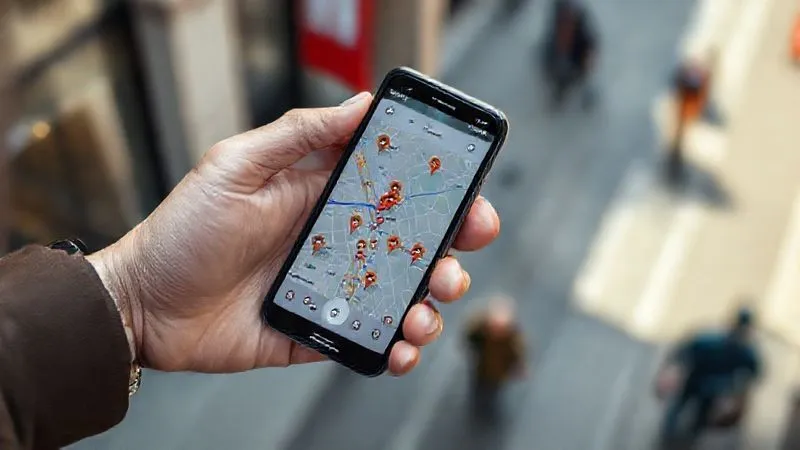
Use mapping apps to overlay your meeting locations with cultural points of interest. This visual strategy helps you identify efficient routes and maximize the utility of your travel time between appointments. It's about thinking of your journey not just as A to B, but as A, (cultural stop), B, (another cultural stop), C.
Case Study: Sarah's Parisian Cultural Blitz
Sarah, a marketing executive, had a two-day business trip to Paris with back-to-back meetings in different arrondissements. Instead of resigning herself to missing out, she applied these strategies. Before her trip, she used local event listings to identify a small, highly-rated photography exhibition near her first day's meeting location and a short, early-evening classical music concert near her hotel for the second day.
On day one, she allocated her 90-minute lunch break to visit the photography exhibition, grabbing a quick sandwich from a nearby boulangerie. The next day, after her final meeting, she used a ride-share app to get to her hotel, checked in, and immediately walked to the concert hall for the 7 PM performance. She pre-booked both tickets online, saving time. This resulted in two distinct, enriching cultural experiences without impacting her work schedule, proving that you can maximize cultural event attendance during a short business trip with intentionality.
Navigating Logistics: Transport and Timing Hacks
Efficient movement is paramount. Wasted minutes in transit are lost opportunities for cultural engagement. This demands a strategic approach to how you get around and when you book your experiences.
Efficient Transportation Strategies
Your choice of transport can be a cultural experience in itself, or a time sink. I always recommend a multi-modal approach.
- Public Transport: In many major cities, the metro, bus, or tram system is not only the most efficient way to get around but also offers a glimpse into local daily life. Purchase multi-day passes if available.
- Walking: Don't underestimate the power of your own two feet. Walking allows you to discover hidden alleys, street art, and local shops that you'd miss otherwise. It's also great for mental clarity between meetings.
- Ride-Sharing/Taxis: For urgent, time-sensitive movements, these are invaluable, but they can be costly and prone to traffic delays. Use them strategically, perhaps for late-night returns.
- Biking: Some cities offer bike-sharing programs, which can be a fast and enjoyable way to explore, especially in designated bike lanes.
| Transport Mode | Speed | Cost | Cultural Immersion | Best Use |
|---|---|---|---|---|
| Metro/Subway | Fast (predictable) | Low | Medium (local life) | Longer distances, avoiding traffic |
| Walking | Slow (variable) | Free | High (direct engagement) | Short distances, exploring neighborhoods |
| Ride-Share/Taxi | Medium (traffic dependent) | High | Low | Time-critical, late-night, heavy luggage |
| Bus/Tram | Medium (traffic dependent) | Low | Medium-High (scenic views) | Medium distances, city tours |
Booking Smart: Flexibilities and Discounts
When booking cultural events, consider the following:
- Pre-Book Online: This saves precious time queuing and often offers better prices. Many museums and attractions have 'skip the line' options for online tickets.
- Check for Business Traveler Discounts: Some institutions offer corporate rates or special passes. It never hurts to inquire.
- Look for Off-Peak Times: Early mornings or late evenings might be less crowded, allowing for a more serene experience, even if it means adjusting your sleep schedule slightly.
- Flexible Tickets: If your schedule is highly unpredictable, consider tickets with flexible entry times or cancellation policies, even if they cost a little more. For more tips on smart booking, consult reputable travel guides like Lonely Planet's advice on efficient travel.
Cultivating a Mindset for Cultural Engagement
Beyond the logistical hacks, your mindset is arguably the most powerful tool you possess. A receptive, curious, and flexible attitude can transform even the smallest interaction into a meaningful cultural moment.
Embracing Spontaneity (Within Limits)
While strategic planning is crucial, leaving a small window for serendipity can lead to some of the most memorable experiences. I always try to build in 30-60 minutes of 'flex time' into my schedule. This allows for:
- Unexpected Discoveries: A street performer, a local festival you stumble upon, or an interesting storefront that catches your eye.
- Local Recommendations: The waiter at your lunch spot might suggest a fantastic, lesser-known exhibition.
- Stress Reduction: Knowing you have a buffer reduces anxiety if a meeting runs over or if you get lost.
"The most profound cultural experiences often aren't planned; they're discovered. Create the space for them to happen, and they will."
Networking Through Culture
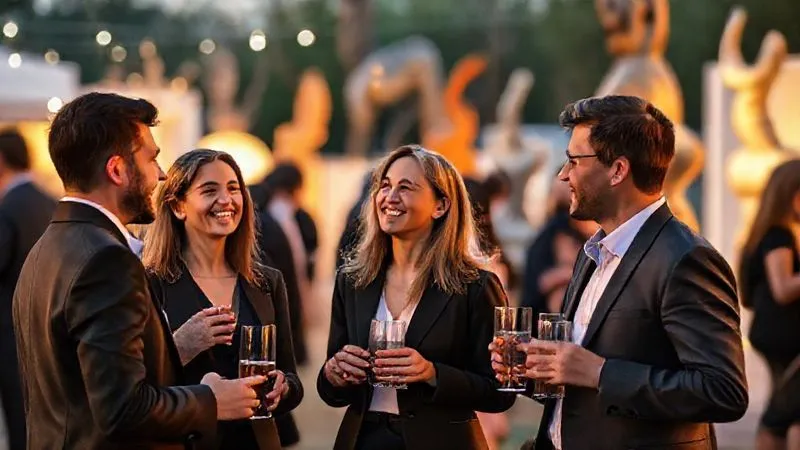
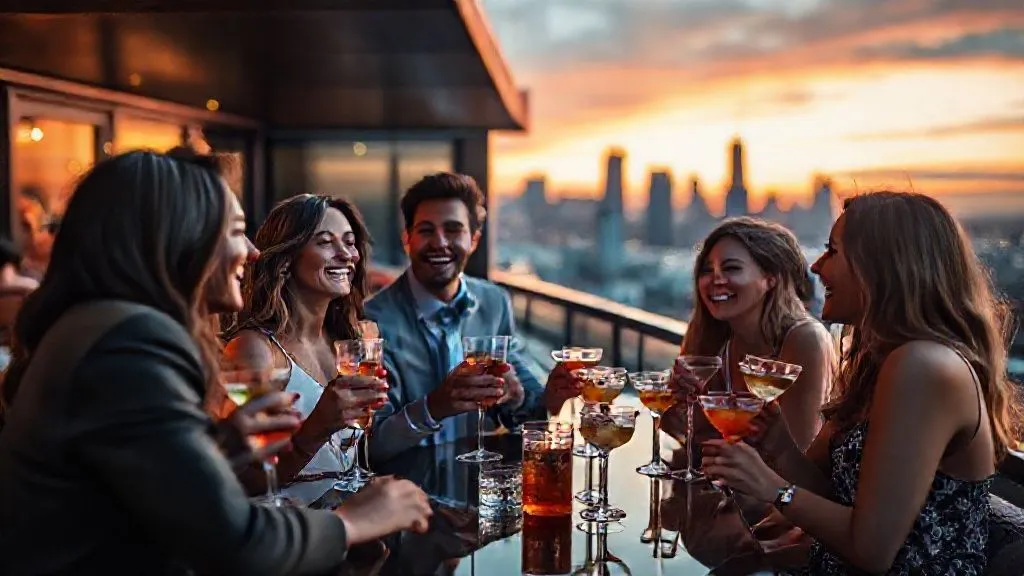
Cultural events aren't just for personal enrichment; they can be powerful networking opportunities. Imagine discussing a recent art exhibition with a client, or sharing insights from a local culinary tour with a new business contact. These shared experiences create deeper bonds and more memorable interactions than purely business-focused conversations.
According to a Deloitte study on human capital trends, fostering a sense of belonging and shared experience is vital for engagement. Cultural events offer a unique, informal setting to build rapport and demonstrate your global awareness.
Post-Event Reflection: Maximizing the Takeaway
The cultural experience doesn't end when you leave the venue. The final step in maximizing cultural event attendance during a short business trip is to reflect on and integrate what you've learned. This solidifies the memory and allows you to truly benefit from the exposure.
- Journaling: A few minutes spent jotting down your impressions, what you saw, heard, felt, and learned, can transform a fleeting moment into a lasting insight.
- Sharing: Talk about your experiences with colleagues, friends, or family. Explaining what you saw helps to reinforce your own understanding and allows others to share in your journey.
- Connect to Business: Consider how the cultural nuances you observed might impact your business interactions or understanding of the local market. This is where cultural intelligence truly shines, as discussed by experts like Harvard Business Review's article on Cultural Intelligence.
Frequently Asked Questions (FAQ)
Q: What if my schedule is truly back-to-back with no apparent free time? Even in the most demanding schedules, micro-moments exist. Can you walk to lunch instead of taking a taxi? Is there a public art piece near your hotel? Can you visit a historic lobby or a significant public square on your way to or from the airport? Think about your commute as an opportunity. Sometimes, even just observing the local architecture or street life from a cafe window can be a form of cultural immersion.
Q: How do I choose between multiple appealing events when time is extremely limited? Prioritize based on uniqueness, proximity, and personal interest. Is there an event that is truly unique to this city, or is it something you could experience elsewhere? How close is it to your existing itinerary? Most importantly, what genuinely excites you the most? Sometimes, choosing one deeply resonant experience is more valuable than trying to cram in several superficial ones.
Q: Is it okay to attend cultural events alone during a business trip? Absolutely! Many cultural experiences are best enjoyed solo, allowing for deeper personal reflection and observation without distraction. In fact, attending alone can make you more open to spontaneous interactions with locals or fellow travelers. Always prioritize your safety, especially when exploring unfamiliar areas at night.
Q: How can I ensure I'm being respectful of local customs and etiquette during cultural events? A little research goes a long way. Before attending, quickly look up basic etiquette for the specific type of event (e.g., dress codes for religious sites, photography rules in museums, applause customs at performances). Being mindful of noise levels, personal space, and local traditions demonstrates respect and enhances your own experience.
Q: Can cultural immersion genuinely benefit my business goals, or is it purely for personal leisure? Cultural immersion offers significant business benefits. It enhances your cultural intelligence, making you more adaptable and effective in diverse international settings. It provides unique conversation starters for networking, builds rapport with local clients or partners, and can spark creativity by exposing you to new perspectives. It's a subtle but powerful investment in your global professional development.
Key Takeaways and Final Thoughts
The notion that business travel must be devoid of cultural enrichment is a myth. As an experienced industry specialist, I've seen firsthand how a strategic approach can transform a routine trip into a deeply rewarding experience. To truly maximize cultural event attendance during a short business trip, remember these core principles:
- Plan Proactively: Research and prioritize events well before you leave, leveraging technology.
- Optimize On-the-Ground: Integrate cultural moments into your existing schedule, focusing on proximity and micro-moments.
- Master Logistics: Use efficient transportation and smart booking strategies to save time.
- Cultivate a Mindset: Embrace curiosity, flexibility, and a willingness to engage, even spontaneously.
- Reflect and Integrate: Consolidate your experiences to deepen learning and professional growth.
Your next business trip is not just a series of meetings; it's an opportunity for discovery, growth, and connection. By adopting these strategies, you'll not only return to your desk with your tasks accomplished but also with a richer understanding of the world, renewed energy, and stories that truly set you apart. Go forth and explore – the city awaits!
Recommended Reading
- Unlock the Secrets: Your Ultimate Guide to Respectful Participation in Religious Festivals
- 7 Advanced Protocols: How to Prevent Diver Panic on Reef Excursions?
- Unlock Green Wisdom: How to Gain Sustainability Learning from Eco-Trips
- 7 Proven Strategies: Halting Revenue Loss from Cruise Cancellations
- Maximizing Your 10-Day Impact: Leveraging Professional Skills in Volunteering

Your email address will not be published. Required fields are marked *