


How to Regain Lost Family Travel Blog Traffic After Google Core Update?
After 15 years immersed in the dynamic world of family travel content and SEO, I've witnessed firsthand the exhilaration of skyrocketing traffic and the disheartening reality of sudden, inexplicable drops. It's a rollercoaster, especially when Google rolls out its seismic core updates, leaving many family travel bloggers feeling adrift and wondering, 'What just happened?'
You pour your heart and soul into chronicling memorable family adventures, sharing invaluable tips, and crafting compelling narratives. Then, overnight, your hard-earned visibility vanishes, and the vibrant community you’ve built seems to quiet down. This isn't just a numbers game; it's about passion, livelihood, and connecting with other families seeking inspiration and advice.
I understand this frustration deeply. That's why I've distilled years of experience into this definitive guide. We're not just going to lament lost traffic; we're going to systematically diagnose the issues and implement a robust recovery plan. This article will equip you with actionable frameworks, real-world insights, and expert strategies to not only regain lost family travel blog traffic but to build a more resilient and authoritative platform for the long haul.
Understanding the Google Core Update: What Changed?
Before we can fix the problem, we must understand its root cause. Google's core updates are broad changes to their search algorithms, designed to improve the overall quality and relevance of search results. They aren't targeting specific sites or niches; rather, they're refining how Google understands and evaluates content across the entire web. For family travel blogs, this often means a heightened scrutiny on content quality, user experience, and, crucially, E-E-A-T.
E-E-A-T, which stands for Experience, Expertise, Authoritativeness, and Trustworthiness, has become the bedrock of Google's quality assessment. It's not just about what you say, but who you are and whether Google perceives you as a credible source for that information. For family travel, this means demonstrating genuine travel experience, expert knowledge in planning and executing family trips, and a trustworthy reputation. If your blog's E-E-A-T signals are weak, a core update can expose those vulnerabilities.
These updates often focus on rewarding content that provides genuine value, is written by real people with verifiable experience, and serves the user's intent comprehensively. If your content is thin, lacks unique insights, or is poorly presented, it's more likely to be negatively impacted. It's Google's way of ensuring that when a parent searches for 'best family resorts in Hawaii with toddlers,' they get advice from someone who has actually been there with toddlers, not just someone who scraped information from other sites.
The first step in recovery is acknowledging that a core update isn't a penalty; it's a re-evaluation. Your site was likely de-prioritized because Google found other content that better met its evolving quality standards. Our goal now is to elevate your content and technical foundation to meet, and exceed, those standards. Understanding Google's official guidance on core updates is crucial for this perspective shift.
Conducting a Comprehensive Content Audit: Quality Over Quantity
In my experience, one of the most common pitfalls after a core update is the temptation to churn out more content. However, this often exacerbates the problem. The solution isn't more content; it's better content. A thorough content audit is your first, most critical step.
Step 1: Inventory Your Content
- List All Posts: Export a list of all your blog posts from your CMS or use a crawler like Screaming Frog. Include URLs, titles, publication dates, and any categories or tags.
- Gather Performance Data: Integrate data from Google Analytics (organic traffic, bounce rate, average session duration, conversions) and Google Search Console (impressions, clicks, average position, keywords). Look specifically at the pre- and post-update performance.
- Identify Impacted Content: Pinpoint the specific posts or content clusters that saw the most significant drops in organic traffic and rankings after the update. These are your immediate priorities.
Step 2: Evaluate Content Performance and Quality
Now, meticulously go through your identified content and assess it against Google's evolving quality guidelines. Ask yourself: Is this article truly helpful? Does it offer unique insights born from personal experience? Is it comprehensive and well-researched? Does it answer all potential questions a family planning this trip might have?
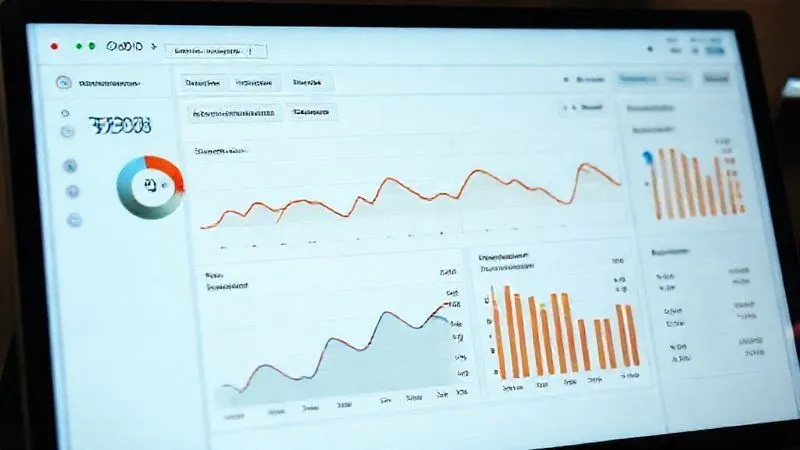
Look for content that is thin, outdated, or merely reiterates information found elsewhere. Content that lacks original photography, personal anecdotes, or a distinct voice often struggles. Consider the user intent: if someone is searching for 'family-friendly activities in Rome,' does your post genuinely guide them through the experience, offering practical tips for parents with kids of different ages, or is it just a generic list?
Step 3: Define Your Content Strategy Post-Audit
Based on your evaluation, categorize each piece of content. This systematic approach ensures you allocate your resources effectively.
| Content Type | Action | Example |
|---|---|---|
| High-Performing | Update & Promote | Evergreen travel guides, high engagement posts. Ensure accuracy, add fresh insights. |
| Underperforming (High Potential) | Rewrite & Optimize | Outdated destination reviews, posts with good topics but thin content. Expand, add E-E-A-T. |
| Low Quality/Irrelevant | Noindex or Remove | Thin content, short posts, topics no longer relevant to your niche. Consolidate or delete. |
Prioritize updating and rewriting content that has high potential but underperformed. These are often articles where you have the experience but perhaps didn't fully articulate it or structure the content for optimal readability and depth. Remember, quality over quantity is paramount in this recovery phase.
Rebuilding E-E-A-T: Your Authority as a Family Travel Expert
Google wants to rank content from credible sources. For family travel bloggers, this means proving you're not just a writer, but a genuine traveler and an authority on the experiences you share. Rebuilding E-E-A-T is foundational to regaining lost family travel blog traffic.
Showcasing Your Experience
- Personal Anecdotes & Stories: Weave in more personal stories, challenges, and triumphs from your family's travels. Readers connect with authenticity. Don't just list facts; describe the feeling of watching your child see the Eiffel Tower for the first time.
- Original Photography & Video: Use your own high-quality photos and videos. This visually demonstrates your experience and makes your content unique. Stock photos, while convenient, don't convey personal experience.
- Detailed Itineraries & Practical Tips: Offer genuinely useful, granular advice that only someone who has done the trip could provide – e.g., the best stroller-friendly routes, specific snack strategies for long flights, or hidden gems only locals know.
Demonstrating Expertise
Beyond personal experience, expertise means having a deep understanding of the broader travel landscape. This could involve knowing about visa requirements, travel insurance, packing hacks, or child psychology on trips.
- Author Bios: Ensure your author bios (and those of any guest contributors) are prominent and clearly state your travel experience, credentials, and passion for family travel. Link to your 'About Us' page which should elaborate further.
- Guest Posts & Collaborations: Seek opportunities to write for other reputable family travel sites or collaborate with experts in related fields (e.g., child psychologists on travel anxiety, pediatricians on travel health). This cross-pollinates authority.
- Citations & References: When discussing health, safety, or legal aspects of travel, cite reputable sources like official government travel advisories or medical organizations. This builds trust. According to a study published in Harvard Business Review, transparency and reliability are key components of building trust.
Google is looking for signals that you are the best possible source for the information you're providing. Make it unequivocally clear that you've lived these experiences and possess the knowledge to guide others effectively.
Technical SEO Deep Dive: Fixing the Foundation
Even the most compelling content can fail if your website's technical foundation is shaky. Google core updates increasingly consider technical aspects as part of the overall user experience. This isn't about fancy coding; it's about ensuring your site is fast, accessible, and easily understood by search engines.
Core Web Vitals & Page Experience
Google has made Core Web Vitals a significant ranking factor. These metrics measure real-world user experience for loading performance, interactivity, and visual stability.
- Largest Contentful Paint (LCP): How long it takes for the main content of a page to load. Optimize images, use efficient hosting, and consider a CDN.
- First Input Delay (FID): The time from when a user first interacts with your page (e.g., clicking a link) to when the browser is actually able to respond. Minimize JavaScript execution.
- Cumulative Layout Shift (CLS): How much unexpected layout shift occurs during the loading phase. Ensure elements load stably to prevent frustrating user experiences.

Mobile-Friendliness and Responsive Design
A significant portion of family travel planning happens on mobile devices. Your blog MUST be fully responsive and provide an excellent experience on smartphones and tablets. Use Google's Mobile-Friendly Test to identify and fix any issues.
Site Speed Optimization
Slow sites deter users and search engines. Compress images, leverage browser caching, minify CSS/JavaScript, and choose a reliable hosting provider. Every millisecond counts.
Schema Markup for Travel Content
Schema markup (structured data) helps Google understand the context of your content. For family travel blogs, this can include review schema for accommodations, event schema for local festivals, or article schema for blog posts. Implementing this correctly can lead to rich results in SERPs, increasing visibility and click-through rates. Refer to Google's structured data guidelines for travel for specific implementations.
Regularly audit your site for broken links, crawl errors, and duplicate content using Google Search Console. A technically sound website is the bedrock upon which your E-E-A-T and content strategy can truly shine.
Strategic Keyword Research & Content Refresh: Targeting the Right Audience
Even with excellent content and a robust technical foundation, if you're not targeting the right keywords, your efforts to regain lost family travel blog traffic will be in vain. Post-update, it's crucial to re-evaluate your keyword strategy and refresh existing content.
Re-evaluating Your Keyword Strategy
Google's understanding of user intent evolves. What families searched for last year might be phrased differently today, or new concerns might have emerged. Conduct fresh keyword research with tools like Ahrefs, Semrush, or even Google's own Keyword Planner.
- Focus on Long-Tail Keywords: These are more specific, often question-based phrases (e.g., "best toddler-friendly activities in Yellowstone in fall" instead of just "Yellowstone family trip"). They indicate clearer user intent and often have less competition.
- Analyze Competitors: See what keywords your top-ranking competitors are targeting. Are there gaps you can fill? Can you create more comprehensive content around those topics?
- Leverage 'People Also Ask' & Related Searches: These sections in Google's SERPs are goldmines for understanding what users truly want to know. Incorporate these questions and answers into your content.
Refreshing Existing Content
Don't just publish new posts; breathe new life into your existing content. This is often where I see the quickest wins for family travel bloggers.
- Update for Freshness: Ensure all information (prices, opening hours, recommendations) is current. Outdated content signals lower quality to Google.
- Expand & Deepen: If a post is thin, expand it. Add more personal anecdotes, practical tips, new sections addressing related questions, or even embed relevant videos. Aim for comprehensive coverage of the topic.
- Optimize for New Keywords: Integrate newly discovered long-tail keywords naturally into your refreshed content, especially in headings and subheadings.
- Improve Readability: Break up long paragraphs, use bullet points and numbered lists, and add more engaging subheadings. A well-structured, easy-to-read article keeps users on the page longer.
A content refresh isn't just about SEO; it's about providing continuous value to your readers. An evergreen post on 'Packing List for a Family Cruise' should be regularly updated to reflect new travel gear, airline restrictions, or cruise line policies. This commitment to accuracy and depth builds trust with both your audience and Google.
By strategically updating and optimizing your existing content for current keyword trends and user intent, you demonstrate to Google that your blog is a living, evolving resource committed to providing the best information for families.
Cultivating a Strong Backlink Profile: Earning Trust and Authority
Backlinks – links from other reputable websites to yours – are still a critical signal of authority and trustworthiness to Google. After a core update, a strong, natural backlink profile can significantly aid in regaining lost family travel blog traffic. It’s essentially other sites vouching for your content.
Ethical Link Building Strategies
Forget manipulative tactics; focus on earning genuine links through valuable content and relationships.
- Create Link-Worthy Content: Develop unique, data-rich guides, comprehensive itineraries, or heartwarming travel stories that other family travel sites, local tourism boards, or parenting blogs would naturally want to link to. Think about 'ultimate guides' or 'resource hubs' that become go-to references.
- Broken Link Building: Find broken links on high-authority sites within your niche. Contact the webmaster, inform them of the broken link, and suggest your relevant content as a replacement. It’s a win-win.
- Guest Posting: Offer to write high-quality, original content for other respected family travel or parenting blogs. In return, you’ll typically get a contextual backlink in your author bio or within the content itself. Ensure these are genuine opportunities, not just link farms.
- Expert Roundups & Interviews: Participate in expert roundups or offer yourself for interviews on podcasts or other blogs. These often result in mentions and links back to your site.
- Digital PR: If you have a unique story, data, or travel insight, consider reaching out to travel journalists or local news outlets. A feature can generate powerful editorial links.
Always prioritize quality over quantity. A few authoritative, relevant links are far more valuable than dozens of spammy ones. Focus on sites that genuinely align with your niche and audience. For a deeper dive into effective strategies, I highly recommend checking out Ahrefs' comprehensive guide to link building.
Building a strong backlink profile is a marathon, not a sprint. It requires consistent effort, relationship building, and a commitment to producing content that naturally attracts links. However, the long-term benefits in terms of authority and organic visibility are undeniable.
Enhancing User Experience (UX) & Engagement: Keep Them Coming Back
Google’s core updates increasingly prioritize user experience. If users land on your family travel blog and quickly bounce because it’s hard to navigate, visually unappealing, or slow, that’s a negative signal. A great UX keeps visitors engaged, reduces bounce rates, and encourages repeat visits – all factors that indirectly signal quality to Google and help regain lost family travel blog traffic.
Intuitive Site Navigation and Internal Linking
Think like a tired parent trying to plan a trip. Is your navigation clear and logical? Can they easily find categories like 'Destination Guides,' 'Travel Tips with Kids,' or 'Packing Hacks'? Use clear, descriptive menu labels. Additionally, implement robust internal linking. Link relevant posts together naturally within your content. This not only helps users discover more of your valuable content but also helps Google understand the relationship between your articles, distributing 'link juice' throughout your site.
Visual Appeal and Readability
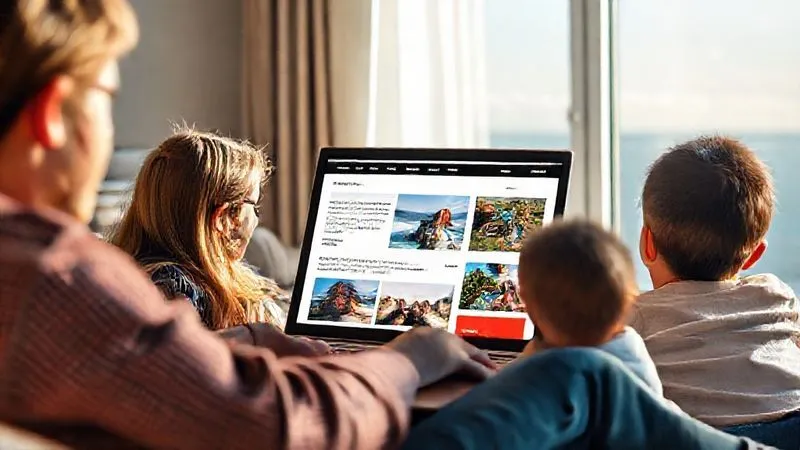
Family travel blogs thrive on visuals. Use high-quality, inspiring images and videos. Break up text with subheadings, bullet points, and short paragraphs. Avoid dense walls of text. Choose readable fonts and ensure sufficient contrast between text and background. A clean, uncluttered design allows your content to shine.
Interactive Elements & Community Building
Engage your audience beyond passive reading. Consider adding:
- Comment Sections: Actively respond to comments to foster a sense of community.
- Polls & Quizzes: "Which family travel destination is next for you?" or "What's your family travel style?" can be fun and insightful.
- Email List: Encourage sign-ups for exclusive tips or updates. This provides a direct channel to your audience, reducing reliance on search engines.
- Social Media Integration: Make it easy for readers to share your content.
Case Study: The "Wanderlust Family Adventures" Recovery
Consider the fictional blog, "Wanderlust Family Adventures." After a significant Google core update, their organic traffic plummeted by 40%, leaving blogger Sarah disheartened. Her content was good, but her site suffered from slow loading times, poor mobile responsiveness, and a lack of clear E-E-A-T signals. She implemented a comprehensive UX and technical audit, focusing on Core Web Vitals, optimizing images, and restructuring her navigation to be more intuitive for parents. She also updated her author bio with her extensive travel history and integrated more personal storytelling into her posts.
| Metric | Before Update | After Implementation |
|---|---|---|
| Organic Traffic | -40% | +25% (over 6 months) |
| Avg. Page Session | 1:30 min | 3:10 min |
| Bounce Rate | 75% | 45% |
Within six months, "Wanderlust Family Adventures" not only recovered its lost traffic but saw an additional 25% growth, accompanied by a dramatic improvement in user engagement metrics. This case vividly illustrates that a holistic approach, prioritizing both technical excellence and user-centric content, is key to sustainable recovery.
Monitoring & Adapting: The Ongoing Journey of Recovery
Regaining lost family travel blog traffic after a Google core update isn't a one-time fix; it's an ongoing process of monitoring, analyzing, and adapting. Google's algorithms are constantly evolving, and so should your strategy.
Leveraging Google Analytics & Search Console
These two free tools are your best friends in understanding your recovery journey:
- Google Analytics: Regularly track your organic traffic, bounce rate, average session duration, and conversion rates (e.g., email sign-ups, affiliate clicks). Monitor these metrics for individual posts you've updated. Look for trends. Are users spending more time on your site? Are they visiting more pages?
- Google Search Console: This is invaluable for understanding how Google sees your site. Check for:
- Performance Reports: Track impressions, clicks, CTR, and average position for your target keywords. Identify which keywords are recovering and which still need work.
- Coverage Reports: Ensure all your important pages are indexed and identify any crawl errors.
- Core Web Vitals Report: Continuously monitor your site's performance against these crucial metrics.
- Manual Actions: Check if your site has received any manual penalties (though highly unlikely for core update impacts).
Pay close attention to changes in search queries and user behavior. Are new questions emerging related to family travel? Are certain destinations gaining or losing popularity? This data should feed back into your content strategy. Google Analytics 4, while different, provides deeper insights into user journeys, making it essential to learn and use. You can find more information on Google Analytics 4 on Google's official blog.
The Importance of Iterative Improvements
Think of your recovery as a series of small, continuous improvements. After implementing a change (e.g., updating a set of articles, fixing technical issues), give it time (weeks, sometimes months) for Google to re-crawl and re-evaluate. Don't panic if you don't see immediate results. Then, analyze the impact of that change and plan your next steps. This iterative approach allows you to learn what works best for your specific audience and niche.
Stay informed about SEO news and Google announcements, but don't chase every fad. Focus on the fundamentals: high-quality, E-E-A-T-rich content, excellent user experience, and a technically sound website. By consistently monitoring your performance and adapting your strategies, you'll not only recover your lost traffic but build a more robust, future-proof family travel blog.
Frequently Asked Questions (FAQ)
How long does it typically take to recover lost traffic after a Google core update? Recovery timelines vary significantly. It can take anywhere from a few weeks to several months, or even longer, depending on the severity of the impact, the number of changes you implement, and how quickly Google re-crawls and re-evaluates your site. Patience and consistent effort are key.
Should I delete old content that performed poorly after the update? Not necessarily. First, conduct a thorough content audit. If content is truly low-quality, outdated, or irrelevant with no potential for improvement, then deleting or no-indexing it might be appropriate. However, often, underperforming content can be significantly improved through refreshing, expanding, and optimizing, which is usually a better strategy than outright deletion.
Is AI-generated content helping or hurting family travel blogs in the post-update era? Google's stance is that AI content is acceptable if it's helpful, high-quality, and created for people, not just for search engines. However, purely AI-generated content often lacks the personal experience, unique voice, and E-E-A-T signals that Google now heavily values, especially in niches like family travel. Use AI as a tool for brainstorming or outlining, but ensure all published content is infused with human experience, expertise, and a unique perspective.
How often do Google core updates happen, and how should I prepare for future ones? Google typically rolls out several core updates per year, often every few months. You can't 'prepare' for them in the traditional sense, as they are broad algorithmic shifts. The best preparation is a continuous commitment to Google's core principles: creating high-quality, E-E-A-T-rich, user-centric content, maintaining a technically sound website, and providing an excellent user experience. If you consistently adhere to these, you'll be more resilient to future updates.
What's the single most important action I can take right now? While many factors contribute to recovery, the most critical immediate action is a comprehensive content audit focused on E-E-A-T. Identify your core value proposition, understand where your content falls short in demonstrating experience and expertise, and prioritize updating or rewriting those high-potential articles. This directly addresses the heart of what Google's core updates typically target.
Key Takeaways and Final Thoughts
- Embrace E-E-A-T: Your personal experience, expertise, authority, and trustworthiness are your most valuable assets. Showcase them relentlessly.
- Prioritize Quality Over Quantity: A few exceptional, comprehensive articles will always outperform dozens of thin, generic ones.
- Technical Excellence is Non-Negotiable: A fast, mobile-friendly, and error-free website is the foundation of good UX and SEO.
- Content Audit & Refresh: Systematically review and update your existing content to meet modern quality standards and user intent.
- Build Genuine Authority: Earn high-quality backlinks and foster a strong community around your blog.
- Monitor & Adapt: Use data from Google Analytics and Search Console to continuously refine your strategy.
Regaining lost family travel blog traffic after a Google core update is a challenging but entirely achievable endeavor. It demands a strategic, data-driven approach coupled with a deep commitment to your audience and your passion for family travel. Think of this not as a setback, but as an opportunity to refine your craft, strengthen your platform, and emerge even more resilient and authoritative. By focusing on genuine value, expert insights, and an unparalleled user experience, your family travel blog can not only recover but truly thrive, inspiring countless more families on their adventures.
Recommended Reading
- Solo Travel Emergency Abroad? Your 7-Step Recovery Blueprint
- Uncover the Overlooked Essentials You Need for Your Next Road Trip Adventure
- Unlock the Secrets: How to Plan the Perfect Après Ski Evening on a Budget
- 7 Steps: How to Pick a Fitness Retreat Guaranteeing Executive Burnout Recovery?
- 5 Proven Strategies: Monetizing Niche Food Travel Workshops for Profit




Your email address will not be published. Required fields are marked *