


How Do Travel Agents Handle Client Complaints from Low Water River Cruise Diversions?
For over two decades in the travel industry, specifically navigating the intricate world of cruise travel, I've witnessed firsthand the profound impact of unexpected disruptions. Few scenarios test a travel agent's mettle quite like a river cruise diversion due to low water levels, transforming a dream vacation into a logistical nightmare for both client and agent.
The pain point here is palpable: clients invest significant time, money, and emotional energy into their river cruise, only to face itinerary changes, bus transfers, or even cancellations. Their frustration, disappointment, and sometimes anger are understandable, and how a travel agent responds in these moments is not just about damage control; it's about safeguarding their reputation, client trust, and future business.
In this definitive guide, I'll share the frameworks, actionable steps, and expert insights I've honed over years of experience. You'll learn not just to react, but to proactively manage expectations, master empathetic communication, and turn a potential crisis into an opportunity to demonstrate unparalleled service when clients ask, 'How do travel agents handle client complaints from low water river cruise diversions?'
Understanding the Unpredictable: The Nature of River Cruise Diversions
River cruises offer an intimate, culturally immersive experience that ocean cruises simply cannot replicate. Clients are drawn to the scenic banks, historic towns, and the gentle pace of travel. However, this unique charm comes with an inherent vulnerability: dependence on natural river levels.
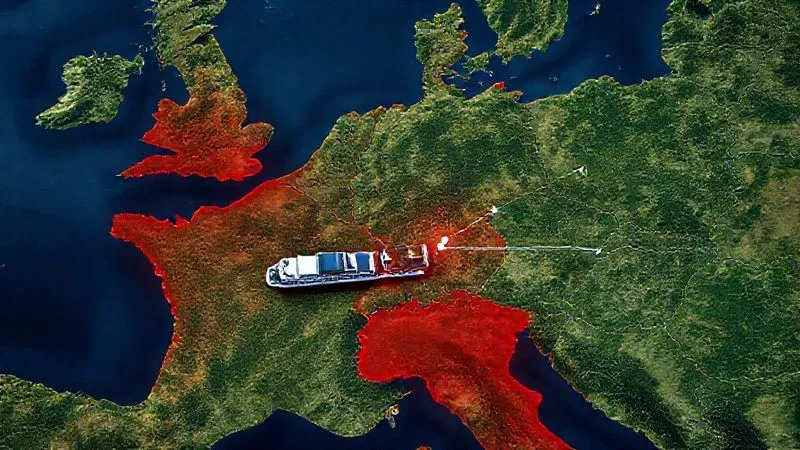
Climate change and unpredictable weather patterns have made low water levels an increasingly common challenge, particularly on major European rivers like the Danube, Rhine, and Elbe. Droughts, prolonged dry spells, or even unseasonably warm winters can significantly impact navigability, forcing cruise lines to alter itineraries, swap ships, or resort to bus transfers.
As agents, we must recognize that these diversions are not a matter of 'if,' but 'when.' They are an operational reality for river cruise lines, and understanding their causes and the limitations they impose is crucial for effective client communication and complaint resolution. It's not about blame; it's about preparedness and professional response.
Proactive Communication: The First Line of Defense
The cornerstone of effective complaint handling for low water river cruise diversions begins long before any problem arises: it's about setting realistic expectations. In my experience, many complaints stem from a mismatch between client expectations and the inherent realities of river travel.
As an expert, I've seen clients become far less distressed when they've been adequately prepared for potential scenarios. This isn't about scaring them; it's about empowering them with knowledge, building trust, and demonstrating your comprehensive understanding of the product.
Educating Clients Before Booking
- Transparently Discuss River Volatility: Explain that river levels are natural and can fluctuate. Mention that while cruise lines do their best, diversions are a possibility, especially during certain seasons.
- Review Terms & Conditions: Highlight the specific clauses in the cruise line's booking conditions related to itinerary changes, low water levels, and the cruise line's remedies. Encourage clients to read them thoroughly.
- Explain Cruise Line Policies: Detail what the cruise line typically offers in case of diversions (e.g., bus transfers, alternative excursions, partial refunds, future cruise credits).
- Recommend Travel Insurance: Strongly advise purchasing comprehensive travel insurance that covers trip interruption, cancellation due to unforeseen circumstances, and medical emergencies. Explain how it can mitigate financial loss.
- Provide a 'What If' Scenario: Briefly walk them through a hypothetical diversion scenario and how it might be handled, reinforcing that you will be their advocate.
| Pre-Booking Discussion Point | Key Information to Convey | Client Benefit |
|---|---|---|
| River Level Volatility | Explain natural fluctuations, potential for diversions. | Sets realistic expectations, reduces shock. |
| Cruise Line T&Cs | Highlight relevant clauses on itinerary changes. | Informs client of contractual agreements. |
| Typical Remedies | Outline bus transfers, alternative excursions, credits/refunds. | Prepares client for potential solutions. |
| Travel Insurance | Strongly recommend comprehensive policy covering disruptions. | Protects financial investment and peace of mind. |
Immediate Response & Information Gathering When a Diversion Occurs
Once a low water diversion is announced, your role shifts from proactive education to reactive, yet controlled, crisis management. Speed and accuracy of information are paramount. Clients will be looking to you for answers, reassurance, and solutions.
My first rule of thumb is always to gather all available facts before communicating extensively. Speculation only fuels anxiety. You need to be the calm, informed voice amidst the storm.
- Contact the Cruise Line Immediately: As soon as you are notified (or even if you hear rumors), reach out to your cruise line representative. Get the official statement, the exact nature of the diversion, the alternative arrangements, and any compensation being offered.
- Understand the Logistics: Clarify details like bus departure times, duration of transfers, alternative hotel arrangements (if any), and how luggage will be handled. Understand the revised itinerary day-by-day.
- Assess Client Impact: Consider how the diversion specifically affects your client's unique situation. Do they have mobility issues? Are they on a tight schedule? This insight will help tailor your communication and potential solutions.
- Document Everything: Keep a meticulous record of all communications with the cruise line and your clients. Dates, times, names, and key points of discussion are invaluable for future reference.

Crafting Empathy: Communicating with Upset Clients
This is where the human element of your expertise truly shines. When clients are upset, they don't just want facts; they want to feel heard, understood, and supported. Your communication strategy must be steeped in empathy.
As Harvard Business Review often emphasizes, empathy is not just a soft skill; it's a critical business tool that builds loyalty and trust, especially during challenging times. I've found that a structured approach to empathetic communication can diffuse tension remarkably quickly.
"In moments of crisis, your clients don't remember what you said as much as how you made them feel. Empathy isn't just a response; it's a strategic investment in client loyalty."
The A.P.O.L.O.G.Y. Framework
- Acknowledge: Start by acknowledging their feelings. "I understand this news is incredibly disappointing, and I'm truly sorry you're experiencing this disruption."
- Personalize: Refer to their specific cruise and situation. "I know how much you were looking forward to seeing the castles along the Rhine."
- Offer Sympathy: Express genuine regret for the inconvenience. "It's truly frustrating when plans change, especially on a much-anticipated vacation."
- Listen: Allow them to express their frustrations fully without interruption. Practice active listening.
- Outline Solutions: Once they've vented, present the facts and available solutions clearly and calmly. "Here's what the cruise line has announced, and these are the options we have."
- Guide: Help them navigate their choices. "Based on what you've told me, option A seems to align best with your preferences."
- Your Commitment: Reiterate your ongoing support. "Please know that I'm here to assist you every step of the way."
Navigating Solutions: Options and Negotiations
Once you've empathetically communicated with your client, the next critical step is to present and, if necessary, negotiate solutions. This requires a deep understanding of what the cruise line is offering and what additional leverage you might have as an agent.
Remember, while the cruise line has its policies, your expertise and relationship with them can sometimes open doors to better outcomes for your clients. This is where your value as an experienced agent truly shines.
Case Study: The Danube Diversion Dilemma
Problem: Mr. and Mrs. Johnson booked a premium Danube river cruise, specifically for a segment known for its scenic cruising. Three days before departure, low water levels forced a diversion, replacing two days of cruising with extensive bus transfers between cities. The Johnsons were distraught, feeling their 'cruise' experience was lost.
Agent's Approach: Their travel agent, Sarah, immediately contacted the cruise line, confirming their standard offer of a 25% future cruise credit. Sarah then called the Johnsons, using the A.P.O.L.O.G.Y. framework, allowing them to express their disappointment. She learned their primary concern was the loss of the scenic cruising experience, not just the inconvenience.
Solution: Sarah then re-engaged the cruise line, explaining the Johnsons' specific disappointment regarding the scenic segment. Leveraging her relationship and the Johnsons' loyalty history, she negotiated an additional onboard credit for their current trip to offset the bus transfer discomfort and a 50% future cruise credit (instead of 25%) towards a different itinerary, perhaps an ocean cruise, where scenic cruising wouldn't be weather-dependent. She also suggested they consider an alternative river cruise in a region less prone to low water issues at specific times of year.
Outcome: The Johnsons, though initially upset, felt heard and valued. They accepted the offer, enjoyed the parts of their revised trip, and booked a new ocean cruise with Sarah for the following year, reaffirming their trust and loyalty.
| Compensation Type | Description | Pros | Cons |
|---|---|---|---|
| Partial Refund | A percentage of the cruise fare returned, often based on affected days/services. | Immediate financial relief. | May not fully compensate for lost experience. |
| Future Cruise Credit (FCC) | Credit towards a future booking with the same cruise line. | Encourages re-booking, often higher value. | Ties client to one cruise line, may have expiry. |
| Onboard Credit (OBC) | Credit for use on the current cruise (e.g., drinks, excursions). | Enhances current trip experience. | Doesn't address fundamental itinerary change. |
| Alternative Itinerary/Ship Swap | Cruise line offers a different ship or altered route. | Maintains 'cruise' aspect. | May not be what client originally wanted. |
| Enhanced Excursions | Offer of premium or additional land excursions to compensate. | Adds value to the land portion. | Doesn't replace water-based experience. |
When presenting options, always frame them positively, focusing on what can be done. For instance, instead of saying, "You'll have to take a bus," say, "The cruise line has arranged comfortable motorcoach transfers, allowing you to still visit [city] and experience [attraction]." This subtle shift in language can significantly impact client perception.
Beyond the Immediate: Restoring Trust and Future Bookings
Handling the immediate crisis of 'How do travel agents handle client complaints from low water river cruise diversions?' is crucial, but true expertise extends beyond the initial resolution. It's about nurturing the client relationship for the long term, transforming a negative experience into a testament to your exceptional service.
A disruption, handled poorly, can mean a lost client forever. Handled exceptionally, it can forge an unbreakable bond of trust. According to a Forbes article on customer service during a crisis, proactive communication and empathetic responses are key to retaining customers.
Always follow up with your clients after they return home. A simple phone call or email asking about their overall experience, despite the challenges, shows you care. This is your opportunity to solicit feedback and demonstrate that their satisfaction remains your priority.
If appropriate, and if the client expresses interest, gently introduce future travel ideas that might mitigate similar risks or offer different experiences. Perhaps suggest an ocean cruise for their next trip, or a river cruise in a different season or region known for more consistent water levels. This shows you've learned from their experience and are proactively planning for their future happiness.
Leveraging Technology for Crisis Management
In today's fast-paced world, technology isn't just a convenience; it's an indispensable tool for managing client expectations and communications during disruptions. As an experienced agent, I rely heavily on robust systems to streamline my response.
Utilize your CRM (Customer Relationship Management) system to log all client communications, cruise line updates, and proposed solutions. This creates a single source of truth, invaluable for tracking complex situations and ensuring consistency in your messaging.
Consider using email templates for initial announcements of diversions, ensuring all key information is conveyed clearly and consistently. However, always follow up with a personalized phone call, as human connection is irreplaceable during times of stress. Some advanced booking platforms also offer automated alerts or direct communication channels with cruise lines, which can shave precious minutes off response times.
The Legal and Ethical Landscape of Diversions
As agents, we operate within a framework of legal obligations and ethical responsibilities. Understanding the 'fine print' is not just about protecting yourself, but about accurately advising your clients.
Cruise line contracts of carriage are legally binding documents. While they almost universally grant the cruise line the right to alter itineraries due to unforeseen circumstances like low water, it's crucial to understand the extent of their liability and the remedies they are contractually obligated to provide. Familiarize yourself with these terms for every cruise line you represent.
"Our ethical responsibility as travel agents extends beyond simply booking a trip. It encompasses advocating for our clients' best interests, even when the unforeseen occurs, and ensuring they are treated fairly within the bounds of industry standards and legal agreements."
Furthermore, be aware of consumer protection laws in your region or the client's region that might apply. While river cruises are generally less regulated than airlines, understanding basic consumer rights can help you navigate more complex complaint scenarios. Always strive for a resolution that is fair, reasonable, and upholds your professional integrity, demonstrating why you are their trusted advisor.
For more insights into industry standards and ethical practices, consider resources from organizations like the American Society of Travel Advisors (ASTA).
Frequently Asked Questions (FAQ)
Q: What is the typical compensation for a low water river cruise diversion? A: Compensation varies significantly by cruise line and the severity of the disruption. It can range from partial refunds for missed segments, onboard credits for current or future cruises, or future cruise credits (FCCs). Some lines might offer alternative land tours or hotel stays. There isn't a single 'typical' amount, but generally, the more significant the impact on the itinerary, the higher the compensation.
Q: Can clients cancel their trip without penalty if a diversion is announced before departure? A: This depends entirely on the cruise line's specific policy and the timing of the diversion announcement relative to the departure date. If the cruise line offers a 'significant' itinerary change (often defined in their T&Cs), they might allow penalty-free cancellation. However, minor changes, like a single port swap, might not trigger this right. Travel insurance can be crucial here.
Q: How does travel insurance typically cover low water diversions? A: Comprehensive travel insurance policies often include 'trip interruption' or 'trip delay' coverage. If a diversion causes a significant delay or forces you to miss pre-paid excursions, the insurance might cover non-refundable expenses or provide compensation for lost time. However, it usually won't cover disappointment for a changed itinerary if the cruise still proceeds. Clients should always review their specific policy details and limitations with their insurance provider.
Q: Should I advise clients to avoid river cruises during specific seasons due to low water risk? A: While river levels are unpredictable, some seasons historically carry higher risks. Late summer and early autumn often see lower water levels on European rivers due to less rainfall and higher evaporation. Conversely, spring can sometimes bring high water from snowmelt. I always advise my clients to be aware of the seasonality and discuss their risk tolerance. Opting for shoulders seasons or cruises with fewer locks might also be considerations, but no season is entirely immune.
Q: What if the client is still completely unsatisfied after all options are presented? A: After exhausting all reasonable options with the cruise line and your own advocacy, and if the client remains unsatisfied, it's important to manage expectations about further recourse. Reiterate that you've presented all available solutions. Advise them on how to file a formal complaint directly with the cruise line (if they wish) or pursue a claim through their travel insurance. Maintain professionalism and offer to assist with documentation, even if you can't offer further direct solutions.
Key Takeaways and Final Thoughts
Navigating the complexities of low water river cruise diversions is undeniably one of the most challenging aspects of a travel agent's role. Yet, it's also where your true value, expertise, and dedication to client service can shine brightest. Remember these critical takeaways:
- Proactive transparency is your strongest defense against complaints. Set realistic expectations from the start.
- Rapid and accurate information gathering empowers you to respond effectively.
- Empathetic communication is non-negotiable. Listen, acknowledge, and validate your client's feelings.
- Master the available solutions and advocate fiercely for your clients within the cruise line's policies.
- Leverage technology to streamline processes and maintain comprehensive records.
- Prioritize long-term client relationships through diligent follow-up and continued support.
In my journey through the travel industry, I've seen that the true measure of an expert isn't just in making a sale, but in how gracefully and effectively they handle the inevitable bumps along the road. By embracing these strategies, you won't just handle client complaints from low water river cruise diversions; you'll transform challenging situations into opportunities to solidify your reputation as an indispensable, trusted travel advisor. Your clients deserve nothing less, and your business will thrive because of it.
Recommended Reading
- 7 Pro Strategies: Elevating Challenging Street Food for Travel Pubs?
- 7 Strategies: Securing Elite Panoramic Train Views for High-End Clients
- Surf & Zoom: 7 Global Spots Offering Reliable Remote Work Connectivity
- Unlock Your Adventure: How to Prepare for an Immersive Cultural Trip!
- Shore Excursion Canceled? 7 Expert Steps to Salvage Your Cruise Day




Your email address will not be published. Required fields are marked *