

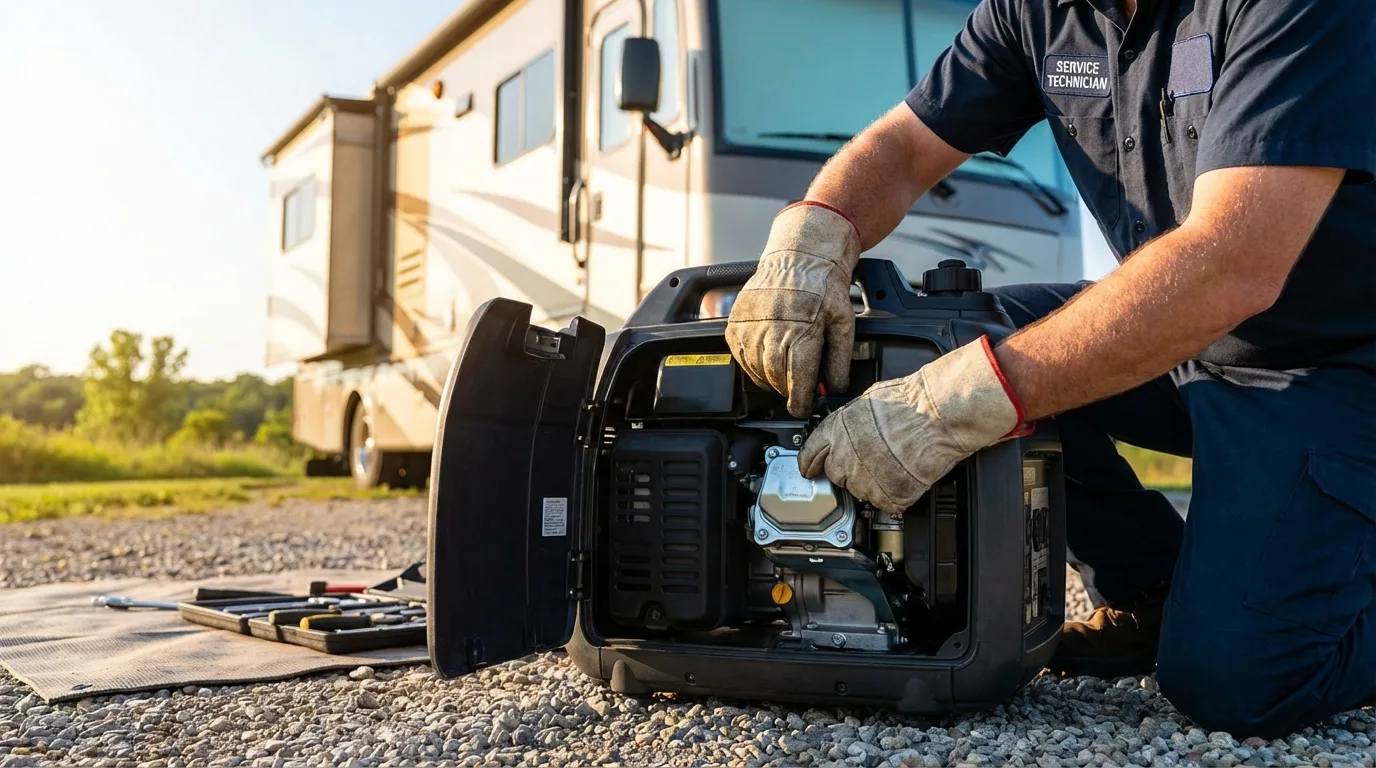
Ensuring a Smooth Ride: My RV Generator Journey
There’s nothing quite like the open road, the freedom to explore, and the comfort of your own RV. However, that comfort hinges on a reliable power source, and for many RVers, that means a generator. I've learned this firsthand. A sputtering generator in the middle of nowhere can quickly turn a dream vacation into a frustrating ordeal. Over the years, I've faced my share of generator hiccups, and through those experiences, I've developed a solid understanding of how to prevent them.
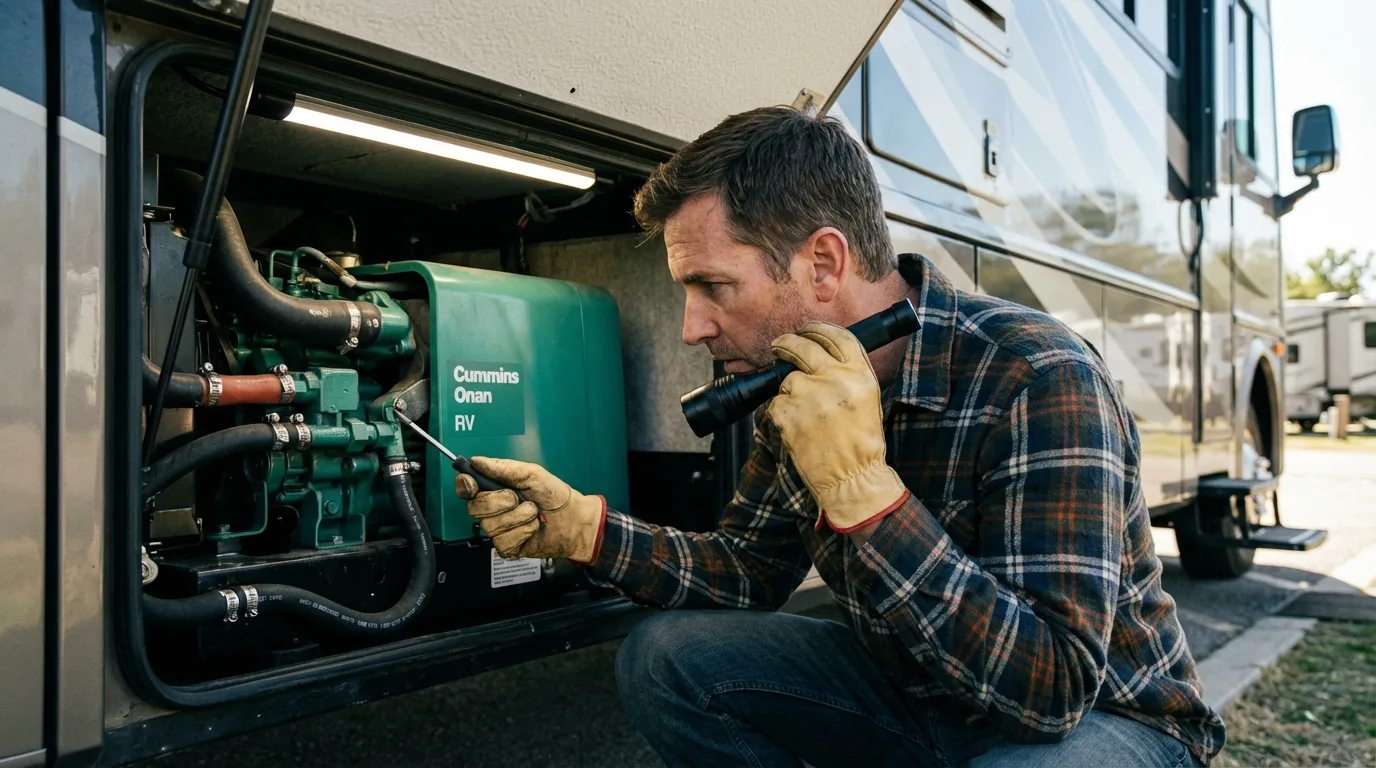
One particular trip still stands out. In 2018, I was traveling through the Mojave Desert with my family in our 32-foot Winnebago Adventurer. We were relying on our Onan 4000 generator to power the air conditioning. After a long day of driving, we set up camp, only to find that the generator would start but quickly shut down. It was over 100°F, and the kids were not happy. After some troubleshooting and a call to a local RV mechanic (thank goodness for cell service!), I learned a valuable lesson about fuel stabilizers and proper maintenance. Since then, I've become diligent about preventative care, and I’m sharing my insights to help you avoid similar situations.
This guide will walk you through the essential steps to keep your RV generator humming happily throughout your road trip. From regular maintenance to smart usage habits, we’ll cover everything you need to know.
Essential RV Generator Maintenance Tips
Regular maintenance is the cornerstone of a reliable RV generator. Neglecting these tasks can lead to costly repairs and unexpected breakdowns. Here’s a checklist to keep your generator in top shape:
- Oil Changes: Just like your vehicle's engine, your generator needs regular oil changes. Consult your generator's manual for the recommended oil type and change intervals.
- Air Filter Cleaning/Replacement: A dirty air filter restricts airflow, reducing performance and potentially damaging the engine. Clean or replace the air filter as needed.
- Spark Plug Inspection/Replacement: Faulty spark plugs can cause starting problems and misfires. Inspect and replace them according to the manufacturer's recommendations.
- Fuel Filter Replacement: A clogged fuel filter can starve the engine of fuel, leading to stalling and starting issues. Replace the fuel filter at the recommended intervals.
- Exercise the Generator: Letting your generator sit unused for extended periods can cause fuel to degrade and clog the carburetor. Run your generator for at least 30 minutes every month, even when you're not on the road.
Fuel: The Lifeblood of Your RV Generator
The quality and condition of your fuel play a critical role in your generator's performance. Here’s what you need to know:
- Use Fresh Fuel: Gasoline can degrade over time, especially when exposed to air and moisture. Avoid using fuel that has been sitting in your tank for more than a few months.
- Add Fuel Stabilizer: If you know your RV will be sitting for a while, add a fuel stabilizer to prevent fuel degradation. Brands like Sta-Bil and Sea Foam are popular choices.
- Avoid Ethanol-Blended Fuel: Ethanol can absorb water, leading to corrosion and other problems. If possible, use ethanol-free gasoline, especially for long-term storage.
- Check Fuel Lines and Connections: Inspect fuel lines and connections for leaks or damage. Replace any worn or cracked components.
Understanding RV Generator Load Management
Overloading your generator is a surefire way to cause problems. Here’s how to manage your power consumption effectively:
- Know Your Generator's Capacity: Determine the maximum wattage your generator can handle. This information is usually found on a sticker on the generator or in the owner's manual.
- Calculate Your Power Needs: List all the appliances and devices you plan to use simultaneously and add up their wattage requirements.
- Prioritize Power Usage: Decide which appliances are essential and which can be used sparingly. Avoid running high-wattage appliances like air conditioners, microwaves, and electric heaters at the same time.
- Use Energy-Efficient Appliances: Consider switching to LED lighting and energy-efficient appliances to reduce your power consumption.
RV Generator Starting and Operation Procedures
Proper starting and operating procedures can extend the life of your generator and prevent unnecessary wear and tear. Follow these guidelines:
- Warm-Up Period: Allow the generator to warm up for a few minutes before applying a heavy load.
- Avoid Starting Under Load: Turn off all appliances before starting the generator.
- Regularly Check Voltage and Frequency: Use a multimeter to check the voltage and frequency output of the generator. Ensure they are within the specified ranges.
- Listen for Unusual Noises: Pay attention to any unusual noises or vibrations coming from the generator. These could be signs of a problem.
Troubleshooting Common RV Generator Issues
Even with the best maintenance, problems can still arise. Here are some common issues and how to address them:
| Problem | Possible Cause | Solution |
|---|---|---|
| Generator won't start | Low fuel, dead battery, faulty spark plug | Refuel, charge/replace battery, replace spark plug |
| Generator starts but shuts down | Overload, low oil level, overheating | Reduce load, add oil, allow to cool |
| Generator runs rough | Dirty air filter, clogged fuel filter, bad fuel | Clean/replace air filter, replace fuel filter, use fresh fuel |
| Generator produces low voltage | Overload, faulty voltage regulator | Reduce load, replace voltage regulator |
Source: author's experience, supplemented by Onan Generator Handbook
The Importance of Regular RV Generator Servicing
While many maintenance tasks can be done yourself, it’s essential to have your generator professionally serviced at least once a year. A qualified technician can perform a thorough inspection, identify potential problems, and make necessary adjustments. During the summer of 2022, after experiencing some minor fluctuations in voltage with my Generac GP3000iS inverter generator while camping in Colorado (running at approximately 7,000 feet altitude), I took it in for servicing. The technician found that the carburetor needed cleaning due to some high-altitude fuel mixture issues. After the cleaning, the voltage stabilized perfectly, and I haven't had any issues since.
RV Generator Storage: Protecting Your Investment
Proper storage is crucial to preventing problems when your RV is not in use. Follow these steps to protect your generator:
- Drain the Fuel: Drain the fuel tank and carburetor to prevent fuel from degrading and clogging the system.
- Add Fuel Stabilizer: If you prefer to leave fuel in the tank, add a fuel stabilizer to prevent degradation.
- Disconnect the Battery: Disconnect the battery to prevent it from draining.
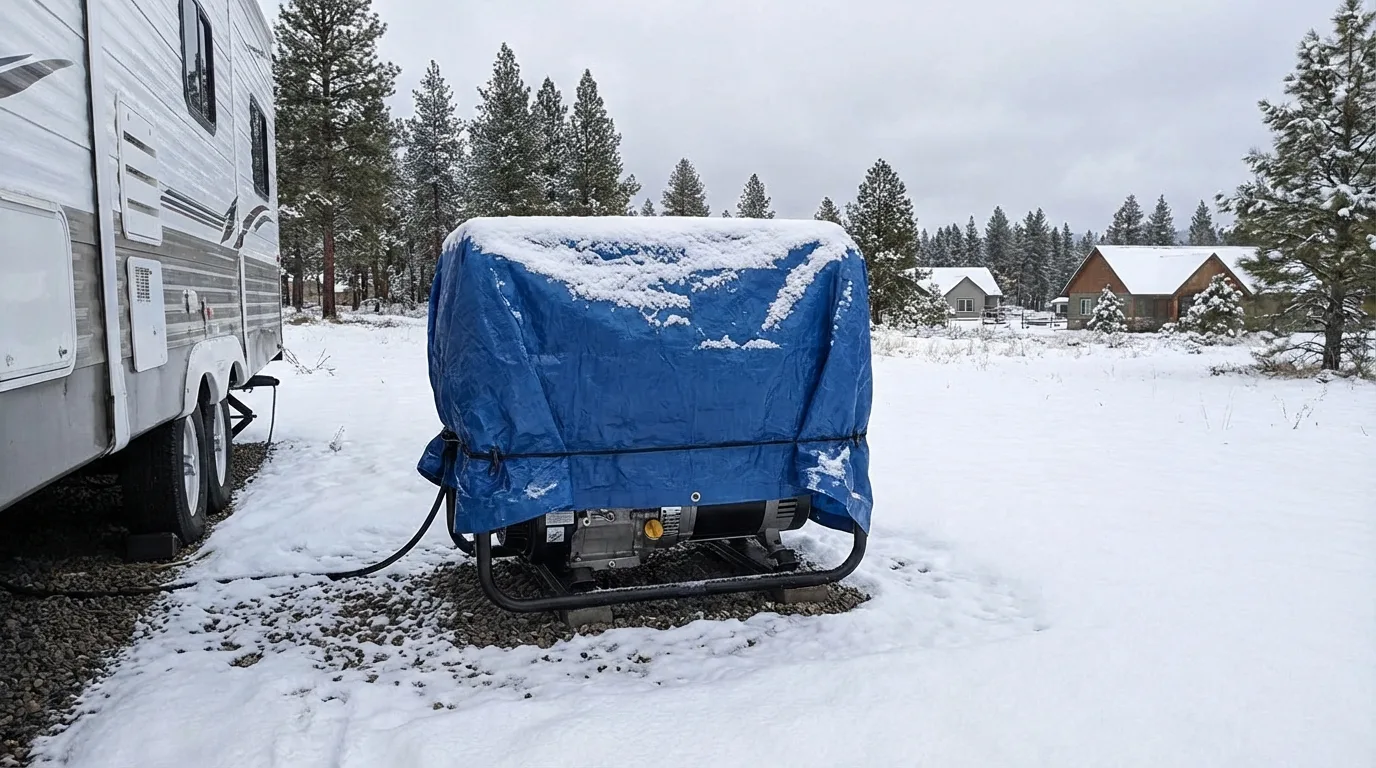
- Cover the Generator: Cover the generator to protect it from dust, moisture, and pests.
- Store in a Dry Place: Store the generator in a dry, well-ventilated area.
Real-World Road Trip Story: Learning the Hard Way
I remember one particularly harrowing experience in 2020. I had just purchased a used Fleetwood Bounder and was eager to take it on a cross-country trip. I knew the Onan 5500 generator hadn't been used much by the previous owner, but I didn't think much of it. About halfway through the trip, while in Death Valley, the generator started acting up. It would run for a few minutes and then shut off. After hours of troubleshooting, I discovered that the carburetor was completely clogged with old, gummy fuel. It was a costly lesson. The repair set me back over $500 and delayed my trip by two days. Now, I make it a point to thoroughly inspect and service any used RV generator before hitting the road.
Frequently Asked Questions (FAQ)
Q: Why does my generator sometimes surge or fluctuate in voltage, even after I've cleaned the spark plugs?
A: Voltage surging can often be attributed to issues beyond the spark plugs. A common culprit is the Automatic Voltage Regulator (AVR). If the AVR is failing, it can cause inconsistent voltage output. Another possibility is a partially clogged fuel filter or a vacuum leak in the intake manifold. These issues can disrupt the air-fuel mixture, leading to voltage fluctuations. Also, check the condition of the slip rings and brushes if your generator has them, as wear can cause voltage instability.
Q: What is the real practical difference between using a fuel stabilizer like Sta-Bil versus draining the fuel tank completely for long-term storage?
A: While both methods aim to prevent fuel degradation, they offer different levels of protection. Draining the fuel tank removes the fuel entirely, preventing it from oxidizing and forming gum or varnish. This is the most reliable method, especially for very long storage periods (over a year). Fuel stabilizers, like Sta-Bil (Sta-Bil — stabill.com), work by inhibiting oxidation and preventing the formation of gum and varnish. However, they are most effective when used with fresh fuel and may not fully prevent degradation over very long periods or if the fuel is already somewhat degraded. Draining is more labor-intensive, while stabilizers offer a convenient alternative for shorter storage periods (3-12 months).
Q: Why does my generator start fine when it's cool outside, but struggles to start when it's hot?
A: This issue is often related to vapor lock. In hot weather, the gasoline in the fuel lines can vaporize, creating air pockets that prevent the fuel from reaching the carburetor. This is more common with ethanol-blended fuels, which have a lower boiling point. To prevent vapor lock, ensure your fuel lines are well-insulated and consider using non-ethanol fuel if possible. You can also try priming the carburetor by manually pumping fuel into it before starting.
Q: I only use my RV a few times a year. Is it still necessary to run the generator monthly?
A: Yes, it's still highly recommended to run your generator monthly, even if you only use your RV sporadically. The primary reason is to prevent fuel degradation and keep the carburetor clean. When gasoline sits for extended periods, it can oxidize and form gum and varnish, which can clog the carburetor and fuel lines. Running the generator for about 30 minutes each month circulates fresh fuel through the system and helps prevent these deposits from forming. This simple practice can save you from costly repairs and ensure your generator starts reliably when you need it.
Conclusion: Power Up Your Road Trip with Confidence
By following these tips, you can significantly reduce the risk of RV generator problems and enjoy a worry-free road trip. Remember, preventative maintenance is key to a reliable power source on the road. Don't wait for a breakdown to take action. Start implementing these practices today!
Ready to take the next step? Download our comprehensive RV Generator Maintenance Checklist to stay organized and ensure you never miss a critical maintenance task. Safe travels!
Recommended Reading
- 5 Proven Strategies: Stop Wasting Budget on Film Festival Trips
- Villa Concierge: Which Services Are Actually Worth Paying For?
- Client Bliss: 7 Steps to Guarantee Consistently Clear Water Beaches
- Remote Roadside Crisis: 6 Ways to Coordinate Multiple Recovery Vehicles
- 7 Pro Tips: How to Find Genuine Street Art on a Tight City Trip




Your email address will not be published. Required fields are marked *