

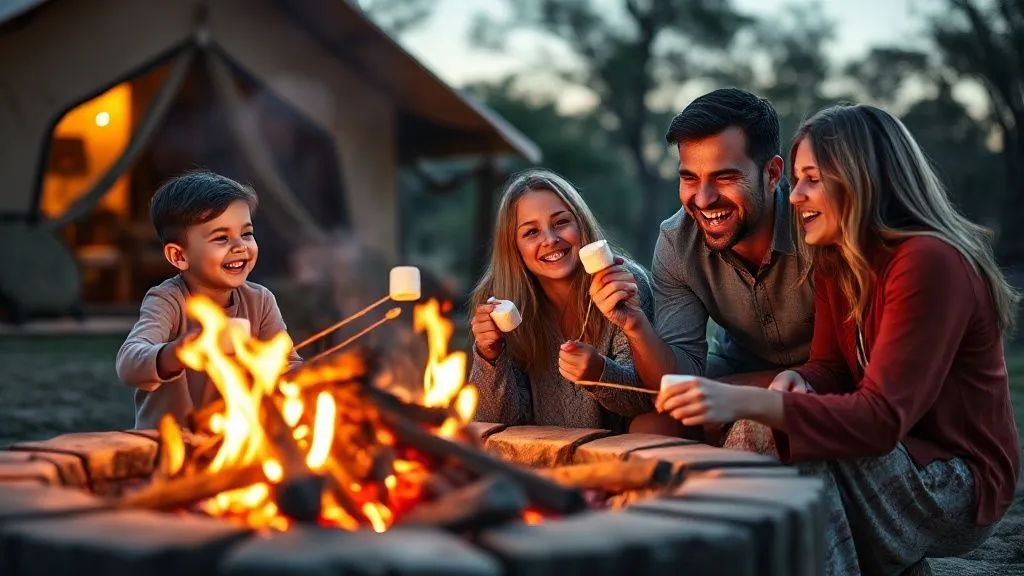
How to select family glamping satisfying both toddlers and teens?
For over 15 years in the travel industry, specifically within the burgeoning niche of glamping, I've witnessed countless families embark on their first 'luxury camping' adventure. The enthusiasm is always palpable, but so too is the underlying anxiety, particularly when the family unit spans a wide age range – from energetic toddlers to 'too cool for school' teenagers. The dream is a harmonious escape; the reality can often feel like a delicate balancing act, trying to please everyone simultaneously.
This unique dilemma, the quest for a family vacation that genuinely satisfies both the sandbox enthusiast and the smartphone connoisseur, is a pain point I frequently encounter. Parents often express their frustration, feeling torn between ensuring the little ones are safe and entertained, and making sure the older kids aren't bored or constantly tethered to their devices out of disinterest. It’s a challenge that, if not addressed proactively, can quickly turn a dream glamping trip into a logistical nightmare.
This definitive guide is born from years of observing what works and what doesn't. I'll share a proven framework, actionable strategies, and expert insights designed to help you confidently navigate the glamping landscape. You'll learn how to select family glamping satisfying both toddlers and teens, ensuring every family member, regardless of age, finds joy, adventure, and relaxation in equal measure. Let's transform that potential headache into a truly memorable family experience.
Understanding the Diverse Needs: Toddlers vs. Teens
The first step in crafting an unforgettable family glamping trip is to acknowledge the fundamental differences in what each age group seeks from a vacation. Toddlers and teens operate on entirely different wavelengths, and attempting a one-size-fits-all approach is a recipe for disappointment. My experience has taught me that understanding these distinct needs is the bedrock of successful multi-generational travel planning.
Toddler-Centric Glamping Necessities
Little ones thrive on routine, safety, and sensory exploration. Their needs are often physical and immediate, centered around comfort and basic entertainment.
- Safety First: Secure environments, child-proofed accommodations, and supervised play areas are paramount.
- Proximity to Amenities: Easy access to bathrooms, changing facilities, and dining options is crucial for parents.
- Soft Play & Exploration: Gentle nature walks, sandpits, shallow splash pads, and safe spaces for imaginative play.
- Quiet Zones & Naps: Dedicated areas or times for rest and quiet activities are essential for maintaining their energy and mood.
- Simple, Engaging Activities: Bubbles, basic crafts, story time, and animal interactions (if available) hold their attention best.
Teen-Focused Glamping Desires
Teenagers, on the other hand, crave independence, adventure, and social connection. They're looking for experiences that challenge them, offer novelty, and provide opportunities for self-expression.
- Adventure & Thrills: Activities like kayaking, paddleboarding, mountain biking, zip-lining, or guided hikes.
- Independence & Freedom: Opportunities to explore safely on their own or with siblings/friends, without constant parental supervision.
- Tech Access (Within Limits): Reliable Wi-Fi for sharing experiences, staying connected, or winding down with their devices.
- Social Opportunities: Common areas, game rooms, or organized teen-specific activities where they can meet peers.
- Unique Experiences: Stargazing, photography workshops, local cultural excursions, or learning new outdoor skills.
The key insight I've gleaned over the years is that bridging the gap between these divergent needs isn't about compromise, but about strategic planning. It's about finding spaces and activities that allow both age groups to flourish, sometimes together, and sometimes in parallel, ensuring neither feels overlooked or underserved.
The 'Two-Zone' Strategy: Creating Parallel Experiences
One of the most effective frameworks I've guided families through is what I call the 'Two-Zone' Strategy. This involves consciously seeking out glamping environments and structuring your itinerary to create distinct yet complementary activity zones: one tailored for toddlers, and another for teens. This doesn't mean you'll never be together; rather, it ensures that when you are, everyone is genuinely refreshed and engaged from their own fulfilling experiences.
Step 1: Researching Glamping Sites with Dual Appeal
This is where your detective work begins. Don't just look for 'family-friendly.' Dig deeper. My advice is to specifically search for sites that boast amenities or programs catering to both ends of the age spectrum.
- Dedicated Kids' Clubs/Activities: Many high-end glamping resorts now offer supervised programs for younger children, freeing up parents and allowing teens to pursue their own interests. Check age ranges and activity schedules carefully.
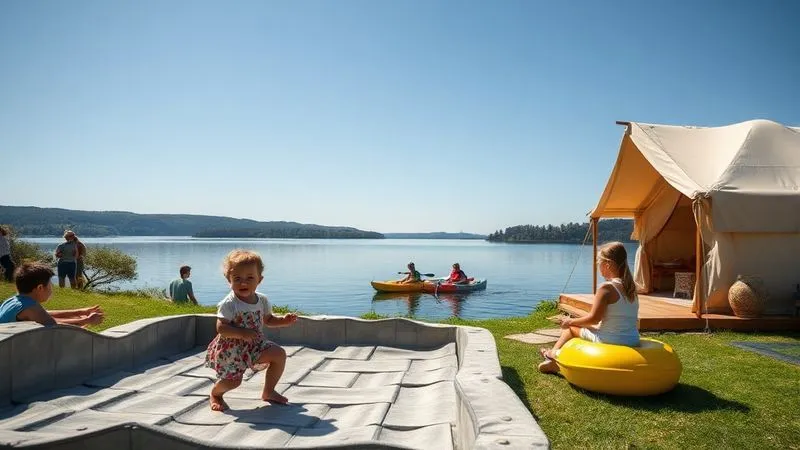
- Separate Adventure Zones: Look for sites that have distinct areas for different activities. Think a calm, shallow pool area for toddlers alongside a deeper pool or lake for teen watersports.
- On-Site Childcare/Babysitting Services: This can be a lifesaver, providing parents with a much-needed break and allowing teens to enjoy activities that might not be suitable for their younger siblings.
- Proximity to External Attractions: Sometimes, the perfect 'dual-zone' solution lies just outside the glamping site. Research nearby attractions like children's museums, gentle hiking trails for toddlers, and more adventurous parks or cultural sites for teens.
- Read Reviews with a Critical Eye: Pay close attention to reviews mentioning families with diverse age groups. What did they praise? What were their challenges? This intel is invaluable.
Step 2: Crafting a Flexible Daily Itinerary
Once you've found a promising location, the next step is to create a daily plan that offers flexibility and choice. This isn't about rigid scheduling, but about ensuring there are appealing options for everyone throughout the day. I've found that a structured approach to 'free time' works wonders, allowing for both independent and collective experiences.
Consider this template I often share with clients:
| Time Slot | Toddler Focus | Teen Focus |
|---|---|---|
| Morning (8-11 AM) | Nature walk, playground, splash pad | Sleep in, independent exploration, local cafe |
| Mid-day (11 AM-2 PM) | Nap time, quiet play, sensory activities | Kayaking, hiking, photography workshop |
| Afternoon (2-5 PM) | Family pool time, craft session | Group sport, local town visit, chill zone |
| Evening (5 PM Onwards) | Early dinner, campfire stories, stargazing | Late dinner, social bonfire, movie night |
This table illustrates how you can plan parallel activities. The key is to communicate these options beforehand, allowing teens some agency in choosing their activities, and ensuring toddlers have their essential needs met. This approach minimizes friction and maximizes individual enjoyment, leading to a more harmonious family dynamic when everyone reconvenes.
Leveraging On-Site Amenities and Local Adventures
Modern glamping isn't just about a fancy tent; it's about the entire experience. Many sites are strategically located or designed to offer a wealth of activities. As an industry specialist, I always emphasize looking beyond the accommodation itself and evaluating the full spectrum of amenities and local adventures available. This is crucial for how to select family glamping satisfying both toddlers and teens.
For the Little Explorers (Toddlers)
Toddlers are naturally curious, and the glamping environment offers a fantastic opportunity for safe, supervised exploration.
- Safe Play Areas: Look for dedicated playgrounds, sandpits, or soft-play zones that are fenced and well-maintained.
- Shallow Pools or Splash Pads: Water play is almost universally loved by toddlers, and a dedicated shallow area is much safer and more relaxing for parents.
- Gentle Nature Trails: Short, well-paved or easy-to-navigate paths perfect for a stroller or tiny legs, perhaps with interactive elements like 'discovery boxes' or nature scavenger hunts.
- Animal Encounters: If the glamping site is on a farm or near one, supervised animal feeding or petting zoos can be incredibly engaging.
- Sensory Gardens: Areas with different textures, smells, and sounds can provide rich sensory input for young children.
For the Thrill Seekers (Teens)
Teens need more than just a swing set. They crave excitement, a bit of challenge, and opportunities to push their boundaries (safely, of course).
- Adventure Sports: Many glamping sites partner with local operators for activities like zip-lining, rock climbing, kayaking, paddleboarding, or guided mountain biking tours.
- Unique Workshops: Photography, survival skills, local craft making, or even cooking classes can pique their interest.
- Stargazing Tours: Away from city lights, glamping sites often offer incredible night skies. Guided stargazing with telescopes can be a truly memorable experience.
- Water-based Fun: Beyond just swimming, think opportunities for snorkeling, fishing, or even sailing lessons.
- Local Cultural Excursions: Visiting nearby historical sites, art galleries, or vibrant local markets can provide cultural enrichment and a sense of discovery.
Case Study: The 'Adventure Awaits' Glamping Retreat
I recall a family, the Millers, who struggled with their 3-year-old and 16-year-old. They initially chose a glamping site that, on paper, seemed great, but lacked clear separation of activities. The teen was bored, and the toddler was overstimulated. After some guidance, they tried a different approach: selecting a retreat near a national park with both a dedicated, supervised toddler play zone and an outsourced local outfitter offering guided teen kayaking and rock climbing. The parents then split duties, ensuring both age groups had their dedicated, high-quality experiences, coming together for meals and evening campfires. This resulted in a surprisingly harmonious trip, proving that a well-researched site with diverse offerings is paramount.
The Power of Shared Experiences: Bridging the Age Gap
While the 'Two-Zone' strategy is crucial for individual satisfaction, it's equally important not to overlook the magic of shared family moments. These are the experiences that truly bridge the age gap and forge lasting memories. My advice is to intentionally carve out time for activities where everyone, from toddler to teen, can participate and find joy, even if it's in different ways.
- Campfire Cooking & S'mores: A classic for a reason! Toddlers love helping with simple tasks (under supervision), and teens can take charge of fire building or creative s'mores combinations.
- Stargazing: Even without a telescope, pointing out constellations or simply lying back and watching the night sky is a universal wonder. Toddlers can enjoy the quiet calm, while teens might delve into stargazing apps.
- Simple Board Games or Card Games: Choose games that can be easily adapted or have simplified rules for younger players, while still engaging older ones.
- Nature Scavenger Hunts: Create a list of natural items to find (a specific leaf, a smooth stone, a feather). Toddlers love the hunt, and teens can be challenged with more complex items or photography tasks.
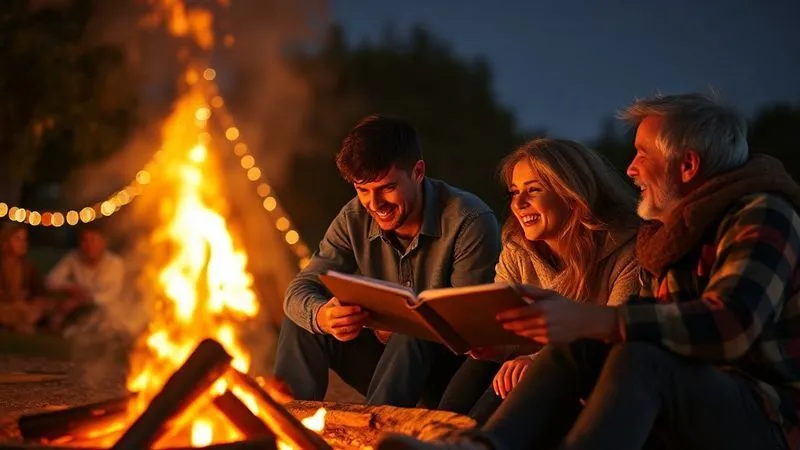
- Storytelling & Music: Gather around the campfire or inside the tent for shared stories, reading aloud, or even a sing-along.
Shared experiences, even the simplest ones, are the glue that holds family memories together. They provide a common ground where age differences fade, and the pure joy of togetherness shines through. These are the moments everyone will look back on fondly.
Technology Integration: Friend or Foe?
In today's world, ignoring technology, especially when traveling with teens, is unrealistic. The question isn't whether to allow it, but how to integrate it thoughtfully into your glamping experience to enhance, rather than detract from, the adventure. As an expert, I've seen technology both save and sink a family trip, and it often comes down to clear expectations and creative usage.
Setting Digital Boundaries
Before you even leave home, have a family discussion about screen time. Involve your teens in setting these rules; they're more likely to adhere to guidelines they've helped create. This is a critical aspect of how to select family glamping satisfying both toddlers and teens, as it manages expectations.
- Designated 'Tech-Free' Zones/Times: Meals, campfire gatherings, or specific activity periods can be declared device-free.
- Limited Screen Time: Agree on specific blocks of time for screens, perhaps during downtime or while younger siblings nap.
- Charging Stations: Designate a central charging spot for all devices, signaling a collective approach to managing technology.
Utilizing Tech for Enrichment
Technology isn't just for endless scrolling; it can be a powerful tool for learning and engagement in a natural setting.
- Nature Identification Apps: Apps that identify plants, birds, or insects can turn a simple walk into an educational adventure for all ages.
- Stargazing Apps: These can help teens identify constellations and planets, making night sky viewing even more fascinating.
- Photography & Videography: Encourage teens to use their phones or cameras to document the trip, turning them into family historians and creative directors.
- E-readers & Audiobooks: Perfect for quiet downtime, allowing teens to immerse themselves in stories without disturbing others.
According to a study published by Pew Research Center, teens' relationship with technology is complex, often serving as a primary means of social connection and information gathering. By acknowledging this and setting thoughtful boundaries, you can harness its power while ensuring they remain present in the glamping experience.
Pre-Trip Planning and Communication: Setting Expectations
The success of any family glamping trip, especially one designed to please a broad age range, often hinges on the preparation that happens long before you pack your first bag. As your industry mentor, I can't stress enough the importance of transparent communication and involving everyone in the planning process. This proactive approach is fundamental to how to select family glamping satisfying both toddlers and teens.
Involve Everyone in the Planning
Empowerment leads to engagement. When children feel they have a say, they're more invested in the trip's success.
- Brainstorm Activities: Present a few curated options for the glamping site or nearby attractions that cater to different age groups. Let the family vote or express preferences.
- Teens Pick an Adventure: Give teens a specific budget or a choice of 2-3 activities they can research and choose for themselves (e.g., a specific hike, a water sport, or a local town visit).
- Toddlers Choose a Comfort Item: Let your toddler pick a favorite blanket, toy, or book to bring. This gives them a sense of control and comfort in a new environment.
- Discuss Expectations: Talk about the 'why' behind the trip (connecting with nature, family time, trying new things) and discuss the schedule. Address potential challenges upfront (limited Wi-Fi, shared spaces, different bedtimes).
Pack Smart for Both Age Groups
Efficient packing is a cornerstone of stress-free travel. Think about the unique needs of both toddlers and teens.
- Toddler Essentials: Beyond the obvious (diapers, wipes, specific snacks), consider a familiar night light, a 'lovey' or comfort item, a portable sound machine, and a designated bag of small, quiet toys for downtime.
- Teen Essentials: Encourage them to pack their own small backpack with a power bank, headphones, a journal, a favorite book, and appropriate clothing for adventurous activities.
- First-Aid Kit: A comprehensive kit is a must, with specific items for both young children (e.g., infant pain relief, thermometer) and older kids (e.g., blister treatment, sports tape).
Expert family travel bloggers at Travel + Leisure often emphasize the importance of involving children in trip planning, noting that it significantly reduces complaints and increases excitement. A well-prepared family is a happy family.
Choosing the Right Glamping Accommodation Type
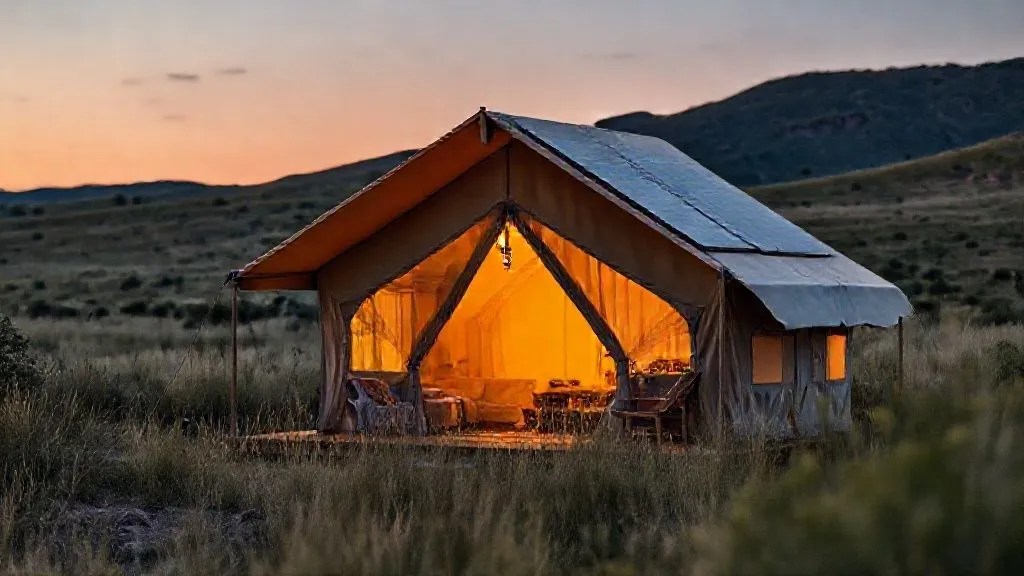
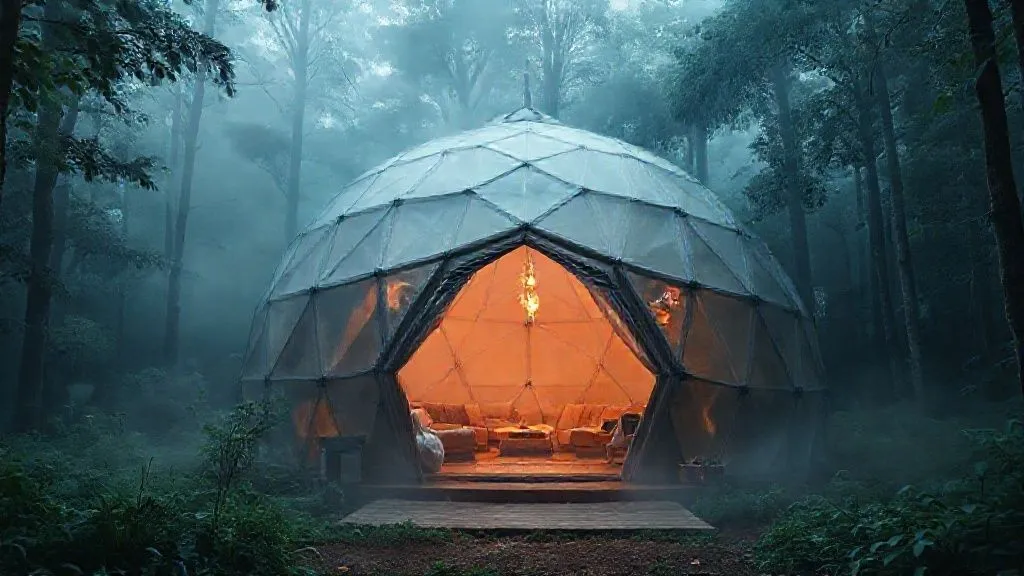
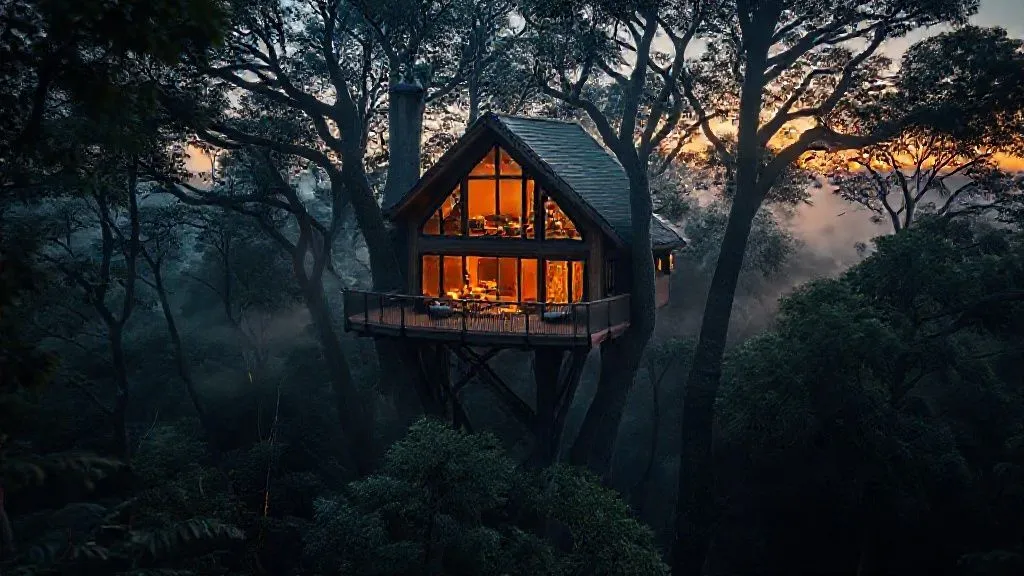
The term 'glamping' is broad, encompassing everything from simple canvas tents to elaborate treehouses. The type of accommodation you choose can significantly impact the experience for both toddlers and teens. In my career, I've seen families make or break their trip based on this single decision. It's not just about luxury; it's about suitability and functionality for your unique family dynamic. To successfully select family glamping satisfying both toddlers and teens, you must consider the dwelling itself.
| Accommodation Type | Toddler Benefit | Teen Benefit |
|---|---|---|
| Safari Tent | Spacious interior, often private bathroom, sturdy structure | Authentic adventure feel, comfortable beds, often a private deck |
| Yurt | Circular, cozy, fewer sharp corners, unique experience | Novelty, good for group hangouts, often includes a skylight for stargazing |
| Treehouse | Exciting and magical, but requires constant supervision due to height/stairs | Ultimate adventure, unique views, Instagrammable, sense of privacy |
| Luxury Cabin/Lodge | Full amenities (kitchen, multiple rooms), enhanced safety, climate control | Comforts of home, space for independence, often includes game rooms or media areas |
| Bell Tent | Simple, cozy, good for outdoor play directly outside | Bohemian vibe, easy access to nature, can be customized with personal touches |
As you can see from the table, each accommodation type offers distinct advantages. For families with toddlers, features like private bathrooms, sturdy construction, and ample space for play are often prioritized. You want to minimize hazards and maximize comfort. For teens, the 'cool factor,' a sense of adventure, and opportunities for some personal space or social interaction are key. A treehouse might be thrilling for a teen, but a constant source of anxiety for parents of a curious toddler.
My recommendation is to look for accommodations that offer a balance, perhaps separate sleeping areas within a larger structure, or a site that offers different types of units, allowing you to choose what best fits your family's current needs. For more on glamping accommodation types and finding the perfect fit, I often refer to resources like Glamping Hub, which provides a vast array of options and detailed descriptions.
Frequently Asked Questions (FAQ)
Q: What if my toddler cries all night in a new glamping environment? A: This is a common concern! My advice is to maintain as much of their bedtime routine as possible. Bring familiar items like their favorite blanket, stuffed animal, or a white noise machine. Practice sleeping in a 'tent' at home if possible. Choose a glamping unit with good soundproofing or a separate sleeping area. Most importantly, stay calm and reassuring; your calm demeanor will help them settle.
Q: How can I ensure my teen doesn't just stare at their phone all day during our glamping trip? A: Proactive planning and clear communication are key. Involve them in choosing activities they'll genuinely enjoy. Set clear 'tech-free' times for meals and group activities. Encourage them to use their phone for photography or nature identification apps, turning it into a tool for engagement rather than distraction. Lead by example and put your own phone away!
Q: Are glamping sites generally safe for young children? A: Reputable glamping sites prioritize safety. Look for sites that explicitly mention child-friendly features like fenced play areas, secure accommodations, and clear pathways. Always inspect your specific unit upon arrival for any potential hazards. Supervision is still paramount, but a well-chosen site will significantly reduce risks. Reading recent family reviews is also a great indicator of safety.
Q: What's a realistic budget expectation for family glamping satisfying both toddlers and teens? A: Glamping costs vary widely. A basic bell tent might be $100-200/night, while a luxurious safari tent or treehouse at a resort with extensive amenities could be $400-800+/night. Factor in activity costs (especially for teens), food, and travel. To satisfy both age groups, you'll likely lean towards sites with more amenities, so budget for the mid to higher range. Off-peak travel can offer better value.
Q: How do I handle meals for picky eaters of different ages while glamping? A: Flexibility is your friend! Many glamping units have kitchenettes, allowing you to prepare familiar meals. Pack a variety of snacks that appeal to both toddlers and teens. For shared meals, aim for crowd-pleasers like pasta, grilled items, or DIY tacos where everyone can customize their plate. Involve teens in cooking; they often enjoy the process. For toddlers, always have a backup of their 'safe' foods.
Key Takeaways and Final Thoughts
- Embrace the 'Two-Zone' Strategy: Plan for parallel activities that cater specifically to toddlers' needs for safety and simple fun, and teens' desires for adventure and independence.
- Leverage Amenities & Local Adventures: Don't just book a tent; choose a site rich with on-site activities and proximity to external attractions that appeal to both age groups.
- Prioritize Shared Experiences: Intentionally carve out time for activities like campfire stories, stargazing, or nature walks where the whole family can connect and create memories together.
- Communicate & Involve: Get everyone, especially your teens, involved in the planning process. Discuss expectations around technology and activities to foster buy-in and excitement.
- Choose Accommodation Wisely: Select a glamping unit type that offers appropriate safety features for toddlers and enough space or 'cool factor' for teens, ensuring comfort for all.
Navigating the diverse needs of toddlers and teens on a glamping trip can seem like a monumental task, but with the right mindset and strategic planning, it's entirely achievable. As an industry specialist, I've seen firsthand how these expert-backed approaches transform potential family friction into genuine harmony. Remember, the goal isn't perfection, but connection and shared joy. By focusing on creating opportunities for every family member to thrive, you're not just booking a vacation; you're investing in unforgettable moments that will strengthen your family bonds for years to come. Go forth, plan wisely, and enjoy the magic of glamping with your entire family!
Recommended Reading
- Mastering Sub-Zero: 7 Steps to Winterize Glamping Yurts for Year-Round Operation
- Mastering Vegan Wine Pairings: Crafting Tasting Menus for Food Travelers
- 7 Proven Ways: Find City Walking Tours for Local Business Insights
- Mastering Access: 7 Strategies for Impossible VIP Client Experiences
- Safeguard Your Beachfront Villa: 7 Climate Risk Protection Strategies

Your email address will not be published. Required fields are marked *