

How to quickly locate safe, legal wild camp spots on a tight travel schedule?
For over 15 years, traversing landscapes from the Scottish Highlands to the rugged backcountry of Patagonia, I've seen countless adventurers grapple with a common, yet critical, challenge: how to quickly locate safe, legal wild camp spots on a tight travel schedule. It's a skill that separates the seasoned explorer from the frustrated novice, and frankly, it’s a skill that can make or break a budget travel experience.
The thrill of wild camping – the solitude, the connection with nature, the freedom from overcrowded campsites – is undeniable. However, this pursuit often collides with the realities of limited time, stringent local regulations, and the paramount need for personal safety. The sheer volume of conflicting information online can be overwhelming, leaving many travelers feeling anxious and unprepared, resorting to expensive alternatives or, worse, risky choices.
In this definitive guide, I'll share the proven frameworks, invaluable digital tools, and on-the-ground reconnaissance techniques I’ve honed over years of budget wild camping. You’ll learn how to cut through the noise, make informed decisions rapidly, and confidently secure a legal, safe, and breathtaking wild camp spot, even when every minute counts. Let's transform your next tight-scheduled adventure into an exercise in efficient exploration.
Mastering the Pre-Trip Reconnaissance: Your Digital Toolkit
The secret to quickly locating safe, legal wild camp spots on a tight travel schedule often begins long before you even leave home. Effective pre-trip reconnaissance is not just about identifying potential spots; it's about understanding the land, its regulations, and potential challenges. This digital groundwork saves invaluable time on the road.
Leveraging Mapping Apps & Satellite Imagery
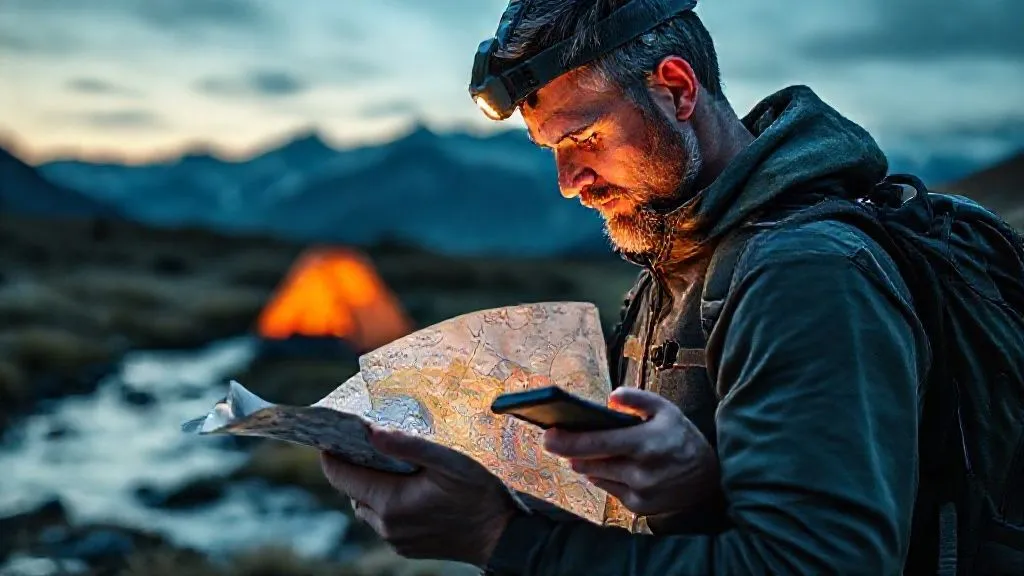
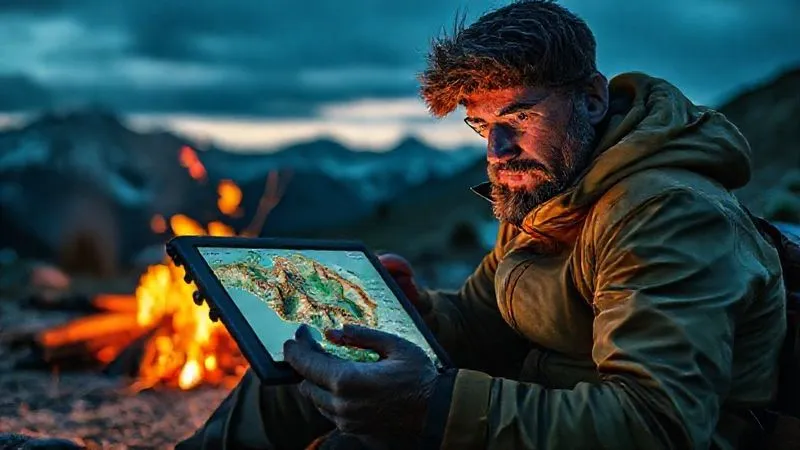
My first port of call is always a combination of specialized mapping apps and high-resolution satellite imagery. Tools like Google Maps, Gaia GPS, and iOverlander are indispensable for this initial phase. They allow me to virtually scout areas, identifying promising terrain and potential pitfalls without ever stepping foot on the ground.
When using satellite view, I look for key indicators: clearings large enough for a tent but not so open as to be exposed, natural windbreaks like dense tree lines, proximity to water sources (but not in flood plains), and any signs of recent human activity or disuse. Access roads are crucial – can I get there in my vehicle, or will it require a hike? I often cross-reference different map layers, such as topographical maps for elevation changes and public land boundaries.
Expert Tip: When scrutinizing satellite imagery, pay close attention to access points. Look for discreet turn-offs, old logging roads, or faint trails that might indicate a less-traveled, more private spot. Avoid areas with obvious 'no trespassing' signs or those immediately adjacent to private residences.
Understanding the nuances of land ownership is paramount. Different regions have vastly different rules regarding wild camping. National Parks often prohibit it outside of designated areas, while National Forests or Bureau of Land Management (BLM) lands in the US, for example, typically allow dispersed camping. Always verify. For instance, in the UK, wild camping is generally illegal without permission, except for specific areas in Scotland with the 'right to roam.'
I always make sure to consult official government websites for the specific region I'm visiting. For example, the U.S. Forest Service website provides detailed maps and regulations for national forests. Ignoring these details can lead to fines, eviction, or worse.
Understanding Local Regulations & Land Ownership
Navigating the legal landscape of wild camping is perhaps the most critical step, especially on a tight schedule where mistakes can cost valuable time. The term 'wild camping' itself carries different connotations and legal statuses across the globe. What's perfectly acceptable in one country could be strictly forbidden in another.
My approach is always to assume it's illegal until proven otherwise. This proactive stance forces me to research thoroughly. I focus on identifying the specific land management agency responsible for the area I intend to visit. Is it a National Park, a National Forest, state land, or private property? Each will have its own set of rules, often accessible online.
For instance, in countries with a 'right to roam' (like Scotland and Nordic countries), the general principle allows access to land for recreational purposes, including wild camping, provided you follow responsible practices. However, even within these regions, there can be exceptions, such as exclusion zones around houses or agricultural land. Conversely, in places like England and Wales, wild camping is largely illegal without explicit landowner permission, making the hunt for a legal spot far more challenging and often requiring direct communication.
Expert Insight: Never rely solely on anecdotal evidence from forums regarding legality. Always cross-reference with official government or land management websites. Regulations can change, and what was permissible last year might not be today. A quick call to a local ranger station can often provide the most accurate, up-to-date information.
Identifying private land is another crucial aspect. Property lines aren't always clearly marked, especially in remote areas. This is where detailed digital maps with property overlays become invaluable. Apps like onX Offroad or similar regional equivalents can display property boundaries, helping you avoid accidental trespass. Remember, trespassing, even unintentional, can lead to legal issues and damage the reputation of the wild camping community.
The Power of Community: Forums, Apps, and Local Intel
While digital mapping is crucial, the human element—the collective knowledge of the wild camping community—is an unparalleled resource for quickly locating safe, legal wild camp spots, especially when time is short. Leveraging this collective experience can save you hours of scouting.
Crowdsourced Camping Apps (e.g., iOverlander, FreeCampsites.net)
My go-to tools for real-time, user-verified information are crowdsourced apps like iOverlander and FreeCampsites.net. These platforms are goldmines for budget travelers seeking wild camping spots. They contain user-submitted data, including GPS coordinates, photos, detailed descriptions, and crucial reviews about accessibility, safety, amenities (or lack thereof), and legality.
Here’s how I effectively use these apps on a tight schedule:
- Filter Aggressively: Most apps allow you to filter by 'wild camping,' 'free camping,' or 'dispersed camping.' Apply these filters immediately to narrow down your search.
- Read Recent Reviews: Always prioritize spots with recent reviews. Conditions, regulations, and even accessibility can change rapidly. A review from six months ago might not reflect the current situation.
- Cross-Reference Photos: Look at user-submitted photos to gauge the spot's suitability, terrain, and how 'wild' it truly is. Photos can reveal if a spot is overgrown, heavily used, or perfectly secluded.
- Check for Specific Warnings: Pay close attention to comments about noise, safety concerns, 'no overnight parking' signs, or encounters with authorities. These are red flags that warrant a detour.
- Verify Legality (Again): Even if a spot is listed as 'legal,' quickly cross-reference with your knowledge of local regulations. User-generated content, while helpful, isn't always foolproof regarding legality.
Engaging with Online Forums & Social Media Groups
Beyond dedicated apps, online forums and social media groups are vibrant communities where you can tap into local knowledge. Facebook groups dedicated to 'wild camping [region name],' Reddit subreddits like r/wildcamping, r/overlanding, or region-specific travel forums are excellent places to ask targeted questions.
When posting, be specific about your needs: the type of vehicle, your desired level of seclusion, and your general travel route. Locals and experienced travelers often share hidden gems or provide crucial updates on conditions that might not be in official databases. I’ve personally found incredible spots through these channels that I would have never discovered otherwise.
Cautionary Note: While community insights are invaluable, always exercise a degree of skepticism. Not all advice is current, and some users might inadvertently share illegal spots or outdated information. Use these insights as starting points for your own verification process, rather than definitive answers.
Case Study: Sarah's Scottish Highlands Success
Sarah, a solo traveler on a tight 7-day budget trip through the Scottish Highlands, faced the classic dilemma: finding a legal, scenic wild camp spot near Glencoe after a long day of hiking. Instead of aimlessly driving, she utilized her smartphone. First, she checked iOverlander, finding a few promising leads. One spot, marked as 'beautiful but can be busy,' had recent comments about a new, discreet layby nearby that offered more privacy.
To verify, Sarah then posted a quick query in a local Scottish wild camping Facebook group. Within minutes, a local confirmed the new layby was indeed a known, responsible wild camping spot, offering directions and a tip to arrive late to ensure a quiet evening. Armed with this crowdsourced intelligence, Sarah quickly navigated to the confirmed spot, securing a stunning, legal, and private camp for the night, saving her hours of driving and stress. This resulted in a peaceful night's rest and more time for hiking the next day.
On-the-Ground Assessment: Rapid Spot Identification & Safety Checks
Even with thorough digital reconnaissance, the final decision to wild camp at a particular spot always comes down to an on-the-ground assessment. When you're on a tight schedule, this needs to be efficient and decisive. My '5-minute rule' helps streamline this process, ensuring safety and legality are prioritized.
The "5-Minute Rule" for Initial Site Evaluation
Upon arriving at a potential spot, I immediately initiate my '5-minute rule' checklist. This rapid assessment helps me quickly determine if the location is viable or if I need to move on. Every second counts when daylight is fading or your schedule is packed.
- Visibility: Is the spot discreet? Can I be seen easily from a main road, houses, or other trails? The less visible, the better for privacy and to avoid attracting unwanted attention.
- Access: Can I safely and legally access the spot with my vehicle (if applicable) or on foot? Are there any 'no trespassing' signs I missed digitally? Is the ground firm enough for parking or pitching a tent without getting stuck?
- Ground Suitability: Is the ground level, dry, and free of sharp rocks, ant hills, or poisonous plants? A quick sweep for debris is essential. Avoid pitching in depressions where water might collect.
- Water Source: Is there a reliable and safe water source nearby for filtering (if needed)? If not, do I have enough water for the night and morning?
- Signs of Previous Use/Disuse: Look for recent fire rings (discourage new ones), trash, or human waste. These are signs of overuse or disrespectful campers, which might indicate a less desirable or potentially monitored spot. Conversely, a completely untouched area might indicate a reason for disuse (e.g., private land, unsafe).
If any of these points raise significant red flags within that initial 5 minutes, I'm already planning my next move. Time is too precious to linger on a questionable spot.
Reading the Landscape: Terrain, Shelter, and Water
Beyond the immediate '5-minute rule,' a deeper, albeit quick, reading of the landscape is crucial. I've learned that nature often provides the best clues for a good camp spot. Understanding terrain, natural shelter, and water dynamics is key to a comfortable and safe night.
Always avoid setting up camp in obvious flood plains or dry riverbeds, as sudden rainfall can turn them into dangerous torrents. Similarly, avoid the base of steep, unstable slopes where rockfall or landslides could occur. Look for elevated, flat areas that offer good drainage. Natural windbreaks, such as dense tree lines or gentle rises, are invaluable for protection against harsh weather, especially in exposed areas.
Safety First: Always have an exit strategy. Before committing to a spot, mentally note the quickest and safest way out in case of emergency – be it weather, wildlife, or human interaction. Knowing your escape route provides peace of mind.
Regarding water, proximity to a clean source is a huge bonus, but always assume any natural water needs purification. I carry a reliable water filter or purification tablets. If no water is available, ensure you have sufficient reserves. Remember, a good wild camp spot harmonizes with its surroundings, offering both protection and a minimal footprint.
Legalities & Ethics: Navigating the Grey Areas of Wild Camping
Successfully locating a wild camp spot isn't just about finding a flat piece of ground; it's fundamentally about respect—respect for the land, its owners, and its regulations. Navigating the legal and ethical grey areas is a hallmark of an experienced wild camper, ensuring both your safety and the preservation of these precious spaces.
"Leave No Trace" Principles as Your Guiding Compass
No matter where I wild camp, the Leave No Trace (LNT) principles are my unwavering ethical compass. These seven principles are not just guidelines; they are a philosophy for minimizing impact and preserving the wilderness for future generations. Adhering to them is non-negotiable for any responsible wild camper, especially when trying to maintain the privilege of access.
- Plan Ahead and Prepare: Research regulations, weather, and potential hazards. Pack appropriate gear.
- Travel and Camp on Durable Surfaces: Stick to existing trails and campsites. If wild camping, choose durable surfaces like rock or dry grass.
- Dispose of Waste Properly: Pack it in, pack it out. This includes all trash, food scraps, and human waste (buried properly away from water sources).
- Leave What You Find: Do not disturb cultural or natural artifacts. Let others discover them.
- Minimize Campfire Impacts: Use existing fire rings or a small, contained stove. Ensure fires are completely out.
- Respect Wildlife: Observe from a distance. Never feed animals. Store food securely.
- Be Considerate of Other Visitors: Camp away from popular areas. Keep noise levels down.
Following these principles isn't just about being a good citizen; it's often the unspoken rule that allows wild camping to continue in certain areas. Disregard for LNT is a primary reason why wild camping access is restricted or banned.
Understanding 'Right to Roam' vs. Trespassing
The legal landscape for wild camping is incredibly varied. Countries like Scotland, Norway, Sweden, and Finland have enshrined 'right to roam' laws (Allemannsretten in Nordic countries) which permit public access to most uncultivated land for recreation, including overnight stays, provided you act responsibly and respect privacy. This significantly eases the burden of finding legal spots.
However, in many other parts of the world, including England, Wales, Ireland, and large parts of the United States, wild camping on private land without explicit permission is trespassing. Even on public lands, specific restrictions may apply. For example, in the US, while dispersed camping is generally allowed in National Forests and BLM land, there are often rules about distance from roads, water sources, and developed areas, as well as stay limits.
The critical distinction for a tight schedule is knowing which laws apply to your specific location. A quick search for '[country/state/region] wild camping laws' should be your first step. If unsure, always err on the side of caution. If you find yourself on private land, respectfully seek permission from the landowner. A polite request often yields positive results, especially if you demonstrate your commitment to Leave No Trace principles.
| Region | Legality | Key Restrictions |
|---|---|---|
| Scotland (UK) | Generally legal with 'right to roam' (responsible access) | Avoid private gardens, cultivated land, commercial forestry. Leave no trace. |
| England & Wales (UK) | Mostly illegal without landowner permission | Exceptions in Dartmoor National Park (specific areas only). Permission is key. |
| USA (National Forests/BLM) | Generally legal (dispersed camping) | Often 100-200 ft from roads/water, 14-day limit. Check specific forest/district rules. |
| Norway/Sweden/Finland | Generally legal with 'right to roam' (Allemannsretten) | Keep distance from houses, cultivate land. Leave no trace. |
| France/Germany/Italy | Mostly illegal or heavily restricted | Designated campsites, bivouacking (sleeping out without tent) sometimes allowed above tree line for short periods. |
| Australia (National Parks) | Generally illegal without permit/designated site | Some state forests or private land may allow with permission. Check state regulations. |
| New Zealand (DOC land) | Permitted on most DOC land (Department of Conservation) | Some areas require permits or are restricted. Specific rules for campervans. |
| Canada (Crown Land) | Generally legal on Crown Land | Check provincial regulations for specific limits (e.g., 21-day limit in Ontario). |
Tools and Gear for Efficient Wild Camp Spotting
While knowledge and experience are paramount, having the right tools can significantly enhance your ability to quickly locate safe, legal wild camp spots, especially when time is of the essence. These aren't just luxuries; they are essential aids for efficient and safe wild camping.
Essential Navigation & Communication Devices
In the digital age, relying solely on paper maps, while a good backup, isn't always the fastest way to find a spot. My primary navigation tools are digital. A reliable GPS device or a smartphone with robust offline mapping capabilities (like Gaia GPS, Maps.me, or OSMAnd) is non-negotiable. These allow for precise location tracking, route planning, and the ability to mark potential camp spots for future reference.
Crucially, I always download maps for my intended area *before* losing cell service. This is a common oversight that can lead to significant delays and frustration. A portable power bank is also essential to keep these devices charged. For truly remote areas, a satellite messenger (like a Garmin inReach or Zoleo) is a critical safety device, allowing for two-way communication and SOS capabilities, even when far from any network.
Gear Philosophy: Every piece of gear should serve a clear purpose and contribute to efficiency or safety. Avoid overpacking, as excess weight slows you down and complicates quick movements between potential spots. Prioritize multi-functional items.
Compact Reconnaissance Gear
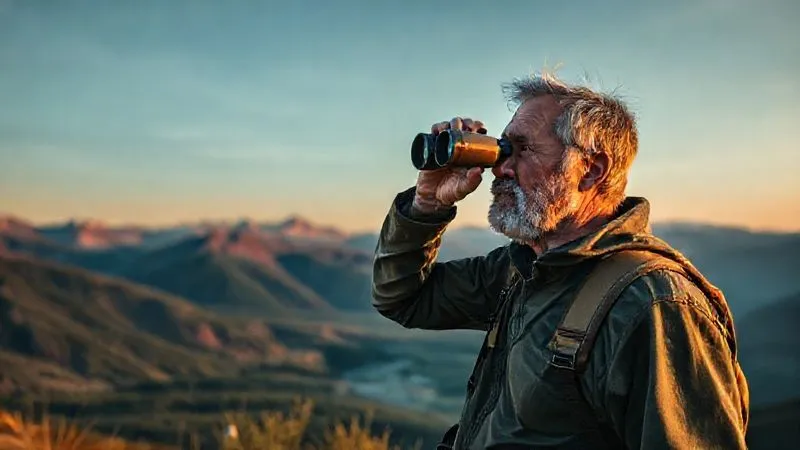
Beyond navigation, a few compact items can significantly aid in on-the-ground reconnaissance. A good pair of binoculars, for example, allows you to scout potential clearings or assess terrain from a distance, saving you the time and effort of hiking to a spot only to find it unsuitable. This is particularly useful in hilly or mountainous terrain.
A powerful headlamp is obvious for night navigation, but it's also useful for quick, late-day checks of a potential site's ground conditions or for spotting hidden obstacles. While not for everyone, a small, collapsible drone (where permitted and used ethically) can offer an incredible aerial perspective, quickly revealing hidden clearings, access routes, and potential hazards that are invisible from ground level. Always check local drone regulations and respect privacy.
Developing Your 'Wild Camping Instinct': Learning from Experience
While tools and digital maps are invaluable, the most powerful asset for quickly locating safe, legal wild camp spots is a well-honed 'wild camping instinct.' This isn't something you can download; it's developed through experience, observation, and a willingness to learn from every trip.
The Art of Stealth and Discretion
A key component of this instinct is mastering the art of stealth and discretion. Wild camping, especially in areas with stricter regulations or higher population density, often requires you to be virtually invisible. This means selecting spots that are naturally secluded, avoiding highly visible areas, and minimizing your presence.
- Arrive Late, Leave Early: This classic rule helps ensure you disturb as few people as possible. Set up camp just before dusk and pack up shortly after dawn.
- Minimize Your Footprint: Choose a spot that requires minimal alteration. Don't clear vegetation or dig trenches. Leave the area exactly as you found it.
- Choose Inconspicuous Spots: Look for natural depressions, behind dense foliage, or slightly off the beaten path. Avoid setting up directly on popular trails or viewpoints.
- No Fires (Usually): In many regions, especially on a tight schedule, building a fire is time-consuming and can draw unwanted attention. A stove is often a better, quicker, and more discreet option.
The goal is to blend in, to be a temporary, respectful visitor who leaves no trace of their presence. This discretion is often what allows wild camping to remain an option in many areas.
The Best Teacher: In my experience, the greatest lessons in wild camping come from getting out there. Every successful spot, every time you have to move on, every interaction, adds to your instinct. Keep a mental (or physical) log of what worked and what didn't.
Post-Camp Review: What Worked, What Didn't
After each wild camping experience, especially on a tight schedule, I conduct a quick mental 'post-camp review.' This reflection is crucial for refining your instinct and improving your efficiency for future trips. Ask yourself:
- Was the spot truly safe and legal?
- How quickly did I find it? What tools or methods were most effective?
- Were there any unexpected challenges (e.g., noise, poor drainage, difficult access)?
- What could I have done differently to make the process smoother or the spot better?
- Did I leave absolutely no trace?
By consciously analyzing your experiences, you begin to recognize patterns, develop a keen eye for promising terrain, and become more adept at filtering information. This iterative learning process is what transforms a novice into a skilled wild camper who can effortlessly locate safe, legal spots, even under pressure.
Overcoming Common Obstacles on a Tight Schedule
Even with the best preparation and a honed instinct, wild camping on a tight schedule inevitably throws curveballs. The ability to adapt and overcome these common obstacles quickly is crucial for success and maintaining your travel flow.
Dealing with Unexpected Spot Unavailability
It's happened to me countless times: you arrive at a meticulously researched wild camp spot, only to find it occupied, inaccessible, or suddenly deemed unsuitable. On a tight schedule, this can be a major setback. My strategy is simple: always have backup plans.
When researching, I don't just identify one potential spot; I identify two or three within a reasonable radius. These backups don't need to be perfect, but they need to be viable. If the primary spot falls through, I can immediately pivot to the next without losing precious time scrambling for new information. As a last resort, I always know the location of the nearest designated campsite or even a safe, legal overnight parking option (like a 24-hour supermarket car park or a truck stop in some regions) that I can fall back on for a quick, if less inspiring, night's rest.
Flexibility is your greatest ally here. Be willing to adjust your expectations. A less-than-perfect but safe and legal spot is always better than an illegal or risky one.
Managing Time Constraints Effectively
The very premise of this article – a tight travel schedule – means time management is paramount. Every decision, every detour, every minute spent searching impacts your overall itinerary. To manage this effectively, I integrate 'spotting time' into my daily plan.
- Allocate Dedicated Scouting Time: Don't wait until it's dark to start looking. Begin scouting for potential spots a few hours before sunset. This gives you ample daylight for assessment and a buffer if you need to move on.
- Prioritize Safety Over Proximity: While it's tempting to pick the closest spot to save time, never compromise on safety or legality. A slightly longer drive to a confirmed safe spot is always preferable to a risky gamble.
- Streamline Camp Setup/Teardown: Practice setting up and packing down your camp efficiently. The quicker you can do this, the more time you save for scouting or travel.
| Scenario | Quick Action | Time Saved |
|---|---|---|
| Primary spot occupied/unsuitable | Immediately proceed to pre-researched backup spot(s). | 2+ hours (avoiding frantic new search) |
| Unexpected weather change (e.g., heavy rain) | Seek natural shelter (dense tree cover) or move to a more protected, lower elevation area. Consider designated shelter. | 1-2 hours (avoiding dangerous conditions/setup difficulties) |
| Approached by landowner/ranger | Politely explain your intentions, show willingness to move. Have a backup plan ready. | Avoids conflict, potential fines, and lengthy discussions. |
| Lost/disoriented | Stop, consult multiple navigation tools (GPS, map, compass). Prioritize finding a known point. | Prevents longer detours and potential safety risks. |
| Running low on water/supplies | Head towards nearest town/resupply point immediately. Prioritize basic needs over 'perfect' camp. | Avoids emergency situations and discomfort. |
| No suitable wild spots found | Locate nearest designated campsite, hostel, or legal overnight parking. Don't force a risky wild spot. | Prevents illegal camping and ensures a safe night. |
| Vehicle issue (minor) | Quickly assess if it's fixable on-site. If not, secure the vehicle and consider a nearby safe camp or call for assistance. | Prevents worsening issue, ensures safety. |
| Safety concern (wildlife/human) | Immediately pack up and move to a known safe location or designated area. Trust your instincts. | Prioritizes personal safety above all else. |
As renowned adventurer Bear Grylls often says, "Preparation is key to survival." This holds true for efficient wild camping. The more you plan, the more tools you have at your disposal, and the more you practice these rapid assessment techniques, the less impact unexpected obstacles will have on your tight travel schedule. Stay agile, stay prepared, and always prioritize safety and legality.
Frequently Asked Questions (FAQ)
Is wild camping always illegal if not explicitly permitted? No, not always. The legality of wild camping varies significantly by country and even by specific region or type of land. In some places, like Scotland (UK) or Nordic countries, there's a 'right to roam' which generally permits wild camping on uncultivated land, provided you follow responsible practices. In other areas, such as most of England and Wales, it is largely illegal without landowner permission. In the United States, dispersed camping is often allowed in National Forests and Bureau of Land Management (BLM) areas, but usually with specific rules regarding distance from roads and water, and stay limits. Always research the specific regulations for your intended location before you go.
How do I deal with landowners if I accidentally trespass? If you find yourself on private land, whether accidentally or intentionally, the best approach is always respectful and polite. If approached by a landowner, immediately apologize for the intrusion, explain your situation (e.g., searching for a camp spot, lost), and offer to pack up and move immediately. Do not argue or become defensive. A calm, courteous attitude can often de-escalate the situation and prevent legal repercussions. Having a backup plan for where you'll go next can also help demonstrate your willingness to comply.
What if I can't find *any* suitable wild camp spots? This is a common concern on a tight schedule. My advice is to always have a fallback plan. If wild camp spots prove elusive or unsuitable, consider these alternatives: designated campsites (even if paid, they offer a guaranteed safe spot), hostels or budget accommodations, or legal overnight parking options (e.g., some 24-hour supermarket car parks, truck stops, or rest areas, depending on local regulations). Never force a wild camp spot that feels unsafe, illegal, or compromises your comfort just to stick to a 'wild' ideal. Your safety and peace of mind are paramount.
Are there specific times of day best for locating spots? Yes, absolutely. I always recommend starting your search for a wild camp spot a few hours before sunset. This provides ample daylight for thorough on-the-ground assessment (checking terrain, visibility, potential hazards) and allows you sufficient time to move to a backup spot if your primary choice doesn't work out. Arriving in the dark makes assessment difficult, increases the risk of choosing an unsuitable or illegal spot, and can draw unwanted attention as you scramble to set up. Aim to be settled and discreet before true darkness falls.
How can I ensure my personal safety when wild camping solo? Solo wild camping requires extra vigilance. Prioritize telling someone your itinerary and expected return time. Carry a reliable satellite communication device for emergencies. Choose discreet spots away from main roads or highly trafficked areas. Trust your instincts – if a spot feels 'off,' move on. Keep your camp low-profile and avoid drawing attention. Secure your food to deter wildlife. Carry basic self-defense tools (e.g., a whistle, pepper spray where legal). Most importantly, be aware of your surroundings and any local wildlife or human activity that might pose a risk. Researching local hazards beforehand is crucial.
Key Takeaways and Final Thoughts
Successfully navigating the complexities of finding safe, legal wild camp spots on a tight travel schedule is less about luck and more about mastering a blend of digital savvy, on-the-ground intuition, and unwavering ethical commitment. My years on the road have taught me that the freedom of wild camping is earned through diligent preparation and responsible practice.
- Prioritize Digital Reconnaissance: Leverage mapping apps, satellite imagery, and crowdsourced platforms to pre-vet potential spots and understand local regulations.
- Master On-the-Ground Assessment: Utilize a '5-minute rule' and keen observation to quickly evaluate safety, legality, and suitability upon arrival.
- Embrace Community Knowledge: Tap into online forums and groups for real-time insights, but always verify information with official sources.
- Adhere to Leave No Trace: Your ethical conduct is crucial for maintaining access and preserving the wild places we cherish.
- Equip Wisely: Essential navigation, communication, and reconnaissance tools are investments in efficiency and safety.
- Develop Your Instinct: Learn from every trip, practice discretion, and conduct post-camp reviews to refine your wild camping prowess.
- Plan for Contingencies: Always have backup spots and alternative accommodation options to mitigate unexpected challenges.
The wilderness offers unparalleled beauty and profound solitude, but it demands respect and preparation. By integrating these expert strategies into your travel routine, you'll not only quickly locate safe, legal wild camp spots but also enhance your overall adventure, making every moment count. So, pack your bags, charge your devices, and embark on your next journey with confidence, knowing you have the skills to find your perfect slice of wild paradise. For further insights on responsible outdoor travel, consider exploring resources like Adventure Journal.
Recommended Reading
- 7 Steps: Ensuring Ethical Impact in Overseas Animal Volunteer Programs
- 7 Strategies: Transform Obscure Railway Museums for Luxury Sales
- 7 Steps: Carbon Neutral Business Travel Without Huge Costs?
- Navigating Zero-G Tourism Safety: 7 Steps to Regulatory Compliance
- High-Speed Rail Europe: Pro Travel Tips for Seamless Journeys





Your email address will not be published. Required fields are marked *