

How to mitigate tourist impact on sensitive archeological site integrity?
For over two decades in the cultural travel sector, I've had the immense privilege of exploring some of the world's most breathtaking and fragile archeological sites. From the sun-baked pyramids of Egypt to the mist-shrouded temples of the Maya, I've witnessed firsthand the profound impact these ancient wonders have on visitors, but also, regrettably, the often-unintended damage that large-scale tourism can inflict.
The inherent paradox is clear: we want to share these irreplaceable windows into human history, allowing people to connect with the past and foster a sense of global heritage. Yet, every footstep, every touch, every breath in a confined space contributes to the slow, inexorable degradation of structures and artifacts that have stood for millennia. Site managers, local communities, and even responsible tourists grapple with this profound challenge: how do we balance access with the imperative of preservation?
In this definitive guide, I'll draw upon my extensive experience and the latest expert insights to provide you with a comprehensive framework. We’ll delve into the actionable strategies, cutting-edge technologies, and community-centric approaches that are absolutely essential to mitigate tourist impact on sensitive archeological site integrity, ensuring these treasures endure for generations to come. This isn't just theory; these are the practical steps I've seen work on the ground.
Understanding the Delicate Balance: Access vs. Preservation
At the heart of archeological tourism lies a fundamental tension. On one hand, these sites are invaluable educational resources, cultural touchstones, and often, significant economic drivers for local communities. They inspire, educate, and connect us to our shared human story, fostering a global appreciation for heritage.
On the other hand, they are finite, non-renewable resources, incredibly vulnerable to environmental factors and, crucially, to human activity. The very act of visiting, even with the best intentions, introduces variables that accelerate wear and tear, from physical erosion to micro-climatic shifts within enclosed spaces. It's a tightrope walk where a misstep can lead to irreversible loss.
I've often likened it to managing a rare, priceless manuscript. You want people to read it, to learn from it, but you know that every touch of a page causes microscopic damage. The challenge isn't to eliminate interaction, but to manage it with meticulous care and strategic foresight, ensuring its longevity while maximizing its educational and cultural value.
Expert Insight: "The goal is not to stop tourism, but to transform it into a force for good. Responsible tourism, when properly managed, can be the most effective guardian of our cultural heritage." - Dr. Elena Petrova, UNESCO Heritage Specialist
The Hidden Threats: Beyond Foot Traffic
When we think of tourist impact, our minds often jump to obvious physical damage. However, the threats to archeological site integrity are far more insidious and multifaceted than just worn pathways. Understanding these deeper issues is the first step in effective mitigation.
Direct Physical Damage
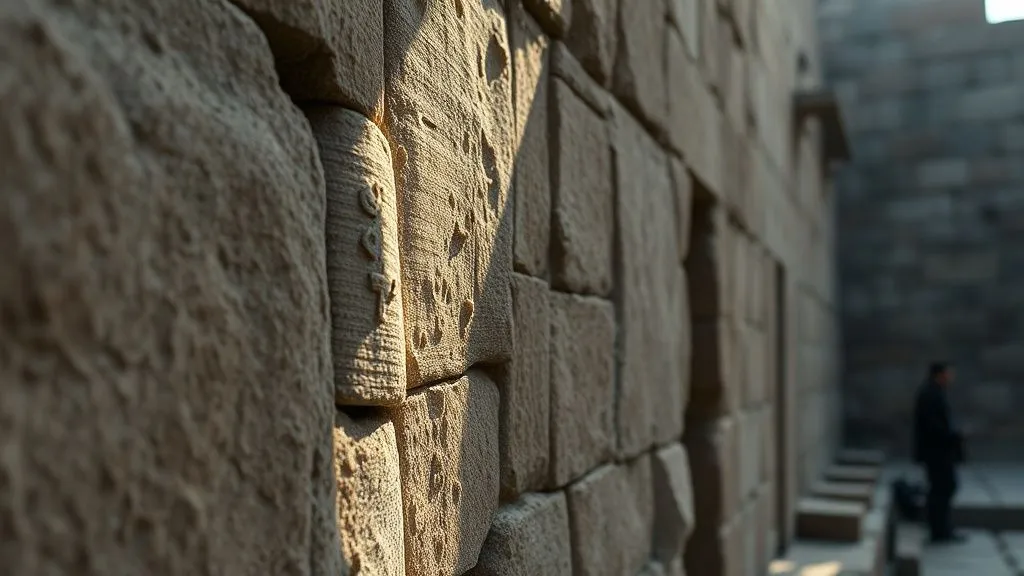
This is perhaps the most visible and immediate form of degradation. It includes the obvious: erosion from countless footsteps on ancient stones, accidental bumping into fragile structures, graffiti, and even deliberate vandalism. Less obvious but equally damaging are actions like touching frescoes, leaning on walls, or collecting 'souvenirs' which are, in fact, artifacts.
Looting, though often associated with illicit activity, can also be exacerbated by unmanaged tourist access, providing cover or opportunity for those with nefarious intentions. I've seen sites where generations of visitors have inadvertently created new, damaging pathways simply by following the path of least resistance.
Environmental & Micro-Climatic Changes
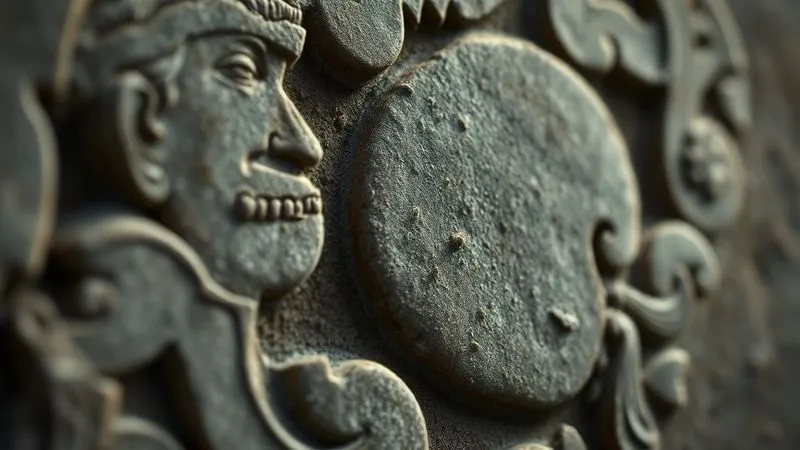
This is where the science of preservation becomes paramount. Human presence introduces heat, moisture, and carbon dioxide into enclosed spaces like tombs or caves. These changes can disrupt stable micro-climates that have preserved artifacts for millennia, leading to accelerated decay, mold growth, and chemical reactions that degrade pigments, textiles, and organic materials.
Even open-air sites are affected. Increased foot traffic can compact soil, altering drainage patterns and stressing vegetation that helps stabilize structures. The exhaust from tourist vehicles, though perhaps not directly on site, contributes to air pollution that can erode stone and corrode metals over time.
Socio-Cultural Impacts
Beyond the physical, there are profound impacts on the authenticity and local context of a site. Over-tourism can lead to the commercialization and 'Disneyfication' of cultural heritage, where authentic experiences are replaced by mass-produced spectacles. This can dilute the spiritual or historical significance of a place, turning it into merely a backdrop for selfies.
Local communities, who are often the traditional custodians of these sites, can also bear the brunt of over-tourism. Increased cost of living, displacement, and a loss of control over their heritage are real concerns. True mitigation must consider the well-being and involvement of these communities.
Pillars of Proactive Mitigation: A Framework for Site Managers
Effective mitigation isn't a one-time fix; it's a continuous, multi-faceted process built upon several key pillars. In my experience, neglecting any one of these can undermine even the most well-intentioned efforts. This framework provides a holistic approach to how to mitigate tourist impact on sensitive archeological site integrity.
Pillar 1: Robust Site Assessment & Monitoring
You can't manage what you don't measure. A thorough understanding of a site's current condition and its vulnerabilities is absolutely foundational.
- Baseline Data Collection: Before significant tourism begins, or as soon as possible, conduct comprehensive surveys to document the site's condition. This includes detailed mapping, photographic records, environmental readings (temperature, humidity, light levels), and material analysis.
- Regular Monitoring & Impact Assessment: Implement a continuous monitoring program. Use sensors to track environmental changes, conduct regular visual inspections, and analyze visitor patterns. This data helps identify specific areas of impact and informs adaptive management strategies.
- Technology Integration: Leverage tools like laser scanning (LiDAR) for 3D modeling, photogrammetry for detailed imagery, and drone surveys for aerial perspectives. These provide incredibly precise data for tracking changes over time.
According to a study published in the Journal of Archaeological Science, sites with comprehensive, long-term monitoring programs show significantly slower rates of degradation compared to those without.
Pillar 2: Strategic Visitor Management & Flow Control
Controlling *how* and *where* visitors move through a site is critical to reducing physical impact.
- Capacity Limits & Time Slots: Implement daily or hourly visitor limits. This can be done through advance booking systems and timed entry tickets, preventing overcrowding and allowing sites to 'rest.'
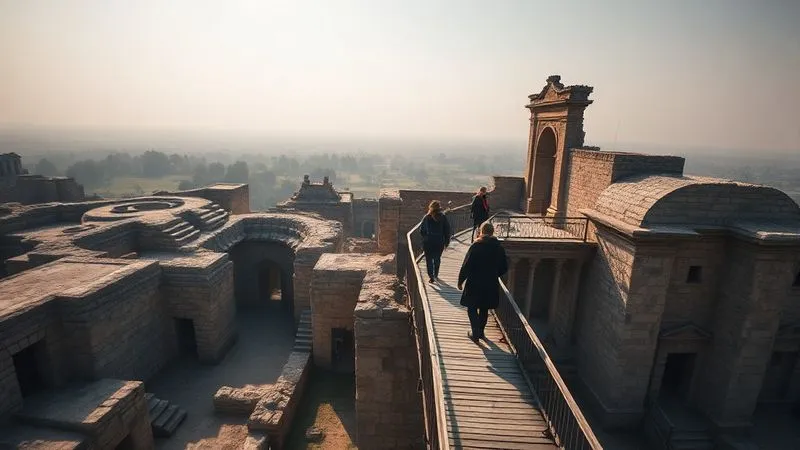
- Designated Pathways & Barriers: Clearly delineate visitor routes using raised walkways, ropes, or subtle barriers. These direct foot traffic away from fragile areas and prevent accidental contact with structures.
- Guided Tours & Small Groups: Encourage or mandate guided tours with trained professionals. Guides can ensure visitors stay on designated paths, explain the fragility of the site, and manage group dynamics more effectively than individual free-roaming tourists.
- Dynamic Signage & Information: Use clear, multilingual signage that not only educates but also explicitly states rules and reasons for restrictions (e.g., "Please do not touch – oils from hands damage ancient pigments").
Pillar 3: Education and Interpretation: Fostering Stewardship
An informed visitor is a responsible visitor. Education transforms a passive observer into an active steward of heritage.
- Engaging Interpretive Materials: Beyond basic facts, interpretive centers and on-site signage should tell compelling stories, explain the site's significance, and highlight conservation efforts. Make the 'why' of preservation clear.
- Qualified Local Guides: Invest in training local individuals to become knowledgeable guides. They offer authentic perspectives, build community connection, and are often the most effective at conveying the importance of respectful behavior.
- Pre-Visit Information: Provide comprehensive information online and through tour operators about responsible visitor behavior, recommended attire, and site regulations *before* visitors arrive.
Case Study: How the Petra National Trust Enhanced Visitor Behavior
The ancient city of Petra in Jordan faced immense pressure from burgeoning tourism, leading to concerns about erosion and damage to its iconic sandstone monuments. The Petra National Trust, in collaboration with international partners, launched an ambitious interpretation and guide training program. By focusing on storytelling, emphasizing the Nabataean culture, and clearly explaining the fragility of the sandstone, they transformed visitor attitudes. The program reduced instances of off-path wandering by 40% and significantly decreased littering within the main Siq pathway in its first three years, demonstrating the power of education in fostering stewardship.
Pillar 4: Sustainable Infrastructure & Conservation Science
The physical environment around and within the site needs intelligent, sustainable management.
- Eco-Friendly Visitor Facilities: Design and construct visitor centers, restrooms, and other facilities using sustainable materials and practices that minimize environmental footprint and blend harmoniously with the landscape.
- Micro-Climatic Control: For enclosed spaces, employ passive or active systems to stabilize temperature and humidity. This might involve carefully designed ventilation, dehumidifiers, or even re-routing visitor paths to avoid sensitive chambers.
- Material Conservation & Restoration: Employ trained conservators to undertake careful, minimal intervention restoration and stabilization of structures. This is a specialized field that requires deep scientific understanding to avoid further damage.
The UNESCO World Heritage Centre emphasizes the importance of integrating conservation science into all aspects of site management to ensure long-term sustainability. More information on their guidelines can be found on their official website: UNESCO World Heritage Centre.
Pillar 5: Community Engagement & Benefit Sharing
Local communities are the ultimate custodians of their heritage. Their involvement is not just ethical, but essential for long-term preservation.
- Local Employment & Training: Prioritize hiring and training local residents for all aspects of site management, guiding, and visitor services. This creates a direct economic incentive for preservation.
- Revenue Sharing: Establish mechanisms to ensure a portion of tourism revenue directly benefits local communities, funding infrastructure, education, or other local development projects.
- Consultation & Participatory Planning: Involve local communities in decision-making processes regarding site management and tourism development. Their traditional knowledge and vested interest are invaluable.
As Forbes has highlighted, community-based tourism initiatives are often far more successful in achieving sustainable outcomes because they align the interests of preservation with local economic well-being. Read more on this perspective here.
| Strategy Pillar | Key Actions | Expected Outcome |
|---|---|---|
| Site Assessment & Monitoring | Baseline data, regular surveys, tech integration | Early detection of degradation, data-driven decisions |
| Visitor Management | Capacity limits, designated paths, guided tours | Reduced physical wear, improved visitor experience |
| Education & Interpretation | Engaging materials, local guides, pre-visit info | Increased visitor respect, enhanced stewardship |
| Sustainable Infrastructure | Eco-friendly facilities, micro-climate control, conservation | Minimized environmental footprint, structural stability |
| Community Engagement | Local employment, revenue sharing, participatory planning | Stronger local ownership, equitable benefits |
Leveraging Technology for Enhanced Protection
In our modern era, technology offers powerful new tools to augment traditional conservation methods and help us how to mitigate tourist impact on sensitive archeological site integrity effectively.
Geospatial Technologies (GIS & GPS)
Geographic Information Systems (GIS) allow site managers to create detailed, layered maps of archeological sites, integrating data on topography, hydrology, vegetation, visitor paths, and areas of degradation. GPS-enabled tracking can monitor visitor movement patterns, identifying 'hot spots' of impact and informing pathway redesigns.
Remote Sensing & Drones
Drones equipped with high-resolution cameras, thermal sensors, and LiDAR can conduct rapid, non-invasive surveys of vast or inaccessible areas. They can detect changes in vegetation, ground erosion, and even subtle structural shifts long before they are visible to the human eye, providing crucial early warnings.
Virtual & Augmented Reality (VR/AR)
VR and AR offer exciting possibilities for reducing physical impact while enhancing visitor experience. Imagine exploring a fragile tomb in exquisite detail through a VR headset, or using an AR app on your phone to overlay reconstructions of ancient buildings onto their ruins, all without touching a single artifact. This can significantly reduce the need for physical access to highly sensitive areas.

Case Study: The Challenges and Triumphs at Chichen Itza
Chichen Itza, a UNESCO World Heritage site in Mexico, offers a compelling example of the complexities and successes in mitigating tourist impact. As one of the New Seven Wonders of the World, it attracts millions annually, presenting monumental preservation challenges.
Initial Impact & Recognition of the Problem
For decades, tourists were allowed to climb the iconic El Castillo pyramid, leading to significant erosion of the steps and structural stress. The sheer volume of visitors also compacted the surrounding plaza, damaged stucco reliefs, and put immense pressure on local infrastructure. The site was at risk of loving itself to death.
Implementation of Mitigation Measures
In 2006, after extensive debate and expert consultation, climbing El Castillo was prohibited. This was a pivotal decision, met with initial resistance but ultimately accepted as necessary. Other measures included:
- Strictly designated pathways, often elevated, to protect ground structures.
- Increased security and surveillance to prevent unauthorized access and vandalism.
- Enhanced interpretive signage and mandatory local guides for organized tours.
- Development of off-site visitor amenities to reduce pressure on the core archeological zone.
- Ongoing conservation work on structures, informed by regular monitoring.
Outcomes and Ongoing Challenges
The prohibition on climbing El Castillo dramatically reduced physical degradation to the pyramid. Overall site erosion has slowed, and the focus has shifted to a more respectful, educational visitor experience. However, challenges remain, particularly with managing the sheer volume of visitors during peak seasons and ensuring sustainable economic benefits for local Mayan communities.
| Metric | Before 2006 | After 2006 |
|---|---|---|
| Climbing El Castillo (Annual) | ~2.5 million ascents | 0 (prohibited) |
| Visible Erosion on Pyramid Steps | Significant, accelerating | Stabilized, minimal new wear |
| Visitor Footprint on Plaza | Widespread, uncontrolled | Confined to designated paths |
| Average Visitor Satisfaction (Education) | Moderate | High (focus on interpretation) |
Implementing a Dynamic Adaptive Management Plan
The world's climate is changing, visitor numbers fluctuate, and new technologies emerge. Therefore, a static management plan is a failing plan. Effective mitigation strategies must be dynamic and adaptive.
Regular Review and Feedback Loops
Site managers must regularly review the effectiveness of their mitigation measures. This involves analyzing monitoring data, gathering feedback from visitors and local communities, and assessing new threats. What worked five years ago may not be sufficient today.
Flexibility and Responsiveness
Be prepared to adjust strategies. If a particular pathway is showing unexpected wear, be ready to reroute or reinforce it. If a new technology offers a better monitoring solution, be open to adopting it. Rigidity in management can be as damaging as neglect.
Interdisciplinary Collaboration
No single discipline has all the answers. Archeologists, conservators, hydrologists, tourism experts, community leaders, and even AI specialists need to collaborate. This holistic approach ensures that all facets of how to mitigate tourist impact on sensitive archeological site integrity are considered.
The Role of the Responsible Traveler
Ultimately, mitigation is a shared responsibility. As travelers, our choices have a direct impact. Being a responsible traveler is not just about following rules; it's about adopting a mindset of respect and stewardship.
- Research Before You Go: Understand the site's rules and cultural sensitivities.
- Stay on Designated Paths: These are there for your safety and the site's protection.
- Do Not Touch: Oils, dirt, and even the slightest pressure can damage fragile surfaces.
- Leave No Trace: Pack out everything you pack in, and never litter.
- Support Local: Choose local guides, eat at local establishments, and buy authentic local crafts.
- Report Concerns: If you witness damaging behavior, discreetly inform site staff.
- Educate Yourself and Others: Share the importance of responsible tourism with your travel companions.
Frequently Asked Questions (FAQ)
Q: What are the most common types of damage caused by tourists? The most common types include physical erosion from foot traffic, accidental contact with fragile structures, vandalism (graffiti), littering, and micro-climatic changes (increased humidity/temperature) in enclosed spaces. Less obvious but significant are the socio-cultural impacts like the commercialization of heritage and displacement of local communities.
Q: How can local communities benefit from archeological tourism while protecting sites? Local communities can benefit through direct employment in site management and tourism services, revenue sharing agreements that fund local development, and opportunities to showcase their cultural heritage through authentic experiences. Their involvement in planning and decision-making is crucial for equitable benefit sharing and fostering a sense of ownership over preservation efforts.
Q: Is it always necessary to restrict access to preserve sites? Not always, but often. The level of restriction depends on the site's fragility, visitor volume, and the specific types of threats. For highly sensitive areas, complete closure or virtual access might be necessary. For others, designated pathways, timed entry, and guided tours can provide a balance. The goal is managed access, not necessarily no access.
Q: What role does funding play in effective site mitigation? Funding is absolutely critical. Effective mitigation requires resources for monitoring equipment, conservation specialists, infrastructure development (e.g., elevated walkways), educational programs, community engagement initiatives, and ongoing maintenance. Without adequate financial support, even the best plans can falter, highlighting the need for sustainable funding models that often involve a portion of tourism revenue.
Q: How can technology truly revolutionize site preservation efforts? Technology offers revolutionary capabilities in monitoring, analysis, and visitor management. GIS and remote sensing provide precise data for early detection of degradation. VR/AR can offer immersive experiences without physical impact on fragile areas. AI can analyze visitor patterns and predict potential stress points. These tools allow for more proactive, data-driven, and less invasive preservation strategies.
Key Takeaways and Final Thoughts
Mitigating tourist impact on sensitive archeological site integrity is a complex, ongoing challenge, but one that we, as stewards of global heritage, are absolutely capable of addressing. My years in this field have taught me that success hinges on a blend of scientific rigor, strategic planning, technological innovation, and, critically, heartfelt community engagement.
- Holistic Approach: Don't view preservation in isolation; integrate it with visitor experience, community benefit, and environmental sustainability.
- Data-Driven Decisions: Rely on robust monitoring and assessment to inform your strategies and adapt as conditions change.
- Empowerment Through Education: Transform visitors into partners in preservation through compelling interpretation and responsible travel guidelines.
- Community at the Core: Ensure local communities are central to planning and benefit equitably from tourism.
- Embrace Innovation: Leverage technology not as a replacement for human expertise, but as a powerful amplifier for conservation efforts.
The ancient sites we cherish are not just stones and ruins; they are the tangible echoes of human endeavor, ingenuity, and spirit. They connect us to our origins and inspire our future. By committing to these robust mitigation strategies, we don't just protect fragile structures; we safeguard the very essence of our shared human story for generations yet to come. It’s a profound responsibility, and one I believe we can collectively fulfill.
Recommended Reading
- Unexpected Human Remains at Digs: 7 Urgent Protocols to Follow
- Michelin Star Dining: How to Handle Dietary Restrictions (Successfully)
- Decoding Space Tourism: Commercial Spaceflight Safety Regulations Explained
- 5 ROI Metrics: Justifying Private Jet Costs for Executive Business Trips
- 7 Proven Strategies: Maximize Your Luxury Glamping Investment Returns





Your email address will not be published. Required fields are marked *