

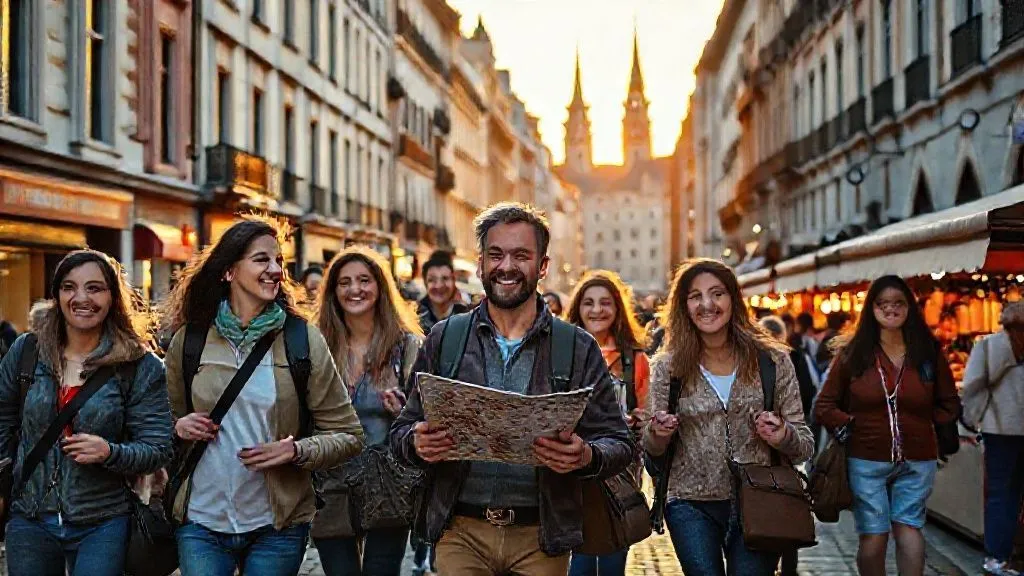
How to Profitably Scale Free Walking Tours in Competitive Cities?
For over 15 years in the budget travel sector, I've witnessed countless tour operators launch 'free' walking tours with high hopes, only to see them struggle to move beyond mere subsistence, especially in hyper-competitive urban landscapes. The allure of 'free' is undeniable, drawing crowds, but converting that initial interest into sustainable, scalable profit is where the real challenge lies.
The pain point is palpable: guides pour their heart and soul into delivering exceptional experiences, yet often find themselves relying solely on unpredictable tips, battling against a sea of similar offerings, and facing ever-increasing operational costs. It's a high-burn, low-margin trap that can quickly lead to burnout and disillusionment.
In this definitive guide, I'll share the actionable frameworks, expert insights, and real-world strategies I've developed and observed to not just survive, but truly thrive. You'll learn how to redefine your value, optimize your operations, and build a scalable business model that transforms your 'free' tours into a powerful engine for profitable growth, even in the most saturated markets.
Understanding the 'Free Tour' Paradox in Competitive Markets
The term 'free walking tour' is, in many ways, a misnomer. It implies zero cost, yet for the operator, it involves significant investment in guide training, marketing, logistics, and often, permits. In cities like Rome, Prague, or New York, the sheer volume of 'free' tour providers creates a race to the bottom, where differentiation becomes incredibly difficult.
The Illusion of "Free"
Guests perceive a 'free' tour as a no-risk proposition. This lowers the barrier to entry, which is excellent for attracting volume. However, it also conditions guests to expect something for nothing, potentially impacting their willingness to tip generously or invest in additional paid offerings. As Harvard Business Review highlighted, the psychology of 'free' is complex and can sometimes devalue the perceived quality.
I've seen tour operators fall into the trap of believing that volume alone will solve their profitability issues. While high numbers are a good start, without a robust strategy to convert that volume into tangible revenue, it's merely an exercise in moving large groups of people around at a loss.
High Operational Costs & Guide Compensation Challenges
Operating a walking tour, even a 'free' one, incurs costs. There are marketing expenses, website maintenance, booking platform fees, insurance, and sometimes, city permits. The most significant cost, however, is often guide compensation. Relying solely on tips creates an unstable income for guides, leading to high turnover and a struggle to attract top talent.
"Profitability in 'free' tours isn't about eliminating costs; it's about maximizing the value extracted from each interaction and ensuring that value is shared sustainably with your most crucial asset: your guides."
If your guides aren't motivated, well-trained, and fairly compensated, the quality of your tours will inevitably suffer, directly impacting the guest experience and, consequently, their willingness to tip or purchase add-ons. This creates a vicious cycle that prevents scaling.
Crafting Your Premium Value Proposition: Beyond the Basics
To scale profitably, you must move beyond simply offering 'free.' You need a compelling value proposition that makes guests eager to compensate you, whether through tips or paid upgrades. This means differentiating yourself significantly.
Niche Specialization & Unique Storytelling
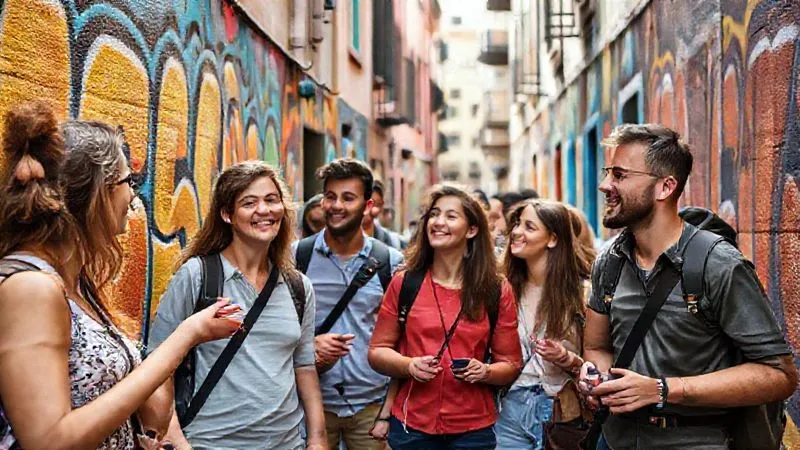
In competitive cities, a generic 'historical highlights' tour won't cut it. I always advise operators to find their niche. Instead of just history, consider a 'Dark History & Legends Tour,' a 'Street Art & Urban Culture Walk,' or a 'Local Food & Market Explorer.' Specialization attracts a more engaged audience who are often willing to pay more for a unique experience.
Furthermore, focus on storytelling, not just fact-reciting. Guides should be master narrators, bringing history and culture to life with engaging anecdotes, personal insights, and interactive elements. This emotional connection is priceless and drives higher tips and loyalty.
Enhancing the Guest Experience: Little Luxuries, Big Impact
Think about what small, thoughtful additions can elevate your 'free' tour. This isn't about making it expensive, but about adding perceived value. Perhaps a curated digital map with recommended local spots, a small souvenir discount at a partner shop, or even providing umbrellas on a rainy day. These gestures create a memorable experience.
Consider offering a brief, complimentary local treat – a small sample of a regional pastry or coffee. These 'surprises and delights' leave a lasting positive impression and significantly increase the perceived value, making guests feel like they've received more than they expected from a 'free' offering.
Mastering the Art of Conversion: From Tip to Ticket
The core of profitable scaling for free tours lies in your ability to convert participants into paying customers. This isn't about trickery; it's about demonstrating undeniable value and offering irresistible pathways to further engagement.
The Psychology of Tipping & Value Perception
Tipping isn't just about generosity; it's often a direct reflection of perceived value and emotional connection. Guides need to understand this. A guide who is knowledgeable, passionate, entertaining, and empathetic will naturally earn more. Training guides in effective communication, humor, and rapport-building is paramount.
I've always taught guides to frame the 'free' tour as an 'introduction' to the city, making it clear that while the tour itself is free, their expertise and effort are invaluable. A subtle, respectful explanation of how tips sustain the tour and the guides can significantly increase generosity.
Upselling & Cross-selling Premium Experiences
This is where the real scaling begins. The 'free' tour serves as a high-quality lead generator for your paid offerings. During or immediately after the free tour, guides should expertly introduce premium experiences. This could be:
- Extended Tours: A deeper dive into a specific neighborhood or theme, requiring a paid ticket.
- Specialty Workshops: Cooking classes, photography walks, language tasters.
- Exclusive Access: Tours that include entry to museums, galleries, or private venues.
- Merchandise: Branded souvenirs, local crafts, guidebooks.
- Food & Drink Experiences: Paid tasting tours, pub crawls, restaurant recommendations with affiliate links.
Case Study: How 'City Lore Tours' Boosted Revenue with Premium Add-ons
City Lore Tours, operating in a highly competitive European capital, initially struggled with inconsistent guide income despite high attendance. They implemented a strategy where their 'free' historical overview tour served as a direct funnel for two premium offerings: a 'Hidden Gems & Local Flavors' food tour and an 'Evening Legends & Ghost Walk.' Guides were trained to subtly weave in compelling narratives about these paid tours, highlighting unique aspects and limited availability. They offered a small discount for booking on the spot. Within six months, their conversion rate from free to paid tours jumped from 5% to 18%, significantly boosting overall revenue and guide compensation. This resulted in a 30% increase in average guide earnings and allowed them to invest in better marketing and guide training, creating a virtuous cycle of growth.
| Revenue Stream | Q1 Avg. Revenue per Participant | Q2 Avg. Revenue per Participant |
|---|---|---|
| Free Tour (Tips) | $8.50 | $9.20 |
| Paid Extension Tours | $3.10 | $5.80 |
| Merchandise Sales | $0.75 | $1.10 |
| Affiliate Commissions | $0.20 | $0.35 |
| Total Average Revenue per Participant | $12.55 | $16.45 |
Optimized Operations: Efficiency as Your Profit Lever
Scaling profitably isn't just about making more money; it's also about spending smarter. Streamlining your operations can significantly impact your bottom line.
Smart Scheduling & Route Optimization
Inefficient scheduling leads to wasted guide time and missed opportunities. Use data to identify peak demand times and popular routes. Can you run multiple tours concurrently? Can you adjust start times to avoid congestion and offer a better experience? Tools for route planning can minimize travel time for guides and maximize the ground covered effectively.
Consider the logistical flow: where do tours start and end? Are these locations easily accessible? Are there nearby opportunities for upsells (e.g., a partner café)? A well-optimized route not only enhances the guest experience but also improves guide efficiency and reduces operational friction.
Leveraging Technology for Booking & Feedback (CRM)
Manual booking and feedback collection are time-consuming and prone to error. Invest in a robust booking system that allows guests to easily reserve their spot (even for 'free' tours, as this provides valuable data and commitment). A good Customer Relationship Management (CRM) system is crucial.
With a CRM, you can:
- Track guest data (email, tour history, preferences).
- Automate pre- and post-tour communications.
- Collect structured feedback and reviews.
- Segment your audience for targeted marketing of paid tours.
This data-driven approach, as emphasized by marketing experts like Neil Patel, is fundamental for understanding your audience and tailoring your offerings for maximum impact.
Building a High-Performing Guide Team: Your Brand Ambassadors
Your guides are the heart and soul of your business. They are your brand ambassadors, the direct link between your company and your guests. Investing in them is investing in your profitability.
Fair Compensation Models & Performance Incentives
While tips are part of the 'free' tour model, consider supplementing them with a base pay or performance-based bonuses. This provides stability for guides and incentivizes them to excel. Performance metrics could include:
- Average tip amount per guest.
- Conversion rate to paid tours.
- Positive guest reviews (e.g., TripAdvisor, Google).
- Guest retention/repeat bookings.
A transparent and fair compensation model fosters loyalty, reduces turnover, and attracts higher-quality guides who see a career, not just a temporary gig.
Continuous Training & Storytelling Mastery
Don't assume your guides are born storytellers. Provide ongoing training in:
- Historical Accuracy & Depth: Ensuring factual correctness and contextual understanding.
- Engaging Delivery: Voice modulation, body language, humor, audience interaction.
- Route Management: Keeping groups together, managing pace, handling unexpected situations.
- Upselling Techniques: Natural, non-pushy ways to introduce paid offerings.
- Customer Service Excellence: Handling complaints, special requests, and diverse guest needs.
Regular workshops, peer feedback sessions, and even mystery shopper programs can help refine their skills and ensure a consistently high-quality experience across all tours.
Strategic Marketing & Partnerships: Expanding Your Reach
Even with an excellent product, you need to reach your target audience. Strategic marketing and partnerships are crucial for scaling in competitive environments.
Digital Marketing & SEO for Walking Tours
Your online presence is non-negotiable. Optimize your website for local SEO, ensuring it ranks high for terms like 'free walking tour [city name]' and 'best walking tours [city name].' Utilize:
- Google My Business: Crucial for local search visibility.
- Social Media: Instagram and TikTok are powerful for visual storytelling.
- Content Marketing: Blog posts about your city's hidden gems, local culture, or travel tips.
- Email Marketing: Build a list from your booking system to nurture leads and promote paid tours.
Focus on authentic content that showcases the unique personality of your tours and guides. User-generated content, especially from happy guests, is incredibly powerful.
Collaborating with Hotels, Hostels, and Local Businesses
Forge strong relationships with local accommodation providers. They are often the first point of contact for tourists seeking activities. Offer them a commission for referrals or package deals. Similarly, partner with local cafes, restaurants, and shops. You can:
- Offer exclusive discounts to your tour guests at partner venues.
- Include partner venues as stops on your tour (e.g., a coffee break).
- Cross-promote each other on websites and social media.
These partnerships provide cost-effective marketing channels and enhance the overall guest experience, creating a valuable ecosystem for tourists.
Data-Driven Decision Making: The Analytics Advantage
Guesswork is the enemy of profitability. To truly scale, you need to understand your performance metrics and make informed decisions based on data.
Key Metrics for Free Walking Tour Success (Conversion Rates, AOV, LTV)
Beyond attendance numbers, track these crucial metrics:
- Conversion Rate (Free to Paid): What percentage of your free tour participants book a paid experience? This is your most critical scaling metric.
- Average Order Value (AOV): How much does an average guest spend beyond the initial tip (on merchandise, paid tours, etc.)?
- Customer Lifetime Value (CLTV): How much revenue does a guest generate over their entire relationship with your company? Repeat bookings are gold.
- Tip Per Guest: The average amount received in tips per participant.
- Review Score: Your average rating on platforms like TripAdvisor, Google, and Yelp.
Regularly analyze these metrics to identify trends, pinpoint areas for improvement, and measure the success of new initiatives. This analytical rigor is what separates thriving businesses from those just getting by.
Gathering & Acting on Guest Feedback
Feedback is a gift. Implement structured ways to collect it: post-tour surveys (short and easy to complete), direct email requests for reviews, and monitoring social media mentions. Don't just collect it; act on it.
I've seen companies transform their offerings by genuinely listening to their guests. If multiple guests complain about a specific route section, change it. If they consistently praise a guide, learn from their techniques and share best practices. This iterative improvement process is vital for maintaining quality and relevance.
| Metric | Current Performance | Target Performance | Action Plan |
|---|---|---|---|
| Conversion Rate (Free to Paid) | 7% | 15% | Enhance guide upsell training, introduce new premium tour options |
| Average Tip per Guest | $9.00 | $12.00 | Implement advanced storytelling workshops for guides, refine tour routes |
| Online Review Score (5-star) | 4.3 | 4.7 | Automate post-tour feedback requests, incentivize positive reviews |
| Guest Retention Rate | 12% | 20% | Launch loyalty program, personalized email follow-ups with special offers |
Navigating Legalities and Regulations in Urban Tourism
Operating in competitive cities often means navigating a complex web of local regulations. Ignoring these can lead to fines, operational halts, and reputational damage. This is an area where proactive planning saves immense headaches.
Permits, Licenses, and Public Space Usage
Before you even launch, research the specific requirements for tour operators in your city. Many cities require permits for commercial activities in public spaces, especially for groups of a certain size. Some may even have specific regulations for 'free' tours, viewing them as commercial enterprises regardless of the upfront cost.
Failing to secure the necessary licenses can result in hefty penalties or even a ban from operating. I always recommend consulting with local business authorities or a legal expert familiar with tourism regulations. Don't assume; verify.
Insurance and Liability Management
Protecting your business and your guests is non-negotiable. Comprehensive liability insurance is essential. Accidents can happen, from slips and falls to unexpected medical emergencies, and you need to be covered. Ensure your policy specifically covers walking tours and the activities you offer.
Beyond insurance, implement clear safety protocols. Train your guides on emergency procedures, first aid basics, and how to manage group safety in busy urban environments. Proactive risk management is a cornerstone of responsible and scalable operations.
Frequently Asked Questions (FAQ)
Q: How do I handle competition from other 'free' tour companies that offer similar routes or themes? The key is differentiation, not just on price. Focus on hyper-niche tours, exceptional guide personalities, and unique added value (e.g., digital resources, partner discounts). Emphasize the 'experience' over just the 'tour.' Build a strong brand identity that resonates with specific traveler segments.
Q: What's the best way to encourage tips without being pushy or making guests uncomfortable? It's about demonstrating value and setting expectations subtly. Guides should be authentic, passionate, and deliver an outstanding experience. Towards the end, a sincere, brief explanation of how tips support the guides and the tour's sustainability, coupled with a genuine 'thank you' for their support, is far more effective than direct requests. Make tipping easy (cash, digital payment options).
Q: How can I measure the success of my 'free' tour beyond just the number of participants? Focus on metrics like average tip per participant, conversion rate to paid tours/products, positive review counts and scores, and repeat booking rates. These provide a much clearer picture of your profitability and customer loyalty than raw attendance figures alone.
Q: Is it ethical to use 'free' tours as a lead generator for paid experiences? Absolutely, as long as the 'free' tour genuinely delivers high value and the upsell is transparent and relevant. The 'free' tour is a marketing investment, offering a taste of your quality. If guests feel they received excellent value for 'free,' they are more likely to trust you with their money for a premium experience. The key is to over-deliver on the 'free' promise.
Q: What's a realistic conversion rate from a free walking tour to a paid tour? This varies widely by city, niche, and the quality of your upsell strategy. In highly competitive markets, a 5-10% conversion rate might be a good starting point. With optimized value propositions, excellent guide training, and compelling paid offerings, I've seen companies achieve 15-25% or even higher. Continuously test and refine your approach.
Key Takeaways and Final Thoughts
Scaling 'free' walking tours in competitive cities is far from impossible, but it demands a strategic, multi-faceted approach. It's not about being the cheapest; it's about being the smartest.
- Redefine Value: Move beyond 'free' by offering unique niches and exceptional experiences.
- Master Conversion: Turn participants into paying customers through strategic upsells and cross-sells.
- Optimize Operations: Leverage technology and smart scheduling for efficiency.
- Empower Your Guides: Invest in training and fair compensation; they are your frontline.
- Build Partnerships: Expand your reach through strategic alliances.
- Be Data-Driven: Measure, analyze, and adapt based on key performance indicators.
- Stay Compliant: Navigate local regulations to ensure sustainable growth.
The journey from a struggling 'free' tour operator to a thriving, scalable business is challenging but incredibly rewarding. By embracing these principles, you're not just running tours; you're building a sustainable, profitable enterprise that enriches both your guests and your community. The path to profitable scaling starts now – go out there and lead the way!
Recommended Reading
- Beat Burnout: 3-Day Wellness Escapes for Busy Professionals?
- Combat Executive Burnout: 7 Steps to Selecting the Perfect Wellness Resort
- The Ultimate Guide: How to Find Legitimate Volunteer Abroad Programs
- 7 Pro Strategies: Make Unphotogenic Street Food Look Irresistible
- 7 Proven Strategies: Fund Safe, Budget Student Travel Programs



Your email address will not be published. Required fields are marked *