

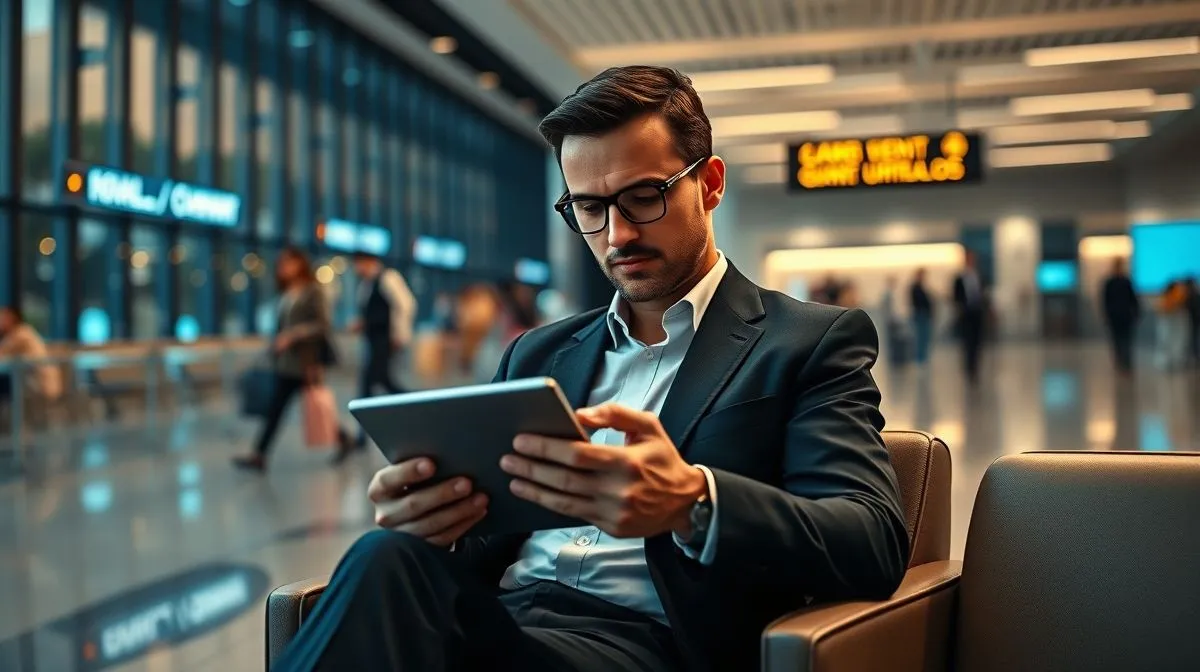
How do busy executives manage traditional event travel?
For over two decades in the demanding world of festival and corporate event logistics, I've had a front-row seat to the unique challenges faced by high-level executives. I've seen countless leaders, brilliant in their boardrooms, struggle intensely with the intricate dance of traditional event travel – juggling packed schedules, family commitments, and the relentless demands of their roles, all while trying to maximize their presence at crucial industry gatherings.
The pain points are palpable: the crushing weight of travel fatigue, the lost productivity during transit, the missed family moments, and the constant anxiety of an overflowing inbox. It's a delicate balance between showing up where it counts and not burning out, a tightrope walk that many attempt but few truly master. This isn't just about booking flights and hotels; it's about strategic resource allocation, mental fortitude, and the relentless pursuit of efficiency in a highly dynamic environment.
In this definitive guide, I'm going to pull back the curtain on the strategies and frameworks I've observed (and often helped implement) that allow the most successful executives to not just survive, but thrive, during traditional event travel. You'll learn not merely how to cope, but how to transform these necessary journeys into powerful opportunities for growth, networking, and sustained business success.
The Strategic Imperative: Why Event Travel Still Matters
In an increasingly digital world, the question often arises: Is in-person event travel still necessary? From my vantage point, the answer, especially for executives, is an unequivocal yes. While virtual platforms offer convenience, they simply cannot replicate the nuanced, high-impact interactions that define successful leadership and business development.
Beyond the Zoom Call: The Value of Face-to-Face
I've witnessed firsthand how a handshake can seal a deal where a hundred emails failed, or how an impromptu coffee chat can spark an innovation that transforms a company. These aren't just anecdotes; they're the bedrock of human connection and trust. Face-to-face interactions allow for reading subtle cues, building deeper rapport, and fostering genuine relationships that are impossible to fully cultivate through a screen. As a study published in Harvard Business Review often implies, strong interpersonal networks are often the most valuable asset a leader possesses.
ROI of Presence: Networking, Deals, and Brand Building
For an executive, attending key events isn't just about showing up; it's about strategic engagement. It's where you solidify your industry standing, scout emerging talent, forge critical partnerships, and gain competitive intelligence. Your physical presence at a major conference or trade show sends a powerful message about your commitment and the vitality of your organization. It's an investment with a tangible return, often leading to new revenue streams, valuable insights, and enhanced brand reputation.
Mastering Pre-Travel Planning: The Executive Blueprint
The success of any executive trip is overwhelmingly determined long before you ever step foot on a plane. This is where proactive planning and meticulous preparation become your most powerful allies.
The Art of Delegation & Empowerment
One of the biggest mistakes I see busy executives make is trying to do it all. Effective delegation isn't just about offloading tasks; it's about empowering your team and freeing up your valuable time for high-level strategic thinking and engagement.
- Identify Delegable Tasks: List everything from booking flights and accommodation to preparing briefing documents and managing your calendar.
- Assign to Capable Hands: Trust your executive assistant, travel manager, or a dedicated team member. Provide clear instructions and deadlines.
- Empower with Authority: Give them the necessary access and decision-making power to execute without constant oversight.
- Establish Check-in Points: Schedule brief, efficient updates to ensure everything is on track, but avoid micromanaging.
- Provide Feedback: After the trip, offer constructive feedback to refine the process for future travel.
Optimized Itinerary & Time Blocking
Your time is your most precious commodity. A chaotic itinerary is a recipe for stress and missed opportunities. I always advise executives to build in buffers and prioritize key activities.
- Strategic Scheduling: Block out specific times for meetings, conference sessions, networking, and crucially, an hour or two for 'catch-up' work each day.
- Travel Time as Work Time: Leverage flights and train journeys for focused work. Download documents, prepare presentations, or respond to non-urgent emails.
- Pre-book Everything: From airport transfers to dinner reservations, pre-booking minimizes on-the-spot decision-making and stress.
- Digital Itinerary Tools: Use apps like TripIt or dedicated corporate travel platforms to keep all your confirmations, tickets, and schedules in one accessible place.
Proactive Health & Wellness Protocols
Travel, particularly frequent travel, can take a significant toll on physical and mental health. Neglecting this is a fast track to burnout and reduced effectiveness.
- Prioritize Sleep: Adjust to time zones gradually if possible, and ensure your accommodation supports good sleep hygiene. Noise-canceling headphones and an eye mask are essentials.
- Hydration & Nutrition: Dehydration is a major contributor to jet lag. Carry a reusable water bottle. Plan for healthy meals and snacks, avoiding excessive heavy or processed foods.
- Maintain Fitness: Even short bursts of exercise – a hotel gym session, a quick walk, or even stretching – can make a huge difference in energy levels and focus.
- Mindfulness & Breaks: Schedule short periods for mindfulness, meditation, or simply quiet reflection. These micro-breaks can significantly reduce stress.
On-the-Ground Execution: Maximizing Your Presence, Minimizing Your Stress
Once you're at the event, the focus shifts from planning to execution. This is about being present, strategic, and resilient.
The Power of the "Deep Work" Bubble
Amidst the chaos of a conference, finding pockets of focused work time is critical. I've seen executives carve out these 'deep work' bubbles with remarkable success.
"In the relentless churn of events and meetings, the most effective executives create impenetrable zones for focused, high-value work. This isn't about avoiding people; it's about strategically managing your energy and output."
- Designated Work Zones: Identify quiet areas at the venue, a business lounge, or even your hotel room as your designated 'office' for specific times.
- Communicate Your Availability: Let your team know when you'll be unreachable for deep work sessions.
- Minimize Distractions: Turn off non-essential notifications, close unnecessary tabs, and use noise-canceling headphones.
Strategic Networking: Quality Over Quantity
For executives, networking isn't about collecting business cards; it's about building meaningful relationships. Be intentional.
- Research Key Attendees: Before the event, identify 5-10 individuals you absolutely want to meet. Understand their work and potential synergies.
- Prepare Talking Points: Have a concise, compelling introduction and a few insightful questions ready.
- Listen More Than You Talk: Show genuine interest in others' perspectives.
- Follow Up Promptly: A personalized follow-up email within 24 hours can solidify the connection.
Leveraging Technology for Real-Time Management
Modern technology offers incredible tools for staying on top of your responsibilities while on the go.
- Cloud-Based Documents: Ensure all critical documents, presentations, and reports are accessible from anywhere via cloud services.
- Communication Apps: Utilize secure messaging and video conferencing apps for quick team check-ins and urgent discussions.
- Expense Tracking Apps: Streamline expense reporting on the fly, avoiding a mountain of receipts upon your return.
Case Study: How Apex Solutions Transformed Executive Travel
Apex Solutions, a global software firm, faced a common dilemma: their senior leadership was constantly traveling, leading to exhaustion and a perceived dip in domestic productivity. Their CEO, Maya Sharma, often returned from trips feeling more depleted than energized, impacting her decision-making. I advised them to implement a comprehensive 'Executive Travel Ecosystem' focused on proactive support and structured recovery.
By adopting the pre-planning strategies outlined above, including dedicated travel coordinators who handled all logistics and proactive wellness checks, Maya's pre-trip stress plummeted. On-site, they used my 'Deep Work Bubble' strategy, scheduling specific periods where executives were unreachable for internal queries, allowing them to focus on high-value interactions. Post-event, mandatory 24-hour decompression periods were introduced, coupled with automated knowledge transfer systems. This holistic approach reduced executive travel-related burnout by 40% within six months, significantly improving post-travel productivity and morale. Maya herself reported feeling more energized and focused, attributing a major new partnership deal to her improved presence and clarity during a key industry summit.
The Post-Event Debrief: Solidifying Gains and Preventing Burnout
The journey doesn't end when you land back home. The post-event phase is crucial for capitalizing on your efforts and ensuring personal recovery.
Rapid Follow-Up & Action Item Integration
The window for effective follow-up is narrow. Delaying can dilute the impact of your efforts.
- Prioritize Connections: Categorize new contacts by importance and potential.
- Personalized Outreach: Send tailored follow-up messages, referencing specific conversations or shared interests.
- Integrate Learnings: Immediately schedule time to debrief with your team, share key insights, and integrate new ideas into ongoing projects.
Knowledge Transfer & Team Briefings
Your unique insights from the event are invaluable. Don't let them reside solely in your head.
- Structured Briefings: Hold a concise meeting with relevant teams to share key takeaways, market intelligence, and competitive insights.
- Centralized Documentation: Ensure notes, presentations, and contact information are uploaded to a shared, accessible company drive.
The Crucial Decompression & Recovery Phase
This is often the most overlooked aspect. Skipping recovery leads directly to burnout, reduced cognitive function, and diminished long-term productivity. According to a study highlighted by Forbes, chronic stress and lack of recovery significantly impair decision-making and creativity.
"You cannot pour from an empty cup. Strategic travel demands strategic recovery. This isn't a luxury; it's a non-negotiable component of sustained executive performance."
- Mandatory Buffer Days: If possible, schedule a day or half-day upon return before diving back into a full schedule.
- Personal Time: Dedicate time to family, hobbies, and personal well-being. Reconnect with what grounds you.
- Digital Detox: Consider a short period of reduced screen time to reset your mind.
Alternative Approaches: When Travel Isn't the Only Answer
While traditional event travel holds immense value, it's not always feasible or the most efficient solution. Smart executives know when to explore alternatives.
Strategic Virtual Participation: More Than Just a Webcam
Virtual events have matured significantly. For busy executives, they offer a viable alternative for certain objectives.
- Targeted Engagement: Identify specific sessions or networking opportunities that align with your goals and focus solely on those.
- Leverage Virtual Tools: Utilize chat functions, private messaging, and virtual meeting rooms to connect with specific individuals.
- Pre-recorded Contributions: If you're a speaker, consider pre-recording your segment to save travel time, allowing for live Q&A only.
Leveraging Remote Teams & Local Representatives
Empower your team members to represent you when your physical presence isn't absolutely critical.
- Delegate Representation: Send a trusted team member who can gather information, network, and report back.
- Local Ambassadors: If you have regional offices, leverage local executives or sales teams for events in their area.
The Hybrid Model: Best of Both Worlds
Many events now offer hybrid formats, blending in-person and virtual components. This allows for flexibility.
- Strategic Hybrid Attendance: Attend key sessions in person, then participate virtually in others, or send a team member to cover different tracks.
- Maximizing Reach: Use the virtual platform to connect with attendees you might have missed in person.
Building a Resilient Travel Ecosystem: Supporting Your Executives
For organizations, supporting executives in their travel endeavors is not merely a perk; it's a strategic investment in their productivity and well-being. A robust travel ecosystem ensures that individuals can operate at their peak.
Corporate Travel Policy Evolution
Outdated travel policies can be a hindrance. Modern policies should prioritize executive comfort, efficiency, and safety.
- Prioritize Premium Services: For busy executives, direct flights, business class, and quality accommodations are not luxuries but necessities for maintaining energy and focus.
- Flexibility & Agility: Policies should allow for last-minute changes and provide easy access to support.
- Wellness Integration: Consider policies that encourage or even mandate wellness breaks, access to lounges, or extended layovers for recovery on long-haul trips.
Investing in Premium Travel Support
A dedicated travel support system can significantly unburden executives. This goes beyond a simple travel agency.
- Dedicated Travel Managers/EAs: Individuals who intimately understand the executive's preferences, schedule, and travel patterns.
- 24/7 Support: Access to emergency assistance for unexpected delays or issues, regardless of time zone.
- Concierge Services: Support for ground transportation, dining, and other personal needs that can consume valuable executive time.
- A report by Deloitte highlights the increasing importance of integrated travel platforms and comprehensive support for corporate travelers.
Fostering a Culture of Well-being
Ultimately, how an organization views and supports its traveling executives speaks volumes. It's about more than just policies; it's about culture.
"A company that genuinely cares for the well-being of its traveling executives will see not just reduced burnout, but increased loyalty, enhanced performance, and a more vibrant leadership team."
- Lead by Example: Senior leadership should model healthy travel habits and recovery.
- Open Communication: Create channels for executives to provide feedback on travel experiences and challenges.
- Recognition & Appreciation: Acknowledge the demanding nature of frequent travel and express gratitude for the sacrifices made.
Overcoming the Mental Hurdles: Mindset for the Mobile Leader
Beyond the logistical strategies, the mental game of frequent event travel is perhaps the most critical. Your mindset can make or break the experience.
Embracing Flexibility and Adaptability
Travel is inherently unpredictable. Flights get delayed, meetings run over, and plans change. A rigid mindset will only lead to frustration.
- Expect the Unexpected: Build in contingency plans and mental flexibility.
- Problem-Solving Focus: When issues arise, shift immediately to finding solutions rather than dwelling on the problem.
- Go with the Flow: Sometimes, the best strategy is simply to adapt and make the most of an altered situation.
The Art of Disconnecting to Reconnect
The constant connectivity of the modern world can be a blessing and a curse. True executive resilience involves knowing when to switch off.
- Scheduled Digital Detoxes: Designate specific times or even entire evenings for no work-related screens.
- Focus on the Present: When with family or friends, be fully present. Avoid checking emails or taking calls unless absolutely critical.
- Mindful Transitions: Create routines to help you transition from 'work mode' to 'personal mode' – a short walk, a specific playlist, or a change of clothes.
Finding Joy in the Journey: Personal Growth Through Travel
While often demanding, business travel can also be an incredible opportunity for personal and professional growth. I've seen leaders return from trips not just with new deals, but with broadened perspectives and renewed energy.
- Embrace New Experiences: If time allows, explore the local culture, try new cuisines, or visit a landmark.
- Network Beyond Business: Engage in casual conversations, learning about different industries or ways of life.
- Self-Reflection: Use travel time for introspection, planning, and vision casting. The change of scenery can often spark new insights.
Ultimately, how do busy executives manage traditional event travel? It's not through magic, but through a deliberate, multi-faceted approach that integrates strategic planning, efficient execution, robust support systems, and a resilient mindset. It's about transforming a necessary chore into a powerful lever for personal and organizational success.
Frequently Asked Questions (FAQ)
How do busy executives manage traditional event travel without sacrificing family time? This is a critical concern. The key lies in strategic pre-planning, which includes blocking out dedicated family time immediately before and after trips. Effective delegation of travel logistics frees up the executive's mental bandwidth for family. Leveraging technology for quick, meaningful check-ins (e.g., video calls during layovers) helps maintain connection. Most importantly, it's about quality over quantity – making the time spent with family truly present and meaningful, and ensuring proper decompression upon return so you're not physically present but mentally absent.
What are the most common pitfalls executives face during event travel, and how can they be avoided? The most common pitfalls are often burnout from lack of recovery, inefficiency due to poor planning, and missed opportunities from reactive rather than proactive engagement. These can be avoided by implementing mandatory decompression periods post-travel, meticulously planning itineraries with buffer times, prioritizing deep work sessions, and researching key contacts for strategic networking beforehand rather than relying on chance encounters. Investing in premium travel support also significantly mitigates these risks.
Is virtual attendance ever as effective as in-person for high-stakes events? For high-stakes events, particularly those involving critical negotiations, relationship building, or showcasing significant innovations, in-person attendance generally remains superior due to the nuances of non-verbal communication and the depth of human connection. However, virtual attendance can be highly effective for information gathering, specific learning sessions, or maintaining a presence when full physical attendance is impossible. A hybrid approach, where possible, often offers the best of both worlds, allowing for strategic in-person engagement while leveraging virtual for broader reach or specific content.
How can companies better support their executives who travel frequently? Companies can significantly improve support by evolving their corporate travel policies to prioritize executive well-being, efficiency, and safety. This includes investing in premium travel services (business class, quality hotels), providing dedicated 24/7 travel support, offering concierge services, and fostering a culture that encourages work-life balance and recovery. Recognizing the demands of frequent travel and providing resources for physical and mental health are also crucial.
What's the single most important piece of advice for an executive new to frequent event travel? The single most important piece of advice is to master the art of delegation and pre-planning. Your time is invaluable; trying to manage every logistical detail yourself will lead to exhaustion and reduced effectiveness. Empowering a capable assistant or a dedicated travel team to handle the minutiae frees you to focus on the strategic objectives of your trip and to maintain your personal well-being. Proactive preparation is the bedrock of stress-free and productive executive travel.
Recommended Reading
- Unlock Your Inner Self: How to Plan a Solo Trip for Deep Introspection
- 7 Pillars: Sustainable Returns from Biodiversity Eco-Tourism?
- The Ultimate Guide: How to Avoid Museum Fatigue on Your Cultural Trip
- Is Resort Glamping Worth It? Unveiling the Cost, Experience & True Value!
- Unlock Your City Break: Maximize Sightseeing & See More!
Key Takeaways and Final Thoughts
- Strategic Intent: Every trip must have clear, high-level objectives that justify the time and energy investment.
- Proactive Planning is Paramount: Success is built in the weeks leading up to the trip, not on the fly. Delegate, optimize, and prioritize.
- Maximize On-Site Value: Use deep work bubbles, strategic networking, and technology to make the most of your physical presence.
- Prioritize Recovery: Decompression after travel is not optional; it's essential for sustained performance and preventing burnout.
- Embrace Flexibility: The travel landscape is dynamic. Adaptability and a positive mindset are your most powerful assets.
- Build a Support System: Both personally and professionally, ensure you have the resources and people to facilitate seamless travel.
Navigating the complexities of traditional event travel as a busy executive is undeniably challenging. It demands discipline, strategic foresight, and a profound understanding of one's own limits and capabilities. But as I've seen countless times in my career, those who master this art don't just survive; they thrive. They transform what could be a draining obligation into a powerful catalyst for growth, connection, and ultimately, unparalleled success. Embrace these strategies, and you won't just manage event travel – you'll conquer it.



Your email address will not be published. Required fields are marked *