

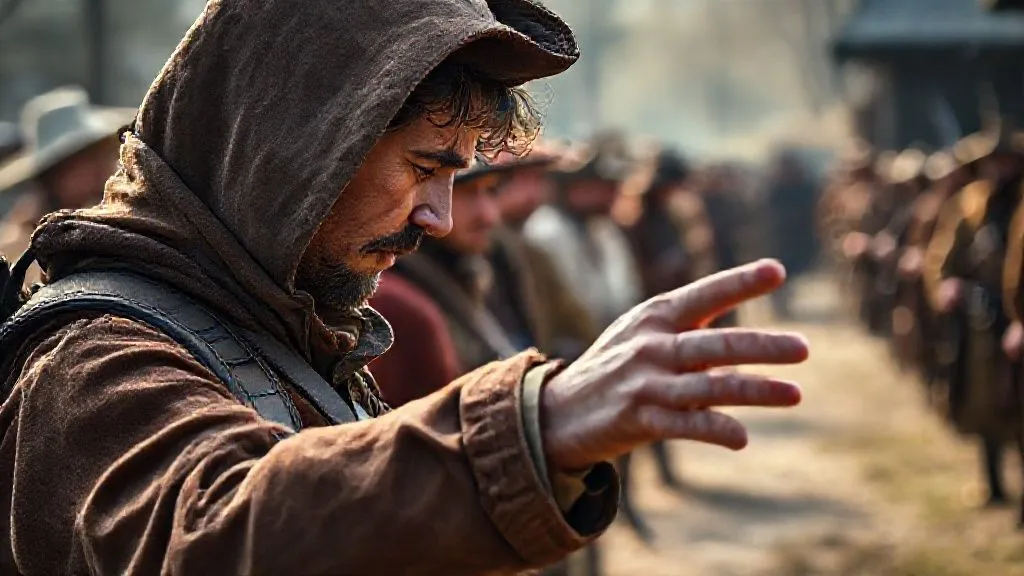
How to achieve deep cultural immersion via historical reenactments?
For over two decades in the cultural travel sphere, I've witnessed countless travelers yearning for more than just a fleeting glimpse into history. They visit ancient ruins, walk through historic cities, and snap photos, but often leave feeling a disconnect, a superficial engagement with the past. It's a common lament: how do we truly step back in time and feel the pulse of another era?
The problem, as I see it, lies in the passive consumption of history. We've been conditioned to be observers, not participants. Traditional tourism often presents history as a static exhibit, a collection of facts and artifacts rather than a living, breathing narrative. This approach, while informative, rarely fosters the profound, personal connection that defines genuine cultural immersion.
This guide isn't about simply attending a historical reenactment; it's about transforming that experience into a conduit for deep cultural understanding. I'll share my proven frameworks, actionable strategies, and expert insights on how to achieve deep cultural immersion via historical reenactments, moving beyond the role of a mere spectator to become an active participant in the unfolding narrative of the past.
Beyond the Spectator: Shifting Your Mindset for True Engagement
The first and most crucial step in leveraging historical reenactments for deep cultural immersion is a fundamental shift in mindset. You must move beyond the casual tourist's gaze and adopt the perspective of a curious, respectful, and engaged learner. This isn't just about watching; it's about truly seeing, listening, and feeling.
Understanding the "Why" of Reenactment
Before you even arrive, take a moment to understand the purpose behind historical reenactments. These aren't just theatrical performances; they are often passionate endeavors by individuals dedicated to preserving history, educating the public, and, in some cases, reliving a specific historical moment with meticulous accuracy. Their commitment is your gateway.
The most profound cultural immersion begins not with what you see, but with how deeply you open yourself to understanding the world through another's historical lens. It requires empathy, not just observation.
Actionable Steps for Mindset Shift:
- Research the Event's Intent: Understand if it's an educational living history event, a battle reenactment, or a cultural festival. This shapes your expectations and approach.
- Embrace Historical Empathy: Try to imagine the lives, challenges, and joys of the people being portrayed. What motivated them? What were their daily realities?
- Approach with Respect: Recognize that reenactors are often experts in their field. Treat their efforts and knowledge with the respect they deserve.
- Cultivate Open-Mindedness: Be prepared to encounter different perspectives on history, even those that challenge your preconceived notions.
Pre-Trip Preparation: Laying the Foundation for Immersion
True immersion isn't accidental; it's meticulously planned. Just as a scholar prepares for an expedition, you must prepare for your journey into the past. This involves more than just booking tickets; it's about building a robust intellectual and emotional framework.
Deep Dive into Historical Context
Before you even pack your bags, immerse yourself in the specific historical period and event being reenacted. Read books, watch documentaries, and consult academic sources. Understanding the socio-political climate, daily life, and key figures will dramatically enhance your experience.
- Key Areas to Research:
- The specific historical event or period being portrayed.
- Major historical figures involved and their motivations.
- Daily life, social structures, and economic conditions of the time.
- Relevant cultural norms, customs, and beliefs.
- The geography and environment of the historical setting.
According to the American Historical Association, a deeper understanding of historical context allows individuals to better interpret current events and appreciate cultural diversity, a principle directly applicable to reenactments. You can explore their resources at historians.org.
Mastering the Material Culture: What to Observe
Pay close attention to the material culture of the period. This includes clothing, tools, weapons, housing, and food. Reenactors often spend years perfecting these details. Knowing what to look for – the cut of a tunic, the type of pottery, the construction of a tent – will unlock layers of meaning.
Language and Local Customs: Bridging the Gap
If the reenactment portrays a culture with a distinct language or specific customs, learn a few basic phrases or etiquette rules. Even a simple "hello" or "thank you" in character can open doors to interaction and demonstrate your respect, fostering a more authentic connection.
| Preparation Step | Key Actions | Expected Outcome |
|---|---|---|
| Historical Context Research | Read books, documentaries, academic articles | Deeper understanding of the era's nuances |
| Material Culture Study | Observe period clothing, tools, architecture | Ability to identify and appreciate historical authenticity |
| Basic Language/Customs | Learn key phrases, social etiquette | Enhanced interaction and respect with reenactors |
| Event Schedule Review | Study program, identify key demonstrations | Optimized time for maximum immersion opportunities |
Active Participation: Engaging with Living History
Once you've laid the groundwork, the real magic happens through active, mindful engagement. This isn't about disrupting the reenactment but about becoming a part of its living tapestry, even as an observer.
Choosing the Right Reenactment Event
Not all reenactments are created equal for immersion. Some are large-scale battle spectacles, while others are intimate living history villages. For deep cultural immersion, prioritize events that emphasize daily life, crafts, and direct interaction over purely combat-focused displays. Look for living history museums or smaller, specialized gatherings that allow for more personal connection.
Case Study: How Sarah Found Her Roman Empire
Sarah, a history enthusiast, initially visited large Roman battle reenactments. While impressive, she felt a lack of personal connection. Following my advice, she sought out a smaller living history event focusing on Roman civilian life in Britannia. She researched Roman food, learned a few Latin phrases, and dressed in simple, period-appropriate attire (not a full costume, but respectful). At the event, instead of just watching, she approached a 'Roman baker' and asked, in character, about his bread-making techniques, referencing details she'd learned. The baker, delighted by her genuine interest and preparedness, spent an hour explaining the process, the challenges of sourcing ingredients, and even offered her a taste of historically accurate bread. This active engagement transformed her understanding of Roman daily life, moving beyond textbook facts to a tangible, sensory experience. This is how to achieve deep cultural immersion via historical reenactments.
Interacting with Reenactors: More Than Just a Photo Op
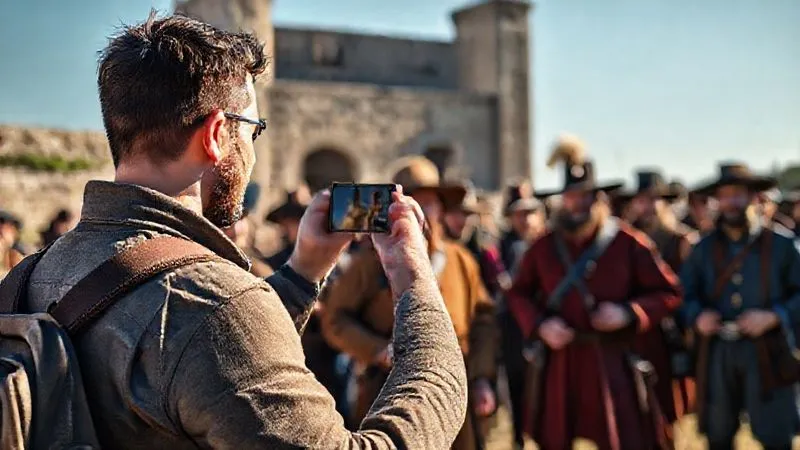
Reenactors are often living encyclopedias. Don't just ask for a photo; engage them in conversation. Ask open-ended questions about their 'lives' in the period, their 'craft,' or their 'duties.' Respect their in-character persona, but also appreciate the immense research and dedication behind it. Many reenactors are thrilled to share their knowledge with genuinely interested visitors.
Think of reenactors not as actors, but as temporary custodians of history. Their purpose is to bridge the gap between past and present, and your respectful engagement is the most valuable currency.
Sensory Immersion: Engaging All Your Senses
History isn't just seen and heard; it's tasted, smelled, and felt. To achieve deep cultural immersion via historical reenactments, you must consciously engage all your senses. This multi-sensory approach helps to bypass modern conditioning and truly transport you.
The Sounds of History: Listen and Learn
Beyond the spoken word, pay attention to the ambient sounds. The clang of a blacksmith's hammer, the rustle of period clothing, the distinct accent of a reenactor, the absence of modern noise pollution. These auditory cues paint a vivid picture of the past. Are there period-appropriate musical instruments being played? How do they sound different from modern music?
Taste and Smell: A Culinary Journey Through Time
Many living history events feature historical cooking demonstrations or period-appropriate food. Seek these out. The smell of woodsmoke, baking bread, or specific spices used in historical recipes can evoke powerful memories and connections. If opportunities arise, safely taste period foods. This is a direct, primal link to the past.
Touch and Feel: Connecting with Artifacts and Environment
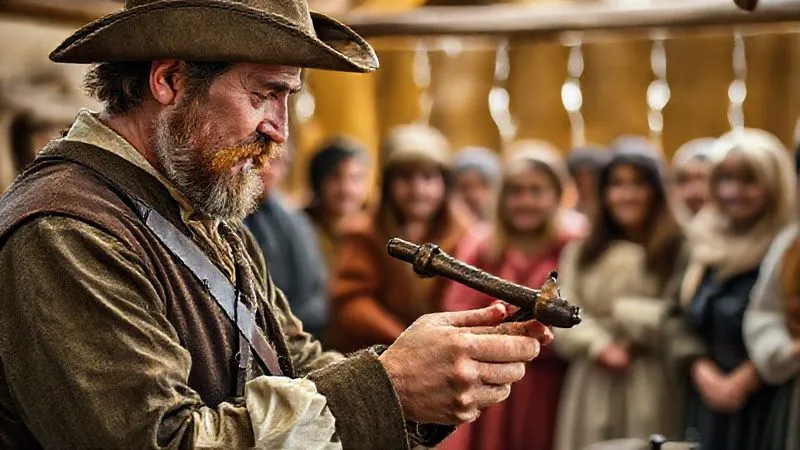
While respecting rules about handling artifacts, look for opportunities for tactile engagement. Perhaps a reenactor allows you to feel the texture of a hand-woven fabric, or you might walk on historically accurate terrain. The feeling of rough-hewn wood, the weight of a simple tool (if permitted), or the cool stone of an ancient wall can ground you in the historical reality.
Actionable Steps for Sensory Engagement:
- Actively Listen: Tune out modern distractions and focus on the soundscape of the reenactment. What sounds are dominant? What's absent?
- Seek Out Culinary Experiences: Look for food demonstrations or period-appropriate snacks. Engage your sense of taste and smell consciously.
- Observe Textures: Pay attention to the feel of natural materials, historical clothing, and the environment. How would these have felt in daily life?
- Mindful Walking: Be aware of the ground beneath your feet. Is it paved, dirt, cobblestone? How does it differ from your modern experience?
Embracing the Role: When to Step into the Past (Safely)
For some, deep cultural immersion means taking a step beyond observation and into active, albeit temporary, participation. This doesn't mean you need to join a reenactment group, but there are ways to respectfully engage on a deeper level.
Volunteer Opportunities and Workshops
Many living history museums and larger reenactment events offer volunteer opportunities or workshops for visitors. This could involve learning a historical craft, helping with a period task, or even participating in a guided, immersive scenario. These hands-on experiences are unparalleled for truly understanding the challenges and skills of a bygone era. For example, organizations like the Association for Living History, Farm and Agricultural Museums (ALHFAM) often list such opportunities.
Period Dress and Etiquette: A Deeper Dive
While full reenactor costume might be intimidating or inappropriate for a casual visitor, consider wearing simple, period-appropriate clothing if the event permits. This doesn't mean a full costume, but perhaps earth-toned natural fabrics, avoiding modern logos or bright colors. This small effort demonstrates respect and can subtly enhance your feeling of immersion, and even encourage reenactors to engage with you more authentically.
My advice for aspiring cultural travelers is this: The most authentic connections are forged when you demonstrate a genuine willingness to meet history on its own terms, even if just for a day.
Post-Reenactment Reflection: Solidifying Your Cultural Connection
The journey into the past doesn't end when you leave the reenactment site. The most powerful insights and lasting cultural immersion often occur during the reflection period afterward. This is where experiences transform into understanding.
Journaling and Documentation
Immediately after your visit, take time to journal your observations, feelings, and any questions that arose. What surprised you? What resonated deeply? What did you learn about yourself or the human experience? Documenting your experience helps solidify memories and facilitates deeper processing.
Sharing Your Experience: Educating Others
Share your insights with friends, family, or online communities. Articulating what you learned and how it impacted you not only reinforces your own understanding but also inspires others to seek similar experiences. This act of sharing is a form of cultural stewardship.
Further Study: Continuing the Journey
Your reenactment experience might spark new interests. Follow those threads! Read more about a particular historical figure, a craft, or a social issue from the period. The reenactment should be a launchpad, not a destination, for your ongoing cultural education. Explore resources like Smithsonian Magazine's history section for credible follow-up reading.
| Reflection Prompt | Benefit |
|---|---|
| What specific details of daily life surprised you the most? | Highlights preconceived notions vs. historical reality |
| How did the sensory experiences differ from modern life? | Deepens appreciation for past environments |
| What questions did this experience raise for you about history or humanity? | Encourages further intellectual inquiry |
| How did interacting with reenactors shape your understanding? | Emphasizes the human element of history |
Common Pitfalls to Avoid on Your Immersion Journey
Even with the best intentions, certain missteps can hinder your quest for deep cultural immersion via historical reenactments. Being aware of these pitfalls can help you navigate your journey more effectively.
The Tourist Trap Mindset
Falling into the trap of treating the reenactment purely as entertainment, a spectacle to be consumed, rather than an educational and immersive experience. This often leads to superficial engagement and a missed opportunity for genuine connection. Remember, you're not just watching a show; you're stepping into a meticulously recreated segment of history.
Disrespecting Historical Accuracy or Participants
Making light of serious historical events, questioning reenactors' accuracy in a dismissive way, or failing to respect their dedication can quickly alienate those who are trying to create an immersive environment. Always approach with humility and a genuine desire to learn. Reenactors invest incredible time and resources into historical accuracy, often citing primary sources, as documented by various historical societies.
Over-Romanticizing the Past
It's easy to view historical periods through rose-tinted glasses. While reenactments can be fascinating, it's crucial to remember that past eras often involved significant hardships, social injustices, and different moral frameworks. Acknowledge the complexities and avoid an overly idealized view, which can lead to a superficial understanding. True immersion means grappling with the full spectrum of historical reality.
Frequently Asked Questions (FAQ)
Is it always appropriate to try and participate? No, not always. The level of participation depends heavily on the type of reenactment and the organizers' guidelines. Large battle reenactments are typically spectator-only for safety reasons. Living history museums or smaller, educational events often welcome or even encourage respectful interaction and hands-on activities. Always observe signs, listen to guides, and err on the side of respectful observation unless explicitly invited to participate.
How do I find authentic reenactments, not just tourist shows? Look for events organized by historical societies, academic institutions, or established reenactment groups with a strong reputation for historical accuracy. Websites of specific historical periods (e.g., Civil War reenactment associations, medieval societies) often list credible events. Read reviews and event descriptions carefully; authentic events will often emphasize education, research, and historical accuracy over pure entertainment value.
What if I don't know much about history? Can I still achieve deep immersion? Absolutely! While pre-trip research enhances the experience, a genuine curiosity and an open mind are paramount. Start with broad historical overviews of the period, then let the reenactment spark specific interests. Ask questions, observe keenly, and allow yourself to be taught by the living history around you. Everyone starts somewhere, and reenactments are fantastic educational tools.
Can children achieve deep cultural immersion via historical reenactments? Yes, children can be incredibly receptive to immersion, often more so than adults due to their natural curiosity and imagination. Choose family-friendly living history events with interactive elements, craft stations, or child-focused activities. Prepare them beforehand with age-appropriate stories or facts, and encourage them to ask questions and engage their senses.
What's the difference between a reenactment and a living history museum? A historical reenactment typically focuses on recreating a specific event (like a battle or a market day) over a short period, often with a large number of participants. A living history museum, conversely, is a permanent site (often a village or farm) designed to interpret daily life over an extended historical period, where staff (often in character) demonstrate skills and interact with visitors regularly. Both offer avenues for immersion, but living history museums tend to offer more consistent, hands-on opportunities.
Key Takeaways and Final Thoughts
Achieving deep cultural immersion via historical reenactments is a transformative journey, not a passive destination. It demands active engagement, meticulous preparation, and a profound respect for the past and those who bring it to life. By shifting your mindset, engaging all your senses, and embracing opportunities for respectful participation, you can unlock unparalleled insights into human history.
- Mindset Matters: Approach reenactments as a student of history, not just a tourist.
- Preparation is Key: Research the historical context, material culture, and customs to enhance understanding.
- Engage Actively: Interact respectfully with reenactors, ask thoughtful questions, and seek out hands-on experiences.
- Sense the Past: Consciously engage all five senses to create a multi-layered, immersive experience.
- Reflect and Learn: Journal your experiences and continue your historical education after the event.
In my experience, the true value of historical reenactments lies in their ability to make history tangible, emotional, and deeply personal. It's about more than just facts and dates; it's about connecting with the human story, understanding the struggles and triumphs that shaped our world. So, equip yourself with curiosity, open your mind, and prepare to step through the veil of time. The past awaits, ready to offer you an experience far richer than any textbook could convey.
Recommended Reading
- 7 Steps to Delegate Work for a Stress-Free Beach Holiday Return
- 5 Ways Inner Peace Travel Shields Leaders from Decision Fatigue
- Maximize Language Gain: 7 Strategies for Short Cultural Trips
- Unlock Exclusive Access: 7 Steps to Discreet UHNWI Villa Acquisition
- The Ultimate Guide: How to Choose Ethical Nature Reserve Eco Tours Responsibly



Your email address will not be published. Required fields are marked *