

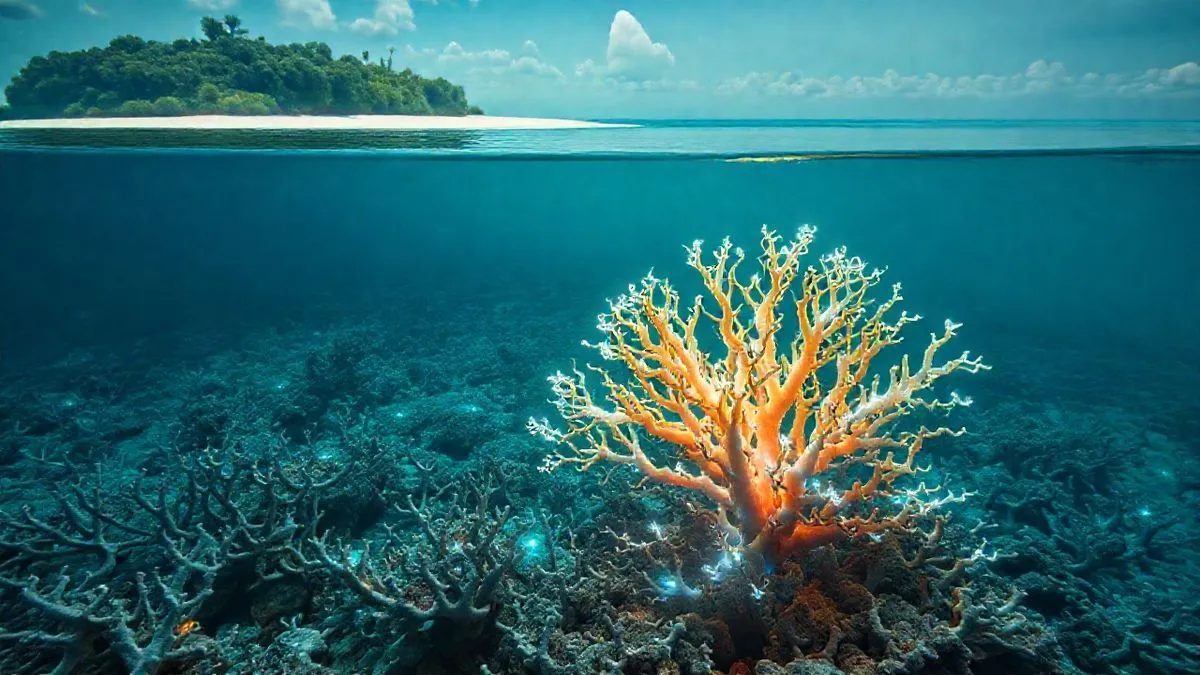
How to address coral bleaching impact on beach tourism experiences?
In my over 15 years as an expert in beach travel, one of the most pressing and visually impactful challenges we face is how to address coral bleaching directly within the tourism experience itself. Tourists arrive with expectations of vibrant underwater worlds, and witnessing bleached corals can be a profound disappointment, even a shock, leading to negative reviews and a diminished desire to return.
A common mistake I see destinations make is attempting to downplay or hide the issue. This approach often backfires spectacularly. Instead, the most effective strategy is radical transparency paired with proactive education and engagement, transforming a potential negative into a powerful opportunity for advocacy and deeper connection.
Firstly, we must reframe the narrative. Instead of merely showing a bleached reef, educate visitors about the complex ecosystem, the causes of bleaching, and the incredible resilience and recovery efforts underway. Think of it like a forest after a fire: while the immediate devastation is clear, it also presents a unique opportunity to learn about ecological succession and the efforts to replant and restore.
This educational component should be integrated into every touchpoint. Pre-arrival communication, dive briefings, and on-site interpretive centers should explain that while some areas may show signs of stress, the destination is actively working towards recovery. Providing context helps manage expectations and fosters empathy rather than disappointment.
"The greatest disservice we can do to our visitors and our oceans is to allow them to leave without understanding the full story. Bleaching isn't just a visual degradation; it's a call to action."
Secondly, diversify and enhance the underwater experience beyond just coral viewing. While coral reefs are undeniably central, many marine ecosystems offer incredible, often overlooked, beauty. Focus on seagrass meadows, mangrove forests, and tide pools, which are vital nurseries and teeming with unique life.
For instance, destinations can curate a range of alternative marine and terrestrial excursions:
- Guided Mangrove Kayaking Tours: Explore these vital ecosystems, spotting juvenile sharks, rays, and a myriad of bird species.
- Seagrass Bed Snorkeling/Diving: Discover the often-hidden world of dugongs, sea turtles, and various fish species that thrive in these crucial habitats.
- Dedicated Resilient Reef Tours: Guide visitors to specific, healthy reef patches that may be more resistant to bleaching, offering that vibrant coral experience.
- Terrestrial Eco-Adventures: Highlight cultural experiences, culinary tours, hiking trails, or wildlife spotting that celebrate the unique character of the destination beyond its reefs.
Thirdly, empower tourists to become part of the solution. Offering opportunities for "voluntourism" or citizen science initiatives creates a deeper, more meaningful connection to the destination. This could range from participating in coral gardening and out-planting efforts to data collection for marine conservation projects.
I've seen firsthand how programs allowing guests to "adopt a coral" or assist marine biologists in reef monitoring transform their perception. They leave not just with holiday memories, but with a sense of contribution and a personal stake in the reef's future. These experiences often become the highlight of their trip, far outweighing any initial disappointment.
Finally, leverage technology to bridge the gap. Immersive virtual reality (VR) or augmented reality (AR) experiences can showcase the reef's past glory or offer a 'live' view of healthy reefs in other parts of the region or world. This can provide educational context and illustrate what's being protected, inspiring future return visits when restoration efforts bear fruit. High-definition underwater cameras streaming live footage from designated conservation zones can also provide a window into recovery.
Ultimately, addressing coral bleaching's impact on beach tourism experiences requires a strategic blend of honesty, education, diversification, and active engagement. It's about shifting from a passive viewing model to an active, participatory one, turning a global environmental crisis into a local opportunity for connection and conservation.
What are the long-term solutions for addressing coral bleaching?
Addressing coral bleaching effectively requires a fundamental shift from reactive crisis management to proactive, long-term strategic planning. From my vantage point, having witnessed the devastating impacts over decades, the most critical long-term solutions are those that tackle the root causes and build systemic resilience, rather than merely patching symptoms.
The undisputed paramount long-term solution is **global climate change mitigation**. This involves a rapid and significant reduction in greenhouse gas emissions worldwide. While a global challenge, it underpins the very survival of coral ecosystems. No local effort, however valiant, can fully succeed if the oceans continue to warm at current rates.
Simultaneously, we must aggressively pursue **local stressor reduction**. This is where beach tourism destinations can exert direct, tangible influence. A common mistake I see is focusing solely on global issues while neglecting the immediate pressures on nearby reefs.
-
Improved Wastewater Management: Untreated sewage introduces nutrients and pollutants that fuel algal growth, suffocating corals and making them more susceptible to bleaching. Investing in advanced wastewater treatment plants, like those implemented in parts of the Caribbean, significantly improves water quality.
-
Sustainable Fisheries Practices: Overfishing, especially of herbivores, disrupts the delicate balance of reef ecosystems. Long-term solutions include establishing no-take zones, enforcing catch limits, and promoting sustainable aquaculture to reduce pressure on wild populations.
-
Controlled Coastal Development: Unregulated construction leads to sedimentation, runoff, and habitat destruction. Strict zoning regulations, adherence to environmental impact assessments, and the promotion of nature-based solutions for coastal protection are crucial for long-term reef health.
-
Pollution Control: Reducing plastic waste, chemical runoff from agriculture, and microplastic contamination directly benefits coral health. This requires robust waste management infrastructure and community-wide education campaigns.
In my experience, local stressor reduction acts as a 'booster shot' for coral resilience. It doesn't stop bleaching caused by global warming, but it gives corals a fighting chance to recover when temperatures eventually drop, much like a healthy person is better equipped to fight off an illness.
Another vital long-term strategy involves **advanced coral restoration and adaptation science**. This goes beyond simple coral gardening, embracing genetic research and assisted evolution to cultivate more resilient reefs.
-
Assisted Evolution and Selective Breeding: Scientists are actively identifying and breeding "super corals" – those naturally more tolerant to heat and acidity. Projects like those at the Australian Institute of Marine Science (AIMS) are pioneering techniques to enhance coral resilience through controlled breeding and genetic manipulation.
-
Large-Scale Coral Nurseries and Outplanting: While immediate, these can also be long-term. Techniques like microfragmentation allow for rapid coral growth in underwater nurseries, which are then outplanted onto degraded reefs. This requires significant investment and sustained monitoring.
-
Innovative Reef Enhancement Technologies: Exploring solutions such as Biorock technology, which uses low-voltage electricity to accelerate coral growth and calcification, or even developing artificial structures designed to mimic natural reef functions and provide stable substrates for recovery.
Finally, robust **policy and governance frameworks** are indispensable. This includes the effective establishment and enforcement of Marine Protected Areas (MPAs) that are large enough and well-managed to allow ecosystems to thrive and recover. These areas act as critical refuges and sources of larvae for wider reef regeneration.
Long-term success hinges on sustained funding, international cooperation, and the empowerment of local communities through education and stewardship programs. It's a marathon, not a sprint, demanding consistent effort and adaptive management based on ongoing scientific understanding.
Reading Recommendations:
- 7 Proven Cruise Activities to Combat Executive Burnout Effectively
- 7 Secrets: Guaranteeing Consistent Gourmet Train Dining Across All Routes
- 7 Hacks: Discovering Hidden Urban Adventures on Rushed Business Trips
- 5 Secrets: How Luxury Concierges Conquer Unexpected Travel Crises
- Tube Smart: Essential Safety Rules for Snow Tubing Hills You MUST Know
Key Points and Final Thoughts
Having spent over 15 years immersed in the intricacies of beach tourism, I can unequivocally state that the health of our coral reefs is not merely an environmental concern; it is the bedrock of our industry's future. The strategies discussed are not just theoretical concepts, but urgent mandates for survival and prosperity.
In my experience, a common mistake I see is treating conservation as an isolated department rather than integrating it into the core business model. When reefs decline, so too does the unique selling proposition that draws millions to our shores, impacting everything from local economies to global travel brands.
The time for incremental adjustments is past; we are at a critical juncture demanding proactive, systemic change. Waiting for complete ecosystem collapse before acting is akin to a hotel waiting for its foundation to crumble before considering structural repairs – the cost then becomes exponentially higher, if not insurmountable.
Every stakeholder, from the individual traveler to the largest resort chain, holds a piece of this responsibility. It's about fostering a culture where reef stewardship is as fundamental as providing clean linens or delicious cuisine.
- Educating the Visitor: Go beyond a simple sign. Interactive workshops, guided eco-tours, and pre-arrival information can transform tourists into allies and advocates for reef protection.
- Empowering Local Communities: Sustainable livelihoods, such as certified eco-guides or coral farmers, directly link economic benefit to reef health, fostering powerful local advocacy and stewardship.
- Investing in Green Infrastructure: This includes everything from advanced wastewater treatment to designing resorts that minimize their carbon footprint and prevent runoff, directly reducing stress on marine ecosystems.
The solutions to coral bleaching and tourism resilience are not singular but multifaceted, requiring innovation and unprecedented collaboration. We're seeing exciting developments in coral gardening techniques and the use of AI to monitor reef health, which, when paired with community-led efforts, offer real hope for recovery.
Consider the Great Barrier Reef's struggle; it serves as a stark reminder that even the most iconic natural wonders are vulnerable. However, destinations like Palau, with its pioneering 'Palau Pledge,' demonstrate that bold, integrated conservation efforts can reframe the visitor experience and protect vital marine assets for the long term.
Ultimately, the most successful beach tourism destinations of tomorrow will be those that have unequivocally embraced their role as custodians of the marine environment. This isn't just about preserving beauty; it's about securing economic viability and ensuring a legacy for future generations.
The choice is clear: we can either stand by as the vibrant hues of our underwater worlds fade, or we can actively participate in their restoration and protection. For me, the path forward is one of proactive engagement, informed decision-making, and unwavering commitment to a sustainable, thriving future for beach travel.



Your email address will not be published. Required fields are marked *