


How to Avoid Being Scammed While Traveling Solo Abroad?
For over 20 years, I've explored the globe solo, from the bustling markets of Marrakech to the serene temples of Kyoto. I've seen firsthand how easily unsuspecting travelers can fall victim to scams, often losing significant amounts of money or, worse, putting their safety at risk. It's a harsh reality, but one that can be navigated with the right knowledge and preparation.
The fear of being scammed can cast a dark shadow over what should be an exciting and empowering experience. The thought of losing your hard-earned travel fund, or even your passport, can be incredibly stressful and deter many from venturing out on their own. This fear is understandable but shouldn't prevent you from experiencing the joys of solo travel.
In this guide, I'll share 9 actionable strategies, gleaned from my own experiences and those of fellow travelers, on how to avoid being scammed while traveling solo abroad. You'll learn how to identify common scams, protect your finances, stay safe in unfamiliar environments, and cultivate a mindset of awareness and confidence. This isn't just about avoiding scams; it's about empowering you to travel solo with peace of mind.
1. Research Common Scams in Your Destination
Knowledge is your first line of defense. Before you even book your flight, research the common scams that target tourists in your destination. Websites like TravelScams.org and travel forums are invaluable resources for learning about the latest tactics used by scammers. Understanding how these scams work will make you far less likely to fall for them.
- The Fake Police Officer: Someone posing as a police officer approaches you, asking to see your passport and wallet.
- The Broken Taxi Meter: The taxi driver claims the meter is broken and demands an inflated fare.
- The Friendship Bracelet Scam: Someone aggressively ties a bracelet on your wrist and then demands payment.
By being aware of these common scams, you can recognize the warning signs and avoid becoming a victim. Remember, scammers often rely on tourists' ignorance and naivety.
2. Protect Your Finances: The Golden Rule
Financial security is paramount when traveling solo. Here's my golden rule: Never keep all your money in one place. Diversify your cash and credit cards across different locations.
- Use a Money Belt: A hidden money belt is a great way to conceal a portion of your cash and important documents.
- Keep Cards Separate: Store different credit and debit cards in separate locations.
- Utilize Digital Wallets: Services like Apple Pay and Google Pay can minimize the need to carry large amounts of cash.
Inform your bank and credit card companies of your travel dates. This will prevent your cards from being flagged for suspicious activity and potentially frozen. Also, always use ATMs inside banks or well-lit, secure locations. Avoid using ATMs in dimly lit or isolated areas, as they may be tampered with.

3. Stay Aware of Your Surroundings
One of the most effective ways to avoid scams is to be constantly aware of your surroundings. This means paying attention to your gut feeling and trusting your instincts. If something feels off, it probably is.
- Avoid Distractions: Put away your phone and be present in the moment. Scammers often target distracted tourists.
- Maintain Eye Contact: Make eye contact with people you interact with. This can deter potential scammers.
- Trust Your Gut: If a situation feels uncomfortable or suspicious, remove yourself from it immediately.
Learn to recognize the signs of a potential scam. Be wary of overly friendly strangers, unsolicited offers, and anyone who pressures you to make a quick decision. Scammers often create a sense of urgency to cloud your judgment.
Case Study: The Overly Helpful Local
Sarah, a solo traveler in Rome, was approached by a seemingly friendly local who offered to help her navigate the train station. He insisted on carrying her luggage and guiding her to the correct platform. However, once they reached the platform, he demanded an exorbitant amount of money for his “services.” Sarah, feeling pressured and intimidated, reluctantly paid him. This situation could have been avoided if Sarah had been more aware of her surroundings and trusted her initial gut feeling, which was that the man was being overly helpful.
4. Learn Basic Phrases in the Local Language
Knowing a few basic phrases in the local language can go a long way in preventing scams. It shows respect for the local culture and can help you communicate with locals who may not speak English. Even simple phrases like “hello,” “thank you,” and “how much does this cost?” can make a difference.
Learning the local language also allows you to understand conversations happening around you, which can help you identify potential scams. For example, you might overhear someone discussing a scam targeting tourists in a particular area.
| Phrase | Local Language | Pronunciation |
|---|---|---|
| Hello | Hola (Spanish) | O-la |
| Thank you | Merci (French) | Mer-see |
| How much does this cost? | ¿Cuánto cuesta esto? (Spanish) | Kwan-to kwes-ta es-to |
5. Be Wary of Unsolicited Offers
One of the most common scam tactics is to offer unsolicited services or goods. This could be anything from a “free” tour to a discounted souvenir. The catch is that these offers often come with hidden costs or are simply a way to lure you into a scam.
For example, someone might offer to take your photo in front of a famous landmark. After taking the photo, they demand an exorbitant amount of money for their “service.” Or, someone might offer you a “free” sample of a local product, only to pressure you into buying the full-sized version at an inflated price.
As Harvard Business Review often points out, understanding the psychology of persuasion is key to avoiding manipulation. In my experience, a polite but firm “no, thank you” is usually the best way to handle unsolicited offers. Avoid engaging in conversation or making eye contact, as this can be seen as an invitation to continue.
6. Use Reputable Transportation Options
When traveling solo, it's crucial to use reputable transportation options. Avoid hailing taxis on the street, especially at night. Instead, use ride-hailing apps like Uber or Lyft, or book taxis through your hotel or a trusted travel agency.
If you do take a taxi, make sure the meter is running and that the driver is taking a direct route to your destination. If the driver tries to take you on a detour or demands an inflated fare, refuse to pay and report the incident to the taxi company or local authorities.
For public transportation, purchase tickets from official vendors and be wary of anyone offering to “help” you navigate the system. Scammers often target tourists who are confused or disoriented in public transportation hubs.
The best defense against transportation scams is preparation. Plan your routes in advance and have a clear understanding of the fare structure.
7. Protect Your Valuables
Petty theft is a common problem in tourist areas around the world. To protect your valuables, take the following precautions:
- Use a Secure Bag: Choose a bag that is difficult to open or cut, such as a backpack with hidden zippers or a cross-body bag with a secure clasp.
- Keep Valuables Hidden: Avoid displaying expensive jewelry, watches, or electronics. Keep your phone and wallet in a secure pocket or bag.
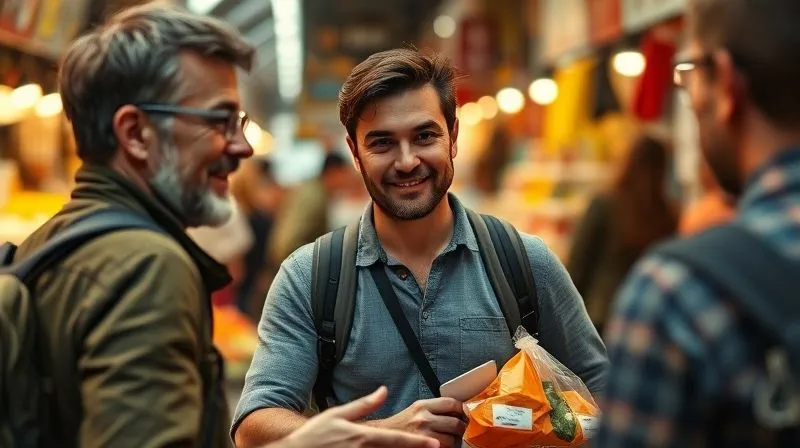
- Be Aware of Pickpockets: Pickpockets often operate in crowded areas, such as markets, train stations, and tourist attractions. Be extra vigilant in these situations.
According to a study by Forbes, using a portable travel safe can significantly reduce the risk of theft in hotel rooms. Consider investing in one to store your valuables when you're not in your room.
8. Be Careful with Wi-Fi Networks
Public Wi-Fi networks are often unsecured, making them vulnerable to hacking. Avoid accessing sensitive information, such as your bank account or credit card details, on public Wi-Fi. Use a VPN (Virtual Private Network) to encrypt your internet traffic and protect your data.
Also, be wary of fake Wi-Fi networks that mimic legitimate ones. Scammers often create fake networks to steal your login credentials or install malware on your device. Always double-check the name of the Wi-Fi network with a trusted source, such as your hotel or a local business.
| Risk | Mitigation |
|---|---|
| Unsecured Network | Use a VPN |
| Fake Wi-Fi Networks | Verify Network Name |
| Data Theft | Avoid Sensitive Transactions |
9. Trust Your Intuition
Ultimately, the best way to avoid scams is to trust your intuition. If something feels wrong, it probably is. Don't be afraid to walk away from a situation that makes you uncomfortable, even if you can't explain why. Your safety and well-being are always the top priority.
As marketing guru Seth Godin often says, “The best marketing is when you’re being yourself.” Similarly, the best way to travel safely is to be yourself and trust your instincts. Don't try to be someone you're not or do something that goes against your gut feeling.

Frequently Asked Questions (FAQ)
Question: What should I do if I think I've been scammed? Answer: If you suspect you've been scammed, report the incident to the local authorities immediately. Gather as much evidence as possible, such as receipts, photos, and witness statements. Contact your bank and credit card companies to cancel your cards and dispute any fraudulent charges. Also, report the scam to your embassy or consulate.
Question: How can I avoid being targeted as a tourist? Answer: Try to blend in with the locals as much as possible. Avoid wearing flashy clothing or displaying expensive jewelry. Learn a few basic phrases in the local language and try to act confident and assertive. Also, be aware of your surroundings and avoid getting distracted by your phone or other devices.
Question: Is it safe to accept help from strangers? Answer: While most people are genuinely helpful, it's always best to be cautious when accepting help from strangers. Be wary of anyone who is overly friendly or pushy. If you need help, ask someone in a position of authority, such as a police officer or a hotel employee.
Question: How can I protect my passport from being stolen? Answer: Keep your passport in a secure location, such as a money belt or a hotel safe. Make a photocopy of your passport and store it separately. You can also scan your passport and email it to yourself. If your passport is lost or stolen, report it to your embassy or consulate immediately.
Question: What are some common scams targeting solo female travelers? Answer: Solo female travelers are often targeted with scams involving fake relationships or overly attentive men. Be wary of anyone who approaches you with romantic intentions, especially if they seem too good to be true. Also, avoid walking alone at night in unfamiliar areas.
Recommended Reading
- 10 Proven Ways to Get Free Accommodation & Food While Backpacking Globally
- 5 Proven Methodologies: Accurate Historical Food Research for Tourism
- Conquer Your Fears: Solo Dining Tips for Shy Travelers Revealed
- Unlock the Secret: Your Ultimate Guide to a Truly Restorative Rejuvenation Trip
- The Secret to Designing Your Dream Bespoke Luxury Glamping Itinerary
Main Points and Final Considerations
- Research common scams in your destination before you travel.
- Protect your finances by diversifying your cash and credit cards.
- Stay aware of your surroundings and trust your instincts.
- Learn basic phrases in the local language.
- Be wary of unsolicited offers and use reputable transportation options.
Traveling solo abroad can be an incredibly rewarding experience, filled with adventure, personal growth, and unforgettable memories. By following these tips and staying vigilant, you can minimize your risk of being scammed and enjoy your journey with peace of mind. Remember, knowledge is power, and a little preparation can go a long way in ensuring a safe and enjoyable solo adventure. So, go out there, explore the world, and create memories that will last a lifetime!



Your email address will not be published. Required fields are marked *