

How to Find Unique Cultural Experiences in Historical Cities?
For over two decades in the travel industry, specializing in cultural immersion, I've witnessed countless travelers visit historical cities only to leave feeling like they've merely scratched the surface. They’ve seen the iconic landmarks, bought the souvenirs, and eaten at tourist-trap restaurants, but missed the true heartbeat of the destination.
The common pain point is a yearning for something more profound, a desire to connect with the soul of a place, its history, and its people, beyond the polished veneer presented to the masses. Many seek genuine cultural engagement but struggle to navigate past the well-trodden paths, feeling overwhelmed by choices or unsure where to begin their quest for authenticity.
This article isn't just another travel guide; it’s a distillation of my expertise, offering actionable frameworks and expert insights into how to find unique cultural experiences in historical cities. You’ll learn how to peel back the layers of history, engage meaningfully with local life, and uncover the hidden gems that truly define a destination, ensuring your next journey is not just a trip, but a transformative cultural immersion.
Beyond the Guidebook: Embracing Local Wisdom and Networks
The first step toward uncovering unique cultural experiences in historical cities is to liberate yourself from the tyranny of the mainstream guidebook. While these resources offer a useful starting point, they rarely lead you to the authentic, lived experiences that truly define a place.
In my experience, the richest insights come from those who call the city home. Locals possess an intimate knowledge of their surroundings, traditions, and hidden treasures that no commercial publication can replicate. Engaging with them transforms your journey from passive observation to active participation.
Engaging with Local Storytellers
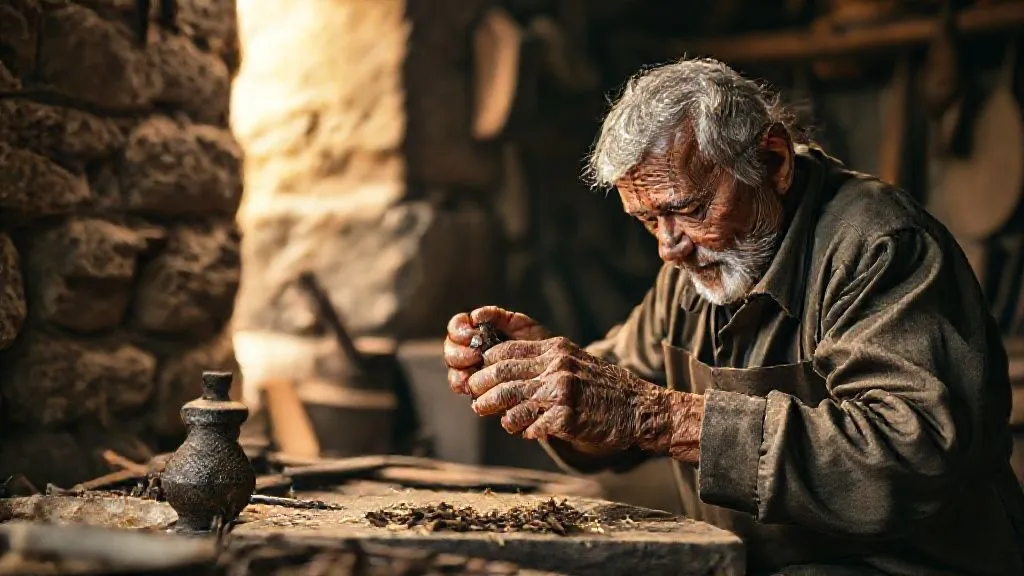
Seek out opportunities to interact with local storytellers, whether they are shopkeepers, market vendors, or residents at a community event. These individuals often hold generations of oral history and personal narratives that bring a city's past to life in a way museums rarely can.
Consider booking a tour with a local, independent guide rather than a large agency. Platforms like ToursByLocals or even Airbnb Experiences often feature guides who are passionate about their heritage and eager to share their personal perspectives, leading you to places and stories you'd never find otherwise.
Leveraging Digital Communities and Forums
Before you even pack your bags, tap into online communities. Travel forums, expat groups, and local Facebook groups for your destination are goldmines of information. Ask specific questions about local festivals, favorite non-touristy eateries, or unique artisan workshops.
I've seen travelers discover incredible, off-the-grid events simply by asking 'What do locals do on a Friday night?' in a city's online forum. Be respectful, specific, and open to suggestions. This digital groundwork is crucial for how to find unique cultural experiences in historical cities.
The Art of Slow Travel: Delving Deeper into Daily Life
In our fast-paced world, the temptation to rush from one landmark to another is strong. However, true cultural immersion requires a slower, more deliberate approach. Slow travel isn't just about spending more time in one place; it's about shifting your mindset from sightseeing to living.
This philosophy allows you to observe, absorb, and participate in the daily rhythms of a historical city, revealing layers of culture that are invisible to the hurried visitor. It's about letting the city unfold around you, rather than trying to conquer it.
Choosing Longer Stays and Immersive Accommodations
Instead of hopping between multiple cities for a few days each, commit to a longer stay in one historical city—perhaps a week or even two. Renting an apartment or staying in a guesthouse in a residential neighborhood, rather than a hotel in the tourist center, immediately integrates you into local life.
You'll find yourself shopping at local markets, frequenting neighborhood cafes, and observing the routines of your neighbors. This subtle shift in accommodation strategy is a fundamental aspect of how to find unique cultural experiences in historical cities.
Participating in Daily Rituals and Markets
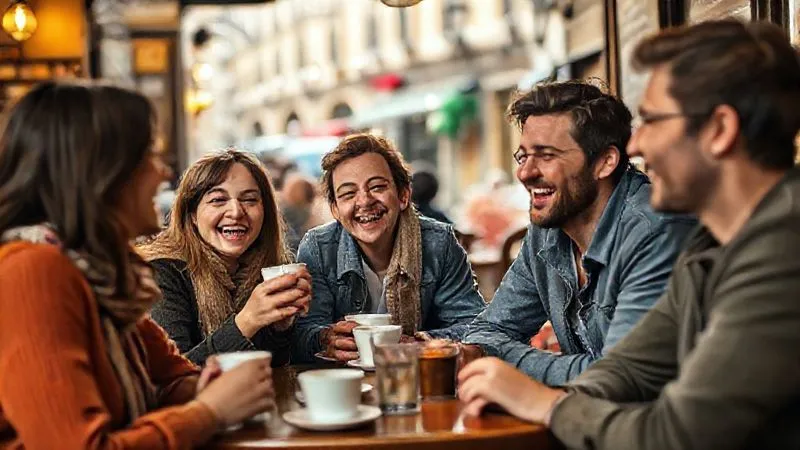
Embrace the mundane. Wake up early and watch the city come alive. Join locals for their morning coffee ritual, or spend an afternoon wandering through a bustling local market, observing interactions, sampling regional produce, and perhaps even practicing a few phrases of the local language.
These seemingly small activities are where the true fabric of a culture is woven. They offer genuine glimpses into local life, far removed from curated tourist attractions. According to a study by the Slow Travel Alliance, travelers who embrace longer stays and local immersion report significantly higher satisfaction with their cultural experiences.
| Aspect of Travel | Fast Travel | Slow Travel |
|---|---|---|
| Pace | Rush from sight to sight | Unfold naturally, deep dive |
| Accommodation | Central hotels near attractions | Apartments in residential areas |
| Interaction | Limited, transactional | Meaningful with locals |
| Cultural Depth | Surface-level observation | Immersive participation |
| Cost Efficiency | Higher per-day expense | Often more budget-friendly |
Unearthing Niche Interests: From Gastronomy to Artisan Crafts
Every historical city boasts a rich tapestry of niche cultural expressions, often overlooked by general tourism. To truly understand a place, delve into its specific crafts, culinary traditions, or artistic practices. This targeted approach is incredibly effective for how to find unique cultural experiences in historical cities.
It moves beyond passive consumption to active engagement, allowing you to not only witness a culture but also to participate in its creation.
Culinary Expeditions: Cooking Classes and Food Tours
Food is a universal language and a profound gateway to culture. Instead of simply eating at restaurants, enroll in a local cooking class. You'll learn traditional recipes, understand regional ingredients, and gain insights into the culinary history and social significance of food.
Alternatively, join a specialized food tour that focuses on a particular neighborhood, historical period, or even a specific dish. These tours, especially those led by passionate locals, often include visits to markets, specialty shops, and hidden eateries that offer unparalleled gastronomic experiences.
Artisan Workshops: Learning Traditional Crafts
Many historical cities are cradles of traditional crafts, from pottery and weaving to calligraphy and instrument making. Seek out workshops where you can learn directly from master artisans. This hands-on experience not only teaches you a new skill but also connects you deeply with the city's heritage and the dedication of its craftspeople.
"True immersion isn't just about seeing; it's about doing. When you create something with your own hands, guided by local tradition, you forge an indelible connection to the culture that transcends mere observation."
Case Study: How Maria Discovered Authentic Florence
Maria, a travel enthusiast, initially visited Florence, Italy, like many others, focusing on the Uffizi and Duomo. While beautiful, she felt a disconnect. On a subsequent trip, she decided to implement a niche interest approach. She enrolled in a leather-working workshop in the Oltrarno district and a traditional Tuscan cooking class with a nonna (grandmother) in a small village outside the city.
Through these experiences, Maria not only learned new skills but formed genuine connections with the artisans and local families. She was invited for dinner, learned about their daily lives, and discovered hidden trattorias and artisan studios. This transformed her understanding of Florentine culture, proving that targeted engagement is key to how to find unique cultural experiences in historical cities.
Decoding the City's Pulse: Festivals, Events, and Untapped Corners
Historical cities are living entities, constantly evolving while holding onto their past. To truly grasp their essence, you must tap into their contemporary pulse, which often manifests in vibrant festivals, community events, and the often-overlooked charm of lesser-known neighborhoods.
These are the spaces where local culture thrives, unfettered by commercial pressures, offering raw and authentic glimpses into the city's identity.
Timing Your Visit with Local Celebrations
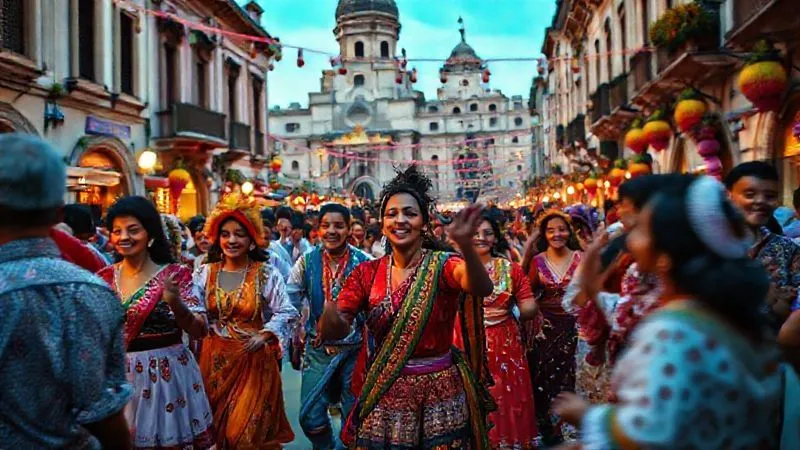
Before planning your trip, research the local calendar for festivals, religious holidays, music concerts, or sporting events. Attending a centuries-old procession, a vibrant street carnival, or a traditional harvest festival can be an incredibly powerful way to experience a city’s cultural heritage firsthand.
These events are often deeply rooted in history and provide a window into the collective memory and celebratory spirit of the community. They are prime examples of how to find unique cultural experiences in historical cities, offering sensory-rich immersion.
Exploring Lesser-Known Neighborhoods and Districts
Venture beyond the main squares and tourist zones. Every historical city has its 'other' side—neighborhoods where daily life unfolds without the fanfare of major attractions. These areas often harbor independent shops, local eateries, community centers, and smaller, historically significant sites.
Take a local bus or tram to the outskirts, or simply wander aimlessly down a side street. You might discover a hidden garden, a local market, or a centuries-old church that few tourists ever see, providing a more intimate and authentic connection to the city's past and present.
The Power of Language and Cultural Etiquette
While not strictly necessary for basic travel, making an effort to learn local phrases and understand cultural etiquette can dramatically enhance your ability to find unique cultural experiences in historical cities. It’s a sign of respect that often opens doors and fosters genuine connections.
Locals appreciate the effort, even if your pronunciation is imperfect, and this goodwill can lead to unexpected and enriching interactions.
Basic Phrases Go a Long Way
Learn greetings, polite expressions ('please,' 'thank you,' 'excuse me'), and simple questions ('how much?', 'where is...?'). Even a few words can break down barriers and facilitate communication beyond gestures.
Here’s a simple framework for learning essential phrases:
- Start with Greetings: Master 'hello,' 'goodbye,' 'good morning/evening.'
- Add Politeness: 'Please,' 'thank you,' 'you're welcome.'
- Essential Questions: 'How much?', 'Where is the bathroom?', 'Can I have...?'
- Ordering Food: 'I would like...', 'The bill, please.'
- Numbers: Learn 1-10 for transactions.
Even a quick five-minute daily practice on an app like Duolingo or Memrise can make a significant difference. You'll find locals more willing to engage and share their insights.
Understanding Local Customs and Social Norms
Research basic cultural etiquette before you arrive. This includes understanding appropriate dress codes for religious sites, tipping customs, dining protocols, and even non-verbal communication like personal space or hand gestures.
For instance, in some cultures, pointing with a finger is considered rude, while in others, it's perfectly acceptable. Being mindful of these nuances prevents unintentional offense and shows respect for the local way of life, paving the way for more meaningful interactions.
Harnessing Technology Responsibly: Apps and Digital Tools
In the digital age, technology can be a powerful ally in your quest for how to find unique cultural experiences in historical cities, provided it's used thoughtfully. While I advocate for disconnecting to connect, certain apps and digital tools can act as excellent bridges to local life, rather than distractions.
They can help you navigate, translate, and discover, enhancing your journey when integrated mindfully.
Utilizing Niche Travel Apps for Local Insights
Beyond mainstream navigation apps, look for highly specialized apps designed for specific cities or regions. These might include apps for local public transport, historical walking tours developed by local historians, or platforms that connect you with local events and meetups.
Apps like 'Spotted by Locals' (if available for your destination) are curated by residents, offering recommendations for authentic eateries, hidden bars, and cultural spots that won't appear in typical tourist guides. Always cross-reference and check recent reviews, but these can be invaluable.
Digital Storytelling and Augmented Reality Experiences
Some historical sites are now leveraging augmented reality (AR) apps to bring their past to life. Imagine pointing your phone at ancient ruins and seeing a digital reconstruction of how they looked centuries ago, complete with historical figures and sounds. This blend of technology and history offers a unique, immersive cultural experience.
Similarly, podcasts and audio guides created by local historians can transform a walk through an old city into a deeply informative and engaging journey, allowing you to absorb narratives and historical context at your own pace. National Geographic Travel often features recommendations for such immersive digital experiences.
Mindful Exploration: Reflecting and Connecting
Ultimately, how to find unique cultural experiences in historical cities isn't just about what you see or do, but how you process and connect with those experiences. Mindful exploration involves being present, observing deeply, and allowing yourself to be transformed by your surroundings.
It's about cultivating a sense of curiosity and openness that invites unexpected encounters and profound personal growth.
Journaling Your Discoveries
Carry a small notebook or use a digital journal to jot down your observations, feelings, and the stories you encounter. Describe the smells of a market, the sound of a local dialect, or the intricate details of an ancient building. This practice not only preserves memories but also deepens your engagement with the present moment.
Reflecting on your experiences allows you to synthesize new information, understand cultural nuances, and solidify the unique insights gained from your travels. This personal documentation becomes a treasure trove of your authentic cultural journey.
Engaging with Locals Through Shared Experiences
Beyond formal tours, look for informal opportunities to connect with locals. Share a meal at a community table, attend a local church service (if appropriate and respectful), or join a casual sports game in a park. These shared experiences often lead to the most memorable and authentic cultural interactions.
Be open, friendly, and genuinely interested in their lives and perspectives. A simple smile or a shared moment can transcend language barriers and create lasting human connections that are the true essence of unique cultural experiences.
According to a report by UNWTO (United Nations World Tourism Organization), sustainable and responsible tourism, which heavily emphasizes local interaction and cultural preservation, is increasingly vital for both travelers and host communities.
Frequently Asked Questions (FAQ)
Q: How can I ensure I'm not intruding on local life when seeking unique experiences? A: The key is respect and observation. Always ask permission before taking photos, especially of people. Be mindful of local customs regarding dress, noise, and public behavior. Support local businesses, but don't haggle aggressively. If something feels off or too private, step back. Your presence should be gentle and appreciative, not invasive. Engaging with local guides can also help navigate these sensitivities.
Q: What if I don't speak the local language? Can I still have deeply cultural experiences? A: Absolutely! While learning a few phrases helps, genuine cultural experiences transcend language. A warm smile, respectful demeanor, and open body language communicate volumes. Use translation apps for essential communication, but rely more on shared activities like cooking, crafting, or simply observing and participating in local life. Many locals in historical cities, especially younger generations, also speak English.
Q: How do I avoid common tourist traps when looking for authentic spots? A: Avoid places directly adjacent to major landmarks. Look for restaurants with menus exclusively in the local language, or where you see mostly locals dining. Research independent guides instead of large tour operators. Ask hotel staff (if staying in a small, local establishment) or apartment hosts for their personal recommendations. Online expat forums can also highlight genuine local spots.
Q: Is it safe to explore lesser-known neighborhoods alone? A: Safety is always paramount. Research the general safety of the city and specific neighborhoods before venturing out. Stick to well-lit areas, especially after dark. Trust your gut instinct; if a street feels unsafe, turn back. Inform someone of your plans. Generally, during the day, most residential areas in historical cities are safe, but it's wise to exercise the same caution you would in any unfamiliar urban environment.
Q: How can I make my unique cultural experiences sustainable and beneficial for the local community? A: Prioritize supporting local, independent businesses. Buy handicrafts directly from artisans. Eat at family-run restaurants. Choose accommodations that are locally owned. Participate in community-based tourism initiatives where the benefits directly support residents. Be mindful of your environmental footprint. Your choices as a traveler have a significant impact, and by supporting local economies, you contribute to the preservation of the very culture you seek to experience.
Key Takeaways and Final Thoughts
- Embrace Local Wisdom: Ditch the generic guidebooks and seek out local perspectives through independent guides, community forums, and direct interaction.
- Practice Slow Travel: Spend more time in one place, choose immersive accommodations, and integrate into daily routines like visiting local markets.
- Pursue Niche Interests: Dive deep into local gastronomy, artisan crafts, or specific historical periods through workshops and specialized tours.
- Time Your Visit Strategically: Align your trip with local festivals and events, and explore lesser-known neighborhoods for authentic experiences.
- Engage Respectfully: Learn basic local phrases and understand cultural etiquette; these small efforts open doors to deeper connections.
- Use Technology Wisely: Leverage niche apps and digital storytelling tools as bridges to local insights, not as replacements for real-world interaction.
- Cultivate Mindfulness: Journal your experiences and seek out shared moments with locals to reflect, connect, and truly absorb the culture.
Finding unique cultural experiences in historical cities is not about a checklist; it's about a mindset—one of curiosity, respect, and a willingness to step outside your comfort zone. By adopting these expert strategies, you’re not just traveling; you’re embarking on a journey of discovery, forging genuine connections, and creating memories that resonate far beyond the typical tourist snapshots. The historical cities of the world are waiting to reveal their true selves to you, if only you know how to listen and look beyond the obvious. Go forth and explore, with an open heart and an eager mind, and let the magic of authentic cultural immersion transform your travels.
Recommended Reading
- Commercial Flight Chaos? Your 5-Step Guide to Urgent Private Jet Charters
- Accessible Transport Fails? 7 Crisis Steps to Save Your Client's Trip
- Is a Luxury All-Inclusive Beach Resort Truly Worth the Price? The Ultimate Guide
- 7 Critical Steps for Self-Rescue on Remote Big Wall Climbs
- Slash LEO Space Tourism Costs: 7 Strategies for Profitability





Your email address will not be published. Required fields are marked *