

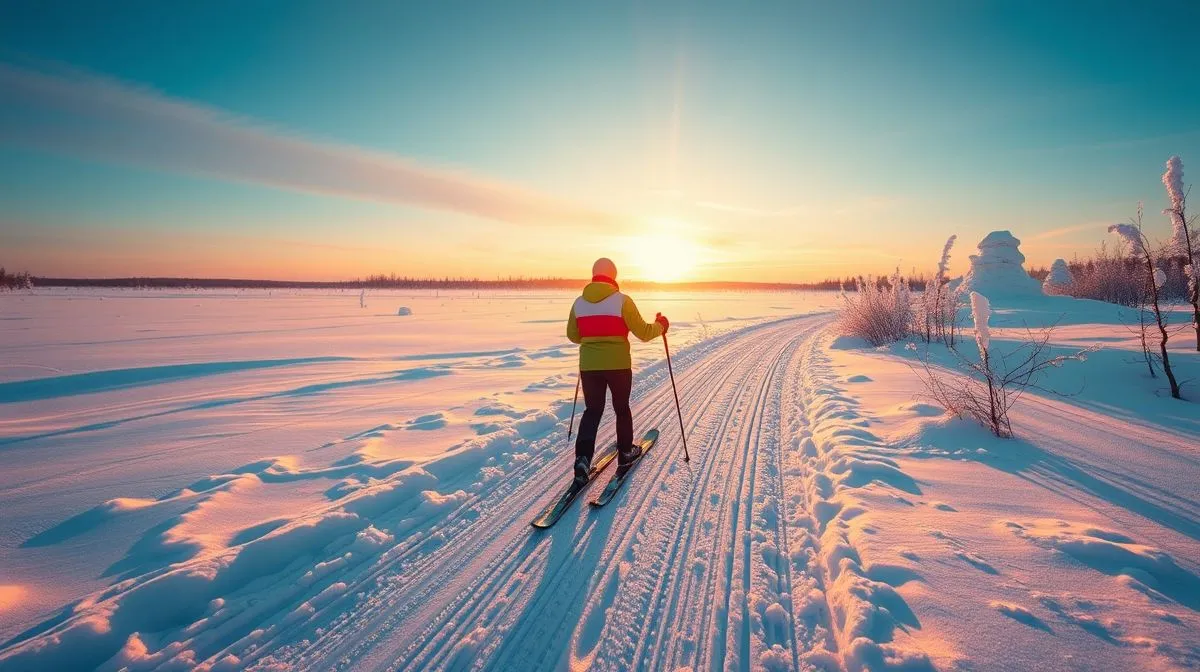
Cross Country Skiing for Beginners: Essential Tips
Ever watched someone effortlessly glide across a snow-covered landscape on skis and thought, "I want to do that!"? Cross country skiing, also known as Nordic skiing or XC skiing, offers a fantastic blend of fitness, nature, and adventure. It's a sport that can be enjoyed by people of all ages and abilities, but getting started can feel a little daunting.
The big question is: how do you transform from a complete novice into a confident cross country skier? What gear do you need? What techniques should you learn first? And how do you avoid common beginner mistakes that can lead to frustration or even injury?
This comprehensive guide will provide you with all the essential cross country skiing for beginners tips you need to get started. We'll cover everything from choosing the right equipment and learning basic techniques to understanding trail etiquette and staying safe on the snow. By the end of this article, you'll have the knowledge and confidence to hit the trails and experience the joy of cross country skiing.
Understanding the Basics of Cross Country Skiing
What is Cross Country Skiing?
Cross country skiing is a form of skiing where skiers rely on their own locomotion to move across snow-covered terrain, rather than using ski lifts. It's a full-body workout that engages almost every muscle group, providing excellent cardiovascular exercise and strength training.
There are two main styles of cross country skiing: classic and skate skiing. Classic skiing involves moving your skis in parallel tracks, using a gliding and kicking motion. Skate skiing, on the other hand, resembles ice skating, with skiers pushing off from one ski to propel themselves forward.
Why Choose Cross Country Skiing?
Cross country skiing offers numerous benefits:
- Excellent Exercise: It's a fantastic cardiovascular workout that burns a lot of calories.
- Full-Body Workout: Engages your arms, legs, core, and back.
- Low Impact: Gentle on your joints, making it suitable for people of all ages and fitness levels.
- Connection with Nature: Allows you to explore beautiful winter landscapes and enjoy the peace and quiet of the outdoors.
- Affordable: Compared to downhill skiing, cross country skiing is relatively inexpensive, with lower equipment costs and no lift tickets required on many trails.
Choosing the Right Equipment for Beginner Cross Country Skiing
Skis
Selecting the right skis is crucial for a positive experience. For beginners, it's generally recommended to start with classic skis. These skis are longer and narrower than skate skis, providing more stability and control.
When choosing classic skis, consider your weight and height. Ski manufacturers provide sizing charts that recommend specific ski lengths based on these factors. It's also important to choose skis with the appropriate wax pocket, which provides grip for climbing hills.
Boots
Comfortable and supportive boots are essential for cross country skiing. Classic ski boots are typically lower cut than skate ski boots, allowing for more ankle flexibility. Make sure the boots fit snugly but not too tightly, and wear moisture-wicking socks to prevent blisters.
Bindings
Bindings connect your boots to your skis. There are two main types of bindings: NNN (New Nordic Norm) and SNS (Salomon Nordic System). Both systems are compatible with specific boot types, so make sure your boots and bindings are compatible. For beginners, a simple and reliable binding system is recommended.
Poles
Poles provide propulsion and balance while skiing. The correct pole length is crucial for efficient skiing. For classic skiing, the poles should reach approximately to your armpit. When holding the poles, your elbows should be bent at a 90-degree angle.
Clothing
Dressing appropriately is essential for staying comfortable while cross country skiing. Wear moisture-wicking base layers to keep sweat away from your skin. Add insulating layers, such as fleece or down, to stay warm. A windproof and waterproof outer layer is also recommended to protect you from the elements.
Don't forget to wear a hat, gloves, and sunglasses or goggles to protect yourself from the sun and wind.
Mastering Basic Cross Country Skiing Techniques
The Diagonal Stride
The diagonal stride is the fundamental technique in classic cross country skiing. It involves a coordinated movement of your arms and legs, with one arm swinging forward as the opposite leg kicks back. Focus on pushing off with your foot and gliding on the opposite ski.
Practice the diagonal stride on a flat, groomed trail. Start with short strides and gradually increase your speed and distance. Maintain a relaxed posture and focus on keeping your balance.
The Double Pole
The double pole is another essential technique in classic cross country skiing. It involves planting both poles simultaneously and using your arms and core to propel yourself forward. The double pole is used primarily on flat or slightly downhill terrain.
To perform the double pole, bend your knees and lean forward slightly. Plant your poles firmly in the snow and use your arms and core to pull yourself forward. Keep your back straight and your core engaged.
The Herringbone
The herringbone is a technique used for climbing hills in classic cross country skiing. It involves pointing the tips of your skis outward and walking uphill in a V-shape. Use your edges to grip the snow and prevent yourself from slipping.
To perform the herringbone, widen your stance and point the tips of your skis outward. Lean forward slightly and use your poles for balance. Take small, deliberate steps and focus on maintaining your grip on the snow.
Turning and Stopping
Learning how to turn and stop is crucial for safety and control. One simple turning technique is the snowplow turn, which involves pointing the tips of your skis inward and using your edges to steer. To stop, increase the angle of your skis and apply more pressure to your edges.
Practice turning and stopping on a gentle slope. Start with small turns and gradually increase your speed and angle. Focus on maintaining your balance and control.
Essential Cross Country Skiing Tips for Beginners
Start Slow and Steady
Don't try to do too much too soon. Begin with short, easy trails and gradually increase your distance and difficulty as you gain experience. Focus on mastering the basic techniques before attempting more challenging terrain.
Take a Lesson
Consider taking a lesson from a qualified instructor. A good instructor can provide you with personalized feedback and help you develop proper technique. Many ski resorts and Nordic centers offer beginner lessons.
Warm Up Properly
Before hitting the trails, warm up your muscles with some light stretching and aerobic exercise. This will help prevent injuries and improve your performance.
Stay Hydrated
Drink plenty of water before, during, and after your ski. Dehydration can lead to fatigue and decreased performance.
Be Aware of the Weather
Check the weather forecast before heading out and dress appropriately. Be prepared for changing conditions and bring extra layers of clothing.
Follow Trail Etiquette
Be respectful of other skiers and follow trail etiquette. Stay to the right, yield to uphill skiers, and don't block the trail.
Know Your Limits
Don't push yourself too hard, especially when you're just starting out. Listen to your body and take breaks when you need them.
Common Mistakes to Avoid When Starting Cross Country Skiing
- Using the Wrong Equipment: Make sure you have the right skis, boots, and poles for your height, weight, and skill level.
- Dressing Inappropriately: Wear moisture-wicking layers to avoid getting cold and wet.
- Skiing Too Fast Too Soon: Start with easy trails and gradually increase your speed and distance.
- Not Warming Up Properly: Warm up your muscles before hitting the trails to prevent injuries.
- Ignoring Trail Etiquette: Be respectful of other skiers and follow trail etiquette.
- Skiing Beyond Your Limits: Listen to your body and take breaks when you need them.
According to a study by the American College of Sports Medicine, proper warm-up and cool-down routines can significantly reduce the risk of injuries in cross-country skiing. ACSM Website
Safety Considerations for Cross Country Skiing
Avalanche Awareness
If you're skiing in mountainous terrain, be aware of the risk of avalanches. Check the avalanche forecast before heading out and avoid skiing in areas with high avalanche danger. Consider taking an avalanche safety course to learn how to assess avalanche risk and rescue techniques. More on Avalanches
Navigation
Carry a map and compass or a GPS device and know how to use them. Familiarize yourself with the trail before you start and be aware of your surroundings. Let someone know where you're going and when you expect to be back.
First Aid
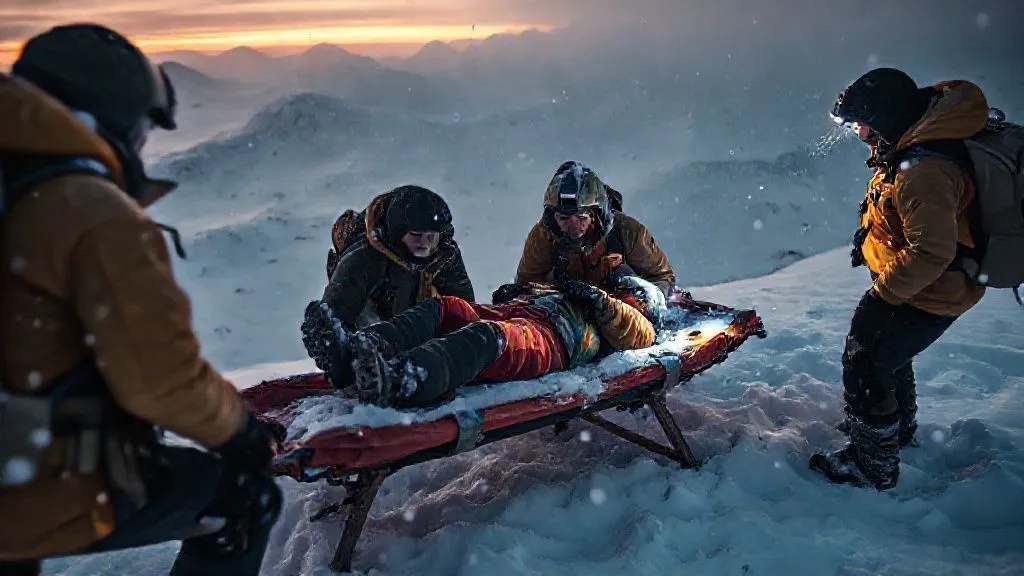
Carry a first-aid kit and know how to use it. Be prepared to treat minor injuries such as cuts, scrapes, and blisters. In case of a serious injury, call for help immediately.
Hypothermia and Frostbite
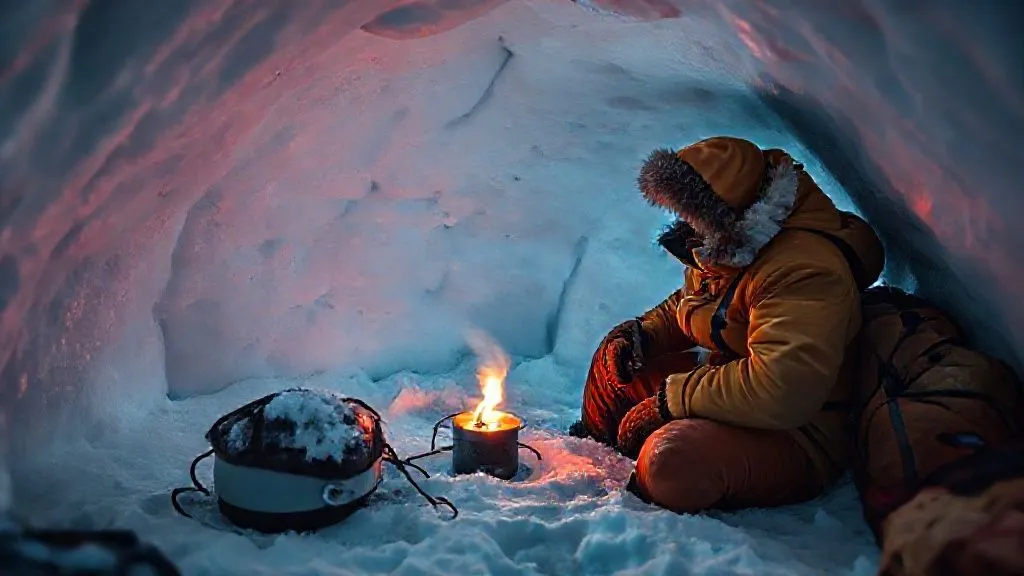
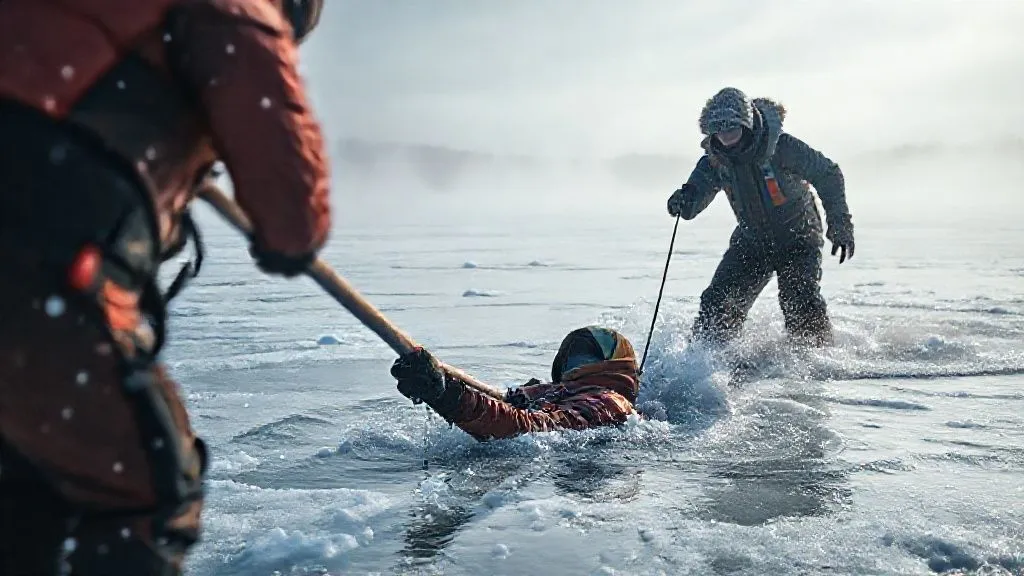
Be aware of the risks of hypothermia and frostbite. Dress warmly and stay dry. If you start to feel cold or numb, seek shelter immediately and warm up.
The National Weather Service provides valuable resources for understanding and preventing hypothermia. NWS Hypothermia Information
Frequently Asked Questions (FAQ)
What's the difference between classic and skate skiing? Classic skiing involves skiing in parallel tracks using a gliding and kicking motion, while skate skiing resembles ice skating, with skiers pushing off from one ski to propel themselves forward.
What kind of skis should I buy as a beginner? For beginners, classic skis are generally recommended. They are longer and narrower than skate skis, providing more stability and control.
What should I wear for cross country skiing? Wear moisture-wicking base layers, insulating layers, and a windproof and waterproof outer layer. Don't forget a hat, gloves, and sunglasses or goggles.
How long should my cross country ski poles be? For classic skiing, the poles should reach approximately to your armpit. When holding the poles, your elbows should be bent at a 90-degree angle.
Is cross country skiing a good workout? Yes, cross country skiing is an excellent full-body workout that engages almost every muscle group and provides excellent cardiovascular exercise.
Recommended Reading
- Best Time for Caribbean Ocean Cruises? Unveiling the Perfect Season
- Dog Sledding Gear: Conquer Sub-Zero Temps Like a Pro!
- Best Age for Disney World with Toddlers: Maximize the Magic!
- Unlock the Magic: Discover Kid-Friendly Destinations That Offer Educational Fun
- Ultimate Guide: Best Luxury Hotel Amenities for Total Relaxation
Conclusion
Cross country skiing is a rewarding and enjoyable sport that offers a fantastic way to stay active and connect with nature. By following these cross country skiing for beginners tips, choosing the right equipment, mastering basic techniques, and prioritizing safety, you can confidently embark on your Nordic skiing adventure. So, get out there, embrace the snow, and experience the joy of gliding across the winter landscape!

Your email address will not be published. Required fields are marked *