


How to Mitigate Financial Losses from Music Festival Attendee No-Shows?
For over 15 years in the bustling world of festival operations and event management, I've seen countless brilliant concepts and meticulously planned festivals stumble, not due to poor execution on the day, but from a silent, insidious threat: the attendee no-show. It’s a problem that often gets overlooked in the rush to sell tickets, yet its financial repercussions can be devastating, eroding profits and wasting invaluable resources.
The pain of no-shows isn't just about an empty space in the crowd. It cascades through every facet of your event: from underestimated bar and merchandise sales to over-staffed security and catering, and even impacting future sponsorship deals based on attendance figures. It's a complex challenge that demands a sophisticated, multi-pronged approach, far beyond simply selling more tickets.
In this definitive guide, I'm going to pull back the curtain on the strategies I've personally developed and witnessed transform festival profitability. We'll explore actionable frameworks, delve into real-world case studies, and uncover expert insights designed to not just reduce no-shows, but to fundamentally change how you engage with your audience and safeguard your event's financial health. Get ready to turn those 'maybes' into definite 'yeses' on your festival grounds.
Understanding the Root Causes of Festival No-Shows
Before we can effectively combat the problem, we must first understand why attendees, despite purchasing tickets, fail to show up. It’s rarely a single factor; often, it’s a confluence of personal circumstances, external influences, and sometimes, even the ticketing process itself.
In my experience, many no-shows aren't malicious; they're simply a casualty of life's unpredictability. A sudden family emergency, an unexpected work commitment, or even just general malaise can quickly turn a highly anticipated festival weekend into a missed opportunity for the ticket holder and a financial drain for the organizer.
“Understanding your audience's journey from ticket purchase to festival gate is paramount. Every touchpoint is an opportunity to reinforce commitment or identify potential drop-offs.”
Common reasons for no-shows often include:
- Last-Minute Conflicts: Unforeseen personal or professional obligations.
- Weather Conditions: Extreme heat, heavy rain, or storms can deter attendance.
- Logistical Hurdles: Issues with transport, accommodation, or travel companions.
- Over-Purchasing/Buyer's Remorse: Buying tickets for multiple events and choosing one, or simply changing their mind.
- Secondary Market Issues: Inability to resell tickets or falling victim to fraudulent resales.
- Health Concerns: Illness or injury preventing attendance.
- Lack of Engagement: The initial excitement wanes without continued interaction from the festival.
Proactive Ticketing Strategies: Dynamic Pricing & Tiered Sales
The foundation of mitigating financial losses from no-shows begins long before gates open, right at the point of ticket sales. Moving beyond static, one-size-fits-all pricing is crucial in today's dynamic market.
Leveraging Early Bird & Loyalty Tiers
Early bird and loyalty tiers aren't just marketing gimmicks; they are powerful tools to lock in commitment and reward your most dedicated fans. They create a sense of urgency and perceived value that can significantly reduce the likelihood of a no-show.
- Define Clear Tiers: Offer genuinely attractive discounts for early purchasers, with increasing prices as the event date approaches.
- Exclusive Access: Provide loyalty tiers with unique perks, such as pre-sale access to future events, exclusive merchandise, or priority entry.
- Limited Availability: Clearly communicate the scarcity of early bird tickets to encourage immediate purchase and commitment.
- Installment Plans: For higher-priced tickets, offer payment plans. This makes tickets more accessible and builds a stronger financial commitment over time.
Implementing Dynamic Pricing Models
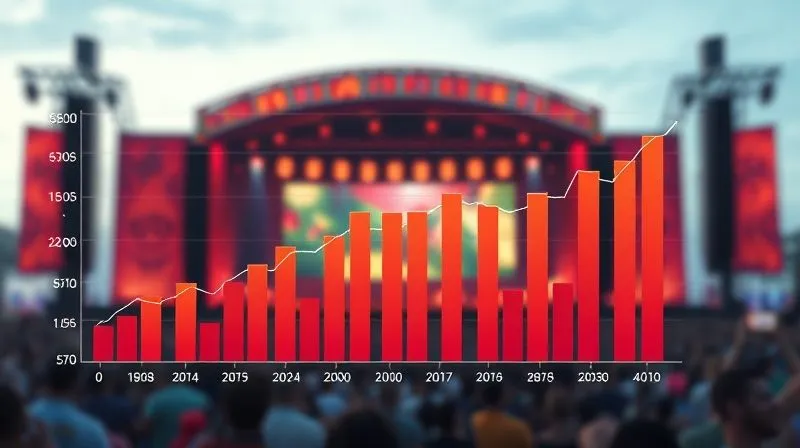
Dynamic pricing, much like in the airline or hospitality industry, adjusts ticket prices based on real-time demand, sales velocity, and even external factors. This strategy allows you to maximize revenue and encourages early commitment, as attendees know prices will likely rise.
By monitoring sales data, you can strategically increase prices as inventory decreases or demand spikes. This not only optimizes revenue but also subtly pressures fence-sitters to commit sooner, reducing the window for them to reconsider. According to a study published by Harvard Business Review, dynamic pricing can significantly enhance revenue management across various industries.
Enhancing Attendee Engagement & Communication Pre-Festival
Once a ticket is purchased, the relationship doesn't end; it intensifies. Sustained engagement is key to keeping the excitement high and reinforcing the attendee's commitment to show up. A lack of communication is a common reason for enthusiasm to wane.
Personalized Communication & Countdown Campaigns
Consistent, valuable communication acts as a powerful reminder and builds anticipation. It transforms a simple ticket purchase into an immersive journey, making the festival feel closer and more tangible.
- Automated Email Sequences: Send welcome emails, artist announcements, logistical updates, and 'what to pack' guides.
- SMS Reminders: A few days before the event, send practical reminders about gates opening, set times, and essential items.
- Personalized Content: Tailor messages based on ticket type, preferred genres (if known), or geographical location to make communication feel more relevant.
- Countdown Clocks: Integrate countdown timers on your website and in emails to build excitement as the event approaches.
Building Community & Anticipation
A festival is more than just a lineup; it's an experience shared within a community. Fostering this sense of belonging can significantly boost commitment.
Case Study: How Rhythm & Brews Fest Reduced No-Shows
Rhythm & Brews Fest, a mid-sized craft beer and music festival, was facing a consistent 12% no-show rate. By implementing a targeted pre-festival engagement strategy, they were able to reduce this to under 5%. They launched an exclusive Facebook group for ticket holders, hosted weekly 'Artist Spotlight' live streams, and ran a photo contest for attendees to share their favorite festival memories from previous years. This continuous stream of interactive content kept their audience invested and excited, directly translating into higher attendance rates.

Here's a breakdown of effective communication touchpoints:
| Phase | Frequency | Content Type |
|---|---|---|
| Post-Purchase | Weekly | Welcome Guide, Artist Spotlights, Travel Tips |
| 1 Month Out | Bi-Weekly | Logistics, FAQs, Merch Pre-Orders |
| 1 Week Out | Daily | Set Times, Weather Prep, Final Reminders |
| Day Of Event | Hourly (SMS) | Gate Open, Urgent Updates, Lost & Found |
Robust Refund & Resale Policies: Balancing Flexibility and Protection
While we aim to minimize no-shows, life happens. Having clear, fair, and accessible refund and resale policies is not a sign of weakness; it's a mark of professionalism and can actually help mitigate losses by channeling unavoidable no-shows into re-sales rather than lost revenue.
Tiered Refund Structures
A well-defined refund policy can manage expectations and encourage attendees to make a firm decision within a reasonable timeframe. It also allows you to recoup some costs if a refund is issued closer to the event.
- Early Full Refund: Offer a full refund window (e.g., up to 30-60 days out) to accommodate early changes of plans.
- Partial Refund Window: Implement a period where a partial refund (e.g., 50-75%) is available, perhaps up to 7-14 days before the event.
- No Refunds Close to Event: Clearly state that no refunds are available within a certain proximity to the event, pushing attendees towards official resale options.
Official Ticket Resale Platforms
One of the biggest contributors to financial loss from no-shows is the inability for attendees to legitimately resell their tickets. This often leads to tickets going unused or being sold on unregulated secondary markets, where prices can be inflated or, worse, fraudulent.
By providing an official, secure platform for ticket resale, you achieve several critical objectives:
- Recapture Revenue: Unused tickets can be resold at face value or a slightly higher price (if permitted by regulations), ensuring the revenue stays within your ecosystem.
- Combat Scalping: It undercuts unofficial scalpers by providing a legitimate alternative, protecting both your brand reputation and your fans.
- Enhanced Fan Experience: Attendees who can no longer make it appreciate having a trusted avenue to recoup their costs, fostering goodwill.
- Accurate Attendance Data: Resold tickets are still counted as valid attendees, providing more accurate metrics for future planning and sponsorship reports.
Explore platforms that integrate directly with your ticketing system to ensure a seamless and secure process. Organizations like the Federal Trade Commission (FTC) advocate for transparent and fair ticketing practices, underscoring the importance of legitimate resale options.
“A transparent, official resale market doesn't just recover lost revenue; it builds immense trust with your audience, transforming a potential negative experience into a positive brand interaction.”
Leveraging Data Analytics to Predict & Prevent No-Shows
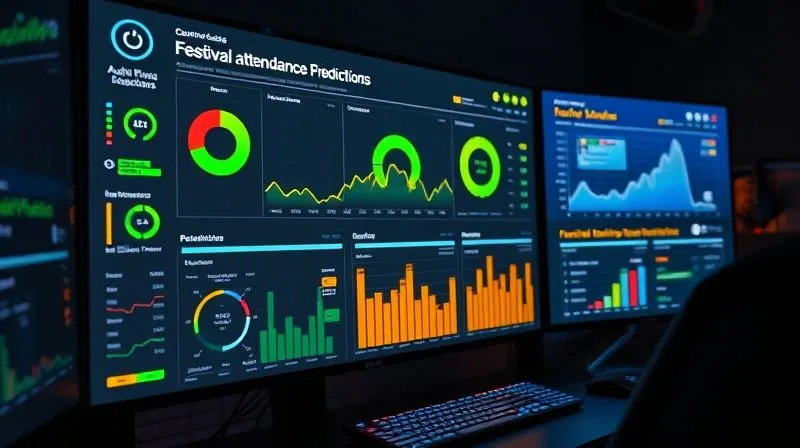
In the digital age, data is your most powerful ally. By meticulously analyzing past attendee behavior, purchasing patterns, and external factors, you can develop predictive models to identify potential no-shows and intervene proactively. This is where the 'expert' really comes in, turning raw numbers into actionable insights.
Identifying High-Risk Segments
Not all ticket holders are created equal when it comes to no-show risk. Data can help you segment your audience and pinpoint those most likely to drop off.
- Purchase Timing: Late purchasers or those who bought tickets during promotional periods might have different commitment levels than early bird buyers.
- Demographics & Geographics: Attendees traveling long distances, or those in certain age groups, might have higher no-show rates.
- Engagement Metrics: Lack of interaction with pre-festival communications (unopened emails, no social media engagement) can be a red flag.
- Past Behavior: If your ticketing system tracks repeat attendees, analyze their past show-up history.
Predictive Modeling for No-Show Rates
Advanced analytics, including machine learning, can build models that predict the probability of an individual attendee showing up. This isn't about shaming anyone; it's about smart resource allocation and targeted intervention.
- Collect Comprehensive Data: Gather everything from purchase date, ticket type, payment method, geographic location, and engagement with marketing materials.
- Identify Key Variables: Determine which data points correlate most strongly with no-show behavior from past events.
- Develop a Model: Use statistical analysis or machine learning algorithms to create a predictive model.
- Targeted Interventions: For high-risk individuals, deploy specific engagement tactics: personalized reminders, exclusive content, or even a quick survey asking about their plans, offering assistance.
Strategic Partnerships & Value-Added Incentives
Sometimes, the best way to ensure attendance is to make the entire experience irresistible and hassle-free. Strategic partnerships and well-placed incentives can significantly increase the perceived value of the ticket, making it harder for attendees to justify not showing up.
Accommodation & Transport Bundles
Logistical challenges are a major cause of no-shows, especially for multi-day festivals or those in remote locations. By simplifying these aspects, you remove significant barriers to attendance.
- Official Hotel Partners: Offer discounted rates or exclusive packages with nearby hotels.
- Shuttle Services: Provide dedicated transport from major transport hubs or city centers directly to the festival site.
- Camping Packages: For camping festivals, offer pre-pitched tents or premium camping experiences to reduce setup hassle.
Exclusive Perks & Upgrades
Sweetening the deal with value-added incentives can solidify commitment. These don't always have to be costly; sometimes, convenience is the ultimate luxury.
- Merchandise Vouchers: A small discount or voucher for festival merchandise can be a powerful incentive.
- Priority Entry: Offer early access to the festival grounds for a limited time.
- VIP Upgrades: For higher-tier tickets, include access to exclusive lounges, better viewing areas, or dedicated bars.
- Local Experiences: Partner with local businesses to offer discounts on food, attractions, or pre-festival activities, making the trip more appealing.
As marketing guru Seth Godin often says, "People do not buy goods and services. They buy relations, stories, and magic." These incentives contribute to the overall magic and perceived value of your festival. Building strong relationships with partners can be a game-changer for event success, as highlighted by resources like Forbes' insights on strategic alliances.
Insurance & Contingency Planning for Unforeseen Circumstances
Even with the best proactive strategies, some no-shows are simply unavoidable. This is where robust insurance and contingency planning come into play, serving as your ultimate financial safety net against the unpredictable nature of large-scale events.
Event Cancellation Insurance
While this primarily protects against the full cancellation of an event due to extreme weather, natural disaster, or other force majeure, some policies can be structured to cover significant drops in attendance under specific conditions. It's crucial to understand the nuances of your policy.
No-Show Revenue Protection Insurance
A more specialized, albeit less common, type of insurance directly addresses the financial impact of attendee no-shows. These policies are designed to compensate organizers for a percentage of lost revenue if attendance falls below a predetermined threshold, often due to specific, covered perils. I've seen a few forward-thinking organizers explore this, especially for new festivals or those in volatile markets.
“Don't view insurance as an expense, but as a critical investment in your festival's financial resilience. It’s the last line of defense when all other mitigation strategies are overwhelmed by circumstance.”
When selecting insurance, work closely with an experienced broker who specializes in event coverage. They can help you tailor a policy that addresses your specific risks, including potential revenue losses from attendee no-shows. Understanding the fine print and coverage limits is paramount to ensuring true protection.

Post-Festival Analysis & Feedback Loop
The work doesn't end when the last note fades. Every festival is a learning opportunity. A thorough post-mortem analysis, with a specific focus on no-show data, is indispensable for continuous improvement and future financial resilience.
Collecting Attendee & Non-Attendee Feedback
Gathering feedback from both those who attended and, crucially, those who didn't, provides invaluable insights. This can be done through targeted surveys, social media listening, and direct outreach.
- Post-Event Surveys: Include specific questions about reasons for attendance or non-attendance.
- Exit Surveys: On-site surveys can gauge satisfaction and identify any last-minute issues that might have deterred others.
- Targeted Non-Attendee Surveys: Reach out to ticket holders who didn't scan in, offering a small incentive for their honest feedback on why they missed out.
Analyzing No-Show Data Trends
Look for patterns. Did certain ticket types have higher no-show rates? Were attendees from specific geographic regions more likely to miss out? Was there a correlation with weather forecasts or other major competing events?
By cross-referencing this data with your engagement metrics, ticketing strategies, and external factors, you can refine your approach for future festivals. This continuous feedback loop is the bedrock of long-term success in mitigating financial losses from music festival attendee no-shows.
| Metric Category | Key Metrics |
|---|---|
| Ticketing Data | Purchase Date, Ticket Type, Price Paid, Refund Requests, Resale Attempts |
| Engagement Data | Email Open Rates, Click-Through Rates, Social Media Interaction, App Usage |
| Demographic Data | Age, Location, Past Attendance History |
| External Factors | Weather Forecasts, Competing Events, Local News Sentiment |
Frequently Asked Questions (FAQ)
What's the ideal refund policy to balance attendee flexibility and festival financial protection? In my experience, a tiered refund policy works best. Offer a full refund window (e.g., 30-60 days out), followed by a partial refund period (e.g., 7-14 days out), and then no refunds close to the event. This encourages early commitment while still offering flexibility for genuine emergencies. Crucially, pair this with an official, secure resale platform.
How can small festivals with limited budgets implement advanced no-show mitigation strategies? Even with a tight budget, focus on strong communication and data. Leverage free email marketing tools, create engaging social media content, and use your ticketing platform's basic analytics to identify trends. Encourage community building through free online groups. A clear, well-communicated tiered refund policy and an official resale option (even if simple) are also low-cost, high-impact strategies.
Is it ethical to charge a non-refundable deposit for festival tickets? While it can deter no-shows, it needs careful consideration. Transparency is key. If you charge a non-refundable deposit, clearly state this upfront and explain why. It's often better to offer tiered pricing with increasing commitment (e.g., cheaper early bird tickets with stricter refund policies) than a separate non-refundable deposit, which can sometimes deter initial purchases.
How accurate are predictive no-show models, and how much data do I need? The accuracy of predictive models depends heavily on the quality and volume of your historical data. With data from several past events (at least 3-5 years), you can build reasonably accurate models. Start with basic correlations (e.g., late buyers vs. early buyers) and gradually introduce more variables. Even a basic model can offer significant improvements over guesswork.
Should I offer incentives specifically to 'at-risk' attendees identified by data? Yes, but carefully. Targeted incentives can be highly effective. This could be a personalized email reminder, a small discount on merchandise if they attend, or even a 'check-in' survey offering support for logistics. The key is to make it feel helpful and value-adding, not punitive or intrusive.
Recommended Reading
- 7 Critical Steps: How to Assess Ice Thickness for Safe Winter Sports Events
- Toddler & Deadlines: 7 Pro Strategies for Traveling Parents
- Unlock Eco-Travel: What Gear Is Essential for Sustainable Adventure Travel?
- Unmasking the True Cost: What Are the Hidden Fees on Budget Cruise Lines?
- 7 Secrets: How to Eat Healthy & Affordably on Frugal Adventures
Main Points and Final Considerations
Mitigating financial losses from music festival attendee no-shows is not a singular task but an ongoing, integrated process that touches every aspect of your event planning. It requires a shift in mindset from simply selling tickets to actively cultivating attendee commitment and managing risk.
- Proactive Ticketing: Utilize dynamic pricing and tiered sales to incentivize early commitment.
- Engage Consistently: Maintain excitement and reinforce attendance through personalized communication and community building.
- Fair & Clear Policies: Implement robust refund and official resale policies that benefit both attendees and organizers.
- Data-Driven Decisions: Leverage analytics to predict no-shows and inform targeted interventions.
- Strategic Value: Enhance the overall festival experience through partnerships and compelling incentives.
- Safety Nets: Explore specialized insurance and comprehensive contingency planning.
- Learn & Adapt: Conduct thorough post-event analysis to continuously refine your strategies.
By embracing these strategies, you're not just plugging a financial leak; you're building a more resilient, fan-centric, and ultimately more profitable festival. The journey from ticket purchase to turnstile scan is a delicate one, and by guiding your attendees with expertise, empathy, and strategic foresight, you can transform the challenge of no-shows into an opportunity for growth and unparalleled success. The future of your festival's financial health depends on it.





Your email address will not be published. Required fields are marked *