


How to Overcome Executive Burnout with a Transformative Spiritual Journey?
For over 15 years in the wellness travel sector, I've witnessed a recurring pattern: high-achieving executives, seemingly at the pinnacle of their careers, grappling with an insidious enemy – burnout. They possess immense drive, strategic acumen, and often, significant material success, yet beneath the polished exterior lies a profound exhaustion, a sense of disconnection, and a gnawing void that no promotion or bonus can fill.
This isn't just about being busy; it's a soul-deep fatigue that permeates every aspect of life, eroding joy, creativity, and even physical health. It manifests as cynicism, irritability, lack of motivation, and a pervasive feeling of being 'empty' despite being constantly 'full' of tasks and responsibilities. Conventional solutions like more vacation time or stress management workshops often scratch only the surface, failing to address the deeper existential and spiritual depletion at play.
This definitive guide will unravel the complexities of executive burnout and, more importantly, illuminate a powerful, often overlooked pathway to profound healing and renewal: the transformative spiritual journey. You'll learn not just about the 'what' but the 'how' – actionable steps, real-world insights, and a framework to reclaim your vitality, purpose, and inner peace, setting you on a path to not just recover, but truly thrive.
Understanding the Executive Burnout Epidemic: More Than Just 'Being Busy'
Executive burnout is not a sign of weakness; it's a systemic failure to sustain well-being in an increasingly demanding world. It's a condition that goes far beyond simple stress, evolving into a state of chronic physical, emotional, and mental exhaustion coupled with cynicism and a reduced sense of accomplishment. The World Health Organization officially recognizes burnout as an occupational phenomenon, yet many executives still wear it as a badge of honor.
The Silent Erosion of Well-being
The symptoms are often subtle at first, escalating over time until they become undeniable. Physically, you might experience chronic fatigue, insomnia, frequent headaches, or digestive issues. Emotionally, irritability, anxiety, feelings of helplessness, and a profound lack of motivation become commonplace. Mentally, concentration wanes, decision-making becomes arduous, and a pervasive cynicism about your work and life takes hold. This silent erosion chips away at your ability to lead effectively, connect authentically, and find joy in your personal life.
Why Conventional Solutions Fall Short
Many executives attempt to mitigate burnout with superficial fixes: a weekend getaway, a new hobby, or even therapy that focuses solely on coping mechanisms. While these have their place, they often fail to address the core issue: a spiritual vacuum. The relentless pursuit of external validation, power, and material gain can leave a deep void when disconnected from one's intrinsic values, purpose, and inner self. As I've observed countless times, the external world can be perfectly curated, yet inner peace remains elusive.
"Burnout isn't just about being tired; it's about a profound disconnection from what gives your life meaning. It's a spiritual crisis disguised as an occupational hazard."
The Transformative Power of a Spiritual Journey: A New Paradigm
When I speak of a 'spiritual journey,' I'm not necessarily referring to religious dogma or specific creeds. Instead, I'm talking about a deeply personal exploration of your inner landscape, your core values, your connection to something greater than yourself, and your innate sense of purpose. It's about seeking profound meaning and authenticity.
Defining 'Spiritual Journey' Beyond Religion
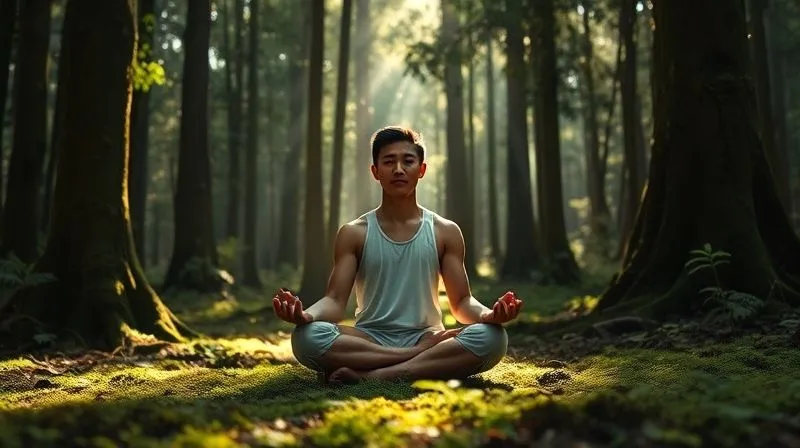
A spiritual journey is a quest for self-discovery, inner peace, and a connection to a deeper sense of meaning. It can involve practices like mindfulness, meditation, nature immersion, contemplative reflection, or engaging with communities that foster personal growth. It's about cultivating an awareness of your inner world and aligning your actions with your deepest truths, regardless of your religious affiliation.
Why Spirituality is the Missing Link for Executives
For executives, a spiritual journey offers what conventional remedies often miss: a pathway to address existential exhaustion. It provides tools to cultivate resilience, emotional intelligence, and a profound sense of purpose that transcends quarterly reports and market fluctuations. By reconnecting with their inner wisdom, leaders can make decisions that are not only strategic but also ethically sound and deeply fulfilling. It’s about replenishing the wellspring of their being, not just patching up the leaks.

Phase 1: Preparation – Laying the Groundwork for Deep Transformation
Just as you wouldn't launch a major business initiative without meticulous planning, a transformative spiritual journey requires thoughtful preparation. This initial phase is crucial for setting the stage for genuine, lasting change.
Acknowledging the Need: The First Step to Healing
The most critical step is honest self-assessment. Are you truly burned out, or merely stressed? Burnout is characterized by chronic exhaustion, cynicism, and a sense of ineffectiveness. Take a moment to reflect on your physical, emotional, and mental state. Be brutally honest with yourself about the extent of your depletion. Recognizing and accepting this state is the first act of self-compassion and the gateway to healing.
| Burnout Symptom Category | Common Manifestations |
|---|---|
| Physical | Chronic fatigue, insomnia, frequent headaches, digestive issues |
| Emotional | Irritability, anxiety, feelings of helplessness, emotional detachment |
| Mental | Difficulty concentrating, impaired decision-making, cynicism, lack of creativity |
| Spiritual | Loss of purpose, feeling empty, disconnection from values, existential dread |
Detachment and Disconnection: Creating Space
Before you can fill your cup with new insights, you must first empty it of what no longer serves you. This often means a period of strategic detachment. Consider a digital detox: step away from emails, social media, and constant connectivity. Inform your team and family that you'll be less accessible. Create physical and mental space to allow your nervous system to downshift and your mind to quiet. This isn't about escaping; it's about creating an essential void for new growth.
Setting Intentions: What Do You Seek?
Clarity of intention acts as your compass. Before embarking on any spiritual journey, ask yourself: What specifically do I hope to gain? Is it inner peace, a renewed sense of purpose, greater resilience, or a deeper connection to myself? Write down your intentions. This clear articulation helps focus your efforts and allows you to recognize when your journey is bearing fruit. As the saying goes, 'what you seek is seeking you,' but you must first define what 'it' is.
"An intention is not a demand, but a gentle guidance. It's the silent prayer of your soul, directing your path towards healing and wholeness."
Phase 2: Embarking on the Journey – Diverse Paths to Inner Renewal
The beauty of a spiritual journey is its highly personal nature. There isn't a one-size-fits-all solution, but rather a spectrum of practices and experiences that can lead to profound transformation. Here are some proven avenues I recommend exploring.
Retreats: Immersive Healing Experiences
Immersive retreats offer a powerful catalyst for change by removing you from your everyday environment and its stressors. They provide dedicated space and expert guidance to delve into specific practices. Options range from silent meditation retreats and mindfulness-based stress reduction programs to nature-focused wilderness experiences or yoga and spiritual growth centers. A well-chosen retreat can accelerate self-discovery and facilitate deep healing.
- Research & Vetting: Look for retreats with experienced facilitators and strong testimonials. Consider the philosophy – is it secular mindfulness, a specific spiritual tradition, or nature-based?
- Duration & Location: A minimum of 3-7 days is often recommended for deep immersion. Choose a location that resonates with you – mountains, ocean, desert, or a quiet countryside.
- Program Structure: Understand the daily schedule. Does it offer a balance of instruction, practice, reflection, and personal time? Some retreats are highly structured, others more flexible.
- Preparation: Mentally prepare for disconnection. Inform your team, set boundaries, and complete urgent tasks before you go.
According to Harvard Business Review, stepping away from work, whether for a sabbatical or a retreat, can significantly boost creativity, perspective, and overall well-being, leading to a more engaged return to work.
Mindfulness & Meditation: Cultivating Presence
These practices are foundational to many spiritual paths. Mindfulness is the practice of being present and fully aware of the moment, without judgment. Meditation is a formal practice to train attention and awareness, often leading to mental clarity, emotional calm, and a deeper understanding of oneself. Even 10-20 minutes daily can yield significant benefits, helping to rewire your brain and reduce reactivity to stress.
Numerous studies, including those reviewed by the American Psychological Association, demonstrate that regular meditation can reduce symptoms of anxiety and depression, improve focus, and enhance emotional regulation. Start with guided meditations if you're new to the practice.
Nature Immersion: Reconnecting with Primal Rhythms
The natural world offers a profound healing balm for the executive soul. Practices like 'forest bathing' (Shinrin-yoku), hiking in wilderness, or simply spending quiet time by a body of water can re-regulate your nervous system. Nature reminds us of cycles, resilience, and interconnectedness. It strips away the artificial complexities of the corporate world, grounding you in the simple, profound reality of existence. Disconnecting from screens and reconnecting with the earth can be incredibly restorative.
Practices of Gratitude and Forgiveness: Releasing Burdens
Spiritual journeys often involve releasing emotional baggage. Cultivating gratitude – actively acknowledging the good in your life – can shift your perspective from scarcity to abundance. Practices like gratitude journaling or expressing thanks to others can profoundly impact your mood and outlook. Similarly, practicing forgiveness, both for others and for yourself, can liberate you from resentment and self-blame, clearing the path for inner peace and acceptance.
Case Study: Sarah's Journey from Boardroom Burnout to Inner Peace
Let me share a fictional, yet highly representative, case study of an executive I've seen transform through a spiritual journey.
The Challenge: High-Stakes Executive Life
Sarah, a 48-year-old Chief Marketing Officer at a rapidly growing tech firm, was the epitome of success. She managed a global team, consistently exceeded targets, and was highly respected. Yet, she was chronically exhausted, felt a constant pressure to perform, and found herself snapping at her family. She drank too much coffee, slept too little, and felt an increasing sense of apathy towards the very work she once loved. Her physical health was declining, and her doctor warned her about stress-related conditions.
The Turning Point: A Crisis of Meaning
After a particularly brutal quarter where she felt completely devoid of joy despite a major win, Sarah realized she couldn't continue. She felt a profound emptiness, a questioning of 'what is it all for?' This crisis of meaning, rather than just stress, prompted her to look beyond traditional solutions. She confided in a trusted mentor, who suggested she explore a different kind of healing.
The Spiritual Path Taken: Silent Retreat and Nature
Sarah decided to take an unprecedented three-week leave. Her journey began with a 7-day silent meditation retreat in a remote mountain monastery. This intense period of silence, meditation, and simple living was initially challenging, confronting her with the incessant chatter of her own mind. Following the retreat, she spent two weeks hiking and camping solo in a national park, practicing forest bathing and journaling.
The Transformation: Renewed Purpose and Well-being
Upon her return, Sarah was visibly different. The dark circles under her eyes were gone, replaced by a clear, calm gaze. She had lost weight, but more importantly, she had regained her inner spark. She spoke of a newfound clarity, a deep sense of peace, and a reconnected sense of purpose. She implemented a daily 30-minute meditation practice, scheduled regular 'nature breaks,' and became more discerning about her commitments. Her leadership style became more empathetic and present, fostering a healthier team environment. Her burnout had been a catalyst for a profound spiritual awakening, leading to not just recovery, but a significantly richer and more meaningful life.
"My spiritual journey wasn't an escape; it was a return to myself. I found the strength and clarity to lead not just my team, but my own life, with authentic purpose." - Sarah (fictional)
Phase 3: Integration – Sustaining Transformation in the Corporate World
The true test of a transformative spiritual journey isn't just the profound experience itself, but how effectively you integrate its lessons back into your daily life, especially within the demanding corporate environment. This phase is about making your spiritual growth sustainable.
Mindful Leadership: Bringing Spirituality to the Office
Your journey will inevitably change how you lead. Mindful leadership involves bringing presence, compassion, and ethical awareness to your decision-making and interactions. It means listening more deeply, responding thoughtfully rather than reacting impulsively, and fostering a culture of well-being within your team. This isn't about being 'soft'; it's about leading with greater wisdom, resilience, and authenticity, which ultimately drives better outcomes. You'll find yourself making decisions from a place of clarity and purpose, rather than fear or pressure.
Establishing Daily Rituals: Non-Negotiable Practices
To sustain your transformation, integrate small, non-negotiable spiritual practices into your daily routine. This could be 15-20 minutes of morning meditation, a mindful walk during lunch, journaling before bed, or a moment of gratitude before meals. These rituals act as anchors, constantly reconnecting you to your inner peace and purpose amidst the daily chaos. Treat these practices with the same importance as your most critical business meetings.
Building a Supportive Ecosystem: Mentors and Community
You don't have to walk this path alone. Seek out mentors or coaches who understand the intersection of leadership and spirituality. Connect with communities or groups that share similar values and practices, whether online or in person. Having a supportive ecosystem provides accountability, shared wisdom, and a safe space to discuss challenges and celebrate growth. This network reinforces your commitment and reminds you that your journey is part of a larger, evolving consciousness.
As Forbes highlights, mindful leadership fosters a more engaged and innovative workforce, demonstrating that inner transformation directly impacts organizational success.

Overcoming Roadblocks: Common Challenges and How to Navigate Them
The path to spiritual renewal isn't always smooth. You'll encounter internal and external resistance. Recognizing these roadblocks is key to navigating them successfully.
The Skepticism Barrier: Trusting the Unseen
For many executives, conditioned by data and tangible results, the 'unseen' aspects of spirituality can feel nebulous or even dismissible. You might question the efficacy of meditation or the validity of inner experiences. My advice is to approach it with an open mind and a scientific curiosity. Treat your spiritual practices as experiments. Observe the results in your own life – the reduced stress, improved clarity, enhanced relationships. The proof, as always, is in the experience.
Time Constraints: Making Space for What Matters
The perennial executive challenge: lack of time. It's easy to deprioritize self-care and spiritual practice when deadlines loom. However, this is precisely when it's most crucial. Remember that investing in your well-being is not a luxury; it's a strategic imperative. Just as you schedule crucial meetings, schedule your spiritual practice. Start small – even 5-10 minutes a day is better than nothing. You'll quickly find that this investment pays dividends in increased productivity, focus, and resilience.
Relapse Prevention: Recognizing Early Warning Signs
Transformation isn't a one-time event; it's an ongoing process. There will be days when old patterns of stress and exhaustion try to creep back in. Learn to recognize your personal warning signs: increased irritability, disrupted sleep, a return to excessive digital consumption. When you notice these, pause. Revisit your core practices. Reach out to your supportive community. Think of it not as a failure, but as an opportunity to reinforce your commitment to your well-being.
"The journey towards spiritual well-being is not about perfection, but about persistent, compassionate practice. Each stumble is an opportunity to recenter."
The Long-Term Rewards: A Life of Purpose, Resilience, and Joy
Embarking on a transformative spiritual journey is an investment with exponential returns. The benefits extend far beyond simply overcoming burnout, impacting every facet of your personal and professional life.
Enhanced Decision-Making and Creativity
When your mind is clear and your spirit is nourished, your cognitive functions flourish. You'll find yourself making more insightful decisions, approaching challenges with innovative solutions, and experiencing a surge in creativity. The mental clutter that once clouded your judgment will dissipate, allowing for greater clarity and strategic vision.
Deeper Relationships and Emotional Intelligence
Spiritual growth inherently fosters greater empathy, compassion, and self-awareness. This translates into more authentic and fulfilling relationships, both personally and professionally. Your emotional intelligence will sharpen, enabling you to navigate complex interpersonal dynamics with grace and understanding, building stronger connections with colleagues, clients, and loved ones.
A Renewed Sense of Purpose and Meaning
Perhaps the most profound reward is a renewed and unwavering sense of purpose. Burnout often stems from a disconnection from what truly matters. A spiritual journey reconnects you to your deepest values and passions, infusing your work and life with profound meaning. You'll operate not from a place of obligation, but from inspiration, leading to a life filled with resilience, joy, and profound fulfillment.

Frequently Asked Questions (FAQ)
Q: Is a spiritual journey only for religious people? Absolutely not. A spiritual journey is about connecting with your inner self, finding meaning, and cultivating inner peace, which is entirely independent of religious beliefs. Many secular practices like mindfulness, meditation, and nature immersion are core components.
Q: How long does it take to see results? While profound shifts can happen quickly, especially during intensive retreats, sustained transformation is a gradual process. You might notice subtle changes in your stress levels and outlook within weeks, but deeper integration and lasting peace typically unfold over months and years of consistent practice. It's a lifelong journey, not a quick fix.
Q: Can I do this without leaving my job? Yes, while a dedicated break for a retreat can be highly beneficial, significant transformation can occur through daily integration. Start with small, consistent practices like 10-15 minutes of meditation, mindful walks, or gratitude journaling. Even micro-moments of presence throughout your day can make a difference.
Q: What if I'm too cynical for this? Cynicism is often a protective mechanism born from past disappointments or intellectual conditioning. Approach spiritual practices with an open mind, not necessarily belief. Treat them as experiments. Observe your own experience without judgment. The tangible benefits in terms of reduced stress and increased clarity often speak for themselves, even to the most skeptical minds.
Q: How do I choose the right path for me? Begin with self-reflection: What truly resonates with you? Are you drawn to quiet contemplation, nature, community, or physical practices? Research different types of retreats, mindfulness programs, or spiritual traditions. Try a few different approaches to see what feels authentic and effective for you. Trust your intuition; your inner wisdom will guide you.
Key Takeaways and Final Thoughts
- Executive burnout is a profound state of depletion, often rooted in a spiritual void, requiring more than superficial fixes.
- A transformative spiritual journey, independent of religion, offers a powerful path to inner peace, purpose, and resilience.
- Preparation involves honest self-assessment, creating space through detachment, and setting clear intentions for your journey.
- Diverse paths exist, including immersive retreats, daily mindfulness, nature immersion, and practices of gratitude and forgiveness.
- Sustaining transformation requires integrating mindful leadership, establishing daily rituals, and building a supportive community.
- Embrace challenges like skepticism and time constraints as opportunities for deeper commitment and growth.
Your executive journey doesn't have to be a relentless march towards exhaustion. By embracing a transformative spiritual journey, you're not just recovering from burnout; you're stepping into a new paradigm of leadership and living – one rooted in purpose, resilience, and profound inner peace. It's time to reclaim your vitality, reconnect with your authentic self, and lead with a renewed sense of meaning and joy. The most important investment you can make is in yourself, and the returns will ripple through every aspect of your life.
Recommended Reading
- 7 Steps: Carbon Neutral Business Travel Without Huge Costs?
- 7 Proven Strategies to Land High-Paying Adventure Photo Commissions
- Best Food Tours for Solo Female Travelers: A Delicious Adventure
- 7 Steps to Delegate Work for a Stress-Free Beach Holiday Return
- Unveiling the Truth: Are Eco Resorts Truly Good for Local Communities?





Your email address will not be published. Required fields are marked *