

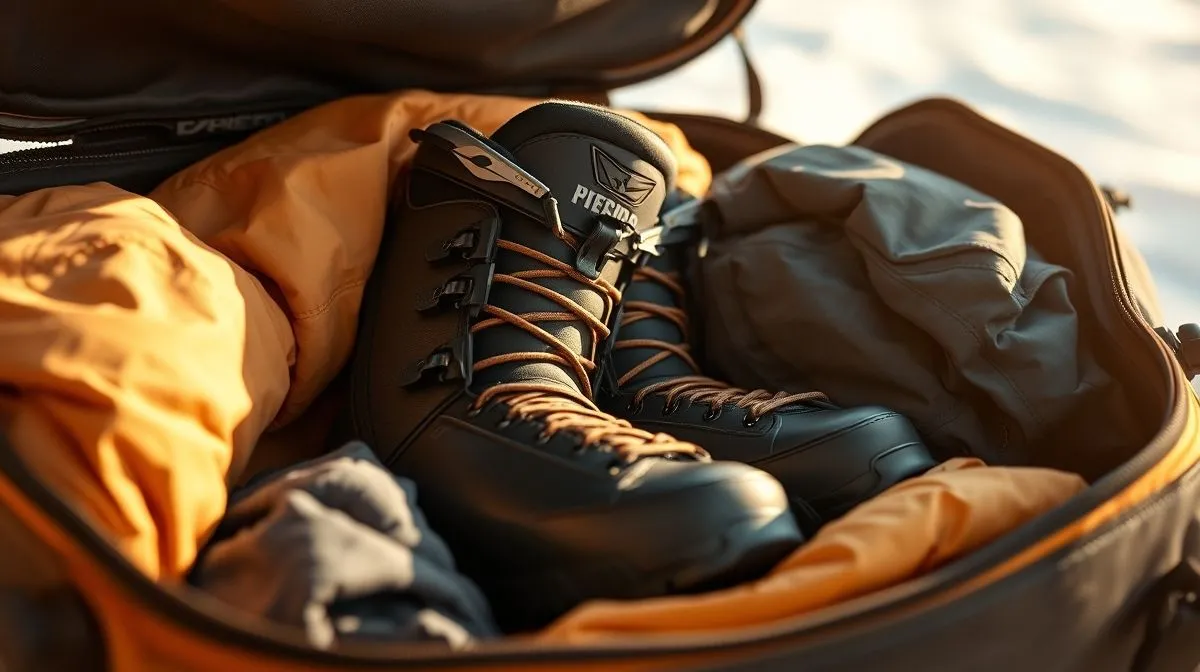
How to Pack Snowboard Boots Efficiently for Travel?
Have you ever stood before an open suitcase, a mountain of gear awaiting its fate, and felt a pang of dread specifically reserved for your snowboard boots? That feeling of frustration, knowing these bulky, rigid, yet essential pieces of equipment seem to defy all logic when it comes to compact packing, is a shared experience among winter sports enthusiasts. It’s a common travel conundrum that often leads to oversized bags, extra baggage fees, or worse, damaged gear.
The inherent challenge lies in the unique architecture of snowboard boots: their stiff shells, ample padding, and irregular shape make them notoriously difficult to integrate seamlessly into standard luggage. Beyond just taking up valuable space, improper packing can also lead to scuffs, dents, or even structural damage to your boots, compromising their performance and lifespan. The question isn't just about fitting them in; it's about doing so intelligently and safely.
This comprehensive guide is designed to transform that packing dread into a confident, streamlined process. By the end of this reading, you will master the art of how to pack snowboard boots efficiently for travel, equipped with expert techniques, clever hacks, and crucial insights to ensure your boots arrive at your destination ready for the slopes, without costing you an arm and a leg in baggage fees or sacrificing other essential items.
The Unseen Challenge: Why Snowboard Boots Are So Tricky to Pack
To truly conquer the packing beast, one must first understand its nature. Snowboard boots are not like your average pair of sneakers; they are highly engineered pieces of equipment designed for performance and protection on the mountain. This specialized design is precisely what makes them so challenging to pack.
Size and Shape Anomalies
Unlike soft clothing that can be folded or rolled, snowboard boots possess a rigid, fixed shape that is inherently inefficient for packing. Their bulkiness, combined with their specific contours – wider at the ankle, often with protruding buckles or lacing systems – creates dead space within your luggage. This irregular form factor means they don't conform well to the rectangular confines of suitcases or duffel bags, leading to awkward gaps and wasted volume.
Material Considerations and Rigidity
Modern snowboard boots are constructed from a variety of materials, including stiff plastics, durable synthetic leathers, and dense foam liners. While these materials provide essential support and comfort on the snow, they contribute to the boot's inflexibility. Attempting to force them into a tight space can deform the liner, stress the shell, or even damage the lacing system, especially if they are not allowed to retain their natural shape.
The Weight Factor
Beyond their bulk, snowboard boots also add significant weight to your luggage. A pair of high-performance boots can weigh several pounds, quickly pushing your bag over airline weight limits, leading to unexpected and costly excess baggage fees. This makes efficient packing not just about space, but also about strategic weight distribution and overall luggage management.
Pre-Packing Rituals: Preparing Your Boots for the Journey
Before you even think about placing your boots in a bag, a few preparatory steps can make a world of difference in terms of hygiene, compactness, and longevity. These rituals are often overlooked but are fundamental to efficient and safe travel with your snowboard gear.
Cleaning and Drying: A Crucial First Step
Never pack wet or dirty boots. Moisture trapped within the boot's liner or shell can lead to mildew, unpleasant odors, and even material degradation over time. After your last ride, ensure your boots are thoroughly cleaned and completely dry. Remove the liners, if possible, and allow both the shell and liner to air out in a well-ventilated area for at least 24-48 hours. Consider using a boot dryer for quicker and more effective drying. This step is non-negotiable for maintaining boot hygiene and preventing damage.
Odor Control and Freshness
Even dry boots can carry lingering odors. To combat this, consider placing odor absorbers inside your boots. Options include cedar balls, activated charcoal packets, or even simple dryer sheets. Baking soda in a sachet can also work wonders. This proactive measure ensures your luggage remains fresh and your boots don't become a source of unwelcome smells upon arrival.
Lacing and Strapping Techniques for Compactness
Before packing, ensure all laces, straps, and buckles are neatly secured and tightened. This not only makes the boots more compact but also prevents loose components from snagging on other items or getting damaged. For traditional laces, tie them securely. For Boa systems, twist them fully. For speed laces, ensure they are tucked away. This simple act reduces their overall footprint and prevents them from becoming an awkward tangle.
Mastering the Art of Space-Saving: Packing Techniques
Now that your boots are prepped, it's time to delve into the core strategies for packing snowboard boots efficiently for travel. The goal is to minimize their footprint and maximize the utility of every cubic inch of your luggage.
The "Stuffing" Method: Utilizing Internal Cavities
One of the most effective ways to save space is to utilize the internal void of your snowboard boots. The hollow space within each boot is prime real estate for small, soft, and flexible items that would otherwise take up space elsewhere in your bag. Think of your boots as miniature, rigid containers.
- Socks: Roll up pairs of socks and stuff them firmly into the toe box and ankle area.
- Underwear: Similar to socks, underwear can be rolled and packed into any available crevices.
- Gloves/Mittens: Soft, compressible gloves or mittens can fill the main cavity of the boot.
- Goggles: Carefully place goggles (in their protective case) into the boot, ensuring they are well-cushioned by other soft items.
- Small Electronics: Chargers, cables, or small power banks can be tucked in, again, ensuring they are cushioned to prevent damage.
- Toiletries: Small, leak-proof toiletry bags can fit surprisingly well.
By stuffing your boots, you not only save space in your main bag but also provide internal support to the boots, helping them maintain their shape during transit.
The "Nesting" Method: Boots Within Boots
While not always feasible for all boot sizes or models, the nesting method involves placing one boot inside the other. This typically works best if one boot is slightly smaller or if the liner of one can be removed to allow the shell of the other to fit inside. If possible, this can drastically reduce the overall volume occupied by the pair. However, be cautious not to force them, as this could damage the boots.
Strategic Placement in Luggage
Where you place your boots within your luggage is as important as how you pack them. The goal is to distribute weight evenly and fill awkward spaces.
- Bottom of the Bag: For checked luggage, place boots at the bottom, near the wheels, for stability and weight distribution.
- Sides or Ends: Their rigid structure makes them excellent candidates for forming a 'frame' around the edges of your suitcase, against which softer items can be packed.
- Core Filler: If using a large duffel or gear bag, place the boots strategically in the center, then pack softer clothing around them to fill gaps and provide cushioning.
Visualizing your bag as a puzzle, where the boots are the largest, most inflexible pieces, helps you build around them efficiently.
Protecting Your Investment: Safeguarding Boots During Transit
Efficient packing isn't just about saving space; it's also about protecting your valuable gear. Snowboard boots, despite their robust construction, are susceptible to scuffs, scratches, and even structural damage during the rigors of travel.
The Role of Boot Bags and Specialized Luggage
Investing in a dedicated snowboard boot bag is highly recommended, especially for checked luggage. These bags are designed to snugly fit your boots, often featuring padded compartments, ventilation, and sometimes even a separate pocket for a helmet. They provide a crucial layer of protection against impacts and abrasion. Many snowboard-specific travel bags also feature integrated boot compartments, allowing you to consolidate your gear.
Cushioning and Padding Strategies
If you're not using a specialized boot bag, you'll need to create your own cushioning system within your main luggage. Your clothes are your best allies here. Wrap each boot individually in soft items like sweaters, hoodies, or thick base layers. This not only provides padding but also further compresses your clothing, saving space. For added protection, especially around buckles or prominent features, consider using small pieces of bubble wrap or foam padding.
Preventing Scuffs and Dents
To prevent cosmetic damage, consider placing each boot in a thin, soft cloth bag (like a shoe bag or even an old pillowcase) before wrapping it in clothing. This adds an extra layer against scuffs. Ensure no hard edges or sharp objects in your luggage are in direct contact with your boots. If packing multiple pairs of boots or other rigid items, use clothing or soft gear as a buffer between them.
Carry-On vs. Checked Luggage: Making the Right Choice
The decision to carry on your snowboard boots or check them can significantly impact your travel experience. Each option has its own set of advantages and limitations.
Carry-On Advantages and Limitations
Bringing your snowboard boots as a carry-on ensures they arrive with you, eliminating the risk of lost or delayed luggage, a common fear for travelers with specialized gear. It also allows you to start your trip immediately upon arrival. However, the primary limitation is size. Most airline carry-on size restrictions (typically around 22 x 14 x 9 inches) make it challenging to fit a pair of adult snowboard boots, especially if you also want to pack other essentials. While some smaller boots might fit, it’s often a tight squeeze, leaving little room for anything else. Always check your airline's specific carry-on dimensions. For detailed information on what's allowed, you can consult the TSA's official website regarding carry-on items.
Checked Luggage Considerations
For most snowboarders, checking their boots (either in a dedicated boot bag or within their main luggage) is the more practical option. This frees up valuable carry-on space for more delicate or essential items like electronics, valuable clothing, or medical supplies. However, checked luggage comes with its own set of considerations:
- Weight Limits: Be acutely aware of airline weight limits (typically 50 lbs or 23 kg for economy class). Snowboard boots are heavy, and combined with other gear, can quickly lead to overweight baggage fees.
- Risk of Loss/Delay: While rare, checked bags can be lost or delayed. Consider packing a small emergency kit in your carry-on with essentials just in case.
- Protection: Checked bags are handled roughly. Ensure your boots are exceptionally well-protected with padding and a durable bag to withstand impacts.
Many experienced snowboard travelers opt for a large, wheeled gear bag that can accommodate both their snowboard boots and other clothing, maximizing the checked baggage allowance efficiently.
Advanced Packing Hacks for the Savvy Snowboarder
For those looking to push the boundaries of packing efficiency, these advanced tips can help you squeeze every last bit of space out of your luggage and streamline your travel experience.
Vacuum Compression Bags (for clothes, not boots directly)
While not suitable for the rigid structure of snowboard boots themselves, vacuum compression bags are incredibly effective for reducing the volume of your soft clothing. By compressing your apparel, you create more space within your luggage, which can then be used to more comfortably accommodate your boots and other bulky gear. This indirect method is a game-changer for overall luggage capacity.
Integrated Gear Bags
Many outdoor sports brands offer specialized bags designed to carry a full set of snowboard gear, including boots, boards, and apparel, all in one consolidated unit. These bags are often wheeled, making airport navigation much easier. They feature dedicated, padded compartments for boots, ensuring maximum protection and organized packing. While an investment, they can simplify the entire travel process for frequent snowboarders.
Utilizing Dead Space in Hard Cases
If you're traveling with a hard-shell snowboard case, don't just put your board in it. The contours of the board often leave significant dead space. This space can be strategically filled with your snowboard boots, helmet, outerwear, and other soft gear. Not only does this utilize otherwise wasted space, but the hard case also provides superior protection for all items inside. Always ensure items are padded to prevent rattling or damage to the board.
Common Packing Mistakes to Avoid
Even with the best intentions, certain packing missteps can undermine your efforts and lead to frustration or damaged gear. Being aware of these common errors can help you avoid them.
Packing Wet Boots
As mentioned, this is a cardinal sin. Wet boots foster mold, mildew, and foul odors that can permeate your entire bag. Always ensure your boots are bone dry before packing them away for travel.
Overstuffing Bags
While the goal is to maximize space, overstuffing your luggage can lead to torn zippers, damaged bags, and difficulty with airport security checks. It also puts undue stress on your boots if they are squeezed too tightly, potentially deforming their liners or shells. Aim for a packed bag that is firm but not bulging.
Neglecting Protection
Assuming your boots are tough enough to withstand rough handling without proper padding is a mistake. Scuffs, scratches, and dings can happen easily, especially in checked luggage. Always use clothing, dedicated boot bags, or other cushioning materials to safeguard your investment.
Forgetting Essential Accessories
In your focus on the boots themselves, don't forget small but crucial accessories like extra laces, a small boot tool, or specialized insoles. These can be easily tucked into the stuffed boots or small pockets of your luggage.
Frequently Asked Questions (FAQ)
Can I carry on my snowboard boots? It depends on their size and your airline's carry-on restrictions. While some smaller boots might fit, most adult snowboard boots are too bulky to comfortably fit into standard carry-on dimensions alongside other essentials. It's always best to check with your specific airline and consider measuring your boots.
Should I stuff my boots with clothes? Absolutely, yes! Stuffing your snowboard boots with soft items like socks, underwear, or small t-shirts is one of the most effective ways to utilize their internal volume, save space in your luggage, and help your boots maintain their shape during transit.
How do I prevent my boots from smelling in my luggage? The key is to ensure your boots are completely dry before packing. Additionally, place odor absorbers like cedar balls, activated charcoal packets, dryer sheets, or sachets of baking soda inside each boot to keep them fresh.
What's the best type of bag for traveling with snowboard boots? A dedicated snowboard boot bag offers excellent protection and organization. Alternatively, a large, wheeled snowboard gear bag that has integrated boot compartments is ideal for consolidating all your equipment. For general luggage, a sturdy duffel bag or large suitcase allows for flexible packing.
Recommended Reading
- Villa Concierge: Which Services Are Actually Worth Paying For?
- Modern Marvels: Your Guide to the Best Architecture City Breaks Europe
- Universal Design Hotels: Booking Tips for Wheelchair Users
- All Aboard! The Best Railway Museums for Kids in the UK Revealed
- Best Time for Caribbean Ocean Cruises? Unveiling the Perfect Season
Conclusion
Traveling with snowboard boots doesn't have to be a logistical nightmare. By adopting a systematic approach to how to pack snowboard boots efficiently for travel, you can transform the daunting task into a streamlined process. From meticulous pre-packing rituals like thorough drying and lacing to strategic space-saving techniques like stuffing and smart luggage placement, every step plays a vital role. Remember to prioritize protection for your valuable gear and always consider the implications of carry-on versus checked luggage. With these insights and practical tips, you are now equipped to conquer your next winter adventure with ease, ensuring your boots arrive safely, compactly, and ready for the slopes, allowing you to focus on the thrill of the ride rather than the stress of the journey.




Your email address will not be published. Required fields are marked *