

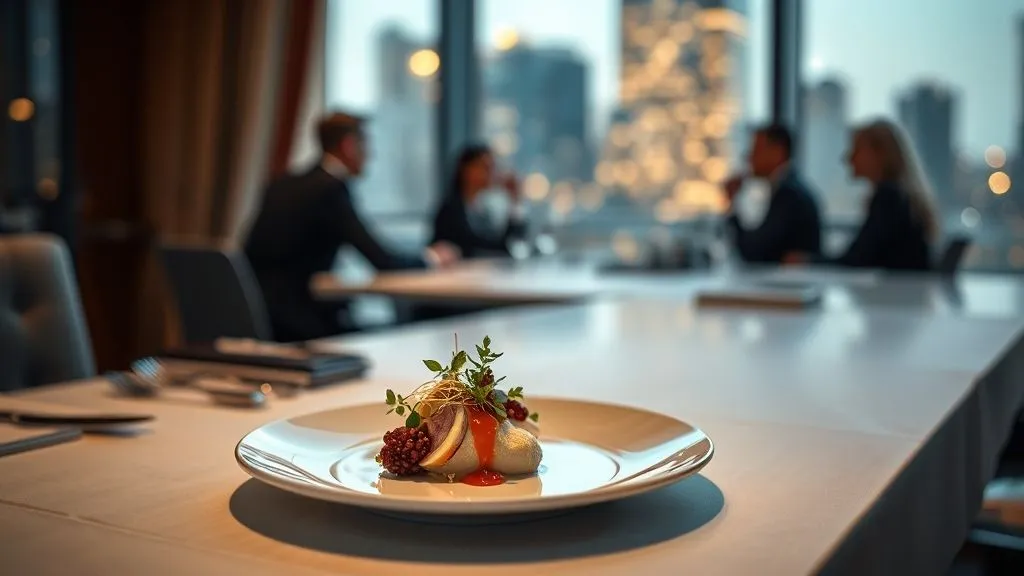
How to pick unique city gastronomy for key client impact?
For over two decades in the high-stakes world of client relations and bespoke travel, I've witnessed countless attempts to impress key clients. Many assume that booking the most expensive restaurant or a well-known Michelin-starred establishment is the golden ticket. While often good, it frequently falls short of creating a truly memorable, impactful experience that resonates long after the dessert is cleared. The real magic, I've learned, lies not just in the food itself, but in the story it tells and the genuine connection it fosters.
The common pain point I observe is a reliance on generic, predictable dining choices. This approach often fails to differentiate your client engagement, making it just another business dinner rather than a standout moment. Clients today expect more than just fine food; they seek authenticity, an experience that reflects thoughtfulness, and a deeper understanding of their tastes and interests. Without a strategic approach, even significant investments in dining can yield minimal long-term impact on client relationships.
This comprehensive guide is designed to transform your approach. I will walk you through a proven framework, sharing actionable strategies, expert insights, and real-world examples on how to pick unique city gastronomy for key client impact. You'll discover how to move beyond the obvious, curate truly unforgettable culinary experiences, and leverage gastronomy as a powerful tool for building stronger, more impactful client relationships.
Beyond the Michelin Star: Understanding Your Client's Palate & Purpose
The first critical step in curating a truly impactful gastronomic experience is to deeply understand your client. In my experience, this goes far beyond simply asking about dietary restrictions. It's about delving into their preferences, cultural background, previous travel experiences, and even their company's values. A generic, high-end meal might satisfy, but a highly personalized one, tailored to their unspoken desires, creates genuine delight.
The Strategic Client Profile: More Than Just Dietary Needs
Before even thinking about restaurants, develop a comprehensive client profile. This should be a living document, evolving with each interaction. Consider their past dining experiences – have they been to that famous steakhouse before? What are their hobbies? Do they appreciate art, history, or innovation? Understanding these nuances allows you to select an experience that feels uniquely chosen for them, not just for 'a client'.
- Cultural Nuances: Research their home country's culinary traditions. Are there specific flavors they appreciate or avoid?
- Previous Experiences: What have they enjoyed (or disliked) in the past? Avoid repetition.
- Personal Interests: Do they love wine, craft beer, specific cuisines, or even cooking?
- Company Values: Does their company emphasize sustainability, local sourcing, or innovation? Align your choice with these values.
- Meeting Objective: Is this a relaxed relationship-building dinner, a celebratory event, or a focused discussion? The dining style should match the purpose.
Personalization is the cornerstone of true client impact. A meal that feels tailored speaks volumes about your attentiveness and respect for their individuality. It’s an investment in the relationship, not just the evening.

Unearthing Local Gems: The Art of Authentic Gastronomy Discovery
Once you understand your client, the real hunt begins: finding those unique, authentic culinary experiences that truly define a city's gastronomic soul. This means looking beyond the obvious tourist traps and even many well-regarded but predictable establishments. My philosophy is to seek out places that tell a story, whether through their ingredients, their history, or their innovative approach to local traditions.
This isn't about finding the 'cheapest' or 'most obscure' place, but rather the one that offers a genuine, high-quality experience that is distinctly 'of this city' and aligns with your client's profile. Think about places that champion local produce, revive traditional recipes with a modern twist, or offer an immersive cultural experience alongside the meal. This approach ensures your client leaves with a sense of discovery, not just a full stomach.
- Tap into Local Expertise: Engage with reputable local food bloggers, chefs, concierges at high-end boutique hotels, or even trusted local business contacts. They often know the hidden gems that haven't made it into mainstream guides.
- Explore Culinary Neighborhoods: Many cities have specific districts known for their food scene – be it a vibrant market, a street food haven, or a cluster of innovative independent restaurants. Wander and observe.
- Read Niche Reviews & Forums: Look beyond Yelp and TripAdvisor. Seek out specialized food publications, gastronomic societies, and expat forums for more authentic, less tourist-influenced recommendations.
- Consider Pop-ups & Seasonal Events: These can offer incredibly unique, time-sensitive experiences. A pop-up chef collaboration or a seasonal festival menu can be truly unforgettable.
- Visit in Advance (if possible): If you have the opportunity, conduct a reconnaissance visit. Taste the food, assess the ambiance, and meet the staff. This due diligence is invaluable.
Case Study: How 'Global Connect' Elevated Client Trust
Global Connect, an international consulting firm, faced a challenge: their clients, predominantly from Asia, had experienced countless generic dinners in major European cities. They needed a fresh approach to build deeper trust and connection. Instead of booking another fine dining restaurant, I advised them to explore a more immersive, localized experience. For a key client visiting Barcelona, we arranged a private, guided tour of La Boqueria market, followed by a bespoke cooking class at a local culinary school focusing on traditional Catalan dishes using ingredients sourced directly from the market. The client not only enjoyed an exceptional meal they helped prepare but also gained a deeper understanding of Catalan culture and cuisine. This resulted in a significant expansion of their contract and a glowing testimonial about the 'unparalleled personal touch'. This demonstrates the power of truly unique city gastronomy for key client impact.
According to a study by Harvard Business Review on client engagement, experiences that involve co-creation or active participation lead to significantly higher levels of satisfaction and loyalty. This reinforces the value of immersive dining over passive consumption.
Crafting the Narrative: From Menu Selection to Storytelling
Food is inherently a storytelling medium. Every dish has a history, an origin, and a creator. When you select unique city gastronomy for key client impact, you're not just choosing a meal; you're curating a narrative. This narrative adds layers of meaning and allows for engaging conversation, transforming a simple dinner into a cultural exploration.
The goal is to select dishes that are not only delicious but also offer a glimpse into the city's culinary identity. This could be a dish with centuries of history, a modern interpretation of a classic, or an innovative creation using hyper-local ingredients. The key is to be able to articulate *why* this particular dish or restaurant is special, fostering a sense of discovery and appreciation in your client.
Designing a Menu with Meaning
When working with a restaurant, don't just pick items off a standard menu. Collaborate with the chef to craft a bespoke experience. This might involve a tasting menu focused on regional specialties, a progression of dishes that tell a story, or even a 'chef's table' experience where the chef explains each course. The menu itself becomes a talking point, an extension of your thoughtful planning.
- Highlight Local Ingredients: Emphasize dishes made with produce, meats, or seafood sourced from the surrounding region.
- Showcase Culinary Heritage: Include a traditional dish with a rich history, perhaps one that's been passed down through generations.
- Embrace Innovation: If appropriate for your client, feature a dish that represents the cutting edge of the city's food scene, perhaps a fusion of cultures or a modern technique.
- Consider Wine/Beverage Pairings: Local wines, craft beers, or even artisanal non-alcoholic beverages can further enhance the regional narrative.
As marketing guru Seth Godin often says, "People do not buy goods and services. They buy relations, stories and magic." This applies perfectly to client gastronomy. The story behind the food is often as impactful as the taste itself.
| Menu Element | Generic Approach | Unique Approach |
|---|---|---|
| Appetizer | Caesar Salad | Seared Scallops with Local Asparagus & Truffle Oil (seasonal) |
| Main Course | Grilled Salmon with Rice | Slow-Cooked Lamb Shank with Regional Herbs & Polenta (heritage recipe) |
| Dessert | Chocolate Lava Cake | Artisanal Cheese Board with Local Honey & Fig Jam |
Every dish is an opportunity to tell a story. When you thoughtfully curate that story, you elevate a meal into a memorable cultural exchange.
The Experiential Edge: Immersive Dining & Beyond
In today's experience economy, simply eating a meal, no matter how exquisite, often isn't enough to create truly lasting client impact. The most memorable gastronomic encounters are those that engage multiple senses and offer an element of immersion or participation. This experiential edge is where you can truly differentiate your client engagement and foster deeper connections.
Think about how you can turn dining into an event. This doesn't necessarily mean elaborate theatrics, but rather thoughtful touches that encourage engagement and interaction. It's about creating an atmosphere where the client feels not just well-fed, but genuinely entertained, enlightened, and valued.
Interactive Elements: Cooking Classes & Chef's Tables
Consider experiences that go beyond sitting at a table. A private cooking class, where clients learn to prepare a local dish, offers hands-on engagement and a unique souvenir: a new skill. A chef's table, where guests dine in the kitchen or have direct interaction with the chef, provides an intimate behind-the-scenes look at culinary artistry. These activities break down barriers and create shared memories.
- Private Dining & Sommelier Experiences: Book a private room and arrange for a sommelier to guide your clients through a local wine or spirit tasting, explaining the nuances and history.
- Market-to-Table Journeys: As in the case study, begin the experience with a visit to a local market to select ingredients, followed by a meal prepared with those very items.
- Themed Culinary Walks: For a more active client, a guided food tour of a specific neighborhood, sampling different specialties, can be incredibly engaging.
- Exclusive Access: Arrange a visit to a local vineyard, brewery, or artisanal producer before dinner, offering a glimpse into the production process.
- Art & Food Pairings: Some restaurants integrate local art or live music. Consider how these elements can enhance the overall sensory experience.
According to a report by Deloitte on customer experience trends, customers are increasingly prioritizing experiences over products, emphasizing the need for businesses to create memorable, personalized interactions. This extends directly to client hospitality.
Logistics & Flawless Execution: The Unsung Heroes of Impact
Even the most brilliantly conceived gastronomic experience can falter without meticulous planning and flawless execution. As an expert in orchestrating high-level client engagements, I can attest that the 'invisible' work – the logistics, the coordination, the contingency planning – is often what truly defines success. A seamless experience demonstrates professionalism, respect for your client's time, and attention to detail.
Think of yourself as a conductor, ensuring every element of the evening plays in harmony. This means anticipating potential issues, communicating clearly with all parties involved, and having backup plans. The client should never see the effort behind the scenes; they should only feel the effortless enjoyment of the experience.
Pre-Visit Reconnaissance & Contingency Planning
Never leave anything to chance. A pre-visit to the chosen venue is non-negotiable. Confirm table location, lighting, noise levels, and accessibility. Discuss the menu, dietary requirements, and any special requests directly with the restaurant manager or chef. Have a clear point of contact for the evening. Always have a backup plan for transportation, unexpected closures, or last-minute changes.
- Confirm Reservations & Special Requests: Double-check everything, including dietary needs, preferred seating, and any pre-ordered items.
- Transportation: Arrange reliable, comfortable transport to and from the venue, considering your client's preferences and schedule.
- Timing & Flow: Plan the evening's schedule carefully, allowing ample time for travel, dining, and conversation without feeling rushed.
- Payment & Gratuity: Pre-arrange payment details to avoid any awkwardness at the table. Understand local tipping customs.
- Emergency Contacts: Have contact numbers for the restaurant, your transport, and any other relevant parties readily available.

Measuring Success: Beyond the Handshake
After investing time, effort, and resources into curating a unique gastronomic experience, it's crucial to understand its impact. Measuring success goes beyond a simple 'thank you' at the end of the evening. It involves both qualitative and quantitative assessments that inform future client engagements and strengthen long-term relationships.
While direct feedback is valuable, observing subtle cues during and after the event can be equally insightful. Did the conversation flow easily? Did the client seem genuinely engaged and relaxed? Did they mention the experience in subsequent communications? These indicators provide a holistic view of the impact made.
Post-Event Follow-up and Feedback Loops
A thoughtful follow-up is essential. A personalized email or call expressing gratitude and referencing a specific enjoyable moment from the dinner reinforces the positive experience. This is also an opportunity to subtly gauge their feedback. For long-term relationships, consider incorporating questions about past experiences into broader client satisfaction surveys, ensuring anonymity to encourage candid responses.
| Metric Category | Indicators |
|---|---|
| Qualitative Feedback | Client remarks (verbal/email), sustained positive mood, relaxed demeanor, active engagement in conversation, references to the experience in later interactions |
| Quantitative Impact | Increased meeting follow-ups, positive shift in relationship status (CRM), potential for new business/upselling, improved client retention rates (long-term) |
As Forbes often highlights, strong client relationships are the bedrock of sustainable business growth. Unique client experiences contribute significantly to this foundation.
Avoiding Common Pitfalls: What Not to Do
Even with the best intentions, pitfalls can emerge. In my many years, I've seen promising client engagements stumble due to easily avoidable mistakes. Being aware of these common errors is just as important as knowing the best practices. It's about safeguarding your investment and ensuring your thoughtful efforts aren't undermined by oversights.
The goal is to create an experience that feels effortless and authentic, not forced or overwhelming. Steer clear of anything that might make the client uncomfortable, rushed, or feel like just another item on your agenda. Authenticity and genuine care should always be at the forefront.
- Over-scheduling the Evening: Don't pack too many activities into one night. Allow for natural conversation and relaxation. A rushed client is not an impressed client.
- Ignoring Dietary Restrictions (or Allergies): This is non-negotiable. Confirm and re-confirm all requirements with the restaurant. A mistake here can be more than just an inconvenience; it can be dangerous.
- Choosing Generic or Predictable Venues: As discussed, avoid the obvious. If it's a chain restaurant or a place they've likely been to countless times, you're missing an opportunity for impact.
- Focusing Solely on Cost: While budget is a factor, prioritizing the cheapest option over a truly unique and impactful experience is a false economy. Value trumps price in client relations.
- Lack of Pre-visit & Communication: Sending a client to an unfamiliar restaurant without proper arrangements or understanding the venue yourself is a recipe for disaster.
- Not Considering the Client's Comfort Level: Don't push adventurous food choices if you know your client prefers more conservative options. Tailor, don't dictate.

Frequently Asked Questions (FAQ)
How do I handle diverse dietary restrictions without compromising uniqueness? This is a common challenge, especially with larger groups. The key is proactive communication with the restaurant and chef. Instead of seeing restrictions as limitations, view them as creative parameters. Many unique restaurants are adept at crafting bespoke dishes or modifying existing ones to accommodate various needs, often resulting in something even more special. Always confirm these arrangements well in advance and communicate them clearly to your client upon arrival. A pre-set menu with specific, delicious alternatives for dietary needs is often the best approach, ensuring everyone feels equally catered to without singling anyone out.
What if my client isn't adventurous with food? How can I still offer a unique experience? Not all uniqueness comes from exotic ingredients or avant-garde techniques. For a less adventurous client, focus on unique aspects of the dining experience itself. This could be a restaurant with an incredible view, a historical setting, exceptional personalized service, a chef known for perfecting classic dishes, or an establishment with a compelling local story. The 'unique' aspect can shift from the plate to the ambiance, the service, or the narrative. The goal remains personalization and thoughtfulness, even if the food choices are more conservative.
How much budget should I allocate for unique gastronomy? Budget allocation varies significantly based on your industry, client value, and city. However, rather than focusing on a fixed number, consider the 'Return on Experience' (ROE). A moderately priced, highly personalized and authentic experience can yield far greater impact than a very expensive, generic one. Prioritize quality, authenticity, and personalization over sheer cost. For a key client, view it as a strategic investment in the relationship, often justifying a higher spend than a standard business lunch. Research typical high-end dining costs in your target city and budget for a premium, experiential offering.
Can I integrate local culture beyond just food into the gastronomic experience? Absolutely, and I highly recommend it! Gastronomy is often intertwined with local culture, art, and history. Consider booking a restaurant located in a historic building, one that features local artists' work, or a venue with live traditional music (if appropriate for the client). A pre-dinner visit to a local gallery, a short historical walking tour, or even a discussion with a local artisan can enrich the experience significantly, providing additional layers of cultural immersion that resonate deeply with clients seeking authentic connection.
How far in advance should I plan for a key client gastronomic experience? For truly unique and high-impact experiences, I advise planning at least 4-6 weeks in advance, and sometimes even longer for highly sought-after venues or bespoke chef collaborations, especially in peak seasons. This lead time allows for thorough research, securing preferred reservations, coordinating with the restaurant on special requests, and arranging any additional experiential elements (e.g., market tours, private tastings). Last-minute planning often forces you into generic choices and compromises on the quality of the experience.
Recommended Reading
- Unlock City Secrets: Best Urban Exploration Apps for City Breaks
- 5 Proven Strategies: Stop Wasting Budget on Film Festival Trips
- Cruise Meetings: 5 Amenities for Secure, Productive Executive Sessions
- 7 Proven Ways to Sidestep Critical Delays on Independent Cruise Tours
- How to Balance Cultural Authenticity & Festival Commercial Viability?
Main Points and Final Considerations
In the competitive landscape of client relations, merely satisfying expectations is no longer enough. To truly make a lasting impact, you must strive for experiences that are not only memorable but also deeply personal and reflective of genuine thoughtfulness. Gastronomy, when wielded strategically, becomes a powerful tool for connection, cultural exchange, and relationship building.
- Client-Centricity is Paramount: Always start with a deep understanding of your client's preferences, background, and the purpose of the engagement.
- Seek Authenticity Over Obviousness: Go beyond the tourist traps and celebrity chefs to discover local gems that tell a story.
- Craft a Narrative: Let the food, the venue, and the experience tell a compelling story about the city and your appreciation for your client.
- Embrace the Experiential: Look for opportunities to engage your client beyond just eating, fostering participation and shared memories.
- Master the Logistics: Flawless execution behind the scenes ensures an effortless and enjoyable experience for your client.
- Measure Impact Strategically: Understand that success is measured not just in immediate feedback but in strengthened relationships and future opportunities.
- Learn from Pitfalls: Be aware of common mistakes to avoid undermining your carefully planned efforts.
By adopting this expert-driven approach to how to pick unique city gastronomy for key client impact, you're not just arranging a meal; you're curating an unforgettable journey. You're demonstrating a level of care and insight that transcends typical business interactions, forging bonds that are both professional and profoundly personal. Embrace the adventure, trust your expert instincts, and watch your client relationships flourish.





Your email address will not be published. Required fields are marked *