

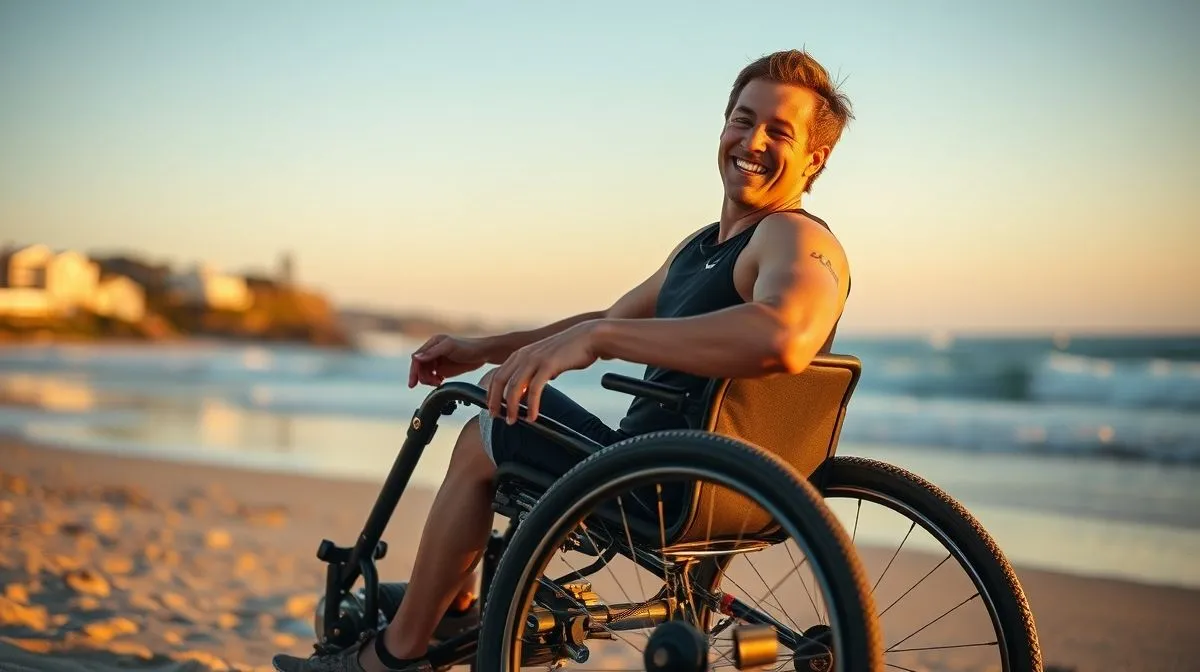
Unlocking Adventure: How to Plan an Accessible Adaptive Sports Vacation
Have you ever dreamt of conquering a mountain trail in an adaptive bike, gliding across a lake in a sit-kayak, or feeling the rush of waves beneath an adaptive surfboard? For many, the desire for adventure is profound, yet the path to achieving it often seems fraught with complexity, especially when accessibility is a key consideration. The vision of an exhilarating adaptive sports vacation might feel like a distant dream, overshadowed by logistical hurdles and uncertainties.
The core 'problem' or 'question' that often arises is not about the desire for adventure itself, but rather the perceived monumental task of organizing such a trip. How do you find truly accessible destinations? What about specialized equipment, transportation, and knowledgeable guides? These questions can quickly transform excitement into apprehension, leaving many to believe that active, inclusive travel is simply too difficult to arrange.
This comprehensive guide is your definitive 'solution'. We will demystify the process, breaking down every essential step from initial inspiration to triumphant return. By the end of this reading, you will possess the knowledge, resources, and confidence to confidently embark on your journey and truly understand how to plan an accessible adaptive sports vacation that is not just possible, but genuinely unforgettable.
Defining Your Accessible Adaptive Sports Dream
What is an Adaptive Sports Vacation?
An adaptive sports vacation is more than just a trip; it's an immersive experience centered around participation in sports and recreational activities tailored for individuals with disabilities. It goes beyond mere accessibility, focusing on active engagement and the joy of overcoming physical challenges in a supportive environment. This could range from adaptive skiing in the Rockies to handcycling along European river paths, or even scuba diving in tropical waters.
The essence lies in empowering individuals to explore their athletic potential and enjoy outdoor pursuits, often with specialized equipment and expert instruction. It's about breaking barriers and fostering a sense of achievement and freedom. These vacations are meticulously planned to ensure all aspects, from accommodation to activity venues, are fully inclusive and safe.
Identifying Your Passion and Abilities
The first step in planning your adaptive sports vacation is to look inward. What activities truly ignite your spirit? Do you dream of the thrill of snow sports, the tranquility of water sports, or the challenge of land-based adventures? Your existing abilities, preferences, and comfort levels with different environments should guide your choices.
Consider consulting with therapists or adaptive sports coaches to assess your physical capabilities and identify sports that align with them. Research various adaptive sports, such as mono-skiing, sit-down volleyball, adaptive surfing, wheelchair basketball, or accessible hiking. This self-assessment forms the foundation of a successful and enjoyable trip, ensuring your chosen activities are both exciting and achievable.
Researching Destinations with Accessibility at Their Core
Key Factors for Accessible Destinations
Choosing the right destination is paramount for an accessible adaptive sports vacation. It's not just about a single accessible hotel; it requires an ecosystem of accessibility. Consider the overall infrastructure: accessible public transportation, paved sidewalks, curb cuts, and accessible attractions beyond your primary sports venue. Look for destinations that have a strong track record of catering to travelers with disabilities.
Furthermore, research the local attitudes towards disability. A welcoming and inclusive community can significantly enhance your experience. Verify the accessibility of airports, train stations, and bus terminals you'll be using. Always double-check information directly with venues and service providers, as 'accessible' can sometimes be interpreted broadly.
Top Regions for Adaptive Sports
Certain regions worldwide have become beacons for adaptive sports due to their natural landscapes and dedicated infrastructure. For instance, the mountainous regions of Colorado (USA) and British Columbia (Canada) are renowned for their adaptive ski programs and accessible trails. Coastal areas like Hawaii (USA) and specific spots in Australia offer excellent adaptive surfing and ocean-based activities.
In Europe, cities like Barcelona and Berlin are celebrated for their urban accessibility, offering opportunities for adaptive cycling and exploring cultural sites. For water sports, destinations in Florida (USA) and parts of the Caribbean provide calm waters and specialized centers for adaptive kayaking, paddleboarding, and even scuba diving. Researching these established hubs can provide a solid starting point for your adventure.
Navigating Accessible Accommodation and Transportation
Finding Truly Accessible Stays
Booking accommodation requires meticulous attention to detail. Don't rely solely on vague 'accessible room' descriptions. Instead, directly contact hotels and ask specific questions: Are there roll-in showers with grab bars? What is the bed height? Is there sufficient maneuvering space for a wheelchair around the bed and bathroom? Are common areas like pools, restaurants, and lobbies accessible?
Many reputable travel agencies specializing in accessible travel can assist with this, leveraging their direct contacts and knowledge of specific room layouts. Websites like AccessibleGO or Wheelchair Accessible Travel Blog offer detailed reviews and photos from other travelers, providing invaluable insights beyond standard booking sites. Prioritize properties that understand and cater to diverse accessibility needs.
Seamless Accessible Travel Logistics
Transportation is often the most complex aspect of an accessible adaptive sports vacation. For air travel, understand your rights under the Air Carrier Access Act in the U.S., and similar regulations internationally. Always inform the airline in advance about your specific needs, including wheelchair dimensions and battery type. Confirm assistance at both departure and arrival airports.
For ground transportation, research accessible taxis, vans, or shuttle services in your destination. Many cities offer paratransit services that can be pre-booked. If driving, ensure rental car companies can provide vehicles with hand controls or space for adaptive equipment. Planning these logistics meticulously minimizes stress and ensures smooth transitions throughout your journey.
Essential Adaptive Equipment and Gear Management
Sourcing and Renting Specialized Equipment
Depending on your chosen sport, you may need highly specialized adaptive equipment. This can include adaptive skis, handcycles, sit-skis, or specialized kayaks. Purchasing all necessary gear for a single trip is often impractical and expensive. Fortunately, many adaptive sports centers and resorts offer rental programs.
Contact the adaptive sports program at your destination well in advance to inquire about equipment availability, sizing, and rental fees. Confirm that the equipment is well-maintained and suitable for your specific needs. In some cases, you might consider renting from a third-party vendor that specializes in adaptive gear and can deliver to your location, offering greater flexibility.
Travel Considerations for Personal Gear
If you plan to bring your own adaptive equipment, such as a personal wheelchair or a custom handcycle, it's crucial to understand airline and ground transportation policies. Airlines have specific rules regarding the size, weight, and battery types of mobility devices. Always communicate these details when booking your flight and again at check-in.
Proper packing and protection for your gear are essential. Consider using hard cases for delicate items. Document the condition of your equipment with photos before and after travel to facilitate any insurance claims if damage occurs. For larger items, inquire about freight shipping services as an alternative to airline baggage, especially for long trips.
Engaging with Adaptive Sports Organizations and Guides
The Value of Local Expertise
Connecting with local adaptive sports organizations and experienced guides is arguably one of the most valuable steps in planning your vacation. These organizations, such as the Challenged Athletes Foundation or local chapters of national adaptive sports bodies, often have deep knowledge of accessible venues, certified instructors, and community events. They can offer insights that no general travel guide can provide.
They can also facilitate connections with local adaptive athletes, providing a network of support and camaraderie. Their expertise can help you navigate local customs, find accessible dining, and discover hidden gems that truly enhance your experience. Don't underestimate the power of their community knowledge.
Ensuring Qualified Instruction and Support
For many adaptive sports, qualified instruction is vital for both safety and enjoyment. Ensure that any instructors or guides you engage are certified in adaptive sports instruction for your chosen activity. Inquire about their experience working with individuals with similar abilities to yours. A good instructor will tailor lessons to your specific needs, providing personalized coaching and support.
If you require personal care assistance, research agencies or individual caregivers at your destination. Verify their credentials and references. Having reliable, professional support can make a profound difference in the comfort and success of your trip, allowing you to focus fully on the adaptive sports experience.
Budgeting and Funding Your Accessible Adventure
Estimating Costs for Specialized Travel
Understanding the financial landscape is a crucial step when considering how to plan an an accessible adaptive sports vacation. Accessible travel can sometimes incur higher costs due to specialized transportation, adaptive equipment rentals, and personal assistance. Create a detailed budget that accounts for flights, accommodation, equipment rental, adaptive instruction fees, accessible ground transportation, personal care services (if needed), food, and contingency funds.
Research average costs for your chosen destination and activities. Be transparent with service providers about your budget to see if they can offer packages or suggest cost-saving alternatives. Early booking can often secure better rates for flights and accommodation, particularly for accessible rooms which are limited.
Exploring Grants and Financial Aid
The good news is that numerous organizations and foundations are dedicated to supporting individuals with disabilities in pursuing adaptive sports and travel. Research grants, scholarships, and financial aid programs offered by national adaptive sports federations, disability advocacy groups, and private foundations. Organizations like the Challenged Athletes Foundation or specific disease-focused charities often have programs to help cover equipment or travel costs.
Some travel agencies specializing in accessible travel may also offer payment plans or package deals. Don't hesitate to explore these avenues, as they can significantly reduce the financial burden and make your dream vacation more attainable. A little research into these resources can unlock opportunities you might not have known existed.
Safety, Health, and Contingency Planning
Medical Preparedness and Travel Insurance
Before any trip, especially an active one, consult your healthcare provider. Discuss your travel plans, any potential risks, and necessary precautions. Ensure you have an adequate supply of all medications, along with copies of prescriptions and a letter from your doctor explaining your medical conditions and needs. Carry a list of emergency contacts and medical information in an easily accessible format.
Comprehensive travel insurance is non-negotiable. Look for policies that specifically cover pre-existing conditions, medical emergencies, emergency evacuation, and trip cancellations due to unforeseen circumstances. Verify that the policy covers adaptive sports activities, as some adventure sports might be excluded. For general travel health advice, refer to resources like CDC's travel health guidelines.
Emergency Protocols and Local Support
Develop an emergency plan for your trip. Know the local emergency numbers (e.g., 911, 112) and the location of the nearest accessible medical facilities. Share your itinerary with trusted family or friends. If traveling internationally, register with your country's embassy or consulate for added security.
Research local disability support organizations or advocacy groups in your destination. These groups can be invaluable resources in an emergency, offering guidance or direct assistance. Having a network of support, even if you never need to use it, provides immense peace of mind and allows you to enjoy your adaptive sports vacation with greater confidence.
The Joy of the Journey: Maximizing Your Experience
Embracing Flexibility and Openness
Even with the most meticulous planning, travel can present unexpected challenges. The key to a truly fulfilling adaptive sports vacation is to embrace flexibility and maintain an open mind. Not everything will go exactly as planned, and that's okay. Sometimes, the most memorable moments arise from navigating unforeseen circumstances or discovering alternatives.
Be prepared to adapt your schedule or activities if needed, and view these shifts as part of the adventure. A positive attitude and a willingness to problem-solve can transform potential frustrations into opportunities for growth and unique experiences. Remember, the goal is not perfection, but profound enjoyment and personal triumph.
Connecting with the Adaptive Sports Community
One of the most enriching aspects of an adaptive sports vacation is the opportunity to connect with fellow athletes and enthusiasts. Seek out local adaptive sports clubs, participate in group activities, or attend events. Sharing experiences, challenges, and successes with others who understand your journey can be incredibly empowering and inspiring.
These connections can lead to lasting friendships, future travel companions, and a deeper sense of belonging within the global adaptive sports community. The shared passion for adventure and the collective spirit of overcoming obstacles create an unparalleled bond, making your vacation not just an activity, but a vibrant social experience.
Frequently Asked Questions (FAQ)
What is the best time of year to plan an accessible adaptive sports vacation? The best time depends entirely on the sport you choose. For snow sports, winter months are ideal, while water sports are best enjoyed in warmer seasons. Always research the specific destination's weather patterns and peak seasons for adaptive sports activities.
Can I travel solo for an adaptive sports vacation, or do I need a companion? Many individuals travel solo for adaptive sports vacations, especially with the right planning and support services in place. However, having a travel companion or pre-arranged personal care assistance can greatly enhance comfort and safety, particularly for first-time travelers or those with complex needs.
Are there travel agencies that specialize in accessible adaptive sports vacations? Yes, several travel agencies specialize in accessible travel and some even focus specifically on adaptive sports. These agencies have expertise in finding accessible accommodations, transportation, and connecting travelers with reputable adaptive sports programs. A well-known resource is Wheelchair Travel, which offers extensive guides and insights for accessible journeys.
How far in advance should I book an adaptive sports vacation? It's highly recommended to book an adaptive sports vacation as far in advance as possible, ideally 6-12 months out. Accessible accommodations and specialized adaptive equipment or instructors are often limited, and early booking ensures availability and potentially better rates.
Recommended Reading
- Villa Concierge: Which Services Are Actually Worth Paying For?
- The Ultimate Guide: How to Choose Ethical Nature Reserve Eco Tours Responsibly
- Modern Marvels: Your Guide to the Best Architecture City Breaks Europe
- Uncover the Best Cooking Classes Abroad for Foodies
- Unlock the Secrets: Your Ultimate Guide to Sustainable Volunteer Trips
Conclusion
The journey to mastering how to plan an accessible adaptive sports vacation transforms a dream into a tangible reality. We've explored every critical aspect, from defining your passion and meticulously researching accessible destinations to navigating complex logistics like transportation and equipment. We've highlighted the invaluable role of adaptive sports organizations, the importance of prudent budgeting, and the necessity of robust safety planning. Each step, though seemingly intricate, is a building block towards an empowering and exhilarating experience.
Remember, the world of adaptive sports is vast and welcoming, offering unparalleled opportunities for adventure and personal growth. With the insights and practical strategies provided in this guide, you are now equipped to confidently pursue your next great adventure. Don't let perceived barriers deter you; instead, let this knowledge be your compass. Embrace the planning, savor the journey, and revel in the boundless joy of an accessible adaptive sports vacation tailored uniquely for you.




Your email address will not be published. Required fields are marked *