


How to Prove Eco-Tourism's Actual Positive Local Community Impact?
For over 18 years in the eco-tourism space, I've witnessed a persistent and critical challenge: the struggle to move beyond good intentions and anecdotal evidence to genuinely prove the positive local community impact of eco-tourism initiatives. Many organizations, despite their best efforts, falter when asked to present concrete, measurable data that demonstrates their value to local populations.
This isn't just an academic exercise; it's a fundamental credibility issue. Without verifiable proof, eco-tourism projects risk being perceived as greenwashing, failing to attract vital funding, or struggling to gain the trust and sustained participation of the very communities they aim to serve. The skepticism from donors, governments, and even local residents is understandable when tangible evidence is scarce.
In this definitive guide, I will share the frameworks, metrics, and actionable strategies I've developed and refined over nearly two decades. You'll learn how to establish robust measurement systems, collect meaningful data, and present compelling evidence that unequivocally answers the question: How to prove eco-tourism's actual positive local community impact? We'll move beyond assumptions to demonstrate real, lasting change.
The Core Challenge: Moving Beyond Anecdotes to Actionable Data
The inherent goodness of eco-tourism, with its focus on sustainability and local benefit, often leads to a reliance on qualitative stories. While powerful, these narratives alone are insufficient in a world that demands accountability and measurable returns. The core challenge lies in translating the complex, multifaceted interactions between tourism, environment, and community into quantifiable insights.
I've seen countless promising projects stumble not because of a lack of dedication, but a lack of a systematic approach to impact measurement. This often results in a disconnect between the reported "benefits" and the actual, verifiable changes experienced by the local community. It's not enough to say jobs were created; we need to know what kind of jobs, for whom, at what wages, and with what long-term security.
"In the realm of sustainable development, what gets measured gets managed, and what gets managed can truly transform communities."
Why Data-Driven Proof Matters More Than Ever
The imperative for robust data in eco-tourism impact assessment has never been stronger. Stakeholders across the board are demanding greater transparency and accountability. Here's why:
- Enhanced Credibility: Verifiable data builds trust with donors, investors, government bodies, and prospective tourists, differentiating genuine eco-tourism from superficial claims.
- Improved Decision-Making: Data provides insights into what's working and what's not, allowing for adaptive management and more effective resource allocation.
- Attracting Funding: Grantmakers and impact investors increasingly require clear metrics and proven impact before committing capital.
- Community Empowerment: When communities see tangible benefits, their engagement and ownership of eco-tourism initiatives deepen, leading to more sustainable outcomes.
- Replication and Scaling: Documented success allows for the replication of effective models in other regions and the scaling of positive impacts.
Framework 1: Economic Impact Assessment – Beyond Direct Spend
Measuring economic impact is often the first step, but it must go beyond simply counting tourist dollars. A comprehensive economic assessment delves into direct, indirect, and induced benefits, painting a clearer picture of wealth distribution and local economic resilience. This framework is crucial for anyone asking How to prove eco-tourism's actual positive local community impact? from a financial perspective.
Direct, Indirect, and Induced Economic Benefits
To truly understand economic impact, we must look at the ripple effect throughout the local economy:
- Direct Impact: This includes immediate spending by tourists on accommodation, food, tours, and local crafts, as well as wages paid directly to community members employed in eco-tourism businesses.
- Indirect Impact: This refers to the secondary economic activity generated by direct spending. For example, a local lodge buys food from local farmers, linens from local weavers, and services from local mechanics. These suppliers, in turn, spend money within the community.
- Induced Impact: This is the further economic activity resulting from the wages earned by those directly and indirectly employed in eco-tourism. When a lodge employee or a local farmer spends their income on housing, education, or other local goods and services, it stimulates other sectors.
To accurately track these, establish baseline economic indicators before your project begins. Monitor employment rates (full-time, part-time, seasonal), average wages compared to local standards, local procurement percentages, and the growth of micro-enterprises linked to tourism. Utilize surveys, local business records, and economic models to gather this data. For a deeper dive into methodologies, refer to resources from organizations like the UN World Tourism Organization (UNWTO), which provides guidelines on tourism satellite accounts.
| Metric | Baseline | Year 1 | Year 3 |
|---|---|---|---|
| Local Employment Growth (Annual %) | 2% | 5% | 12% |
| Local Procurement (Tourism Spend %) | 15% | 25% | 40% |
| Average Local Wage (vs. Regional Average) | 80% | 90% | 105% |
| New Local Businesses Supported | 0 | 3 | 7 |
Tracking these metrics over time allows you to demonstrate tangible growth and equitable distribution of economic benefits within the community.

Framework 2: Social & Cultural Impact Metrics – Preserving Heritage & Empowering Voices
The social and cultural fabric of a community is often the most delicate and valuable asset, yet its impact is notoriously difficult to quantify. This framework focuses on measuring how eco-tourism contributes to community well-being, cultural preservation, and local empowerment, moving beyond simple visitor numbers to gauge deeper societal shifts.
Measuring Community Empowerment and Well-being
True positive social impact means more than just a few jobs; it means enhancing community cohesion, preserving traditions, and giving local people a voice in their own development. Here’s how to measure it:
- Community Participation & Governance: Track the number of local community members actively participating in decision-making bodies related to tourism (e.g., community tourism committees, conservation groups). Measure the percentage of tourism revenue directly managed by local community trusts or cooperatives.
- Cultural Preservation & Revitalization: Document the number of cultural events supported or revived by eco-tourism, the increase in local artisans practicing traditional crafts, or the establishment of cultural interpretation centers. Conduct surveys on community members' perceptions of cultural pride and preservation.
- Health & Education Improvements: While not always directly funded by tourism, track improvements in access to healthcare or educational facilities that might be indirectly supported by increased local income or tourism-related infrastructure development.
- Gender Equality & Youth Engagement: Monitor the percentage of women and youth employed in leadership roles within eco-tourism, or participating in related training programs.
Utilize qualitative methods like focus groups, in-depth interviews, and participatory rural appraisal (PRA) techniques alongside quantitative data from surveys and organizational records. For guidance on ethical engagement and participatory development, explore resources from organizations focused on participatory development approaches.
"Genuine community impact isn't just about what we bring to a community, but what we help a community realize within itself. Empowerment means ownership, voice, and the ability to shape their own future."
Case Study: How 'Mara Guardians' Empowered a Maasai Community
The 'Mara Guardians' eco-lodge in Kenya, established in partnership with a local Maasai community, initially focused on wildlife conservation and direct employment. However, their impact assessment evolved to include social metrics. They implemented a system to track participation in a community-led tourism board, which grew from 2 members in 2018 to 15 in 2023, with 40% being women. They also measured the number of traditional craft workshops (from 5 to 20 annually) and the increase in local language use in cultural performances (from 60% to 95%). This detailed tracking allowed them to prove not just economic benefit, but a profound increase in cultural pride and community governance, leading to a significant increase in local trust and international grants for cultural preservation initiatives.
Framework 3: Environmental Stewardship Indicators – Tangible Conservation Outcomes
Environmental impact is at the heart of eco-tourism, but "minimizing impact" is no longer enough. We must actively demonstrate positive contributions to conservation. This framework outlines how to quantify your environmental footprint and, more importantly, your handprint – the positive ecological benefits you generate.
Quantifying Biodiversity Protection and Resource Management
To showcase true environmental stewardship, you need concrete data on conservation efforts and sustainable resource use:
- Biodiversity Conservation: Track key species populations (e.g., through camera traps, ranger patrols), habitat restoration efforts (acres reforested, invasive species removed), and the establishment of protected areas or wildlife corridors supported by tourism revenue.
- Resource Consumption & Waste Management: Measure reductions in water usage (liters per guest night), energy consumption (kWh per guest night), and waste generation (kg per guest night), along with increased recycling rates. Document the shift to renewable energy sources.
- Carbon Footprint Reduction: Calculate and track your operational carbon emissions, and any carbon sequestration projects (e.g., tree planting) directly funded or implemented by your eco-tourism venture.
- Environmental Education & Awareness: Measure the number of tourists and local community members participating in environmental education programs, and pre/post-program knowledge assessments.
Collaborate with local conservation organizations and academic institutions for baseline ecological surveys and ongoing monitoring. Utilize tools like remote sensing, biodiversity databases, and detailed operational logs. The World Wildlife Fund (WWF) offers numerous resources on conservation metrics and sustainable practices that can inform your approach.
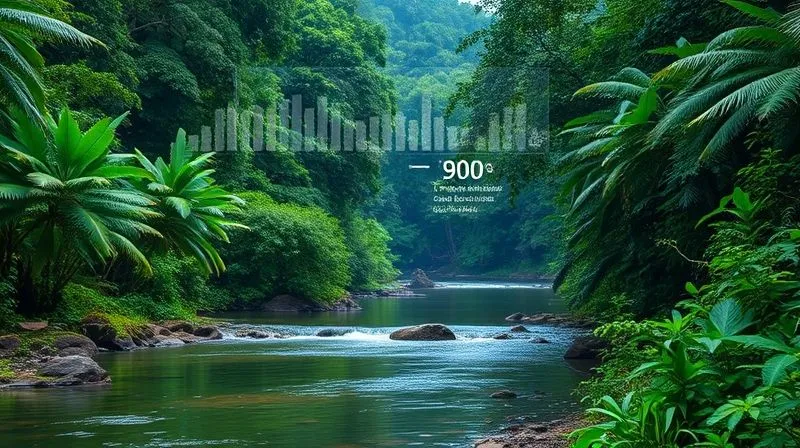
Framework 4: Capacity Building & Skill Transfer – Long-Term Local Development
Sustainable development hinges on empowering local communities with the skills and knowledge to thrive independently. Eco-tourism can be a powerful catalyst for this, but only if the capacity building is intentionally designed and its impact meticulously measured.
Tracking Education, Training, and Entrepreneurial Growth
True capacity building goes beyond basic job training; it involves fostering entrepreneurship, leadership, and transferable skills:
- Training Programs: Track the number of local community members enrolled in vocational training (e.g., guiding, hospitality management, sustainable agriculture, craft development) and their completion rates.
- Skill Transfer: Measure the number of local staff promoted to management positions, or taking on roles previously held by expatriate staff. Conduct pre and post-training assessments of skill proficiency.
- Entrepreneurial Support: Document the number of local businesses (e.g., suppliers, craft cooperatives, tour operators) that received mentorship, micro-loans, or market access through the eco-tourism initiative. Track their revenue growth and job creation.
- Educational Access: Support for local schools, scholarships for community youth, or adult literacy programs indirectly or directly funded by eco-tourism revenue.
Establish clear learning objectives for all training programs and use consistent evaluation methods. Follow up with participants to assess the long-term application of skills and career progression. This framework directly addresses How to prove eco-tourism's actual positive local community impact? by focusing on human capital development.
"Investing in local skills is not just about filling jobs today; it's about cultivating the leaders, entrepreneurs, and innovators who will build a resilient and self-sufficient community tomorrow."
Framework 5: Stakeholder Satisfaction & Collaboration – The Trust Equation
The success of any eco-tourism venture is deeply intertwined with the satisfaction and active collaboration of its local stakeholders. Without their buy-in and trust, even the most well-intentioned projects can falter. This framework emphasizes measuring the quality and effectiveness of these relationships.
Gauging Local Buy-in and Partnership Effectiveness
Building strong relationships requires consistent engagement and a genuine commitment to addressing local concerns:
- Community Satisfaction Surveys: Regularly conduct surveys among community members to gauge their perception of the eco-tourism project's benefits, challenges, and overall impact on their lives. Use Likert scales and open-ended questions.
- Formal & Informal Engagement: Track attendance and active participation in community meetings, workshops, and joint planning sessions. Document the number of community-initiated proposals adopted by the eco-tourism project.
- Grievance Mechanisms: Establish and track the use of accessible, transparent grievance redressal mechanisms. Monitor the number of complaints received, resolved, and the time taken for resolution.
- Partnership Outcomes: For formal partnerships with local organizations, define clear KPIs (Key Performance Indicators) and track joint project successes, resource sharing, and mutual learning.
Ensure survey methodologies are culturally sensitive and conducted by independent facilitators to ensure honest feedback. This continuous feedback loop is vital for adaptive management and for proving that your operations are genuinely aligned with community aspirations.
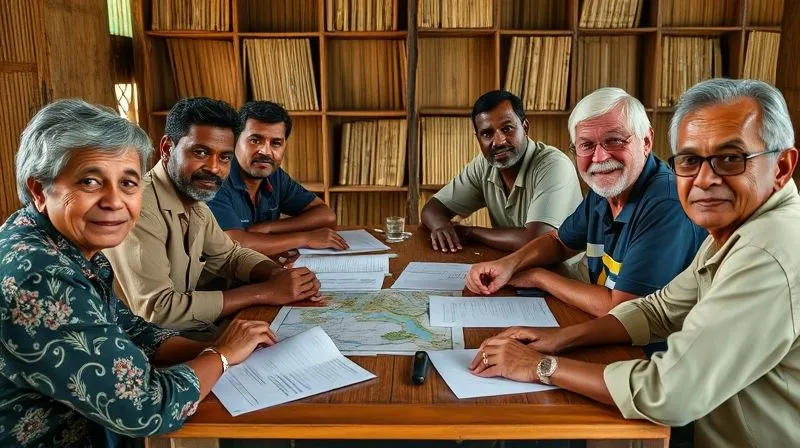
Framework 6: Transparency & Reporting – Building Unquestionable Credibility
Collecting data is only half the battle; effectively communicating it is the other. Transparency in reporting is paramount for building and maintaining credibility. This framework focuses on establishing robust monitoring, evaluation, and reporting systems that make your impact undeniable.
Establishing Robust Monitoring and Evaluation Systems
A credible impact assessment requires a systematic approach to data collection, analysis, and dissemination:
- Baseline Data: Before initiating your project, collect comprehensive baseline data across all relevant economic, social, cultural, and environmental indicators. This provides a critical point of comparison for measuring change.
- Regular Monitoring: Implement a schedule for ongoing data collection (e.g., monthly for employment, quarterly for resource use, annually for community perceptions). Assign clear responsibilities for data collection and verification.
- Third-Party Verification: Where possible, engage independent auditors or researchers to verify your data and impact claims. This adds an invaluable layer of objectivity and trust.
- Accessible Reporting: Publish annual impact reports that are clear, concise, and accessible to all stakeholders, including the local community. Use infographics, case studies, and easy-to-understand language alongside detailed metrics.
- Feedback Loops: Integrate mechanisms for stakeholders to review and provide feedback on your impact reports, demonstrating your commitment to continuous improvement and accountability.
Adhering to international standards for sustainability reporting, such as those provided by the Global Reporting Initiative (GRI), can significantly enhance your report's credibility and comparability. This framework provides the backbone for answering How to prove eco-tourism's actual positive local community impact? with verifiable evidence.
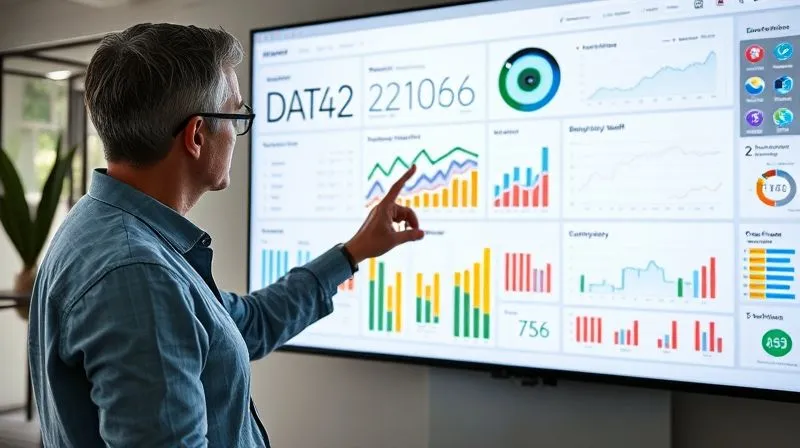
Framework 7: The Integrated Impact Scorecard – A Holistic View
While each framework provides valuable insights, the true power lies in integrating them into a holistic impact scorecard. This approach allows you to synthesize diverse metrics into a comprehensive, easy-to-understand overview of your overall positive contribution. It’s the ultimate tool for proving eco-tourism's actual positive local community impact.
Synthesizing Diverse Metrics for a Comprehensive Overview
An integrated scorecard moves beyond siloed data to present a balanced and complete picture:
- Weighted Indicators: Assign weights to different categories (economic, social, environmental, etc.) based on your project's specific goals and community priorities.
- Performance Benchmarks: Establish clear targets or benchmarks for each indicator, allowing you to track progress against predefined goals.
- Visual Representation: Use dashboards, heat maps, or spider charts to visually represent performance across all indicators, making complex data accessible at a glance.
- Regular Review: Conduct quarterly or annual reviews of the scorecard with key stakeholders to discuss progress, identify areas for improvement, and adjust strategies as needed.
This scorecard serves as a powerful communication tool, demonstrating your commitment to comprehensive impact and providing a clear answer to How to prove eco-tourism's actual positive local community impact? to any audience.
| Impact Area | Key Metric | Target | Current Status | Notes |
|---|---|---|---|---|
| Economic Prosperity | Local Employment Growth | 10% annual | 8% (Green) | Steady growth, focus on youth training. |
| Social Empowerment | Community Participation in Governance | 75% active | 68% (Yellow) | Improving, need more women in leadership roles. |
| Cultural Preservation | Traditional Craft Revival Index | Score > 4.0 | 4.2 (Green) | Strong interest, new market access. |
| Environmental Stewardship | Water Use Reduction (per guest) | 15% reduction | 12% (Yellow) | Challenges with seasonal fluctuations. |
| Capacity Building | Local Management Promotions | 2 per year | 1 per year (Yellow) | Mentorship program needs strengthening. |
Frequently Asked Questions (FAQ)
Q: How do small eco-tourism businesses measure impact without large budgets? A: Small businesses can start lean. Focus on 2-3 key metrics most relevant to your core mission. Utilize free survey tools (e.g., Google Forms), leverage existing community data, and foster strong relationships with local leaders for qualitative insights. Partner with local schools or universities for research support. Prioritize direct observation and simple record-keeping (e.g., tracking local purchases, staff training logs). The key is consistency, not complexity.
Q: What are common pitfalls to avoid when collecting impact data? A: A major pitfall is "cherry-picking" data that only shows positive outcomes, which undermines credibility. Avoid relying solely on self-reported data without verification, and be wary of assuming causation without proper analysis. Another common mistake is not establishing a clear baseline before project initiation, making true impact difficult to assess. Finally, ensure cultural sensitivity in data collection to avoid misinterpretations or offense.
Q: How do you differentiate between correlation and causation in impact studies? A: This is a critical distinction. Correlation means two things happen together (e.g., tourism increases, poverty decreases). Causation means one directly causes the other. Proving causation is complex, often requiring rigorous research designs like quasi-experimental studies or control groups. For most eco-tourism projects, focus on demonstrating strong correlations backed by logical pathways and supporting qualitative evidence. Acknowledge other influencing factors, and be transparent about the limitations of your causal claims.
Q: Can negative impacts also be measured? A: Absolutely, and they should be. A credible impact assessment must include both positive and negative impacts. Measuring negative impacts (e.g., increased waste, cultural commodification, inflation, resource strain) demonstrates honesty and provides crucial data for mitigation strategies. Ignoring them can severely damage your reputation and alienate the local community. Transparency about challenges builds long-term trust.
Q: How often should impact assessments be conducted? A: A comprehensive baseline assessment should be done at the very beginning. Regular monitoring of key indicators should be ongoing (e.g., monthly or quarterly). A full impact assessment, integrating all frameworks and involving external verification, is typically recommended every 1-3 years, depending on the project's scale, maturity, and funding requirements. Consistent, smaller-scale monitoring allows for adaptive management between major assessments.
Key Takeaways and Final Thoughts
Proving eco-tourism's actual positive local community impact is no longer optional; it's a fundamental requirement for credibility, funding, and genuine sustainability. My journey in this industry has shown me that while the task can seem daunting, a systematic, data-driven approach is not only achievable but immensely rewarding.
- Embrace Data, Don't Fear It: Move beyond anecdotes to robust, quantifiable metrics across economic, social, cultural, and environmental dimensions.
- Holistic Frameworks Are Key: Utilize integrated approaches like the 7 frameworks discussed to capture the full spectrum of your impact.
- Community at the Core: Ensure local voices are central to your data collection and decision-making processes. Their perception of impact is paramount.
- Transparency Builds Trust: Regularly report your findings, both positive and challenging, to all stakeholders. Independent verification adds invaluable credibility.
- Continuous Learning: Impact assessment is an ongoing journey of monitoring, evaluation, and adaptation. Use your data to continually improve and deepen your positive contributions.
By diligently implementing these strategies, you won't just be running an eco-tourism business; you'll be building a verifiable legacy of positive change. The communities you touch, the environment you protect, and the trust you earn will be your most profound and measurable achievements. It's time to show the world the true power of responsible tourism, backed by irrefutable evidence.
Recommended Reading
- Unlock Europe: The Ultimate Guide to Making Train Reservations with Your Eurail Pass
- Wild Camping Checklist for Beginners UK: Your Essential Guide
- Cruise Meetings: 5 Amenities for Secure, Productive Executive Sessions
- 5 Solo Travel Strategies: Reclaim Your Edge & Conquer Executive Burnout
- The Secret to Choosing Language Immersion Cultural Travel Programs





Your email address will not be published. Required fields are marked *