

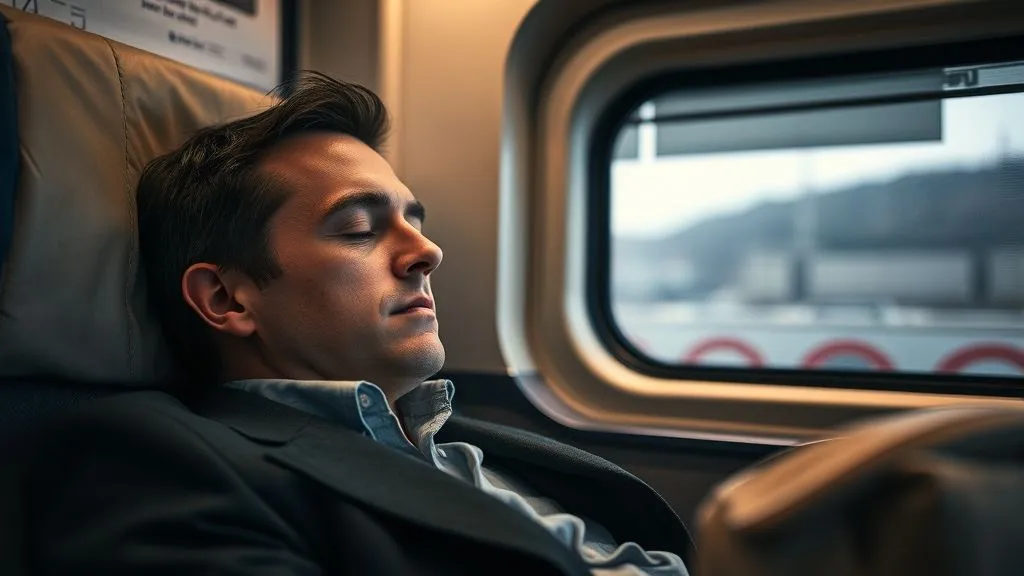
How to Sleep on a Noisy Sleeper Train for Business Travel
For over two decades, I've been traversing continents by train, often for crucial business meetings. I've seen countless colleagues arrive exhausted, their performance compromised by a sleepless night on a noisy sleeper train. The constant rattling, the announcements, the other passengers – it's a recipe for sleep deprivation.
The problem is clear: business travelers need to arrive rested and ready to perform. A lack of sleep can impact decision-making, focus, and overall well-being, potentially costing your company time and money. The challenge of sleeping on a noisy train is compounded by the pressure of upcoming meetings and presentations.
In this guide, I'll share my tried-and-true strategies for conquering the noise and getting a good night's sleep on a sleeper train. You'll learn practical techniques, from choosing the right earplugs to optimizing your sleep environment, all based on my years of experience and backed by scientific research. Let's transform your next train journey into a restful and productive experience.
1. Invest in High-Quality Noise Reduction
The first line of defense against train noise is effective noise reduction. This means investing in either high-quality earplugs or noise-canceling headphones. Don't skimp on this – your sleep depends on it.
Earplugs: Look for earplugs specifically designed for sleep. Foam earplugs are inexpensive and can block out a significant amount of noise, but they can be uncomfortable for some. Moldable silicone earplugs conform to the shape of your ear canal, providing a more custom fit and better noise reduction. I always carry a variety to adapt to different noise levels and comfort preferences.
Noise-Canceling Headphones: If you prefer headphones, choose a pair with active noise cancellation (ANC). ANC headphones use microphones to detect ambient noise and then generate an opposing sound wave to cancel it out. This technology can be incredibly effective at reducing low-frequency sounds like train rumbles and engine noise. Make sure to test them before your trip to ensure they are comfortable for prolonged use.

According to a study published in the Sleep Foundation, effective noise reduction can significantly improve sleep quality in noisy environments.
2. Optimize Your Sleep Environment
Creating a comfortable and conducive sleep environment is crucial, even in the limited space of a sleeper train berth. Think of it as building your own personal sleep sanctuary.
Eye Mask: Darkness is essential for sleep. An eye mask blocks out light from the train windows and any overhead lights that might be on. Choose a mask that is comfortable and doesn't put pressure on your eyes.
Travel Pillow: A good travel pillow can make a huge difference in your comfort. Look for a pillow that supports your neck and head properly. Memory foam pillows are a popular choice, as they conform to the shape of your head and neck.
Comfortable Clothing: Wear loose-fitting, breathable clothing that won't restrict your movement. Avoid anything that is too tight or itchy.
Temperature Control: If possible, adjust the temperature in your berth to your liking. If you can't control the temperature directly, bring extra blankets or layers of clothing to stay comfortable.
White Noise App: If earplugs or noise-canceling headphones aren't enough, try using a white noise app on your phone. White noise can mask distracting sounds and create a more consistent and calming soundscape.
3. Master the Art of Pre-Sleep Relaxation
Relaxation techniques can help you calm your mind and body before sleep, making it easier to fall asleep and stay asleep, even on a noisy train. I've found these particularly effective:
Deep Breathing Exercises: Practice deep, slow breathing to calm your nervous system. Inhale deeply through your nose, hold for a few seconds, and then exhale slowly through your mouth. Repeat this several times.
Progressive Muscle Relaxation: This technique involves tensing and then relaxing different muscle groups in your body. Start with your toes and work your way up to your head. This can help release tension and promote relaxation.
Meditation: Even a few minutes of meditation can help quiet your mind and reduce stress. There are many guided meditation apps available that can help you get started.
Avoid Screens Before Bed: The blue light emitted from screens can interfere with your sleep. Avoid using your phone, tablet, or laptop for at least an hour before bed. Instead, read a book or listen to calming music.
4. Strategic Berth Selection
Where you are located on the train can impact how much noise you experience. Consider these factors when booking your berth:
Location Away from High-Traffic Areas: Avoid berths near the restrooms, doors, or connecting corridors, as these areas tend to be noisier. The middle of the carriage tends to be quieter than the ends.
Upper vs. Lower Berth: Upper berths can sometimes feel more private and less exposed to noise from other passengers. Lower berths offer easier access to the aisle and can be less claustrophobic. Consider your priorities when making your choice.
Research Train Car Layouts: Before booking, if possible, try to find a train car layout online. This can help you identify potential noise sources and choose a berth accordingly.
5. The Power of a Consistent Sleep Schedule
Maintaining a consistent sleep schedule, even when traveling, can significantly improve your sleep quality. This helps regulate your body's natural sleep-wake cycle, making it easier to fall asleep and wake up at consistent times.
Go to Bed and Wake Up at the Same Time: Try to stick to your regular sleep schedule as much as possible, even on travel days. This can be challenging, but even a slight adjustment can make a difference.
Create a Pre-Sleep Routine: Develop a relaxing pre-sleep routine that you can follow on the train. This might include reading a book, listening to calming music, or doing some gentle stretching.
6. Smart Food and Drink Choices
What you eat and drink before bed can also affect your sleep quality. Avoid these:
Caffeine and Alcohol: Caffeine is a stimulant that can keep you awake. Alcohol can help you fall asleep initially, but it can disrupt your sleep later in the night. Avoid both caffeine and alcohol for at least a few hours before bed.
Heavy Meals: Eating a heavy meal before bed can make it difficult to fall asleep. Your body will be focused on digesting the food, which can interfere with your sleep. Opt for a light snack instead.
Stay Hydrated: Dehydration can also disrupt your sleep. Drink plenty of water throughout the day, but avoid drinking too much right before bed, as this can lead to frequent trips to the restroom.

7. Don't Be Afraid to Communicate
If you're experiencing excessive noise from other passengers or train staff, don't be afraid to politely communicate your concerns. Most people are understanding and willing to cooperate.
Politely Ask for Quiet: If other passengers are being too loud, politely ask them to keep their voices down. Most people are unaware of how loud they are being and will be happy to accommodate your request.
Contact Train Staff: If you're experiencing noise from train staff or equipment, contact the train conductor or other staff members. They may be able to address the issue or move you to a quieter berth.
| Strategy | Tools | Benefit |
|---|---|---|
| Noise Reduction | Earplugs, Noise-Canceling Headphones | Blocks out external noise |
| Sleep Environment | Eye Mask, Travel Pillow, Comfortable Clothing | Creates a comfortable sleep space |
| Relaxation | Deep Breathing, Meditation | Calms mind and body |
| Schedule | Consistent Bedtime, Pre-Sleep Routine | Regulates sleep-wake cycle |
Case Study: The Sleepless Executive
John, a senior executive at a global consulting firm, consistently arrived at client meetings exhausted after overnight train journeys. His presentations lacked their usual spark, and his decision-making was noticeably slower. After implementing these strategies – investing in custom-molded earplugs, creating a consistent pre-sleep routine, and strategically selecting his berth – John reported a significant improvement in his sleep quality and overall performance. He arrived at meetings refreshed and ready to excel.
As Seth Godin often says, "Discomfort brings engagement and change." Embrace the challenge of sleeping on a noisy train and proactively create a restful experience.
Frequently Asked Questions (FAQ)
What if earplugs or noise-canceling headphones aren't enough to block out the noise? Consider using both in combination. Earplugs can provide a base level of noise reduction, while noise-canceling headphones can further reduce ambient noise. You can also try using a white noise app or machine to mask distracting sounds.
How can I deal with anxiety about not being able to sleep on the train? Practice relaxation techniques such as deep breathing, meditation, or progressive muscle relaxation. Focus on controlling what you can, like your sleep environment and pre-sleep routine. Remember that even a few hours of rest is better than none.
What if I have trouble falling asleep because of the motion of the train? Try to focus on your breath and relax your muscles. You can also try listening to calming music or a guided meditation. Some people find that focusing on a fixed point in the distance can help reduce motion sickness.
Are there any medications I can take to help me sleep on the train? Consult with your doctor before taking any sleep medications. Some medications can have side effects, and it's important to make sure they are safe for you to take. Consider natural sleep aids like melatonin or valerian root, but always check with your doctor first.
How do I handle noisy neighbors in my sleeper compartment? Start by politely asking them to lower their voices. If that doesn't work, contact the train conductor or other staff members. They may be able to move you to a quieter berth or address the issue directly. Document the issue if it persists.
Recommended Reading
- How to Prevent Igloo Melting: 5 Essential Tips for Warmer Spells
- Unveiling the Secrets: What Makes a Safari Truly Luxurious Experience?
- Unlock Your Inner Self: How to Plan a Solo Trip for Deep Introspection
- 7 Proven Ways: Avoid Greenwashing in Eco-Preservation Tour Marketing
- Top 5 Luxury Cruise Lines for Corporate Retreats with Stellar Wi-Fi?
Main Points and Final Considerations
- Prioritize noise reduction with high-quality earplugs or headphones.
- Optimize your sleep environment for darkness, comfort, and temperature.
- Master relaxation techniques to calm your mind and body.
- Maintain a consistent sleep schedule, even while traveling.
- Communicate your concerns if you experience excessive noise.
Sleeping on a noisy sleeper train can be challenging, but it's not impossible. By implementing these strategies, you can significantly improve your sleep quality and arrive at your destination rested and ready to perform. Remember to be patient with yourself and experiment with different techniques to find what works best for you. With a little planning and preparation, you can transform your next train journey into a restful and productive experience. Safe travels!



Your email address will not be published. Required fields are marked *