

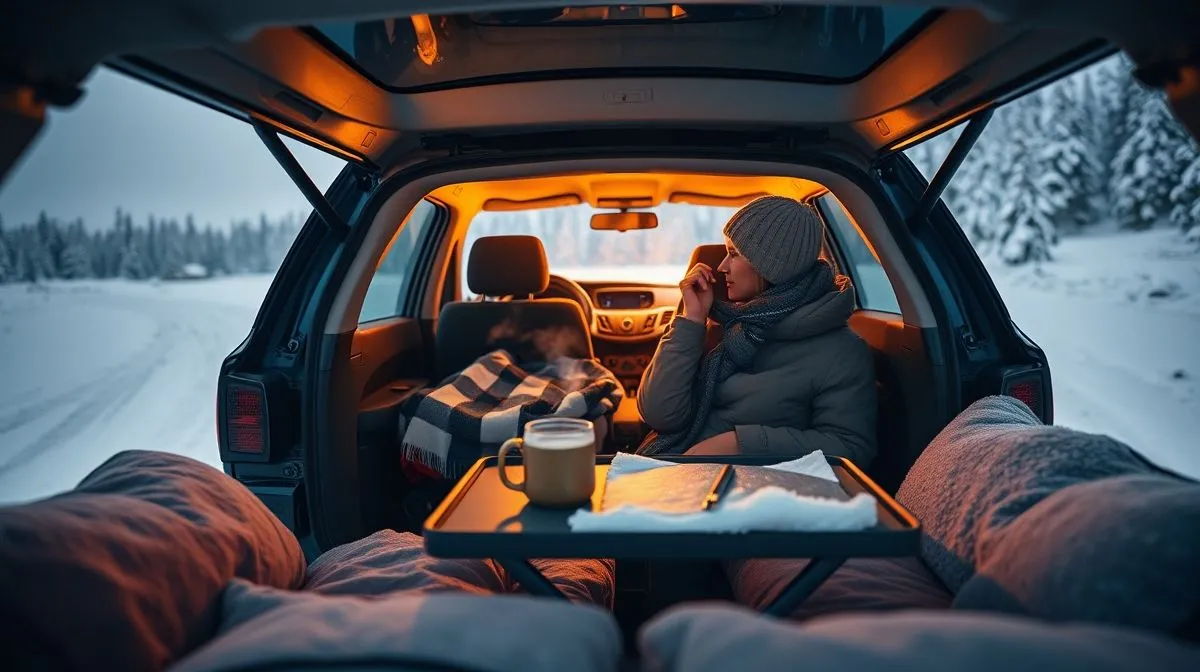
The Ultimate Guide: How to Stay Warm During Cold Weather Car Camping?
Picture this: you've found the perfect secluded spot, the stars are brilliant against a crisp, clear winter sky, and the snow-dusted trees stand sentinel around your vehicle. It’s the dream of many outdoor enthusiasts – the freedom of car camping. But as the temperature plummets and the night deepens, a crucial question emerges: how do you keep the magic alive without succumbing to the biting cold?
The challenge of staying warm in a metal box, designed more for transport than for insulation, is a significant hurdle for any winter adventurer. Without proper preparation and knowledge, a potentially magical night can quickly devolve into a miserable, shivering ordeal, forcing an early retreat from the wilderness.
This comprehensive guide will equip you with the definitive strategies, essential gear, and crucial safety protocols to ensure you not only survive but truly thrive during your cold weather car camping excursions. By the end of this reading, you'll possess the expertise to transform your vehicle into a cozy, warm haven, allowing you to fully embrace the serene beauty of winter camping.
Understanding the Enemy: How Heat Escapes Your Vehicle
Before we can effectively combat the cold, it’s vital to understand why vehicles are inherently poor insulators. Unlike a well-designed four-season tent or a properly insulated cabin, a car is a thin shell of metal, glass, and minimal insulation, making it highly susceptible to heat loss.
Conduction, Convection, Radiation: The Triple Threat
- Conduction: Heat directly transfers from warmer objects (your body, the air inside) to colder objects (the metal frame, windows) through direct contact. Metal is an excellent conductor, rapidly drawing heat away.
- Convection: Warm air inside rises, touches cold surfaces (like windows), cools, and then sinks, creating a circulating current that continuously pulls warmth away from you.
- Radiation: Your body emits infrared radiation, which can pass directly through glass and thin materials, radiating your precious warmth directly out into the cold environment.
The Role of Glass and Metal
Glass windows, while offering panoramic views, are notorious thermal bridges. They offer very little resistance to heat transfer. Similarly, the thin metal panels of your car's body quickly equalize with the outside temperature, acting as a giant cold sink. Understanding these mechanisms is the first step in formulating an effective strategy for keeping your car warm.
Essential Gear for a Warm Car Camping Experience
The right gear isn't just an advantage; it's a necessity when facing freezing temperatures. Investing in quality, purpose-built equipment is paramount for your comfort and safety.
The Right Sleeping System: Your Personal Cocoon
Your sleeping setup is arguably the most critical component for warmth. It's not just about the sleeping bag; it's a system.
- Sleeping Bag: Choose a bag rated for temperatures significantly colder than you expect to encounter. A bag rated for 0°F (-18°C) is a good starting point for winter car camping, even if temperatures are only around freezing. Look for bags with high-quality down or synthetic fill that maintain loft.
- Sleeping Pad: This is often overlooked but incredibly important. A sleeping pad provides crucial insulation from the cold ground (or car floor) via its R-value. For winter, aim for an R-value of 5 or higher. Layering two pads (e.g., a foam pad under an inflatable one) can significantly boost insulation.
- Sleeping Bag Liner: A fleece or silk liner can add an extra 5-15 degrees of warmth to your bag and keep it cleaner.
Insulated Clothing Layers: Dress for Success
Layering is key to warmth and adaptability. You want to trap air, which is an excellent insulator.
- Base Layer: Wicks moisture away from your skin. Merino wool or synthetic fabrics are ideal. Avoid cotton, which absorbs moisture and loses its insulating properties when wet.
- Mid-Layer: Provides insulation. Fleece jackets, down vests, or synthetic puffies work well.
- Outer Layer: Offers protection from wind and moisture. A waterproof and breathable shell is essential.
- Don't forget warm socks (wool or synthetic), a hat (you lose significant heat through your head), and insulated gloves or mittens.
Portable Heating Solutions: A Touch of Luxury (with Caution)
While not strictly necessary with a good sleeping system, a portable heater can make a significant difference in comfort, especially when you're not in your sleeping bag.
- Propane Heaters (e.g., Buddy Heater): These are popular but require extreme caution. They produce carbon monoxide, an odorless, colorless, deadly gas. Always ensure adequate ventilation (e.g., crack a window on opposite sides) and use a battery-powered carbon monoxide detector. For more information on carbon monoxide safety, consult resources like the Centers for Disease Control and Prevention (CDC).
- Electric Blankets/Heated Throws: If you have access to a robust power bank or a portable power station (like a Yeti or Jackery), a 12V electric blanket can provide consistent, safe warmth through the night without the carbon monoxide risk.
- Catalytic Heaters: These flameless heaters operate at lower temperatures, reducing fire risk, but still produce carbon monoxide and require ventilation.
Moisture Management: The Silent Killer of Warmth
Your breath, body heat, and any wet gear will create condensation inside your vehicle, which can lead to dampness, mold, and significantly reduce the effectiveness of your insulation.
- Ventilation: Even in cold weather, cracking a window (even just a quarter-inch) or using a roof vent fan can help circulate air and remove humid air.
- Moisture Absorbers: Desiccant packets or moisture-absorbing products can help reduce ambient humidity.
- Drying Gear: Avoid bringing wet snow or gear inside; if you must, ensure it's in a place where it can dry without adding to the overall humidity.
Vehicle Modifications and Insulation Strategies
Transforming your car into a winter-ready dwelling involves more than just gear; it requires addressing the vehicle's inherent weaknesses as a shelter.
Window Covers and Reflectix: Blocking the Cold
Windows are major culprits for heat loss. Custom-fit window covers are one of the most effective modifications.
- Reflectix: This reflective foil insulation material is excellent for blocking radiant heat transfer. Cut pieces to fit snugly into each window opening. You can secure them with Velcro or simply wedge them in.
- Insulated Fabric Covers: Combine Reflectix with a layer of fleece or foam for added insulation and a cozier aesthetic. Many companies offer custom-made magnetic window covers for popular car camping vehicles.
Floor and Wall Insulation: The Unsung Heroes
While often overlooked, insulating your floor and walls can make a noticeable difference.
- Floor Mats: Thick rubber or foam mats can add a layer of insulation between you and the cold metal floor. Interlocking foam gym mats are a popular, affordable option.
- Wall Panels: For more dedicated setups, consider adding thin insulation boards (like XPS foam) to the interior panels of your vehicle, covering them with fabric or plywood. This is a more involved modification but offers superior insulation.
Draft Proofing: Sealing the Leaks
Tiny gaps around doors, windows, and cable pass-throughs can allow cold air to seep in.
- Weather Stripping: Inspect and replace worn weather stripping around doors and the trunk.
- Seal Gaps: Use foam sealant or tape to seal any obvious gaps or holes in the vehicle's body.
Smart Strategies for Maximizing Warmth
Beyond gear and modifications, smart planning and habits can significantly enhance your comfort.
Pre-Warming Your Sleeping Area
Entering a pre-warmed space is infinitely more comfortable than crawling into a frigid sleeping bag.
- Hot Water Bottles: Fill a Nalgene bottle with hot water (not boiling, to avoid burns or melting the bottle) and place it in your sleeping bag 20-30 minutes before bed. This is an incredibly effective and simple trick.
- Chemical Hand Warmers: Place these in your sleeping bag or pockets for an extra boost of localized heat.
Nutrition and Hydration: Fueling Your Internal Furnace
Your body generates heat through metabolism. Providing it with proper fuel is crucial.
- Warm Meals: Enjoying a hot, calorie-rich meal before bed, like soup, stew, or oatmeal, gives your body fuel to burn and warms you from the inside out.
- Hot Drinks: Warm tea, hot chocolate, or broth can provide immediate comfort and help maintain core temperature.
- Stay Hydrated: Dehydration can impair your body's ability to regulate temperature.
Body Heat and Companion Warmth
If you're car camping with a partner, sharing a sleeping bag (if rated for two) or simply sleeping in close proximity can significantly increase warmth due to shared body heat. Even with pets, their warmth can contribute to a cozier environment.
Safety First: Avoiding Common Cold Weather Car Camping Mistakes
While the focus is on comfort, safety must always be paramount. Cold weather introduces unique risks that require careful attention.
Carbon Monoxide Poisoning: The Silent Killer
This cannot be stressed enough: never run your vehicle's engine for heat overnight, and always use a carbon monoxide detector when using any fuel-burning heater inside your vehicle. Ensure proper ventilation. The Environmental Protection Agency (EPA) provides extensive information on carbon monoxide dangers.
Battery Drain: Stranded in the Cold
Running accessories like electric blankets, interior lights, or charging devices can quickly drain your car's 12V battery, leaving you stranded. Invest in a dedicated portable power station for these needs, or at least monitor your car's battery voltage closely.
Frostbite and Hypothermia Recognition
Know the signs and symptoms of these serious conditions. Frostbite affects extremities (fingers, toes, nose, ears) and can lead to tissue damage. Hypothermia is a dangerous drop in core body temperature. If you suspect either, seek immediate medical attention. Layering properly and staying dry are your best defenses.
Proper Ventilation: A Balancing Act
While you want to retain heat, adequate ventilation is crucial for managing condensation and preventing carbon monoxide buildup if using a heater. It's a delicate balance; a small crack in two windows (one at the front, one at the back) often suffices to create a gentle cross-breeze.
Preparing Your Vehicle for Winter Camping
Beyond interior modifications, your vehicle itself needs to be ready for the rigors of cold weather.
Battery Check and Maintenance
Cold weather severely impacts battery performance. Have your car battery tested before your trip. Ensure terminals are clean and tight. Consider carrying jumper cables or a portable jump starter.
Tire Pressure and Type
Cold temperatures cause tire pressure to drop. Check your tire pressure regularly. If you anticipate driving on snow or ice, consider dedicated winter tires for superior traction and safety.
Emergency Kit Essentials
Beyond your camping gear, a robust emergency kit is vital. Include items like:
- Jumper cables or jump starter
- Shovel and traction aids (sand, cat litter)
- Extra warm clothing and blankets
- First-aid kit
- Non-perishable food and water
- Flashlight and extra batteries
- Fully charged cell phone and power bank
Frequently Asked Questions (FAQ)
Can I use a propane heater safely inside my car? Yes, but with extreme caution. Always use a battery-powered carbon monoxide detector and ensure continuous, adequate ventilation by cracking windows on opposite sides of the vehicle. Never use it while sleeping unless specifically designed and vented for such use, and even then, with a CO detector.
What R-value sleeping pad do I need for winter car camping? For winter conditions, an R-value of 5 or higher is generally recommended. If you're sensitive to cold or anticipate extreme temperatures, consider layering two pads for combined R-values.
How do I prevent condensation inside my car? The primary method is consistent ventilation. Crack windows slightly, use a roof vent fan if available, and try to avoid bringing excessive moisture (wet clothes, snow) inside. Moisture-absorbing products can also help.
What's the best way to layer clothes for cold weather car camping? Start with a moisture-wicking base layer (merino wool or synthetic), add an insulating mid-layer (fleece or down), and top with a waterproof/breathable outer shell. Adjust layers as needed to avoid sweating, which can lead to chilling.
Is it safe to run my car's engine for heat overnight? No, it is extremely dangerous due to the risk of carbon monoxide poisoning. Never run your vehicle's engine while sleeping or for extended periods in an enclosed space like a car.
Recommended Reading
- Unlock Cheap Train Travel: How to Journey Without a Rail Pass!
- The Ultimate Guide to Keeping Teenagers Entertained on Family Cruises
- Modern Marvels: Your Guide to the Best Architecture City Breaks Europe
- Unlock City Secrets: Best Urban Exploration Apps for City Breaks
- Unlock Accessible Adventures: Your Ultimate Guide to Disability-Friendly Travel
Conclusion
Mastering how to stay warm during cold weather car camping transforms a daunting challenge into an exhilarating adventure. By understanding the principles of heat loss, investing in the right high-quality gear, making strategic vehicle modifications, and adopting smart warming habits, you can create a cozy sanctuary on wheels. Always prioritize safety, especially concerning carbon monoxide and vehicle readiness. With these insights, you're not just enduring the cold; you're embracing the unique beauty of winter wilderness, confident in your ability to stay warm and comfortable. So, prepare wisely, venture forth, and let the crisp winter air invigorate your spirit, knowing a warm haven awaits just outside your sleeping bag.


Your email address will not be published. Required fields are marked *